Octave down pedals can transform a thin guitar line into a massive, low-end part without changing instruments. Whether you want simple sub-octave thickness or instant drop tuning, the right pedal makes it easy to shape your sound.
This 2026 roundup focuses on practical, player-friendly options for guitar and bass, from classic analog textures to compact polyphonic pitch shifters.
Best 10 Octave Down Pedals Picks for 2026
Industry-Standard Upgrade

- Polyphonic guitar/bass octave pedal
- Mono/Poly modes with Dry Direct Output
- Lowest Range mode targets the lowest note in a chord
Best For: Players who want a flexible octave pedal for chords, bass-style lows, and everyday use
Compact Drop Tune Tool
DigiTech DROP Compact Pitch-Shifter

- Polyphonic drop tune from 1 semitone to a full octave
- Momentary or latching switching options
- True bypass in a compact pedal format
Best For: Players who need fast down-tuning and octave-drop effects in a small pedal
Warm Analog Low End

- All-analog octave pedal with classic response
- 1 or 2 octaves below the original signal
- True bypass in a durable metal chassis
Best For: Players who want a warm, simple analog octave sound with deep bottom end
Downshift with Flex
Digitech DROP Bundle Pitch Shift Pedal

- Polyphonic downward pitch-shifter with octave-down modes
- 1-7 semitone settings plus dry/wet octave options
- Includes power supply and patch cable
Best For: Players who want a flexible pitch shifter for octave drops and smaller down-tunes
Polyphonic Workhorse

- Tracks chords and single notes cleanly
- Blends dry, octave up, and octave down levels
- Compact die-cast pedal with silent switching
Best For: Players who want clean octave-down textures and bass-like tones
Multi-Mode Shifter
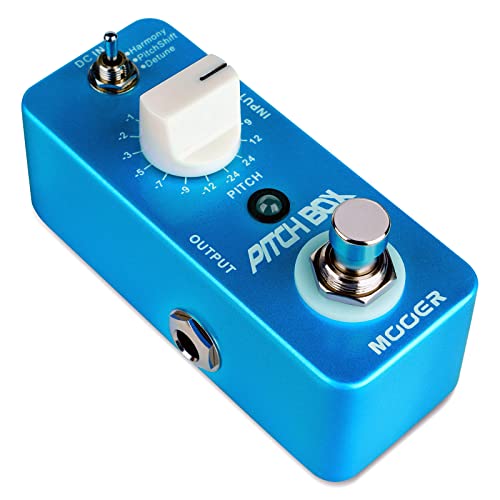
- Offers harmony, pitch shift, and detune modes
- Covers up to 2 octaves of pitch range
- Mini metal build with true bypass
Best For: Players who want octave effects plus harmony and detune in one pedal
Preset-Loaded Octaver

- Seven saveable preset slots
- Controls ±1 and ±2 octave mixes
- True bypass with dry signal control
Best For: Players who want stored octave presets and layered pitch control
Analog Monophonic Pick

- 100% analog monophonic octave sound
- Blends dry plus one- and two-octave-down voices
- Compact true-bypass design for guitar and bass
Best For: Players who want a simple analog lower-octave pedal
Polyphonic Feature Pick

- Polyphonic tracking for chords and multi-note parts
- Independent sub, upper, dry, and mod controls
- Built-in modulation for organ-like textures
Best For: Players who want flexible octave tones with added modulation
Compact Pitch Shift Pick
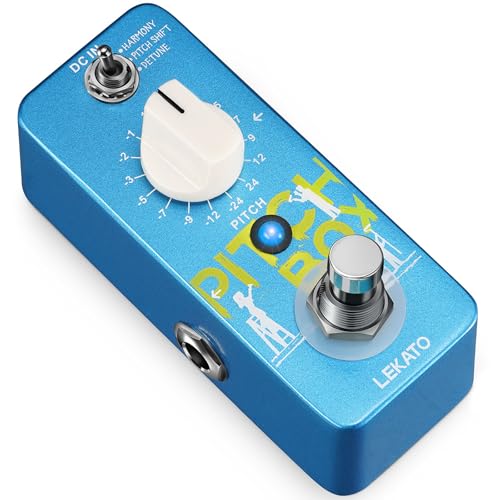
- Three modes: Harmony, Pitch Shift, and Detune
- Polyphonic processing with a ±2 octave range
- Mini true-bypass metal shell for small boards
Best For: Players who want a compact pitch pedal with octave-style options
Industry-Standard Upgrade – BOSS OC-5 Octave Pedal
If you want octave down pedals that cover both guitar and bass use, the BOSS OC-5 is a practical all-around choice. Its mono and poly modes, plus the lowest range setting in poly mode, make it easy to add low-end support without losing clarity.
Best For: Players who want a versatile octave pedal for chord work, bass-style low end, or straightforward octave-down effects.
Pros:
- Polyphonic guitar/bass octave pedal with Mono/Poly modes
- Lowest Range setting in Poly mode applies the octave effect to only the lowest note in a chord
- Includes a Dry Direct Output for flexible routing
- Industry-standard design with updated features
Cons:
- Needs a 9V AC adapter for power
- More of a feature-rich pedal than a simple one-knob octave box
The OC-5 is a strong pick if you want one of the most adaptable octave down pedals in a familiar stompbox format. It should suit players who need both clean tracking options and enough flexibility to handle chords, bass lines, and thickened single-note parts.
Compact Drop Tune Tool – DigiTech DROP Compact Pitch-Shifter
Among octave down pedals and pitch shifters, the DigiTech DROP stands out for simple down-tuning in a compact layout. It shifts from 1 semitone down to a full octave, and the momentary or latching footswitch modes make it useful for quick changes or held tuning drops.
Best For: Players who want a compact pedal for instant down-tuning, including octave-down effects, with easy footswitch control.
Pros:
- Polyphonic drop tuning from 1 semitone to a full octave
- Momentary or latching footswitch operation
- True bypass for preserving tone when off
- Compact design with 33 9 pitch modes listed in the notes
Cons:
- Requires corded power rather than battery use
- Focused on pitch shifting rather than traditional octave-pedal controls
The DROP is a practical option if your main goal is lower tuning rather than a classic octave effect workflow. Its small footprint and switching options make it easy to integrate into a live board or studio setup.
Warm Analog Low End – TC Electronic Nether Octaver
If you prefer classic-sounding octave down pedals, the TC Electronic NETHER OCTAVER focuses on warm, deep bottom end. Its all-analog design and 1 or 2 octaves below the original signal make it a straightforward choice for adding thickness without a complicated control layout.
Best For: Players who want a simple analog octave pedal with a warm, bass-heavy response.
Pros:
- All-analog octave pedal for a classic feel
- Offers 1 or 2 octaves below the original signal
- True bypass for signal integrity
- Metal chassis built for durability
Cons:
- Battery-powered only in the supplied notes
- Limited control set compared with multi-mode pitch shifters
The NETHER OCTAVER is a good fit if you want warmth and depth more than advanced routing or tuning features. It keeps the focus on a heavy low-end octave sound in a rugged, no-nonsense enclosure.
Downshift with Flex – Digitech DROP Bundle Pitch Shift Pedal
For octave down pedals that also handle smaller downshifts, the DigiTech DROP bundle gives you a polyphonic multi-mode pitch-shifting setup. Its settings cover 1 to 7 semitones down, plus two octave-down options with or without the dry signal, so you can tailor the effect to the song.
Best For: Players who want a flexible downward pitch-shifter with octave-down modes and included power accessories.
Pros:
- Polyphonic, multi-mode downward pitch-shifter effect
- 1-7 semitone settings plus two octave-down modes
- True-bypass switching preserves tone when bypassed
- Includes a 9VDC power supply and patch pedal cable
Cons:
- Uses corded power rather than battery operation
- Bundle format may be more than some players need
This bundle makes sense if you want one pedal that can cover both subtle down-tuning and full octave-down shifts. The momentary/latching Hold-Tap control also adds useful live flexibility.
Polyphonic Workhorse – Nano POG
If you want octave down pedals that stay clean on chords, the Electro-Harmonix Nano POG is built for exactly that job. It tracks single notes, sweeps, and full chords without hitches or glitches, while giving you control over the dry signal, octave up, and octave down blend.
Best For: Players who need a compact, reliable octave pedal for bass-like lows, 12-string textures, and organ-style parts.
Pros:
- Tracks chords, sweeps, and single notes smoothly
- Can turn guitar into a bass or create a 12-string-like sound
- Adjustable original, octave up, and octave down volumes
- Silent footswitching and a road-worthy die-cast build
Cons:
- Uses a compact control set rather than deep editing
- May be more pedal than needed if you only want a simple octave-down effect
The Nano POG is a strong pick if your priority is clean tracking and flexible octave layering in a small footprint. It’s especially appealing for players who want dependable octave down tones without glitchy artifacts.
Multi-Mode Shifter – Drop Pitch Harmonizer
The Mooer Drop Pitch Harmonizer is a flexible choice among octave down pedals if you want more than one pitch effect in a mini format. It offers harmony, pitch shift, and detune modes, with precise polyphonic pitch conversion and up to 2 octaves of range for combined sounds.
Best For: Guitarists and bass players who want a compact pitch pedal with octave, harmony, and detune options.
Pros:
- Three modes: harmony, pitch shift, and detune
- Up to 2 octaves of combined pitch options
- Precise polyphonic pitch conversion
- Mini metal enclosure with true bypass
Cons:
- 9V adapter is not included
- Mode-rich design may be more complex than a basic octave-down pedal
If you want a tiny pedal that covers octave-style shifts plus harmony and detune, the Mooer stands out for versatility. It’s best suited to players who are comfortable trading simplicity for extra sonic options.
Preset-Loaded Octaver – FLAMMA FS08
For octave down pedals with more built-in flexibility, the FLAMMA FS08 gives you seven preset slots and adjustable polyphonic octave settings. It includes individual control for +1 and -1 octave, plus +2 and -2 octave combinations, along with dry signal control for shaping the final blend.
Best For: Players who want preset-based octave sounds with flexible octave layering and dry blend control.
Pros:
- Seven preset slots with saveable octave parameters
- Individual control for ±1 and ±2 octaves
- Dry signal control helps shape the mix
- True bypass and a portable full-metal shell
Cons:
- Requires a 9V DC supply with more than 306mA
- Power supply is not included
The FS08 is a strong option if you want a more programmable octave pedal rather than a one-setting effect. Its preset memory and layered octave modes make it useful for players who like to dial in specific sounds and recall them quickly.
Analog Monophonic Pick – SONICAKE Classic Lower Octave
If you want one of the more straightforward octave down pedals for adding thick low-end to guitar or bass, the SONICAKE Octaver keeps the focus on classic analog sound and simple operation. It blends a one-octave-lower voice and a two-octaves-lower voice with your dry signal, making it a practical choice for players who want fast, usable octave tones without extra menu diving.
Best For: Players who want a compact analog octave pedal for simple low-end layering on guitar or bass.
Pros:
- 100% analog monophonic octave design for a classic lower-octave feel
- Blends dry signal with one-octave-lower and two-octaves-lower voices
- Compact true-bypass pedal that helps keep the signal path clean
- Designed for both guitar and bass with very low latency on guitar
Cons:
- Monophonic tracking is better suited to single-note playing than chords
- Requires a 9V center-negative power supply, which is not included
This is a good pick if you value a basic, analog octave-down effect over extra features. It stays compact and focused, so it fits well on small boards where you just need a reliable lower octave layer.
Polyphonic Feature Pick – JOYO XVI Polyphonic Octave
The JOYO XVI stands out among octave down pedals because it handles polyphonic playing and adds separate controls for sub, upper, dry, and modulation. That makes it a strong option if you want octave textures that work on chords as well as single notes, with the ability to shape everything from a subtle low-end lift to a huge organ-like effect.
Best For: Players who want a flexible polyphonic octave pedal with modulation and independent voice control.
Pros:
- Polyphonic tracking supports chords and multi-note passages
- Independent SUB, UPPER, DRY, and MOD knobs for detailed control
- Built-in modulation adds phaser/vibrato-style movement to the octave voices
- True bypass and a rugged aluminum chassis for board-friendly durability
Cons:
- Powered by 9V DC only, with no battery compartment
- More controls may be more than you need if you want a very simple octave pedal
If you want more than a basic octave-down effect, the XVI gives you a wide range of tones in one compact enclosure. Its modulation and blend controls make it better suited to players who like to shape their octave sound rather than just switch it on.
Compact Pitch Shift Pick – LEKATO Mini Octave Drop
The LEKATO Mini Pitch Shifter is a compact option for players comparing octave down pedals with broader pitch and harmony tools. It offers harmony, pitch shift, and detune modes, plus a ±2 octave range and polyphonic pitch conversion, so it can cover octave-style effects while also handling more creative tuning tasks.
Best For: Guitarists and bass players who want a small pitch pedal with octave-style flexibility and extra harmony modes.
Pros:
- Three modes: Harmony, Pitch Shift, and Detune
- Polyphonic pitch conversion with a ±2 octave range
- Mini metal enclosure with true bypass for a clean signal path
- Compact footprint that saves space on the pedalboard
Cons:
- It is more of a pitch shifter/harmonizer than a dedicated octave pedal
- 9V adapter is required and not included
This pedal makes sense if you want one box that can do octave-style drops and broader pitch effects. It is especially useful for players who want a portable unit with multiple modes instead of a single-purpose octave down pedal.
How We Picked These Octave Down Pedals
We focused on pedals that solve real player problems: reliable tracking, usable tone controls, compact footprints, and enough flexibility for live or studio use. The best Octave Down Pedals should preserve your core sound while adding weight, clarity, or tunings that feel musical instead of glitchy.
Quick Comparison
Some models are built for simple one-note sub-octave reinforcement, while others act more like pitch shifters for instant tuning changes. Analog designs often deliver warmer, thicker character, while polyphonic digital units are better for chord work and cleaner tracking. If you need fast setup changes on stage, look for true bypass, momentary or latch modes, and dry blend control.
Key Buying Factors for Octave Down Pedals
Tracking and Note Clarity
If you play chords, power chords, or fast alternate picking, prioritize pedals that track cleanly across the fretboard. Mono octave units can sound huge on single notes, but polyphonic designs usually handle complex playing more accurately.
Tone Character
Choose analog-style Octave Down Pedals if you want warmth, thickness, and a more organic low end. Choose digital or polyphonic units if you want tighter pitch accuracy, cleaner low notes, or tuning-style effects.
Blend and Dry Signal Control
A dry blend helps keep your original attack intact, which is especially useful when stacking effects or playing in a band mix. More blend control usually means more flexibility in how deep or subtle the octave effect feels.
Bypass, Switching, and Size
True bypass is helpful if you want the pedal out of the signal path when it is off. Compact enclosures matter on crowded pedalboards, and momentary or latch switching can be a major plus for players who use pitch changes creatively.
Who Should Buy Which Octave Down Pedals?
Players who want classic, thickened riffs and bass-like support should lean toward analog-style options. Guitarists who need accurate drop tuning, chord-friendly tracking, or multiple semitone shifts should choose a polyphonic digital unit. Bassists and home-recording players may prefer pedals with stronger low-end response and easy blend control. If you are building a versatile board, start with the sound and workflow you need most, then narrow down by tracking quality, size, and switching features.