Analog octave pedals can add instant weight, thickness, and harmonic movement to a guitar or bass rig without turning your tone overly synthetic.
If you want a warmer, more musical octave effect with simple controls and reliable feel, this roundup highlights the best options for 2026.
Best 10 Analog Octave Pedals Picks for 2026
Warm Low-End Classic

- All-analog octave pedal
- 1 or 2 octaves below original
- True bypass metal chassis
Best For: Players wanting warm, deep sub-octave support
Mini Bass Sub-Boom

- Warm analog sub-bass
- Improved tracking and headroom
- Compact mini format
Best For: Bassists wanting vintage-style octave in a small pedal
Polyphonic Pitch Utility

- Polyphonic guitar/bass octave pedal
- Mono and Poly modes
- Targets lowest note in chords
Best For: Players needing flexible octave control for guitar or bass
Dual-Voice Low-End Shape
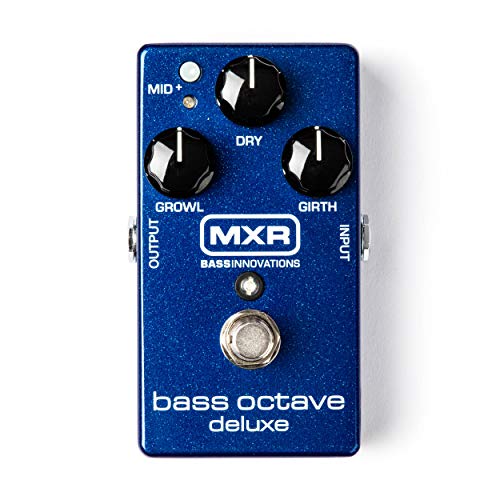
- Organic analog tone
- Two independent octave voices
- Mid+ boost and strong headroom
Best For: Bass players wanting extra voice control and tone shaping
Compact Digital Octave Option
Donner Harmonic Square Octave/Pitch Shifter

- 7 shift types and 3 tone modes
- WET and DRY knobs for blend control
- True bypass in a compact aluminum build
Best For: budget players wanting a compact octave/pitch shifter with lots of tonal variety
Warm Bass Octave Pick
Aguilar Octamizer V2 Analog Bass Octave Pedal

- Analog signal path with warm, versatile character
- Low 50mA current draw
- Bass-focused octave pedal with simple controls
Best For: bassists who want a warm analog octave sound with easy setup
Polyphonic Octave Specialist
NUX TUTTI Polyphonic Octave Pedal

- Polyphonic algorithm tracks chords and notes
- Three modes: Polyphonic, Bassline, Momentary
- True bypass and buffered bypass options
Best For: players who need chord-friendly octave tracking with flexible bypass choices
Polyphonic Ambient Powerhouse
Verdict Polyphonic Octave Pedal

- 4-voice polyphonic tracking with multiple octave ranges
- Analog dry-through preserves the core guitar signal
- Freeze, swell, and detune expand ambient options
Best For: solo players and ambient rigs
Classic Monophonic Value Pick

- 100% analog monophonic octave circuit
- One- and two-octave-down sounds with dry blend
- Compact true-bypass design for simple pedalboards
Best For: budget-minded guitar and bass players
Mini Multi-Mode Octave

- 11 octave modes for a wide tonal range
- Tiny enclosure with true bypass and preset saving
- Covers organ-like highs and deep bass sounds
Best For: players wanting many sounds in a small pedal
Warm Low-End Classic – TC Electronic Nether Octaver
If you want one of the more straightforward analog octave pedals for adding thickness, the TC Electronic NETHER OCTAVER is built around a classic all-analog sub-octave sound. It focuses on 1 or 2 octaves below the original signal, so it is aimed at players who want warm, deep bottom end rather than a flashy feature set.
Best For: Players who want a simple, warm analog octave pedal for adding low-end depth and weight.
Pros:
- Classic all-analog signal path
- Offers 1 or 2 octaves below the original note
- True bypass for cleaner signal integrity
- Metal chassis is described as built like a tank
Cons:
- Focused mainly on sub-octave tones rather than broader pitch effects
- Only basic control layout is listed
- Best suited to players who specifically want a bass-heavy sound
The NETHER OCTAVER keeps the formula simple: warm, deep, and analog. If your priority is adding low-end weight without complicating your pedalboard, this is an easy pedal to understand and use.
Mini Bass Sub-Boom – MXR Vintage Bass Octave
The MXR Vintage Bass Octave is a compact option in the world of analog octave pedals, built to deliver warm analog sub-bass with upgraded tracking and cleaner headroom. It keeps the vintage flavor but adds the kind of flexibility modern bass players often need.
Best For: Bass players who want a small analog octave pedal with classic low-end feel and improved tracking.
Pros:
- Warm analog sub-bass vibe with upgraded tracking
- Cleaner headroom for a more refined response
- Compact mini pedal format
- Includes a 9-volt adapter
Cons:
- Designed specifically around bass octave use
- Single-effect focus may feel limited if you want more voicing options
- Mini size may not suit players who prefer larger controls
This is a practical pick if you want the familiar MXR low-end character in a smaller footprint. It balances vintage-style tone with modern playability, which makes it appealing for players who want dependable sub-octave support without extra clutter.
Polyphonic Pitch Utility – BOSS OC-5 Octave Pedal
The BOSS OC-5 is a modern take on the classic octave pedal, offering polyphonic guitar and bass operation along with mono and poly modes. For players comparing analog octave pedals, it stands out for its updated feature set and the ability to apply the octave effect to only the lowest note in a chord in Poly mode.
Best For: Guitarists and bassists who want a flexible octave pedal with modern polyphonic features.
Pros:
- Polyphonic guitar/bass octave functionality
- Mono and Poly modes for flexible use
- Lowest Range setting can target only the lowest note in a chord
- Industry-standard octave pedal with updated features
Cons:
- Uses an AC adapter for power
- Not marketed as an all-analog circuit in the supplied notes
- May be more feature-rich than players needing a basic sub-octave effect
The OC-5 is the most versatile choice here if you need octave functionality for both guitar and bass. Its strength is flexibility, making it a strong fit for players who want more control than a basic one-trick octave box.
Dual-Voice Low-End Shape – MXR Bass Octave Deluxe
The MXR Bass Octave Deluxe is one of the more fully featured analog octave pedals here, built around organic analog tone, strong headroom, and two independent octave voices. It also adds a Mid+ switch for a selectable midrange boost, which makes it more adaptable than a basic sub-octave pedal.
Best For: Bass players who want a feature-rich analog octave pedal with multiple voices and extra tone shaping.
Pros:
- Organic analog tone with true bypass
- Two independent octave voices
- Constant Headroom Technology for exceptional headroom and tracking
- Mid+ switch adds a selectable midrange boost
Cons:
- Requires 18 volts according to the supplied details
- More complex than a simple one-knob octave pedal
- Built specifically around bass octave use
If you want a low-end pedal that does more than just drop notes down an octave, the Bass Octave Deluxe is a strong candidate. Its blend of dual voices, headroom, and midrange shaping makes it a practical choice for bass players who want more control over their sound.
Compact Digital Octave Option – Donner Harmonic Square Octave/Pitch Shifter
If you want an affordable take on analog octave pedals behavior with more flexibility, the Donner Harmonic Square is a compact octave/pitch shifter that covers octave, semitone, and detune textures. With 7 shift types and 3 tone modes, it gives you a wide range of pitch effects in a small true-bypass enclosure.
Best For: Players who want a budget-friendly, mini octave/pitch shifter with lots of mode options for guitar or bass.
Pros:
- 7 shift types and 3 tone modes for 21 total sound combinations
- WET and DRY knobs make it easy to balance the effect and clean signal
- True bypass helps keep the pedal transparent when switched off
- Compact aluminum-alloy build with LED status indicator
Cons:
- Requires a 9V DC adapter with at least 500mA, and the adapter is not included
- Digital signal format, so it is not a true analog octave pedal
This is a practical choice if you need octave-style sounds with more control than a basic analog-style unit can offer. It is especially useful for players who want to experiment with pitch shifting without giving up a small pedalboard footprint.
Warm Bass Octave Pick – Aguilar Octamizer V2 Analog Bass Octave Pedal
Among analog octave pedals for bass, the Aguilar Octamizer V2 stands out for its warm analog signal path and straightforward control layout. It is designed as an analog bass octave pedal with a 9V, low-current draw and a sound profile described as versatile and warm.
Best For: Bass players who want an analog octave pedal with warm character and a simple, pedalboard-friendly setup.
Pros:
- Analog signal format for a traditional octave-pedal feel
- Low 50mA current draw makes it easy to power
- Includes octave, distortion, and overdrive effects listed in the details
- Compact, straightforward knob-based control set
Cons:
- Built specifically as a bass octave pedal, so it is less of a general-purpose option
- Pedal only is included, with no extra accessories listed
If you want a pedal that keeps the focus on tone rather than complexity, the Octamizer V2 is a strong analog-style choice. It should appeal most to bassists looking for warmth, simplicity, and reliable octave operation.
Polyphonic Octave Specialist – NUX TUTTI Polyphonic Octave Pedal
If you are comparing analog octave pedals but need modern tracking and chord-friendly performance, the NUX TUTTI is built around a polyphonic octave engine. Its low-latency design, three octave modes, and compact layout make it a useful option for players who want fast, musical octave effects without a complicated control set.
Best For: Guitarists who want a compact polyphonic octave pedal with easy mode switching and flexible bypass options.
Pros:
- Polyphonic octave algorithm tracks chords and single notes with low latency
- Three modes: Polyphonic, Bassline, and Momentary
- Includes both true bypass and buffered bypass options
- Compact size with hook-and-loop tape and rubber feet for pedalboard use
Cons:
- Uses a digital polyphonic engine rather than a true analog octave circuit
- Requires 500mA at 9V, which is more demanding than some simple pedals
The TUTTI is a practical fit if you need octave effects that stay musical on chords and respond quickly. It is less about vintage analog texture and more about flexible, modern octave performance.
Polyphonic Ambient Powerhouse – Verdict Polyphonic Octave Pedal
If you want one of the more flexible analog octave pedals in a modern-format package, this Verdict unit is built for players who need more than a simple octave-down effect. Its 4-voice polyphonic tracking, synth and organ emulations, and analog dry-through routing make it a strong fit for bigger live sounds without sacrificing your core signal.
Best For: Solo performers and ambient players who want octave layers, synth textures, and a dry-through path for live rigs.
Pros:
- 4-voice polyphonic tracking adds +1, +2, -1, and -2 octave options.
- Analog dry-through keeps the original guitar signal out of the A/D path.
- Freeze, swell, and envelope filter features support ambient and cinematic textures.
- Low-cut and detune controls help shape a tighter or thicker octave sound.
Cons:
- Digital signal format may not suit players seeking a fully analog effect path.
- More feature-rich than a basic octave pedal, so it may be overkill for simple one-sound setups.
For players who want octave effects that can cover organ, bass, synth, and pad duties, this pedal offers a broad range of sounds in one box. It is especially appealing if you value dry signal preservation and live-performance flexibility.
Classic Monophonic Value Pick – SONICAKE Analog Octaver
For players searching for straightforward analog octave pedals, this SONICAKE unit keeps the formula simple: classic monophonic octave sounds, blended dry signal, and true bypass in a compact enclosure. It is aimed at guitar and bass users who want an easy octave-down effect with minimal latency and no extra complexity.
Best For: Guitarists and bassists who want a compact, budget-friendly analog octave pedal for classic lower-octave sounds.
Pros:
- 100% analog monophonic circuit for classic octave tones.
- Produces one and two octaves lower than the direct signal.
- True bypass helps maintain a clean signal path.
- Compact size makes it easy to fit on crowded pedalboards.
Cons:
- Monophonic design is less versatile than polyphonic octave pedals.
- Power supply is not included.
If you mainly need a reliable lower-octave effect rather than synth-style layering, this pedal keeps things practical and affordable. It is a solid choice for players who want a simple octave box that focuses on the essentials.
Mini Multi-Mode Octave – Pure Octopus LEF-3806
If you want one of the more compact analog octave pedals alternatives in a feature-packed mini format, the Pure Octopus LEF-3806 gives you a wide spread of octave modes with a small footprint. It is designed for players who want everything from organ-like tones to deep bass notes, along with preset saving and true bypass.
Best For: Players who need a tiny octave pedal with lots of mode options and preset capability.
Pros:
- 11 octave modes cover a wide tonal range, from high organ-like sounds to deep bass.
- Compact mini housing is easy to fit and transport.
- True bypass helps minimize tone loss.
- Preset-saving feature adds convenience for changing sounds.
Cons:
- Digital signal format, not a fully analog octave circuit.
- Power supply is not included.
This is a strong choice if you want broad octave coverage without giving up pedalboard space. The sound palette and preset function make it especially practical for players who switch between several octave textures.
How We Picked the Best Analog Octave Pedals
We focused on Analog Octave Pedals that deliver usable low-end enhancement, solid note tracking, intuitive controls, and strong value for common guitar and bass setups. Preference went to pedals that are easy to dial in live, handle both subtle reinforcement and more obvious octave effects, and fit different needs from classic monophonic octave tones to more modern polyphonic options.
Quick Comparison
The biggest decision is usually between traditional Analog Octave Pedals and newer polyphonic designs. Analog units tend to sound warmer, simpler, and more organic, especially for single-note lines and bass reinforcement. Polyphonic pedals can be more versatile for chords and complex playing, but they may feel less vintage and more processed depending on the model.
Key Buying Factors for Analog Octave Pedals
Tracking and Playing Style
Check how well the pedal handles clean single notes, palm-muted lines, and fast passages. Many Analog Octave Pedals work best with direct, defined playing and may struggle more with dense chords.
Tone and Blend
A good octave pedal should let you balance the dry signal with the octave voice so you can add body without losing your core tone. Blend, level, and filter controls are especially useful for bass players.
Range and Voicing
Some pedals focus on one octave down, while others offer multiple octave ranges or added harmonic voices. If you want a classic foundation, simpler voicing is often best. If you want more creative textures, look for broader pitch options.
Bypass and Signal Integrity
True bypass is helpful if you want the pedal out of the way when disengaged, while buffered bypass can be useful in larger pedalboards with longer cable runs. Either can be a good choice depending on your rig.
Power, Size, and Practical Use
Compact pedals save space, but larger enclosures may offer more control and better live usability. Also consider power requirements, especially if you need a pedalboard-friendly setup for regular gigs or rehearsal.
Who Should Buy Which Analog Octave Pedals?
Bass players who want a thicker fundamental and a classic low-end push should lean toward straightforward Analog Octave Pedals with good blend control. Guitarists looking for retro-style synth-like textures may prefer simpler octave-down designs, while players who need chords, dual instruments, or more experimental voicings may be better served by polyphonic alternatives.
If your priority is warmth, simplicity, and musical low-end reinforcement, Analog Octave Pedals remain a strong choice. If versatility matters more than vintage character, compare the analog options here against the polyphonic models before deciding.