Looking for smoother hands-free control over stereo rigs? The right pedal can make level changes feel natural, precise, and performance-ready.
In this roundup, we focus on stereo volume pedals that suit keyboards, modelers, effects loops, and pedalboards, with options for different budgets and setups.
Best 10 Stereo Volume Pedals Picks for 2026
Studio-Ready Control
BOSS FV-500L Low-Impedance Volume Pedal

- Low-impedance control for electronic instruments
- Heavy-duty aluminum die-cast body
- Built-in expression pedal function
Best For: Keyboard and electronic instrument players who want a rugged low-impedance pedal
Flexible Modern Rig Pick
Walrus Audio Canvas Volume Pedal

- Precision sensor with analog VCAs
- Works in mono, stereo, or dual-output rigs
- Hidden control interface under the heel
Best For: Players who need one volume pedal for different routing setups
Stereo Keyboard Control
BOSS FV-50L Stereo Volume Pedal

- Direct control for stereo keyboards and effects
- Minimum volume knob for a set floor level
- Tuner Out jack for fast tuning
Best For: Stereo keyboard and effects users who want a simple low-impedance pedal
Stereo Pan Specialist
Ernie Ball 500K Stereo Volume/Pan Pedal
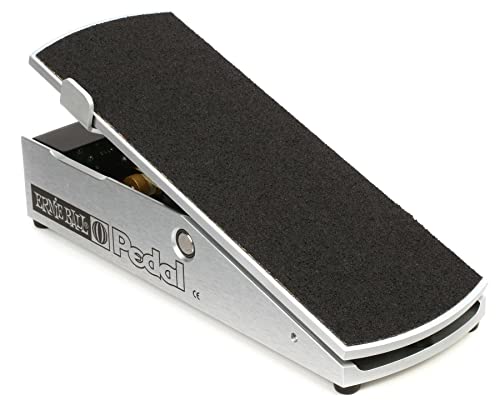
- Controls both volume and panning
- Stereo inputs and outputs
- Works with active or passive signals
Best For: Stereo players who want volume and pan control in one pedal
Best for Easy Setup
FV-50L Low Impedance Volume Pedal

- Stereo input/output for line-level rigs
- Adjustable minimum volume setting
- Includes tuner-out cable
Best For: Keyboard and stereo effects players needing flexible volume control
Compact Passive Utility
SONICAKE Vexpress Mini Volume/EXP Pedal
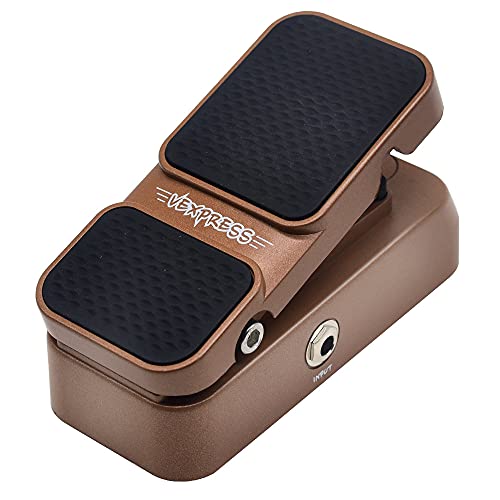
- Passive volume and expression in one pedal
- No power supply or battery needed
- Compact size for portable setups
Best For: Travel-friendly players who need a small dual-purpose pedal
Compact Pedalboard Stereo
BOSS FV-30L Compact Low-Impedance Pedal

- Stereo input/output for low-impedance gear
- Compact pedalboard-friendly footprint
- Rugged die-cast aluminum body
Best For: Pedalboard setups needing a durable, space-saving stereo volume pedal
Premium Stereo Control
Korg XVP20 Stereo Volume and Expression Pedal

- Stereo inputs and outputs
- Minimum volume control
- Expression output with metal build
Best For: Keyboard players and multi-function rigs needing stereo control
Active Stage Pick

- Powered by 9V DC
- Stereo 1/4-inch audio connectivity
- Analog signal path
Best For: Bass players and powered pedalboards
Passive Value Choice
Volume & Expression Pedal with Mute Function

- No power required
- Mute-on-press function
- Non-slip, heavy-duty chassis
Best For: Players wanting a power-free stereo pedal with mute control
Studio-Ready Control – BOSS FV-500L Low-Impedance Volume Pedal
If you need a dependable stereo volume pedal for keyboards or other electronic instruments, the BOSS FV-500L is built for straightforward low-impedance control. Its heavy-duty aluminum die-casting body is aimed at regular use, while the built-in expression pedal function adds extra flexibility in a live or studio setup.
Best For: Keyboard players and electronic instrument users who want a rugged low-impedance pedal with expression capability.
Pros:
- Low-impedance design for electronic instruments
- Heavy-duty aluminum die-casting body for durability
- Built-in expression pedal function adds versatility
- Rubber pedal surface supports comfortable, non-slip play
Cons:
- Designed specifically for low-impedance use
- Larger footprint may take up more pedalboard space
Overall, the FV-500L is a practical pick if you want a tough, no-nonsense pedal for controlled volume work and expression duties. It focuses on durability and compatibility with electronic instrument setups rather than extra features.
Flexible Modern Rig Pick – Walrus Audio Canvas Volume Pedal
The Walrus Audio Canvas Volume Pedal is a strong fit if you want a stereo volume pedal that can adapt to different signal paths. Its precision position sensor and analog VCAs are designed for smooth, musical volume changes, and the pedal supports mono setups, stereo boards, or dual outputs from a single input.
Best For: Players who want a flexible volume pedal that can work in mono, stereo, or dual-output rigs.
Pros:
- Precision position sensor for smooth pedal tracking
- High-quality analog VCAs for musical volume changes
- Supports mono, stereo, and dual-output workflows
- Hidden control interface helps keep settings protected
Cons:
- Control interface placement may take a moment to learn
- Focuses on volume control rather than extra onboard features
For players building a flexible rig, the Canvas Volume stands out for its routing adaptability and clean control feel. It is especially appealing if you want one pedal that can slot into different setups without much hassle.
Stereo Keyboard Control – BOSS FV-50L Stereo Volume Pedal
The BOSS FV-50L is built for direct control of stereo keyboards and stereo effects units, making it a classic option among stereo volume pedals. It also includes a minimum volume knob, so you can set a floor level that matches your playing style and stage needs.
Best For: Players using stereo keyboards or stereo effects units who want simple volume control with a minimum level setting.
Pros:
- Low-impedance design for stereo keyboards and stereo effects units
- Minimum volume knob lets you set your preferred floor level
- Tuner Out jack supports quick tuning on stage
- Simple, familiar control layout
Cons:
- Built around basic volume control rather than advanced routing
- Low-impedance use may not suit every signal chain
This is a straightforward choice if your priority is reliable stereo volume control without extra complexity. The FV-50L keeps the focus on practical stage use and easy setup.
Stereo Pan Specialist – Ernie Ball 500K Stereo Volume/Pan Pedal
If you want a stereo volume pedal that also handles panning, the Ernie Ball 500K Stereo Volume/Pan Pedal is built for both tasks. It offers stereo inputs and outputs and is designed for use with either active or passive signals, giving it broad usefulness in stereo rigs.
Best For: Players who want both volume control and stereo panning in one pedal.
Pros:
- Controls both volume and panning
- Stereo inputs and outputs for stereo setups
- Works with active or passive signal chains
- Includes quick disconnect wiring harness and Kevlar cable
Cons:
- Heavier than simpler volume pedals
- More specialized than a basic volume-only design
For stereo players who want more than simple volume swells, this pedal offers a practical pan function along with standard level control. It is a focused tool for rigs where stereo movement matters.
Best for Easy Setup – FV-50L Low Impedance Volume Pedal
FV-50L Low Impedance Volume Pedal, Direct Control of Stereo Keyboards and Stereo Effects
Check Price On AmazonIf you need one of the more practical stereo volume pedals for keyboards or stereo effects, the FV-50L is built around direct control of high-impedance line signals. Its stereo input and output layout, plus the included tuner-out cable, make it a straightforward choice for live rigs where routing flexibility matters.
Best For: Keyboard players and effects users who want stereo volume control with flexible connections.
Pros:
- Stereo input and output support with 2 IN and 2 OUT
- Tuner output makes it easy to connect a tuner
- Minimum volume can be adjusted to your preference
- Works with stereo keyboards and stereo effects
Cons:
- Not a compact mini pedal
- Corded electric power may be less convenient for some setups
The FV-50L is a solid fit if you want simple stereo handling and a bit of control over your minimum level. It focuses on routing and usability rather than extra features, which is exactly what many stage setups need.
Compact Passive Utility – SONICAKE Vexpress Mini Volume/EXP Pedal
The SONICAKE Vexpress is a practical pick if you want stereo volume pedals in a compact, travel-friendly format, even though it is really designed as a passive volume and expression pedal in one. It works with guitar, bass, keyboard, synth, workstation, and controller setups, and it does so without a battery or power supply.
Best For: Players who want a small passive pedal that can handle either volume or expression duties.
Pros:
- Two functions in one pedal: volume and expression control
- Automatic function detection for volume or EXP use
- No battery or pedal power supply required
- Very compact and lightweight for easy transport
Cons:
- Requires a TRS cable for proper gradual volume control
- Mini size may feel less substantial than full-size pedals
If space is tight, the Vexpress offers a simple way to add passive control without extra power needs. It is best viewed as a compact utility pedal for multi-instrument use rather than a dedicated full-size stereo solution.
Compact Pedalboard Stereo – BOSS FV-30L Compact Low-Impedance Pedal
Among stereo volume pedals, the BOSS FV-30L stands out for players who want a compact pedalboard footprint without giving up stereo input and output. It is designed for low-impedance gear such as stompboxes, keyboards, and other digital instruments, with a smooth pivot and rugged build for regular gig use.
Best For: Pedalboard users who want a durable compact stereo volume pedal for low-impedance gear.
Pros:
- Stereo input and output on the FV-30L version
- Compact design saves space on a pedalboard
- Rugged aluminum die-cast body
- Smooth pivot for precise control
Cons:
- Low-impedance version only, so it is not for direct high-impedance guitar use
- Does not include a tuner out jack on this model
The FV-30L is a strong option if you value reliability and a smaller footprint more than extra features. It keeps the focus on dependable stereo volume control and stage-ready durability.
Premium Stereo Control – Korg XVP20 Stereo Volume and Expression Pedal
The Korg XVP20 is a stereo volume pedal built for players who want hands-on level control plus expression capability in one solid unit. With stereo inputs and outputs, a minimum volume control, and a dedicated expression output, it fits keyboards and other rigs where precise, repeatable control matters.
Best For: Keyboard players and multi-function setups that need stereo volume control and expression output in a rugged pedal.
Pros:
- Stereo inputs and outputs for more complex signal paths
- Minimum volume control helps set a usable floor level
- Expression output adds extra flexibility for supported gear
- Solid metal construction with improved resistance and gearing
Cons:
- Designed around keyboard use rather than guitar-specific features
- Heavier than compact passive pedals at 1.3 kg
The XVP20 stands out if you need a more robust stereo volume pedal with expression control in the same package. Its metal build and adjustment features make it a practical choice for players who value durability and fine control over a minimalist design.
Active Stage Pick – Active Stereo Volume Pedal
This active stereo volume pedal is aimed at players who want powered operation and a straightforward analog signal path. It uses 9V DC power, stereo 1/4-inch audio connectivity, and a bass-oriented style, making it a practical option for rigs that already include power on the board.
Best For: Bass players or powered pedalboard setups looking for an active stereo volume pedal with simple analog operation.
Pros:
- Active design powered by a 9V DC supply
- Stereo 1/4-inch audio connectivity
- Analog signal format for straightforward use
- Compact pedal control approach for stage setups
Cons:
- Requires external power, so it is not plug-and-play passive
- Limited supplied details on extra controls or build features
As a powered stereo volume pedal, this model suits players who do not mind running DC power for consistent active operation. It is a simple fit for bass-focused or board-based rigs where analog stereo connectivity is the main requirement.
Passive Value Choice – Volume & Expression Pedal with Mute Function
This passive stereo volume pedal is built for players who want volume or expression control without adding power requirements. It includes a mute-on-press function, a non-slip tread, and a heavy-duty chassis, making it a practical option for guitar, bass, keyboard, synth, and multi-effects setups.
Best For: Players who want a no-power stereo pedal with mute functionality for flexible live or studio use.
Pros:
- No batteries or power supply required
- Mute-on-press function for silent transitions
- Non-slip tread and heavy-duty chassis for stage use
- Compatible with a wide range of instruments and effects gear
Cons:
- Mono input and stereo output may not suit every setup
- Fewer advanced control details than some higher-end pedals
For players building a simple, power-free rig, this pedal covers the core needs of stereo volume control plus mute functionality. Its broad compatibility and durable design make it especially appealing for live performers who want practical control without extra setup.
How We Picked These Stereo Volume Pedals
We focused on pedals that make sense for real-world stereo use: clean level control, durable construction, practical size, and compatibility with common keyboards, multi-effects units, and pedalboard rigs. We also considered whether a pedal includes expression capability, how much room it takes up, and whether it is passive or active.
Quick Comparison
Before you choose, think about where the pedal will live in your setup. Compact models are better for crowded boards, while heavier full-size designs often feel more stable underfoot. If you switch between volume control and expression duties, a combo pedal can save space. For studio-style keyboard rigs or stereo effects chains, smooth sweep and low noise matter more than flashy extras.
Key Buying Factors for Stereo Volume Pedals
Impedance and Signal Matching
Match the pedal to your source and destination. Low-impedance models are often a better fit for keyboards, stereo effects, and buffered signal paths, while some rigs benefit from active circuitry for stronger control and better consistency.
Passive Vs. Active Design
Passive pedals are simple and do not need power, which makes them convenient. Active Stereo Volume Pedals can offer more flexibility and sometimes a more controlled taper, but they may add complexity and require power.
Taper, Sweep, and Mute Function
A good volume pedal should move smoothly from silent to full level without sudden jumps. A reliable mute heel position is especially useful on stage for quick silence between parts.
Build Quality and Footprint
Metal construction, treadle resistance, and non-slip bases all help a pedal feel dependable. If your board is tight, compact stereo pedals are worth a close look; if stability matters most, a larger chassis may be the better choice.
Who Should Buy Which Stereo Volume Pedals?
Keyboard players and stereo effects users should prioritize low-impedance compatibility and smooth sweep. Gigging guitarists who need a rugged, space-conscious option may prefer a compact pedalboard-friendly design. If you want volume plus expression in one unit, a combo model is the most practical choice. For players who want straightforward control with no power requirements, a passive stereo pedal is usually the simplest route.
In the end, the best Stereo Volume Pedals are the ones that match your signal chain, your playing style, and the space you actually have on the floor.