Finding the right volume pedal with a tuner output can make live tuning faster, cleaner, and more discreet. The best models let you mute the main signal while sending a consistent feed to your tuner.
In this roundup, we focus on practical options for passive and active rigs, pedalboard-friendly sizes, and features that matter most on stage and in the studio.
Best 10 Volume Pedals with Tuner Output Picks for 2026
2-in-1 Volume/Tuner Pedal
Ernie Ball VP JR Tuner Pedal, Black

- Combines volume control with a digital tuner
- Heel-down position automatically enters tuner mode
- Touchscreen can show volume only or tuning only
Best For: Guitarists or bassists wanting an all-in-one pedalboard solution
Mini Passive Volume/Expression
SONICAKE Vexpress Mini Volume/EXP Pedal
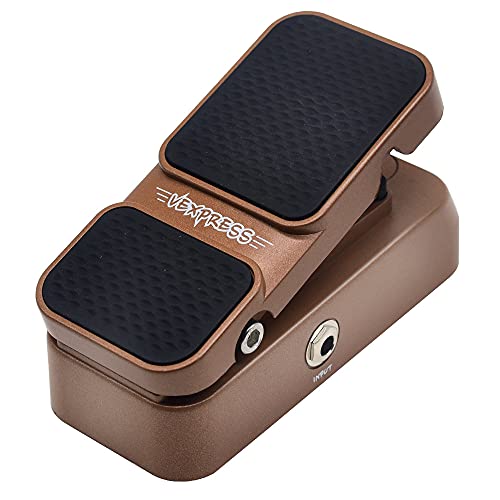
- Passive 2-in-1 volume and expression control
- Automatically detects volume or EXP mode
- No battery or power supply required
Best For: Compact setups needing lightweight passive control
High-Impedance Pedal with Tuner Out
Boss FV-50H Volume Pedal with Tuner Out

- Dedicated tuner out jack for fast stage tuning
- High-impedance design for use before effects units
- Minimum volume knob sets your lowest level
Best For: Guitarists needing a simple tuner-out volume pedal
Passive Signal Volume Pedal
Ernie Ball VP JR 250K Passive Volume Pedal

- Junior size fits pedalboards better
- Mono volume control for passive signals
- Taper switch offers two swell rates
Best For: Players wanting a compact passive volume pedal
Multi-Use Pedal Board Tool
Hotone Tuner Press Tuner/Volume/Expression Pedal

- Tuner, volume, and expression in one unit
- Switchable buffer and Hi/Low impedance switch
- Includes expression out jack and power adapter
Best For: Players who want a compact all-in-one pedal for tuning, volume, and expression control
Active-Signal Favorite
Ernie Ball VP JR 25K Volume Pedal, For Active Signals

- Built for active pickup signals
- Includes tuner output
- Compact design with included cable and spring
Best For: Active-pickup players needing a compact volume pedal with tuner routing
Transparent Control Choice

- Magnetically controlled Blackmer VCA
- Neutral/transparent sound profile
- Suitable for guitar, bass, and keyboard
Best For: Players who want a transparent volume pedal for multiple instruments
Mini Board Volume Control

- Compact footprint for tight pedalboards
- Aux jack switches to tuner or expression mode
- Adjustable torque and internal setup controls
Best For: Compact boards that need selectable tuner-output flexibility
Bundle With Tuner Ready Extras
Dunlop DVP3 Volume (X) Pedal Bundle

- Includes pedal, tuner, and 2 patch cables
- Adjustable rocker tension
- Controls volume and FX parameters
Best For: Players who want a bundled volume pedal and tuner package
2-in-1 Volume/Tuner Pedal – Ernie Ball VP JR Tuner Pedal, Black
If you want volume pedals with tuner output that also save pedalboard space, the Ernie Ball VP JR Tuner Pedal is built around that exact idea. It works as a traditional volume pedal, and when the heel is down the display automatically switches to tuner mode for quick, accurate tuning.
Best For: Guitarists or bassists who want a combined volume and tuner solution in one rugged pedal.
Pros:
- 2-in-1 design combines a volume pedal with an enhanced definition digital tuner
- Heel-down position automatically enters tuner mode
- Touchscreen display can be set to volume only or tuning only
- Rugged construction and time-tested Ernie Ball performance
Cons:
- Pedal only style means no extra accessories are included
- Requires corded electric power
This is a practical choice if you want a familiar VP JR feel without giving up onboard tuning. It is especially appealing for players who value a clear display and a simpler pedalboard layout.
Mini Passive Volume/Expression – SONICAKE Vexpress Mini Volume/EXP Pedal
The SONICAKE Vexpress is a compact option for players looking at volume pedals with tuner output alternatives in a very small footprint, though this model is really a passive volume and expression pedal rather than a tuner pedal. It automatically detects whether you are using it for volume or expression control, and it works without battery or pedal power.
Best For: Players who need a lightweight mini pedal for passive volume or expression control on a tight board.
Pros:
- 2-in-1 passive volume and expression control
- Automatically detects volume or EXP functionality
- Works with guitar, bass, keyboard, synths, and other controllers
- No battery or pedal power supply required
Cons:
- Not a tuner pedal
- Needs a TRS cable for proper control
If you need a compact utility pedal and not an onboard tuner, this is a flexible low-maintenance option. Its tiny size and no-power design make it easy to add to crowded setups.
High-Impedance Pedal with Tuner Out – Boss FV-50H Volume Pedal with Tuner Out
For players comparing volume pedals with tuner output, the Boss FV-50H is a straightforward high-impedance option with a dedicated tuner out jack for quick stage tuning. It is designed for placement before guitar effects units and includes a minimum volume knob so you can set how far the signal drops.
Best For: Guitarists who want a simple high-impedance volume pedal with an easy tuner out jack.
Pros:
- Convenient tuner out jack for speedy tuning on stage
- High-impedance design for use before guitar effects units
- Minimum volume knob lets you set the lowest volume level
- Compact pedal format
Cons:
- Volume-only design, not a built-in tuner pedal
- Intended for high-impedance connections only
This is a practical pick if you want a classic volume pedal layout and simply need a tuner output on the side. It keeps the design focused and stage-friendly without adding extra features.
Passive Signal Volume Pedal – Ernie Ball VP JR 250K Passive Volume Pedal
The Ernie Ball VP JR 250K is a compact volume pedal for passive signals, making it a solid choice when you want a board-friendly footprint without extra features. It does not include tuner output, so it is best considered a straightforward volume solution rather than one of the volume pedals with tuner output.
Best For: Players who need a compact passive-signal volume pedal with a simple control layout.
Pros:
- Junior size fits pedalboards better
- Mono volume control for passive signals
- Taper switch offers two swell rates
Cons:
- No tuner out jack
- Designed for passive signals only
If your priority is a reliable passive volume pedal and not tuner integration, this model stays focused on the basics. Its smaller footprint and swell-rate switch make it appealing for players who want simple control in a compact form.
Multi-Use Pedal Board Tool – Hotone Tuner Press Tuner/Volume/Expression Pedal
Hotone Tuner Press SP-30T Volume/Expression Pedal with Built-In Strobe Tuner and Switchable Buffer
Check Price On AmazonIf you want volume pedals with tuner output versatility in one compact unit, the Hotone Tuner Press is built for players who need tuning, volume, and expression control from a single pedal. It also includes a switchable buffer and a Hi/Low impedance switch, which makes it a practical fit for pedalboards that need flexible signal handling.
Best For: Guitarists who want a single pedal that can handle tuning, volume, and expression duties on a compact board.
Pros:
- Tuner/volume/expression functionality in one pedal
- Switchable buffer for added signal flexibility
- Hi/Low impedance switch included
- Expression out jack for extra control options
Cons:
- Not a dedicated volume-only pedal
- Requires corded electric power
This is a strong utility choice if you value consolidation and onboard flexibility more than a single-purpose design. The compact footprint and included power adapter make it easier to integrate into a practical stage or practice setup.
Active-Signal Favorite – Ernie Ball VP JR 25K Volume Pedal, For Active Signals
The Ernie Ball VP JR 25K is a straightforward pick among volume pedals with tuner output when you want a compact pedal designed for active signals. Its 25K VPJR potentiometer is intended for active pickup signals, and the tuner output adds a handy routing option for pedalboards that need quick access to a tuner.
Best For: Players using active pickups who want a compact volume pedal with tuner output.
Pros:
- Designed for active pickup signals
- Tuner output included
- Compact VP JR design
- Includes Vectran cable and stainless steel spring
Cons:
- Built specifically for active signals, so it is not the broadest-match option
- 6-month warranty is shorter than some alternatives
If your rig is built around active pickups, this model keeps the setup simple without adding extra size. It is a focused volume pedal choice with the tuner routing feature many players want on a working board.
Transparent Control Choice – Lehle Mono Volume Pedal S
The Lehle Mono Volume Pedal S is a premium-style option for players comparing volume pedals with tuner output alternatives and wanting a transparent response. It uses a magnetically controlled Blackmer VCA and is described as neutral/transparent, which makes it a practical fit for guitar, bass, or keyboard setups where you want volume control without obvious coloration.
Best For: Guitar, bass, or keyboard players who want a transparent-feeling volume pedal with a clean signal approach.
Pros:
- Magnetically controlled Blackmer VCA design
- Neutral/transparent sound profile
- Works with guitar, bass, and keyboard
- Includes DC power supply
Cons:
- No tuner output is listed in the supplied details
- Requires DC power supply
This pedal stands out for control and transparency rather than extra routing features. If your priority is a clean-feeling volume pedal for multiple instruments, it is a refined option worth considering.
Mini Board Volume Control – Volume (X) Mini Pedal
If you want volume pedals with tuner output support in a compact format, the Volume (X) Mini Pedal is built for small boards without giving up control. It offers smooth swells, adjustable rocker torque, and internal settings for heel/toe polarity and minimum heel-down FX level, while the Aux jack can be switched to tuner or expression modes depending on your setup.
Best For: Players who need a compact pedalboard-friendly volume pedal with selectable tuner or expression output.
Pros:
- Mini footprint saves space on travel or compact boards.
- Aux jack can be switched between tuner and expression modes.
- Internal controls let you fine-tune polarity and heel-down response.
- Rugged tread and low-friction band-drive are designed for smooth, durable use.
Cons:
- Tuner/expression routing requires an internal switch.
- No power required, but that also means no active features beyond passive operation.
This is a practical choice if your priority is space efficiency and straightforward control. The adjustable hardware and selectable Aux function make it flexible, but the internal configuration means it suits players comfortable setting up their pedal once and leaving it in place.
Bundle With Tuner Ready Extras – Dunlop DVP3 Volume (X) Pedal Bundle
Briskdrop Dunlop DVP3 Volume (X) Pedal Bundle with 2 Patch Cables and Tuner DVP3tunerbundle 0
Check Price On AmazonFor buyers comparing volume pedals with tuner output options, this DVP3 bundle is the most straightforward package in the group because it includes the pedal, two patch cables, and a tuner. The pedal itself is described as controlling volume and FX parameters, with fully adjustable rocker tension and Dunlop’s Low Friction Band-Drive for durability, so it suits players who want a ready-to-use setup.
Best For: Guitarists who want a pedalboard-ready volume pedal bundle that already includes a tuner.
Pros:
- Bundle includes 2 patch cables and a tuner.
- Controls both volume and FX parameters.
- Fully adjustable rocker tension for a custom feel.
- Pedalboard-friendly housing and durable band-drive design.
Cons:
- The notes do not specify a dedicated tuner output jack on the pedal itself.
- Bundle details are more focused on included accessories than technical routing options.
This package makes sense if you want convenience and don’t want to source the extra pieces separately. It is less explicit than the mini pedal about tuner-output switching, but the included tuner can still simplify a board build.
Simple Attenuation With True Bypass – Guitar Volume Effect Pedal
If you’re shopping for volume pedals with tuner output features, this attenuator is the most basic option here and focuses on simple volume reduction rather than advanced routing. It uses a single knob to adjust attenuation, includes true bypass, and is built from all-metal material with a low-impedance output, making it a straightforward utility pedal for clean level control.
Best For: Players who want a simple metal volume attenuator with true bypass and basic knob control.
Pros:
- Single knob makes attenuation easy to adjust.
- True bypass helps preserve signal integrity when not engaged.
- All-metal shell is built for friction and impact resistance.
- Low-impedance output is noted for stable operation.
Cons:
- No supplied notes mention a tuner output or tuner-compatible jack.
- Feature set is basic compared with more adjustable volume pedals.
This is best viewed as a no-frills volume control tool rather than a feature-rich pedalboard hub. If tuner routing is a must-have, the supplied information does not confirm it here, so it’s the least specialized fit for that specific need.
How We Picked the Best Volume Pedals with Tuner Output
We looked for Volume Pedals with Tuner Output that balance reliability, sound quality, and real-world usability. Priority went to models with dependable jacks, smooth sweep response, and compatibility with common guitar and bass rigs. We also considered size, impedance matching, and whether the pedal works better for passive or active instruments.
Quick Comparison
At a glance, the main differences come down to signal type and layout. Some pedals are designed for passive pickups and higher-impedance paths, while others are better suited to active pickups or buffered systems. Compact minis save board space, while larger treadle-style pedals often offer finer control and a more familiar feel.
Key Buying Factors for Volume Pedals with Tuner Output
Signal Type and Impedance
Match the pedal to your instrument and signal chain. Passive guitars typically benefit from high-impedance designs, while active pickups and some buffered setups often pair better with lower-impedance or active-friendly models. The wrong match can lead to tone loss or an uneven volume taper.
Tuner Output Behavior
Not every tuner out works the same way. Some outputs are always on, while others are designed for silent tuning when the pedal is heel-down or muted. If quiet tuning is important, confirm how the tuner out behaves before buying.
Bypass, Buffering, and Tone
If your board already includes buffers, a simpler pedal may be enough. If not, a well-designed volume pedal can help preserve high end and keep the response consistent across long cable runs. This matters even more in larger pedalboards.
Size, Feel, and Control
Consider the pedal’s footprint and sweep tension. A mini model may fit cramped boards, but a full-size treadle can offer more precise swells and easier foot control. The best choice depends on how often you use swells versus simple level changes.
Who Should Buy Which Volume Pedals with Tuner Output?
Gigging players who need fast mute-and-tune convenience should prioritize dependable Volume Pedals with Tuner Output and clear signal routing. Passive guitar users should lean toward high-impedance models, while active instrument players may want a pedal built specifically for active signals. If space is tight, compact units can be the smartest fit; if feel and fine control matter most, full-size pedals are usually worth the extra room.
For most buyers, the safest approach is to match the pedal to the instrument first, then compare tuner-out behavior, footprint, and sweep feel. That keeps the shortlist focused on pedals that will actually work well on your board.