If you want heavier riffs, more sustain, and tighter low-end response, the right pedal makes a huge difference. The best high gain distortion pedals can take you from gritty rock drive to modern metal saturation without losing clarity.
This roundup focuses on pedals that deliver usable gain, practical EQ control, and enough range to work with different amps, pickups, and playing styles.
Best 10 High Gain Distortion Pedals Picks for 2026
Classic Benchmark Distortion

- Hard-edged attack with smooth sustain
- Wide tone control range for flexible shaping
- Can double as a booster at lower settings
Best For: Guitarists who want a classic, clear distortion that cleans up well
Rugged Rock Distortion

- Great for arena rock rhythm and soaring leads
- Holds the sweet spot between clean and warm drive
- Can add extra kick as a solo boost
Best For: Rock players wanting a versatile main distortion and boost
Heavy Metal Saturation

- Dual-stage gain for thick, tight distortion
- Massive sound at any volume level
- Built for metal rhythms and singing leads
Best For: Metal guitarists who want iconic saturated high gain
Modern Voiced Metal Drive

- Three voicings: Dark, Bright, and Off
- 3-band EQ for precise tone shaping
- True bypass with modern metal focus
Best For: Modern metal players who want flexible voicing and EQ control
Mini Metal High-Gain Pick
HOLY WAR 3-Mode Heavy Metal Distortion
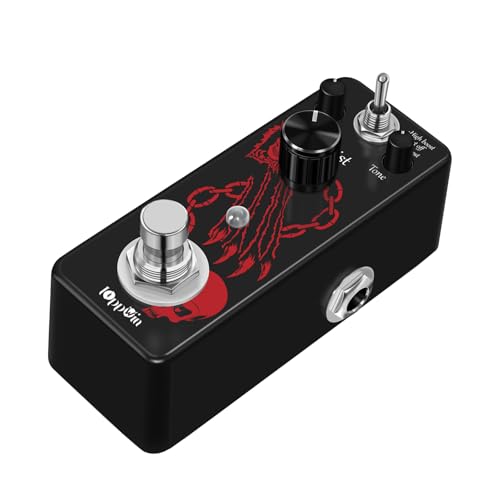
- 3-mode Lo/Hi Boost plus bypass
- Mini metal casing saves pedalboard space
- True bypass and low 20mA power draw
Best For: compact, road-ready metal tones with simple gain switching
Analog Fuzz-Distortion Hybrid
JOYO SPLINTER JF-21 Analog Distortion
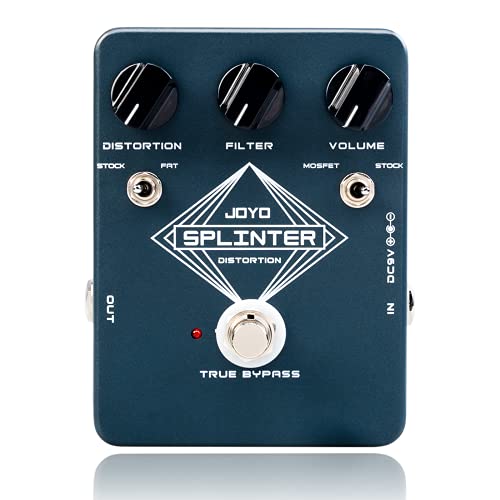
- All-analog fuzz and distortion hybrid
- FAT and MOSFET toggles change voicing
- Socketed op-amp invites customization
Best For: players who want gritty analog gain with extra voicing options
Compact 80s Metal Distortion
Donner Morpher Mini 3-Mode Distortion

- Three modes: natural, tight, classic crunch
- High-gain voicing for hair and glam metal
- True bypass and aluminum-alloy build
Best For: compact 80s-style hard rock and metal tones
Extreme Metal Pick
JOYO JF-17 High-Gain Metal Distortion
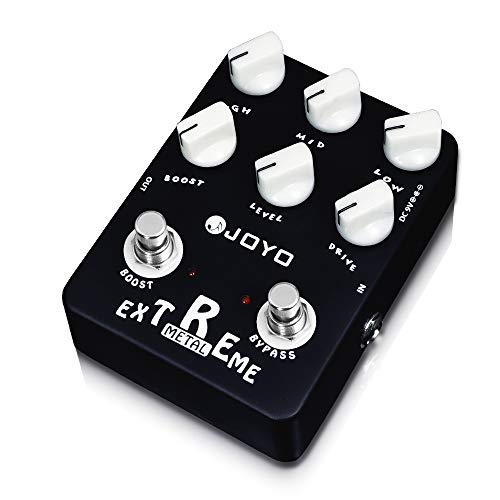
- Sweepable mid-frequency EQ for precise tone shaping
- Boost switch adds saturation and solo volume
- Tight low end suits palm-muted metal riffs
Best For: Metal players who want aggressive gain with detailed EQ control
Classic-to-Heavy Gain
JOYO JF-04 High Gain Distortion

- Covers classic rock crunch through heavy metal gain
- Analog circuit responds well to picking dynamics
- Treble and mid controls keep tone shaping simple
Best For: Players who want one distortion pedal for multiple gain styles
Inferno Mode Drive
EX Inferno Death Metal Mini Pedal

- Three modes: Raw, Brutal, and Inferno
- Simple Level, Tone, and Distortion controls
- Compact true-bypass metal build
Best For: Metal and hard rock players needing a compact high-gain pedal
Classic Benchmark Distortion – BOSS DS-1 Distortion
BOSS DS-1 Distortion Compact Distortion Pedal | Delivering hard-edged attack and smooth sustain
Check Price On AmazonIf you want one of the most recognizable high gain distortion pedals, the BOSS DS-1 is a straightforward place to start. It delivers hard-edged attack, smooth sustain, and a wide tone range that can move from heavy rhythm sounds to a useful low-gain boost.
Best For: Players who want a classic distortion sound that stays clear and responds well to guitar volume changes.
Pros:
- Hard-edged attack stays clear even at maximum distortion settings
- Unique tone control offers a wide range of sound shaping
- Can work as a booster at lower distortion settings
- Preserves the character of different guitars, pickups, and styles
Cons:
- Not the most specialized choice for modern metal voicings
- Players looking for deep EQ sculpting may want more controls
The DS-1 remains a practical, proven option if you need a distortion pedal that is easy to dial in and still versatile enough for riffs, leads, and cleanup from the guitar volume knob. Its long track record is part of the appeal.
Rugged Rock Distortion – Pro Co RAT2 Distortion Pedal
The Pro Co RAT2 is a strong pick if you want high gain distortion pedals that can cover arena rock rhythm tones and soaring leads. It also sits in the sweet spot between sparkling clean and warm overdrive, making it useful as both a main dirt sound and a solo boost.
Best For: Players who want a versatile distortion that can handle primary rhythm work and lead boosts.
Pros:
- Excels at arena rock rhythm tones and soaring leads
- Nails the transition from clean to warm overdrive
- Works well as a solo boost for extra kick
Cons:
- Single-purpose layout may feel less flexible than multi-mode pedals
- Not aimed specifically at modern metal voicing options
The RAT2 is a reliable distortion choice when you want one pedal to cover core rock tones without a complicated control set. It is especially appealing if you value a familiar, amp-like response that can be pushed harder for leads.
Heavy Metal Saturation – Boss MT-2 Metal Zone
If your search is centered on high gain distortion pedals for metal, the Boss MT-2 Metal Zone is built for thick, tight saturation and smooth sustain. Its dual-stage gain circuit is designed to deliver massive sounds at any volume level, with a voice that fits heavy rhythms and soaring solos.
Best For: Metal players who want a saturated, high-gain pedal with a thick and tight character.
Pros:
- Dual-stage gain circuit produces thick, tight distortion
- Easy to achieve massive sounds at any volume level
- Suited for metal, heavy rhythms, and soaring solos
- Offers smooth, singing sustain
Cons:
- Voice is strongly aimed at metal-style tones
- Higher current draw than some simpler distortion pedals
The MT-2 is the most specialized option here for players chasing an iconic high-gain metal sound. If you want a pedal that leans into saturation and sustain rather than classic breakup, this one is squarely in that lane.
Modern Voiced Metal Drive – JOYO Dark Flame R-17
The JOYO Dark Flame R-17 is aimed squarely at modern high gain distortion pedals, with three voicings and a full 3-band EQ for detailed tone shaping. It is designed for tight, percussive metal styles, but the selectable modes also make it adaptable if you need different gain textures for riffs or leads.
Best For: Modern metal players who want flexible voicing options and precise EQ control.
Pros:
- Three selectable voicings: Dark, Bright, and Off
- 3-band EQ makes tone sculpting precise and practical
- Works well for modern metal, djent, hardcore, and similar styles
- True bypass helps preserve your clean tone when disengaged
Cons:
- Requires a 9V DC adapter, which is not included
- Best results call for a clean, regulated isolated power supply
The Dark Flame stands out for players who want more control than a basic distortion pedal can offer. Its voicing switch and EQ give you room to tailor the response to different amps, guitars, and heavier playing styles.
Mini Metal High-Gain Pick – HOLY WAR 3-Mode Heavy Metal Distortion
If you want high gain distortion pedals with a compact footprint, the HOLY WAR Heavy Metal Distortion Pedal is built for aggressive tones without taking up much pedalboard space. Its 3-mode setup lets you switch between Lo Boost, Hi Boost, or bypass, while the true bypass design helps keep your dry signal intact when the pedal is off.
Best For: Players who want a small, road-ready metal distortion pedal with switchable gain levels.
Pros:
- 3-mode switching gives you Lo Boost, Hi Boost, or bypass for flexible tone shaping.
- Mini metal casing is durable and easy to fit on crowded boards.
- True bypass helps preserve your guitar’s natural tone when disengaged.
- Low 20mA draw and 9V operation make it straightforward to power.
Cons:
- Power adapter is not included.
- Voicing is geared toward heavy distortion and scooped mids, so it is less versatile than some all-purpose drive pedals.
This is a practical choice if your priority is tight packaging and a heavy metal voice with simple mode switching. It focuses on durability and straightforward operation rather than deep tonal complexity.
Analog Fuzz-Distortion Hybrid – JOYO SPLINTER JF-21 Analog Distortion
For players comparing high gain distortion pedals, the JOYO SPLINTER stands out as an all-analog option that blends distortion and fuzz into one aggressive voice. The FAT and MOSFET toggles add useful voicing changes, while the three-knob layout keeps it easy to dial in anything from edge-of-breakup grit to fuller, more saturated drive.
Best For: Guitarists who want an analog distortion pedal with fuzz-like textures and flexible voicing switches.
Pros:
- All-analog design delivers a thick distortion and fuzz hybrid character.
- FAT and MOSFET toggles provide two distinct voicings for different gain flavors.
- Simple DISTORTION, FILTER, and VOLUME controls make dialing tones fast.
- Socketed op-amp design allows chip swapping for further customization.
Cons:
- Warranty is void if you open the pedal to swap op-amps.
- Power adapter and battery are not included.
The SPLINTER is a strong pick if you want a pedal that can move between tight crunch, thicker riff tones, and fuzzier gain textures. Its flexibility comes from voicing switches and analog response rather than complex controls.
Compact 80s Metal Distortion – Donner Morpher Mini 3-Mode Distortion
If you’re shopping high gain distortion pedals for classic hard-rock punch, the Donner Morpher Mini Distortion is voiced for tight, high-gain sounds with three selectable modes. Its natural, tight, and classic crunch settings make it easy to cover riffing and shredding styles, and the true bypass design helps keep the signal transparent when the pedal is off.
Best For: Players after a compact high-gain pedal for hair metal, glam metal, and 80s-style crunch.
Pros:
- Three distortion modes expand playability and cover different gain textures.
- High-gain voicing is suited to hair metal, glam metal, and pop metal.
- Aluminum-alloy construction adds durability in a mini format.
- True bypass helps avoid signal loss and unwanted noise when disengaged.
Cons:
- Power supply is not included.
- Requires a 9V DC center-negative adapter with at least 500mA current.
This pedal is a straightforward option for players who want a compact, high-definition distortion sound with a strong classic-rock and metal tilt. The three modes give it enough range for riffs and lead work without complicating the layout.
Extreme Metal Pick – JOYO JF-17 High-Gain Metal Distortion
If you’re shopping for high gain distortion pedals that can do tight modern metal without losing note clarity, the JOYO Extreme Metal is built around that job. Its sweepable mid-frequency control and 3-band EQ make it easy to shape aggressive rhythm tones, while the boost adds extra saturation and volume for leads.
Best For: Players who want a compact, budget-friendly metal pedal with detailed EQ control for rhythm and lead work.
Pros:
- Sweepable mid-frequency control helps you dial in the exact midrange character.
- 3-band EQ plus boost gives you broad tone-shaping and lead lift.
- Tight low end keeps palm-muted riffs crisp, even in lower tunings.
- Rugged aluminum alloy housing is made for heavy pedalboard use.
Cons:
- Extreme settings may benefit from a noise gate.
- Power supply is not included.
Overall, this pedal leans hard into precision metal tones rather than all-purpose distortion. If you want an affordable way to sculpt thrash, modern metal, and cutting lead sounds, it offers a lot of control for the size.
Classic-to-Heavy Gain – JOYO JF-04 High Gain Distortion
For players comparing high gain distortion pedals across a wider range of styles, the JOYO JF-04 stands out for moving from classic rock crunch to heavier metal saturation. Its analog circuit responds to picking and guitar volume changes, and the dedicated treble and mid controls make it straightforward to tune for either punchy leads or scooped rhythm tones.
Best For: Guitarists who want one analog distortion pedal that covers classic rock, bluesy crunch, and heavier modern gain.
Pros:
- Wide gain range handles everything from subtle crunch to heavy distortion.
- Treble and mid controls make tone shaping simple and effective.
- Analog circuit offers touch-sensitive response and natural compression.
- All-metal housing is built for regular gigging and pedalboard travel.
Cons:
- Only treble and mid controls are listed, so EQ options are more limited than some rivals.
- Power supply is not included.
This is a practical pick if you want one pedal to cover multiple gain levels instead of a one-note metal box. It should appeal most to players who value responsive feel and simple control over deep tweakability.
Inferno Mode Drive – EX Inferno Death Metal Mini Pedal
If you need high gain distortion pedals with an especially heavy voice, the EX Inferno is aimed squarely at metal and hard rock players. Its 3-mode toggle lets you switch between Raw, Brutal, and Inferno sounds, while the Level, Tone, and Distortion knobs give you the core controls needed to dial in tight rhythm work or screaming leads.
Best For: Metal and hard rock players who want a mini pedal with multiple heavy distortion modes and simple controls.
Pros:
- Three distortion modes offer different heavy tone options.
- Level, Tone, and Distortion knobs make setup straightforward.
- True-bypass analog circuitry helps avoid tone loss.
- Top-mounted jacks and compact die-cast build suit tight pedalboards.
Cons:
- Power adapter is not included.
- 30-day warranty is shorter than many alternatives.
This pedal is a strong fit if you want a compact, no-frills route to extreme distortion. The mode switch gives it some range, but its real strength is focused metal tone in a small footprint.
How We Picked the Best High Gain Distortion Pedals
We focused on pedals that offer strong gain on tap, reliable bypass behavior, and tone controls that help shape attack, mids, and low-end tightness. We also looked for models that cover more than one use case, since many players want one pedal that can handle rhythm, leads, and practice rigs.
Because High Gain Distortion Pedals can sound very different from one amp to another, versatility mattered as much as sheer saturation. Pedals with broader EQ sections, mode switches, or filter controls earned extra consideration.
Quick Comparison
In simple terms, some pedals here lean classic and mid-focused, while others are built for modern metal with more compression, tighter bass, and more aggressive top end. If you want a straightforward, amp-like distortion, look at simpler designs. If you need more sculpting, choose a pedal with a multi-band EQ or sweepable mids.
Key Buying Factors for High Gain Distortion Pedals
Gain Structure
Check whether the pedal sounds smooth, gritty, compressed, or razor-tight at higher settings. Some players want more sustain and saturation; others want a more open attack for palm-muted riffs.
EQ Control
A strong EQ section is one of the most important features in High Gain Distortion Pedals. Bass, mid, and treble controls help you avoid a muddy low end or a harsh top end, especially with humbuckers and high-output pickups.
Noise and Clarity
High gain naturally brings more hiss and compression. Look for pedals that keep note separation intact under heavy gain, especially if you play fast rhythm parts or complex chords.
Mode Options and Voicing
Switchable voicings can make a pedal more flexible. Boost modes, dark/bright options, or filtering controls let you adapt the sound for different guitars, amps, and genres.
Who It Fits
Classic rock and hard rock players may prefer pedals with a smoother, broader distortion character. Thrash, metal, and modern low-tuned players usually benefit from tighter, more surgical voicings with stronger EQ control.
Who Should Buy Which High Gain Distortion Pedals?
If you want the most flexible all-around choice, pick a pedal with deeper tone shaping. If you want a simple plug-and-play option, choose a classic distortion with fewer controls. If you’re chasing modern metal, prioritize tighter bass response, stronger mids control, and a pedal that stays articulate at high gain.
For most players, the best High Gain Distortion Pedals are the ones that match your amp and pickups rather than simply offering the most distortion on paper. A well-voiced pedal with practical EQ will usually outperform a harsher, less controllable model in real-world use.