If you want the feel of a cranked amp in pedal form, amp-like distortion pedals are a smart way to get there. They can add grit, punch, and amp-style character without changing your whole rig.
In this roundup, we focus on pedals that deliver convincing amp voicing, practical EQ shaping, and enough gain range for everything from edge-of-breakup textures to aggressive lead tones.
Best 10 Amp Like Distortion Pedals Picks for 2026
Classic RAT Distortion
Pro Co RAT2 versatile rock distortion

- Arena rock rhythm and lead tones
- Moves from clean edge to warm overdrive
- Works as a solo boost too
Best For: Guitarists who want a classic, no-frills distortion with broad rock use
Tube-Like Overdrive Classic
BOSS SD-1 warm stacking overdrive

- Asymmetrical clipping for tube-like warmth
- Stacks well with boost and distortion pedals
- Simple Level, Tone, and Drive controls
Best For: Players who want a classic overdrive that plays nicely with other gain pedals
Multi-Effect Amp/Cab Modeler
Flatsons KMF-1 multi-effects amp and cab unit
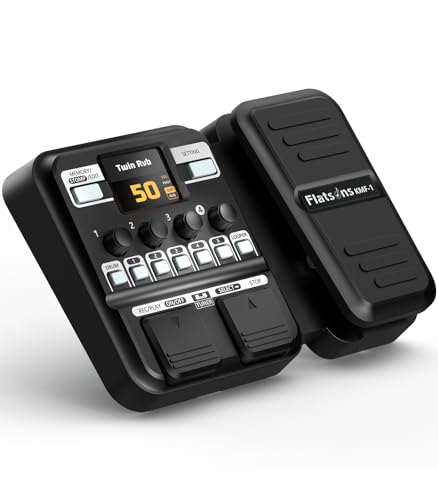
- 18 amp models and 18 cab simulators
- 77 effects with presets, tuner, and looper
- DSP modeling with editable control modes
Best For: Players who want one processor for amp tones, cab sim, and extra effects
Heavy Metal Pick
Behringer ULTRA METAL UM300 Heavy Metal Distortion
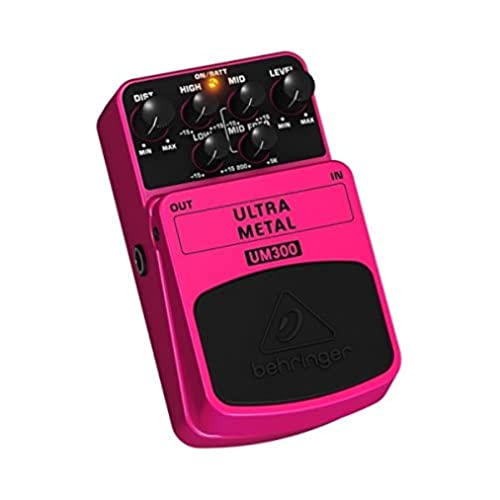
- Super-thick, tube-like high gain
- 3-band EQ for sound shaping
- Status LED for effect and battery check
Best For: Heavy rock and metal players who want aggressive distortion and sustain
Classic Benchmark

- Hard-edged attack with smooth sustain
- Wide tone control for flexible shaping
- Works well as a booster at low settings
Best For: Players who want a classic, versatile distortion with clear attack
High-Gain Versatility
JOYO UZI R-03 High-Gain Distortion

- Bias control blends American and British voicings.
- Dynamic balance helps keep volume consistent at higher gain.
- 3-band EQ shapes modern metal or classic rock tones.
Best For: Players who want a flexible high-gain pedal with both modern and British-style voices.
Mini Crunch Modes
Donner Morpher Mini Distortion

- Three modes: Natural, Tight, and Classic Crunch.
- High-gain voicing suits hair metal and riffing.
- True bypass and compact aluminum build.
Best For: Guitarists who want a small high-gain pedal with multiple distortion flavors.
Tube-Amp Style Drive

- HP mode boosts low end and high mids.
- LP mode subtly colors the original sound.
- True bypass in a durable mini metal case.
Best For: Players looking for a compact pedal for boost, light drive, and vintage-style amp tones.
American High-Gain Amp Sim – JOYO California Sound amp-style distortion pedal
If you want amp like distortion pedals that can cover heavy rock and alternative tones without relying on a mic’d cab, the JOYO California Sound is built for that job. It combines a high-gain preamp character with a built-in cab sim, so it can work well for direct recording, PA use, or as a compact backup drive on a pedalboard.
Best For: Players who want direct-to-PA high-gain amp-style tones with simple EQ shaping.
Pros:
- Recreates American high-gain rock tones with tight rhythm crunch and saturated leads.
- Built-in analog cabinet simulation supports direct recording and mixer/PA use.
- 6-knob layout gives practical control over level, drive, EQ, and voice.
- Rugged aluminum alloy housing is made for regular pedalboard use.
Cons:
- No power supply is included.
- Higher-gain settings may benefit from a regulated, isolated 9V supply.
Overall, this is a focused choice if you want a compact pedal that behaves more like an amp/preamp than a traditional stompbox distortion. It’s especially appealing for players who need usable tones straight into recording or live systems.
Classic RAT Distortion – Pro Co RAT2 versatile rock distortion
For amp like distortion pedals that sit in the sweet spot between clean amp edge and full distortion, the Pro Co RAT2 remains a strong benchmark. It’s designed for everything from arena-rock rhythm tones to soaring leads, and it can also work as a boost when you need more push for solos.
Best For: Players who want a classic, versatile distortion that can move from grit to lead sustain.
Pros:
- Excels at arena rock rhythm tones and soaring lead sounds.
- Nails the transition from sparkly clean amp tones to warm overdrive.
- Can be used as a boost for solos when extra kick is needed.
- Simple analog design keeps the focus on core distortion use.
Cons:
- More specialized than multi-effect or amp-sim style pedals.
- May be too aggressive if you only want mild breakup.
The RAT2 is a straightforward pick if you want a proven distortion pedal with a familiar rock voice and flexible gain behavior. It fits especially well for players who want one pedal that can handle rhythm, lead, and boost duties.
Tube-Like Overdrive Classic – BOSS SD-1 warm stacking overdrive
If you’re shopping for amp like distortion pedals that respond more like an overdriven tube amp than a heavy distortion box, the BOSS SD-1 is a reliable place to start. Its asymmetrical clipping is designed for tube-like warmth, and it stacks well with boost, overdrive, and distortion pedals when you want to shape gain in stages.
Best For: Players who want an easy-to-use overdrive that stacks well and adds tube-like warmth.
Pros:
- Legendary BOSS overdrive with a genre-defining reputation.
- Asymmetrical clipping delivers tube-like overdrive characteristics.
- Stacks well with boost, overdrive, and distortion pedals.
- Simple Level, Tone, and Drive controls make dialing in sound easy.
Cons:
- More of an overdrive than a full high-gain distortion.
- May not satisfy players looking for modern, saturated tones on its own.
The SD-1 stands out as a practical, widely useful gain pedal rather than an all-out distortion machine. If you want responsive breakup and a pedal that integrates easily with other gain stages, it’s a strong option.
Multi-Effect Amp/Cab Modeler – Flatsons KMF-1 multi-effects amp and cab unit
For players who want amp like distortion pedals plus a lot more in one unit, the Flatsons KMF-1 packs amplifier, cabinet, and drive modeling into a single multi-effects processor. With 18 amp models, 18 cab simulators, and DSP-based signal processing, it’s aimed at guitarists who need flexible tones for practice, recording, or live use.
Best For: Guitarists who want a feature-rich multi-effects unit with amp and cab modeling.
Pros:
- Includes 18 amp models and 18 cabinet simulators.
- DSP-based simulation with TSAC and 512-point IR sampling.
- Offers 77 effects, 50 presets, tuner, looper, and drum rhythms.
- Supports stomp mode, edit mode, and an expression pedal for flexible control.
Cons:
- More complex than a simple standalone distortion pedal.
- Cab simulation must be managed carefully depending on whether you use a real amp or direct output.
The KMF-1 is the broadest option here, especially if you want amp and cab tones alongside modulation, delay, and utility tools. It makes the most sense for players who prefer one multi-purpose processor over a single-purpose drive pedal.
Heavy Metal Pick – Behringer ULTRA METAL UM300 Heavy Metal Distortion
Behringer ULTRA METAL UM300 Heavy Metal Distortion Instrument Effect Pedal, Pink
Check Price On AmazonIf you want amp like distortion pedals that lean hard into high-gain territory, the Behringer UM300 is built for extreme metal tones. Its multi-gain circuitry aims for super-thick, tube-like distortion with endless sustain, plus a 3-band EQ for shaping the sound around your rig.
Best For: Players chasing heavy rock and metal distortion with lots of sustain and aggressive tone shaping.
Pros:
- Multi-gain circuitry for thick, high-gain distortion
- Dedicated Distortion, Level, and 3-band EQ controls
- Status LED helps with effect and battery check
- Designed to compete with leading pedals in the category
Cons:
- Voiced specifically for heavy metal, so it is not a subtle overdrive
- Battery-powered design may not suit every pedalboard setup
Overall, this is a straightforward choice if your priority is saturated, heavy distortion rather than amp-clean realism. It gives you a lot of gain and shaping control in a simple format, making it easy to dial in big rhythm tones.
British Amp Simulator – JOYO Classic British Rock Amp Simulator JF-22
For amp like distortion pedals that aim to capture the feel of a real stack, the JOYO Oxford Sound is a British rock amp simulator with 70s voicing. It moves from clean edge-of-breakup tones to mid-forward crunch and even heavier saturation, with a 6-knob layout and built-in cabinet simulation for direct use.
Best For: Players who want British-style amp tones, direct-to-PA flexibility, and detailed tone shaping.
Pros:
- Authentic British tube amp voicing with warm, articulate cleans
- Voice, Drive, and 3-band EQ provide detailed control
- Built-in cabinet simulator supports direct-to-PA use
- Rugged aluminum alloy chassis with dual power options
Cons:
- 9V battery and adapter are not included
- Can be sensitive to power supply and cable noise in high-gain setups
This pedal stands out if you want distortion that behaves more like an amp preamp than a simple fuzz box. Its EQ and Voice controls make it especially practical for shaping a usable rock tone at home, on stage, or straight into a PA.
Classic Benchmark – BOSS DS-1 Distortion Pedal
BOSS DS-1 Distortion Compact Distortion Pedal | Delivering hard-edged attack and smooth sustain
Check Price On AmazonThe BOSS DS-1 is one of the most recognizable amp like distortion pedals, known for its hard-edged attack and smooth sustain. It keeps the guitar’s character intact while giving you a wide tone range, so it can work for heavy rhythms, cutting leads, or even as a booster at lower settings.
Best For: Guitarists who want a proven distortion pedal with clear attack and flexible tone control.
Pros:
- Legendary distortion sound used by guitarists since 1978
- Hard-edged attack stays clear even at high gain
- Unique tone control offers a wide range of sounds
- Can work as a booster at low distortion settings
Cons:
- May be less extreme than dedicated metal-focused pedals
- USB-powered listing may not reflect typical pedalboard power expectations
If you want a distortion pedal with a long track record and a familiar feel, the DS-1 is still easy to recommend. It is versatile enough for many rigs, and the way it responds to your guitar volume makes it useful beyond just one heavy setting.
High-Gain Versatility – JOYO UZI R-03 High-Gain Distortion
If you want amp like distortion pedals that can move between modern tightness and classic crunch, the JOYO UZI gives you a lot of range in one compact box. Its Bias control lets you blend American and British voicings, while the Gain, Volume, and 3-band EQ make it easy to shape everything from percussive metal rhythms to more mid-forward hard rock tones.
Best For: Players who want a flexible high-gain pedal with both modern and British-style voices.
Pros:
- Bias control shifts between American and British voicings.
- Dynamic balance helps keep output more consistent as gain changes.
- 3-band EQ offers broad tone shaping for different amps and pickups.
- Rugged aluminum alloy chassis with customizable LED lighting.
Cons:
- Requires a regulated 9V DC power supply; no battery compartment.
- Best suited to aggressive rock and metal rather than subtle drive.
Overall, this is a strong choice if you want a distortion pedal that can cover tight modern riffing and richer hard rock lead tones without needing multiple pedals. The EQ and Bias controls make it especially useful when you need to adapt to different rigs.
Mini Crunch Modes – Donner Morpher Mini Distortion
The Donner Morpher is a compact option for amp like distortion pedals when you want high-gain character with simple mode switching. With Natural, Tight, and Classic Crunch settings, it aims at richer playability for both riffing and solo work, and its true bypass design keeps the signal path clean when the pedal is off.
Best For: Guitarists who want a small high-gain pedal with multiple distortion flavors.
Pros:
- Three distortion modes give you Natural, Tight, and Classic Crunch options.
- High-gain character is aimed at hair metal, glam metal, and pop metal.
- True bypass preserves the signal when disengaged.
- Solid aluminum-alloy construction with clear indicator lights.
Cons:
- Power supply is not included.
- Requires a 9V DC adapter with center-negative polarity and at least 500mA current.
If you want a straightforward distortion pedal with a few useful flavors rather than a deep control set, the Morpher keeps things simple. Its mini size and high-gain focus make it easy to fit on a crowded board while still covering classic hard-rock and metal sounds.
Tube-Amp Style Drive – FLAMMA FC06 Boost & Drive
The FLAMMA FC06 is a practical pick if you want amp like distortion pedals with a more open, tube-amp-inspired feel. Its HP and LP modes let you choose between a boosted, lower-end-enhanced sound and a gentler coloration that works well as a clean boost or light drive, all in a small true-bypass mini enclosure.
Best For: Players looking for a compact pedal for boost, light drive, and vintage-style amp tones.
Pros:
- Two modes: HP for more low-end boost and LP for subtle coloration.
- Designed for vintage tube amp-style distortion with a high dynamic range.
- True bypass keeps the signal untouched when off.
- Mini full-metal enclosure is lightweight and durable.
Cons:
- Power supply is not included.
- Needs a 9V DC supply with at least 6mA.
This pedal makes the most sense for players who want a compact drive that can stay subtle or add a bit more push without losing an open feel. It is less of a heavy distortion box and more of a flexible boost-and-drive tool for vintage-leaning tones.
How We Picked the Best Amp Like Distortion Pedals
We prioritized pedals that sound and respond like an amp pushing into breakup, not just a generic distortion box. That means useful gain structure, responsive tone controls, and voicings that work with real-world guitar rigs.
We also looked at versatility, noise behavior, control layout, and whether a pedal can cover more than one job, such as preamp, overdrive, or cab-sim use. For Amp Like Distortion Pedals, that flexibility matters because players often want one pedal to cover rehearsal, recording, and live work.
Quick Comparison: Match the Pedal to Your Goal
If you want classic rock crunch, choose a mid-focused option with strong touch response. If you need modern metal, look for tighter low end, more gain, and a stronger EQ section. If you want a grab-and-go solution, a compact model with simple controls may be the best fit. If you need multiple sounds in one box, a multi-effects unit or amp-sim style pedal can offer more range than a single-purpose distortion.
Key Buying Factors for Amp-Like Distortion Pedals
Gain Range and Voicing
Check whether the pedal is built for light breakup, classic drive, or high-gain saturation. Some models lean toward British-style mids and punch, while others emphasize tighter low end or brighter attack.
EQ and Tone Shaping
A strong EQ section helps you match the pedal to different amps and pickups. Bass, mid, and treble controls are especially useful if you want more amp-like control than a simple tone knob can provide.
Feel and Dynamics
The best Amp Like Distortion Pedals respond well to picking strength and guitar volume changes. That makes them more natural to play and easier to clean up or push harder on the fly.
Noise, Size, and Power
Higher-gain pedals can introduce hiss, so noise performance matters. Also consider pedalboard space, true bypass needs, and whether the pedal is easier to power with standard supplies.
Who Should Buy Which Amp Like Distortion Pedals?
Blues and classic rock players should look for lower- to mid-gain pedals with a warm midrange and responsive clipping. Hard rock and punk players may prefer a more aggressive distortion with stronger attack. Metal players should focus on tighter voicing, more gain headroom, and effective EQ control. If you want the most flexibility in one unit, amp-sim or multi-effects options are worth considering.
For most buyers, the best choice is the pedal that matches your amp, pickups, and volume level—not just the one with the most gain. The right amp-like distortion pedal should feel musical, controllable, and easy to place in a mix.