Choosing the right cable can make a bigger difference than many bass players expect. The best guitar cables for bass guitar keep your signal clean, reduce handling noise, and hold up to regular plugging, unplugging, and transport.
Below, we focus on practical options for home practice, studio tracking, and live use, with an emphasis on build quality, connector reliability, and value.
Best 10 Guitar Cables for Bass Guitar Picks for 2026
Stage-Ready Tweed Build
Braided Tweed 20ft Instrument Cable
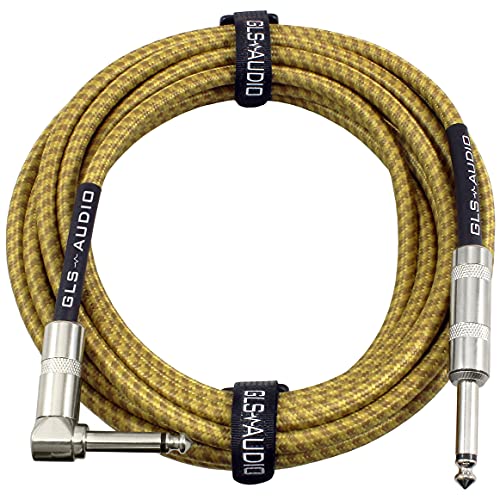
- 20-foot length for more reach
- Oxygen-free copper with low capacitance
- Braided tweed jacket for durability
Best For: Bass players needing a long, durable stage cable
Flexible Budget Pick

- 10-foot cable for everyday use
- 22AWG OFC with double shielding
- Flexible build with straight and right-angle plugs
Best For: Bass players wanting an affordable practice or studio cable
Pro-Grade Reinforced Choice
Kevlar Nylon Braided 10ft Cable

- 18 AWG 99.99% OFC conductor
- Kevlar-reinforced nylon braided design
- Five-layer shielding for low noise
Best For: Bassists seeking a rugged, premium-style instrument cable
Amazon Basics Value Pick

- 23 AWG OFC conductor for clarity
- Shielded to help block interference
- Right-angle plug and tweed-cloth jacket
Best For: Bass players needing a simple, everyday 10-foot cable
Kevlar-Built Noise-Reduced Pick
10 ft 2-Pack Kevlar Nylon Bass Cable

- 20AWG 99.99% OFC conductor
- Dual-layer shielding for noise reduction
- Kevlar-reinforced nylon braided jacket
Best For: Bass players wanting a durable low-noise spare or everyday cable
Right-Angle Flex Pick
10FT Right-Angle Bass Instrument Cable
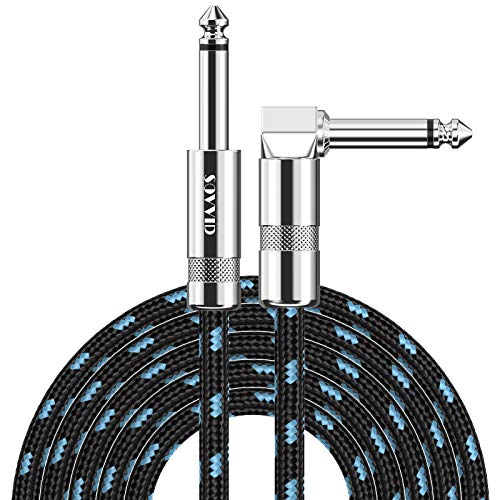
- Right-angle 1/4-inch connector helps protect sockets
- 95% OFC braided shield with TPE insulation
- Nylon jacket tested for 15,000+ bends
Best For: Bass players who want easier routing and less jack stress
Vintage Shielded Pick
Fender Deluxe 15ft Tweed Bass Cable
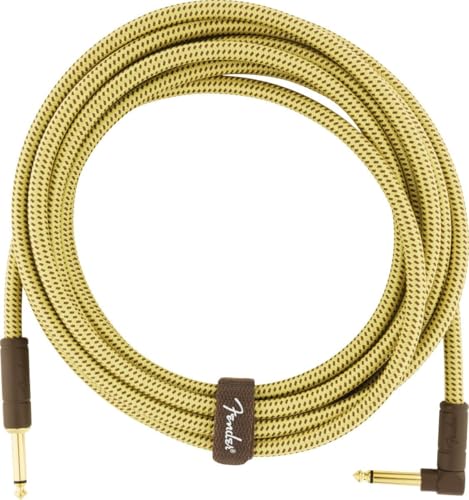
- 15 ft length for extra reach
- 95% braided shielding with 20-gauge conductor
- Gold-plated connectors and molded strain relief
Best For: Bass players wanting a longer premium cable with classic Fender style
Budget-Boosted Noise-Free Pick
10ft Right-Angle Cable for Bass and Guitar

- 64 OFC cores with multilayer shielding for lower noise
- Right-angle connector and flexible tweed cloth jacket
- Includes 9 picks in three thicknesses
Best For: Bass players wanting a versatile 10-foot cable with extras
Tour-Ready Fender Choice
10ft Straight/Angle Instrument Cable

- Avoids twisting, kinking, and physical memory
- 95% oxygen-free spiral shielding for lower handling noise
- Backed by a lifetime guarantee
Best For: Bassists wanting a reliable 10-foot cable for gigging
Accessory-Rich Value Cable

- High-density stranded copper double shielding
- 16,000+ bend lifespan tested braided nylon jacket
- Includes 3 random-color picks
Best For: Players wanting a flexible bass-ready cable with extras
Stage-Ready Tweed Build – Braided Tweed 20ft Instrument Cable
If you want guitar cables for bass guitar that can handle longer runs, this 20-foot instrument cable is built for practical amp and stage use. The oxygen-free copper core, low-capacitance design, and double insulation are aimed at dependable signal transfer with less noise.
Best For: Bass players who want a long, flexible cable with a durable tweed jacket for amp and stage setups.
Pros:
- 20-foot length gives extra reach for amps, pedals, and stage layouts
- Oxygen-free copper and low-capacitance design support cleaner signal transfer
- Braided tweed cloth jacket adds durability and easy coiling
- Straight-to-right-angle 1/4-inch plugs suit different rig setups
Cons:
- Longer cable runs can be less convenient if you only need a short practice lead
- Single-cable purchase only, so no multi-pack value
Overall, this is a solid pick if you want a longer bass cable with a rugged feel and low-noise design. The construction favors everyday reliability for home, rehearsal, and stage use.
Flexible Budget Pick – New Bee 10ft Shielded Cable
For guitar cables for bass guitar on a tighter budget, this 10-foot New Bee cable covers the basics with a shielded build and flexible handling. It uses 22AWG oxygen-free copper conductors, PVC insulation, and a double-shield design to help keep noise down in home studio or stage setups.
Best For: Bass players who want a simple, flexible 10-foot cable for practice, rehearsal, or home studio use.
Pros:
- 22AWG oxygen-free copper conductors support signal transfer
- Double shielding is designed for quieter operation
- Straight and right-angle metal connectors add setup flexibility
- Flexible construction makes it easy to handle and store
Cons:
- 10-foot length may be limiting for larger stages
- Listed as a basic instrument cable, so it lacks premium build extras
This is a straightforward cable for bass players who need reliable everyday performance without extra complexity. It focuses on flexible use, noise rejection, and broad compatibility.
Pro-Grade Reinforced Choice – Kevlar Nylon Braided 10ft Cable
If you want guitar cables for bass guitar with a more premium construction, this 10-foot AA AUDIO ACCESSORY Pro Series cable emphasizes durability and low-noise performance. It pairs 18 AWG 99.99% OFC conductors with five-layer shielding, gold-plated Neutrik REAN connectors, and Kevlar reinforcement for heavy-duty use.
Best For: Bass players who want a rugged, professional-style cable with reinforced construction and low-noise shielding.
Pros:
- 18 AWG 99.99% OFC conductor is built for strong signal transmission
- Kevlar reinforcement and nylon braid add durability
- Five-layer shielding helps reduce interference and noise
- Gold-plated Neutrik REAN connectors and lifetime support add value
Cons:
- Premium build may be more than casual players need
- 10-foot length is versatile, but not ideal if you need extra stage reach
This cable stands out for players who prioritize construction quality and consistent performance. It is a strong fit for bassists who want a dependable cable that feels built for repeated use.
Amazon Basics Value Pick – Tweed Right-Angle 10ft Cable
For buyers comparing guitar cables for bass guitar, this Amazon Basics 10-foot cable keeps things simple with a practical tweed-cloth jacket and right-angle connector. The 23 AWG oxygen-free copper center conductor and shield layers are designed to help improve clarity and block interference.
Best For: Bass players who want a basic, dependable 10-foot cable for amps, practice, or general home use.
Pros:
- 23 AWG oxygen-free copper conductor supports signal clarity
- OFC spiral shield and conductive PVC shield help block interference
- Straight-to-right-angle plugs work well in compact setups
- Tweed-cloth jacket adds a classic look and flexible feel
Cons:
- Basic feature set compared with more premium instrument cables
- Not the longest option if you need extra movement on stage
This is a practical everyday cable for bass players who want a familiar design and straightforward performance. It focuses on useful core features rather than high-end extras.
Kevlar-Built Noise-Reduced Pick – 10 ft 2-Pack Kevlar Nylon Bass Cable
If you need guitar cables for bass guitar that prioritize durability and cleaner signal, this 10 ft 2-pack is built around heavy shielding and rugged construction. The 20AWG 99.99% OFC conductor, foil plus braided shielding, and Kevlar reinforcement make it a practical choice for players who want a dependable instrument cable for everyday use.
Best For: Bass players who want a tough, low-noise cable for practice, rehearsal, or backup use.
Pros:
- Dual-layer shielding with foil and >95% OFC braid for stronger noise protection
- 20AWG 99.99% oxygen-free copper conductor for reduced resistance and signal loss
- Kevlar reinforcement and nylon braid add durability and help prevent tangles
- Heat-shrink protection at solder joints adds extra strain relief
Cons:
- Only available in a 10 ft length in this listing
- Straight 1/4-inch ends may not be ideal for every bass jack or pedalboard setup
- Focuses on toughness and shielding rather than premium cosmetic styling
This is a strong pick if your priority is a rugged, noise-resistant cable that can handle frequent plugging and storage. The included 2-pack also makes it easy to keep a spare on hand.
Right-Angle Flex Pick – 10FT Right-Angle Bass Instrument Cable
For guitar cables for bass guitar, a right-angle plug can make a big difference around tight jacks, pedals, and crowded setups. This 10 ft cable pairs a right-angle 1/4-inch connector with OFC conductors, braided shielding, and a nylon jacket to deliver a practical balance of flexibility and protection.
Best For: Bass players who want a right-angle connector for better jack protection and easier cable routing.
Pros:
- Right-angle end helps reduce stress on instrument sockets
- 95% OFC braided shield and TPE insulation are designed for better noise rejection
- 22AWG oxygen-free copper center conductor supports stable signal transfer
- Nylon jacket is tested for 15,000+ bends and resists tangling
Cons:
- 22AWG is thinner than the 20AWG cables in this roundup
- Product details list the connector type as XLR, so the listing information is inconsistent
- Single-cable package only, not a multi-pack
If your bass has a side-mounted jack or you want to reduce plug strain, this design is especially convenient. It’s a sensible everyday cable with durability features that should suit practice and general performance use.
Vintage Shielded Pick – Fender Deluxe 15ft Tweed Bass Cable
Fender Deluxe Series Instrument Cable, Guitar Cable, Guitar Accessories, Straight/Angle, Tweed, 15ft
Check Price On AmazonIf you’re comparing guitar cables for bass guitar and want a longer lead with a more premium feel, this Fender Deluxe cable offers 15 feet of reach and a classic tweed jacket. Its 20-gauge conductor, 95% oxygen-free braided shielding, and gold-plated connectors are aimed at clean, reliable instrument connections.
Best For: Bass players who want a longer, premium-feel cable with classic styling.
Pros:
- 15 ft length gives extra reach for stage or studio use
- 95% oxygen-free braided shielding supports crystal-clear audio
- 20 gauge conductor and custom molded ends add solid signal and strain relief
- 24K gold-plated connectors resist tarnish
Cons:
- Single-cable package, so there’s no backup included
- Tweed jacket is bulkier than simple PVC-style cables
- May be more cable than you need for short pedalboard setups
This is the most style-forward option in the group, but it still keeps the practical features bass players care about: shielding, durability, and strain relief. If you want a longer premium cable for bass, it’s an easy one to consider.
Budget-Boosted Noise-Free Pick – 10ft Right-Angle Cable for Bass and Guitar
If you want guitar cables for bass guitar that focus on value and practicality, this 10-foot option is built to cover the basics well. It uses multilayer shielding and 64 OFC cores to help reduce cable noise, and the flexible tweed-style jacket is designed to resist tangles during everyday use.
Best For: Bass players who want a versatile 10-foot cable with included picks and a right-angle connector.
Pros:
- 64 OFC cores and multilayer shielding help reduce noise.
- Right-angle plug and flexible braided jacket make routing easier.
- Built for electric bass, guitar, microphones, amps, and other 1/4-inch gear.
- Includes 9 guitar picks in three thicknesses.
Cons:
- Branding focuses more on extras than on premium hardware details.
- Only one length option is listed in the supplied notes.
This is a straightforward choice if you want a cable that emphasizes noise reduction, broad compatibility, and added value extras. It makes the most sense for players who need a dependable everyday lead rather than a studio-specialized cable.
Tour-Ready Fender Choice – 10ft Straight/Angle Instrument Cable
For guitar cables for bass guitar, this Fender Professional Series cable leans into durability and clean signal handling. It is designed to avoid twisting and kinking, with spiral shielding, a 22-gauge conductor, and nickel-plated connectors for a more dependable stage-ready setup.
Best For: Bassists who want a trusted 10-foot cable with a right-angle end and a lifetime guarantee.
Pros:
- Engineered to avoid twisting, kinking, and physical memory.
- 95% oxygen-free spiral shielding helps reduce handling noise.
- 22-gauge conductor supports signal path strength.
- Backed by a lifetime guarantee.
Cons:
- No extra accessories are included in the supplied details.
- Single 10-foot length may not suit every stage layout.
This is the most polished option here if you prioritize build quality and long-term reliability. The Fender name, lifetime guarantee, and noise-reducing construction make it a strong fit for regular gigging.
Accessory-Rich Value Cable – 10ft Braided Lead with Picks
If you are comparing guitar cables for bass guitar and want a value-focused pick, this 10-foot Aqdocvf cable adds practical features without getting complicated. The notes highlight high-density stranded copper double shielding, gold-plated straight and right-angle connectors, and a braided nylon jacket tested for 16,000+ bends.
Best For: Players who want a flexible bass-ready cable with included picks and a braided jacket.
Pros:
- Double shielding is designed for quiet operation and noise rejection.
- 16,000+ bend lifespan testing suggests strong flex durability.
- Gold-plated straight and right-angle connectors add versatility.
- Includes 3 random-color picks in different thicknesses.
Cons:
- Branding and specification details are less familiar than major-name options.
- The included picks may not match every player’s preferred thickness.
This cable makes sense if you want a flexible, feature-rich package for practice or general use. Its braided build and dual connector style help it stand out as a practical everyday instrument cable.
How We Picked the Best Guitar Cables for Bass Guitar
For Guitar Cables for Bass Guitar, we looked for dependable shielding, sturdy connectors, sensible cable length options, and construction that can handle real-world use. We also favored cables with braided jackets, strain relief, and low-noise designs because bass rigs often reveal hiss, hum, and intermittent connection problems more clearly than guitar setups.
Quick Comparison
Shorter 10-foot cables are usually the easiest choice for practice rooms, pedalboard setups, and small stages. Longer options like 15-foot cables offer more movement, but they can add a little more capacitance and clutter. Straight-to-angle connectors are especially useful when your bass output jack sits on the front edge of the body or when you want a cleaner pedalboard layout.
Key Buying Factors for Guitar Cables for Bass Guitar
Shielding and Noise Control
Bass signals benefit from strong shielding because low-end content can make noise more noticeable. Look for claims such as braided shielding, low-noise design, or noise-free signal paths, but also prioritize real materials and connector quality over marketing language alone.
Connector Type and Fit
Most basses use a standard 1/4-inch TS instrument cable. Right-angle plugs can reduce strain on side-mounted or front-mounted jacks, while straight plugs are simpler if you swap between instruments and amp inputs often. A snug, solid fit matters more than fancy styling.
Length and Use Case
Choose the shortest cable that still gives you comfortable movement. For home practice and recording, 10 feet is often enough. For bigger rehearsal spaces or live performance, 15 feet can be more practical, especially if your amp or pedalboard is farther away.
Durability and Jacket Material
Braided nylon, tweed cloth, and reinforced jackets can improve abrasion resistance and help the cable survive stage use. Internal conductor quality also matters; oxygen-free copper and heavier-gauge wire are good signs, though they should be paired with solid soldering and strain relief.
Who Should Buy Which Guitar Cables for Bass Guitar?
If you want the best all-around everyday cable, choose a balanced 10-foot option with low-noise shielding and dependable connectors. If you gig often, prioritize reinforced ends, braided jackets, and right-angle compatibility. If you are a budget buyer, focus on basic reliability first and avoid ultra-cheap cables with weak plugs or thin jackets. Players who record at home should lean toward quieter, well-shielded cables, while beginners can safely start with a straightforward 10-foot instrument cable and upgrade later if needed.
In short, the best Guitar Cables for Bass Guitar are the ones that match your space, setup, and durability needs without adding unwanted noise or hassle.