Compact microphone preamps can make a bigger difference than many buyers expect, especially when you need clean gain from low-output dynamic or ribbon microphones. The right model can reduce noise, improve clarity, and help your mic perform more like it should.
In this roundup, we focus on small, practical preamps that suit home studios, streaming setups, and portable recording rigs, with options for simple inline boosting as well as more flexible desktop-style designs.
Best 10 Compact Microphone Preamps Picks for 2026
Ultra-Slim Gain Boost
sE Electronics DM1 Dynamite Inline Preamp

- +28dB clean transparent gain
- Transformerless, low-noise FET design
- Ultra-slim all-metal XLR build
Best For: Dynamic and passive ribbon mic users needing a compact inline boost
Class-A Noise Lift
Triton Audio FetHead Inline Preamp
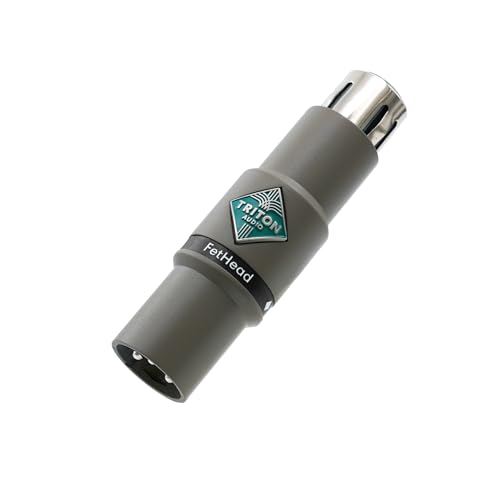
- Low-noise Class-A JFET amplifier
- Shielded enclosure for interference control
- Compact inline XLR form factor
Best For: Quiet inline gain boosting in small podcast, studio, or live setups
Phantom-Powered Booster
StudioMan DPM1 Dynamic Mic Preamp

- +29dB clean transparent gain
- Requires 48V phantom power to operate
- Metal, plug-and-play XLR inline design
Best For: Dynamic and ribbon mic setups needing a compact phantom-powered boost
Balanced Budget Boost

- 20dB clean transparent gain
- Supports dynamic and condenser mics
- Compact lightweight metal case
Best For: Budget-conscious creators needing a small, general-purpose mic booster
Ultra-Low-Noise Versatility
RO-04 Mic Preamp for Mic and Instrument Use

- 0-72 dB adjustable gain
- -120 dBV EIN low-noise design
- Mic and instrument inputs with 48V phantom power
Best For: Users who need a compact preamp for streaming, podcasting, and instruments
Compact Dynamic Boost

- +25 dB clean gain for low-output mics
- Balanced XLR I/O with phantom power compatibility
- Compact metal chassis for portable use
Best For: Dynamic and passive ribbon mic users needing a simple inline boost
Stealth Inline Gain
Coda MB-Stealth 28 dB Mic Booster
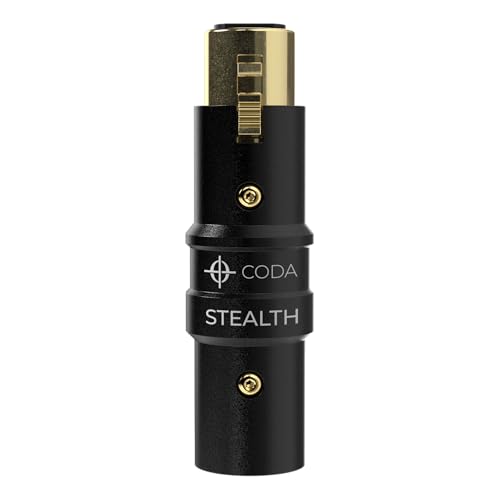
- 28 dB clean gain from 48V phantom power
- Made for dynamic and ribbon microphones
- Compact matte-black inline design
Best For: Minimal setups needing a small inline booster for dynamic or ribbon mics
Clean Gain Booster
StudioMan CL-200 2-CH XLR Preamp

- +25dB gain for passive mics
- Dual-channel XLR design
- 48V phantom-powered operation
Best For: Two dynamic or ribbon mics needing transparent gain
Flexible Budget Preamp
RO03 Mic Preamp 66dB Ultra Low Noise

- 19-66dB gain range
- EIN -120dB low-noise design
- Mic and instrument support
Best For: Portable creators who need a versatile low-noise preamp
High-Gain Multi-Output Preamp
MIC-1 Mic Preamp 75dB XLR/3.5mm

- Up to 75dB clean gain
- 48V phantom power support
- XLR and 3.5mm outputs
Best For: Desktop vocal and instrument setups needing flexible outputs
Ultra-Slim Gain Boost – sE Electronics DM1 Dynamite Inline Preamp
The sE Electronics DM1 is one of the most compact microphone preamps for adding clean gain to low-output dynamic and passive ribbon mics. If you want a simple inline boost without extra bulk, this XLR mic preamp focuses on transparent amplification and practical noise control for podcasting, studio work, and live sound.
Best For: Podcasters, live vocal setups, and ribbon mic users who need a slim inline gain boost.
Pros:
- Delivers a consistent +28dB of clean, transparent gain.
- Built with high-grade FET circuitry and a transformerless design for low-noise operation.
- All-metal housing and gold-plated XLR connectors support durable, reliable use.
- Ultra-slim form factor keeps the setup compact and unobtrusive.
Cons:
- Designed for dynamic and passive ribbon microphones, not a universal mic solution.
- Single-channel inline design offers no extra routing or controls.
- Best value comes when you specifically need clean gain for low-output mics.
For buyers who want a straightforward gain stage in a tiny package, the DM1 stands out for its transparent sound and rugged build. It is a focused tool rather than a do-everything preamp, which makes it a strong fit for lean, compact recording chains.
Class-A Noise Lift – Triton Audio FetHead Inline Preamp
The Triton Audio FetHead is a compact in-line solution for boosting low-output microphones without adding much footprint to your setup. Its low-noise Class-A JFET amplifier and shielded enclosure make it a practical choice when you need compact microphone preamps that stay out of the way while helping the signal come through more clearly.
Best For: Users who want a small, shielded inline preamp for quiet gain boosting.
Pros:
- Low-noise Class-A JFET amplifier supports clean signal boosting.
- Shielded enclosure helps with interference control.
- Very small inline design is easy to integrate into an XLR chain.
- Uses a double single-ended amplifier topology with 4 matched JFETs.
Cons:
- Provides 2 channels in the product details, but remains a minimalist inline unit.
- No extra controls or advanced routing features are listed.
- Best suited to users who specifically need a compact mic boost rather than a full preamp section.
If your priority is quiet, no-fuss gain in a small inline format, the FetHead remains a strong option. It is built around the essentials: clean amplification, shielding, and an easy fit in compact recording or live rigs.
Phantom-Powered Booster – StudioMan DPM1 Dynamic Mic Preamp
The StudioMan DPM1 is a compact microphone preamp built to add clean gain to dynamic and ribbon mics before the interface has to work so hard. It requires 48V phantom power to operate, but it does not pass that power to the microphone, making it a focused inline booster for studio and stage use.
Best For: Dynamic and ribbon mic users who want a phantom-powered inline gain boost.
Pros:
- Provides +29dB of clean, transparent gain.
- Helps improve signal-to-noise ratio for podcasting, vocals, and studio recording.
- Metal casing adds durability and helps shield against interference and hum.
- Compact plug-and-play XLR design fits easily between mic and mixer/interface.
Cons:
- Requires 48V phantom power to operate.
- Not compatible with condenser microphones.
- Works as a specialized inline booster rather than a full-featured preamp.
For users with quiet dynamic microphones, the DPM1 offers a straightforward way to get more usable gain without pushing an interface preamp into noisy territory. Its small size and metal construction make it a practical option for compact rigs that need more headroom.
Balanced Budget Boost – Compact 20dB Mic Preamplifier
This microphone preamp is positioned as a simple gain booster for vocal, recording, podcasting, and live streaming setups. For buyers comparing compact microphone preamps, it offers a modest 20dB lift, 48V power support, and a lightweight metal case designed to keep noise and interference under control.
Best For: Home studio users and streamers who want a compact, budget-friendly mic gain booster.
Pros:
- Balanced amplification circuitry provides 20dB of clean, transparent gain.
- Compatible with dynamic and condenser microphones according to the product details.
- Fully balanced circuit design targets ultra-low noise operation.
- Compact, lightweight black metal case helps reduce EMC interference.
Cons:
- Lower gain than some competing inline mic boosters.
- Product details are broad rather than highly specialized.
- No advanced controls or premium build features are specified beyond the metal case.
If you want a straightforward gain stage without moving to a larger setup, this unit fits the bill. It looks aimed at practical everyday use, giving you a clean boost and wide microphone compatibility in a small package.
Ultra-Low-Noise Versatility – RO-04 Mic Preamp for Mic and Instrument Use
If you’re shopping for compact microphone preamps, the RO-04 stands out as a flexible gain booster for both microphones and instruments. It offers up to 72 dB of adjustable gain, ultra-low -120 dBV EIN noise performance, and dual inputs that let it handle dynamic mics, condensers, ribbon mics, guitar, and bass with the right impedance match.
Best For: Streamers, podcasters, and recording users who need a compact preamp with wide gain range, low noise, and mic/instrument flexibility.
Pros:
- 0-72 dB adjustable gain helps boost low-output mics like the SM58 and SM7B.
- -120 dBV EIN is designed to keep noise low when adding clean gain.
- Dual mic and instrument inputs support separate impedance matching for different sources.
- USB-C and power bank support make it practical for mobile setups.
Cons:
- At 2.42 pounds, it is less pocketable than smaller inline boosters.
- Its feature set is broader than a simple mic-only preamp, which may be more than some users need.
The RO-04 is a strong all-around option if you want one of the more flexible compact microphone preamps for studio, streaming, or mobile use. Its clean gain range and input options make it more adaptable than basic inline boosters.
Compact Dynamic Boost – StudioMan CL-100 XLR Preamp
The StudioMan CL-100 is a straightforward choice among compact microphone preamps if you mainly use dynamic microphones or passive ribbon mics. Its +25 dB clean gain circuit is built to raise low-level signals, while the balanced XLR I/O and phantom-power-compatible design make it easy to drop into common studio and live-sound chains.
Best For: Dynamic mic and passive ribbon users who want a small, durable XLR signal booster for home studio, podcasting, or live work.
Pros:
- +25 dB clean gain helps bring dynamic and ribbon mics up to usable level.
- Balanced XLR input/output supports plug-and-play integration with interfaces and mixers.
- Compact metal chassis adds shielding and portable durability.
- 10 Hz-20 kHz response and high headroom are aimed at clean recording.
Cons:
- Designed specifically for dynamic and passive ribbon mics, so it is not a universal mic preamp.
- The fixed 25 dB boost offers less flexibility than variable-gain models.
For users who need a simple gain lift rather than a feature-heavy preamp, the CL-100 is an easy compact choice. It keeps the focus on clean boosting, basic compatibility, and a small desktop-friendly footprint.
Stealth Inline Gain – Coda MB-Stealth 28 dB Mic Booster
The Coda MB-Stealth is a compact microphone preamp made for users who want a clean inline boost without adding bulk. It uses 48V phantom power from your interface to deliver 28 dB of gain for dynamic and ribbon microphones, while its low-noise design is intended to reduce hiss and hum in podcasting, streaming, and recording setups.
Best For: Podcasters, streamers, and recording users with dynamic or ribbon mics who want a minimal inline gain booster.
Pros:
- 28 dB of ultra-clean gain helps low-output mics perform more easily.
- -70 dB noise rating is aimed at reducing hiss and hum.
- Compact matte-black design keeps the setup small and unobtrusive.
- Works with 48V phantom power from an audio interface.
Cons:
- Does not work with condenser microphones.
- Fixed-gain design leaves no adjustment range.
If you want a small, stealth-style booster for dynamic or ribbon mics, the MB-Stealth keeps the formula simple. It is best treated as a clean utility preamp for users who already know they need phantom-powered gain, not as a universal microphone solution.
Clean Gain Booster – StudioMan CL-200 2-CH XLR Preamp
If you need compact microphone preamps for low-output dynamics or passive ribbons, the StudioMan CL-200 is built around a simple goal: add clean gain without forcing your interface to run hot. Its dual-channel design makes it useful for two-mic setups, and the phantom-powered operation keeps the box small and easy to place in a studio or live rack.
Best For: Dual-mic setups using dynamic or passive ribbon microphones that need transparent gain boost.
Pros:
- Provides up to +25dB clean gain for weak mic signals.
- Dual-channel design supports two microphones at once.
- Ultra-low-noise design with flat 10Hz-20kHz response.
- Powered by 48V phantom power with simple XLR I/O.
Cons:
- Not compatible with condenser microphones.
- Requires phantom power from a mixer, interface, or preamp.
- Short mic-to-booster cable runs are recommended.
For buyers who want a straightforward gain helper rather than a colored preamp, the CL-200 focuses on clean signal lift and practical XLR integration. It is a sensible fit when you want to reduce hiss from excessive interface gain while keeping the setup compact.
Flexible Budget Preamp – RO03 Mic Preamp 66dB Ultra Low Noise
Among compact microphone preamps, the RO03 is aimed at users who want a wide gain range and flexible connections without a lot of setup fuss. The updated design emphasizes lower noise, a practical 19-66dB gain range, and support for dynamic, condenser, ribbon, and instrument sources, making it a flexible pick for budget recording and portable work.
Best For: Budget-conscious creators who need one compact preamp for microphones and instruments.
Pros:
- Updated 19-66dB gain range is described as achievable in real use.
- Claims ultra-low noise performance at EIN -120dB.
- Supports dynamic, condenser, ribbon, and instrument inputs.
- Type-C power input suits portable recording setups.
Cons:
- The two input ports cannot work simultaneously.
- Lowest-noise setup depends on using the recommended TRS line input.
- Instrument and mic use require choosing the correct connection path.
The RO03 stands out if flexibility matters more than simplicity. Its mix of XLR, TRS, and TS connectivity plus the portable Type-C power input makes it easier to adapt to different rooms, interfaces, and recording scenarios.
High-Gain Multi-Output Preamp – MIC-1 Mic Preamp 75dB XLR/3.5mm
If you’re comparing compact microphone preamps for a small studio or desktop rig, the MIC-1 leans into flexibility. It offers up to 75dB gain, 48V phantom power, and multiple output formats, so it can fit dynamic and condenser mics as well as setups that need direct connection to compact devices.
Best For: Vocal recording and mixed desktop setups that need high gain, phantom power, and multiple outputs.
Pros:
- Up to +75dB clean gain for low-output microphones.
- 48V phantom power supports dynamic and condenser mics.
- Balanced XLR plus 3.5mm Mic Out and Line Out outputs.
- 1MΩ TS instrument input helps preserve instrument signal quality.
Cons:
- The two input ports cannot work simultaneously.
- More output options can mean more connection choices to manage.
- Best performance depends on choosing the right output for the destination device.
The MIC-1 is a strong fit when you want a compact preamp that can move between microphones, instruments, and portable outputs. Its metal housing and focus on low-noise operation make it practical for everyday recording without adding much complexity.
How We Picked These Compact Microphone Preamps
We looked for models that deliver useful gain without adding obvious hiss, while staying small enough for crowded desks, mobile rigs, and simple studio chains. Build quality, phantom-power behavior, input compatibility, and ease of use also mattered. For Compact Microphone Preamps, the best choices solve a specific gain problem without creating setup headaches.
Quick Comparison
Inline boosters are best when you just need more level for a dynamic or ribbon mic and want a plug-and-play solution. More full-featured preamps make sense if you need adjustable gain, phantom power, or support for multiple sources. If you record vocals, podcasts, or instruments, the right option depends on whether your priority is simplicity, flexibility, or maximum headroom.
Key Buying Factors for Compact Microphone Preamps
Gain Amount and Noise Floor
Look for enough clean gain to avoid pushing your audio interface too hard. A strong gain rating matters less if the preamp adds noise, so pay attention to low-EIN claims and real-world clean boost behavior.
Microphone Compatibility
Not every preamp is designed for every mic. Some Compact Microphone Preamps are ideal for dynamic and ribbon mics, while others also support condensers, instruments, or high-impedance sources. Match the preamp to the microphone type you actually use.
Phantom Power and Pass-Through
Some inline units require phantom power from the interface or mixer to operate, while others provide it more directly. Make sure the power path matches your recording chain so you do not end up with a unit that is technically compatible but awkward to use.
Form Factor and Channel Count
Single-channel inline boosters are the easiest to place behind a mic or at the end of a cable run. Dual-channel and box-style models can be better for stereo work or more permanent studio setups, but they take up more space.
Who Should Buy Which Compact Microphone Preamps?
If you want the simplest solution for a quiet dynamic mic, choose a small inline booster. If you need adjustable gain and more routing options, a feature-rich desktop preamp is usually the better fit. Streamers and podcasters often benefit from compact units that are quick to install and easy to forget about, while musicians may prefer models with broader source support and stronger gain reserves.
For most buyers, the best Compact Microphone Preamps are the ones that solve a specific recording problem with minimal setup, reliable noise performance, and enough headroom to keep your signal clean.