Choosing the right microphone preamp can make a big difference in clarity, noise floor, and how easily your mic reaches healthy recording levels.
Below, we’ve grouped 10 standout options for creators, streamers, podcasters, and home studio users so you can match the right preamp style to your setup and budget.
Best 10 Microphone Preamp Picks for 2026
Ultra-Clean Gain Booster
Cloudlifter CL-1 Mic Activator

- Adds up to +25dB clean gain
- Uses phantom power safely with passive mics
- Helpful for podcasts and studio vocals
Best For: Quiet dynamic or ribbon mics needing cleaner level
Low-Noise Inline Booster
Triton Audio FetHead In-Line Preamp
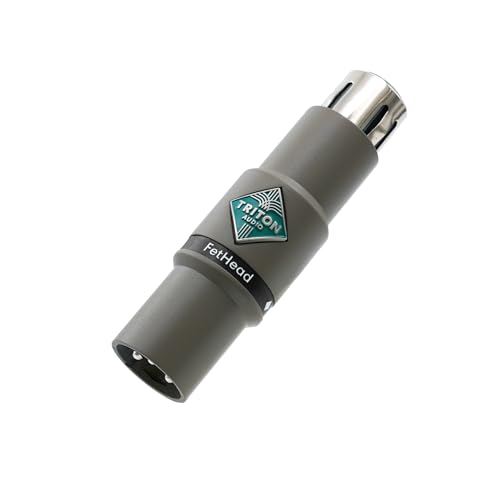
- Class-A JFET in-line amplification
- Shielded, compact, low-noise design
- Good for improving weak mic output
Best For: Minimalists who need a small clean gain booster
Interface With Built-In Gain
Elgato Wave XLR MK.2 USB Audio Interface

- Offers up to 80dB gain for XLR mics
- Includes DSP effects and low-latency monitoring
- Works with Wave Link software
Best For: Creators wanting an interface with preamp and DSP
Phantom Inline Booster
TRITON AUDIO FetHead Phantom In-Line Preamp

- FET-style inline preamp
- Built for phantom-powered setups
- Compact single-channel metal design
Best For: Phantom-powered mics needing a simple inline boost
Rack Channel Strip
dbx 286s Channel Strip Processor

- Mic preamp with compression, de-essing, enhancer, and gate
- XLR mic input plus 1/4" TRS line input
- 1U rack design with metering LEDs and insert jack
Best For: Vocal tracking and all-in-one front-end signal shaping
Inline Gain Boost
Dynamic Mic Preamp Signal Booster

- Adds 28 dB gain for dynamic microphones
- Compact inline format for simple setups
- Ultra-lightweight, minimal hardware footprint
Best For: Users who need a basic dynamic mic gain boost
USB Interface Preamp
Scarlett Solo 3rd Gen USB-C Interface
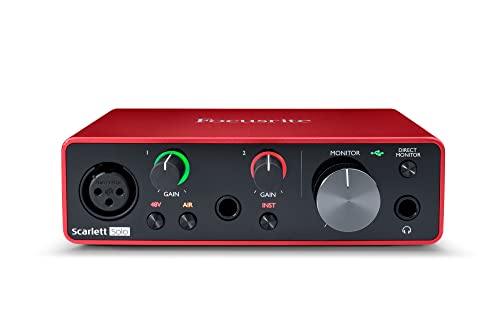
- High-performance mic preamp with 56 dB gain range
- Air mode and 24-bit/192kHz conversion
- XLR mic input plus Hi-Z instrument input
Best For: Solo recording and podcasting on a computer
Phantom-Powered Clean Gain
Coda MB-1 Mic Preamp for Vocal Recording

- Adds 25dB clean gain to dynamic and ribbon mics
- Requires 48V phantom power from another device
- Designed for podcasting, broadcast, live sound, and studio use
Best For: Dynamic and ribbon mic users who need a clean gain boost
Low-Noise All-Rounder
RO03 Mic Preamp with Type-C Power

- Up to 66dB gain with -120dB EIN noise performance
- Works with dynamic, condenser, ribbon mics, and instruments
- Type-C power and multiple output options suit portable setups
Best For: Budget-minded creators who need a versatile preamp for multiple sources
High-Gain Studio Helper
MIC-1 Mic Preamp with Dual Outputs

- Up to 75dB clean gain with -120dB EIN performance
- 48V phantom power supports dynamic and condenser mics
- Balanced XLR plus dual 3.5mm outputs add routing flexibility
Best For: Users who want high gain and multiple output options in one preamp
Ultra-Clean Gain Booster – Cloudlifter CL-1 Mic Activator
If you need a microphone preamp-style boost for a quiet dynamic or ribbon mic, the Cloudlifter CL-1 is built to add clean gain before your main preamp. It uses phantom power to raise passive mic signals by up to +25dB while keeping phantom power away from the microphone itself, making it a practical choice when you want more level without adding noise.
Best For: Podcasting, streaming, studio vocals, and live recording with passive mics.
Pros:
- Delivers up to +25dB of ultra-clean gain for passive microphones.
- Helps improve clarity while reducing unwanted noise and feedback.
- Works well with podcasting, broadcast, live sound, and studio use.
- Compatible with passive ribbons and other tube, battery, or supply-driven mics.
Cons:
- Requires phantom power from a compatible mic input.
- Designed as an inline gain stage, not a full recording interface.
This is a focused solution if your preamp needs help bringing low-output microphones up to a stronger level. It is especially useful when you want a simple, transparent gain boost rather than extra processing.
Low-Noise Inline Booster – Triton Audio FetHead In-Line Preamp
The Triton Audio FetHead is a compact microphone preamp designed to sit inline and give low-output mics a cleaner boost before they hit the main recording chain. Its low-noise Class-A JFET amplifier and shielded enclosure make it a straightforward option when you want more usable level from a microphone without a bulky desktop unit.
Best For: Users who want a small inline gain stage for low-output microphones.
Pros:
- Low-noise Class-A JFET amplifier for clean inline gain.
- Compact and easy to place in a mic signal chain.
- Shielded enclosure helps keep the signal path protected.
- Uses a simple two-channel design in a small form factor.
Cons:
- Requires phantom power support in the chain.
- Offers gain boosting rather than onboard controls or processing.
For buyers looking for a minimal, purpose-built microphone preamp solution, the FetHead keeps things simple. It is a good fit when the main goal is cleaner gain, not extra features.
Interface With Built-In Gain – Elgato Wave XLR MK.2 USB Audio Interface
If you want a microphone preamp as part of a fuller streaming or recording setup, the Elgato Wave XLR MK.2 combines XLR input gain with USB audio interface features and DSP mixing. It offers up to 80dB of gain for XLR mics, plus onboard voice enhancer, compressor, EQ, and low-latency monitoring through Wave Link software.
Best For: Streamers, podcasters, and PC or Mac users who want gain, monitoring, and DSP in one unit.
Pros:
- Up to 80dB of gain for driving XLR microphones.
- Built-in voice effects and DSP tools like compressor and EQ.
- Ultra-low-latency monitoring with 24-bit/48kHz audio.
- Touch control and LED feedback make level management easy.
Cons:
- Depends on Wave Link software for full control.
- Requires supported Windows or Apple Silicon Mac systems.
This is more than a simple gain box, but it makes sense if your microphone preamp needs are tied to streaming or content creation. It combines strong amplification with monitoring and software control in a single desktop-friendly device.
Phantom Inline Booster – TRITON AUDIO FetHead Phantom In-Line Preamp
The Triton Audio FetHead Phantom is an inline microphone preamp made for phantom-powered setups where you want a simple FET-style boost stage. It is a compact metal unit with one channel, so it fits neatly into a mic chain when you need extra level from a compatible phantom-powered microphone.
Best For: Phantom-powered mic setups that need a compact inline gain boost.
Pros:
- FET-style inline microphone preamplifier for clean gain support.
- Designed for phantom power compatibility.
- Compact metal build that stays out of the way.
- Single-channel format keeps the signal path simple.
Cons:
- Limited to phantom-power-based use cases.
- No extra controls or onboard features beyond gain support.
If you need a straightforward microphone preamp for a phantom-powered chain, this model keeps the design focused and unobtrusive. It is best when you want an inline solution rather than a feature-rich audio device.
Rack Channel Strip – dbx 286s Channel Strip Processor
If you want a microphone preamp that does more than simple gain, the dbx 286s is built for full channel-strip control in a single rack unit. It combines mic preamplification with compression, de-essing, enhancement, and expander/gate processing, making it a practical front end for vocals, instruments, and even mixdown duties.
Best For: Vocal recording, spoken-word cleanup, and users who want onboard dynamics and tone shaping in one rack unit.
Pros:
- Built-in compression, de-esser, enhancer, and expander/gate add flexible signal control.
- Floating balanced XLR mic input plus 1/4″ TRS line input supports mics, instruments, and tracks.
- Insert jack lets you loop in additional processors between preamp and effects sections.
- Metering LEDs make it easier to monitor audio levels and processor status at a glance.
Cons:
- 1U rack format is less convenient if you want a small desktop setup.
- More advanced than a basic preamp, so it may be more than casual users need.
The dbx 286s stands out if you need a microphone preamp with real studio utility rather than just clean gain. Its onboard processing makes it a strong choice when you want polished vocals or controlled source material without adding extra outboard gear.
Inline Gain Boost – Dynamic Mic Preamp Signal Booster
This inline microphone preamp is designed for one simple job: adding clean gain to a dynamic microphone. With 28 dB of boost in a compact in-line body, it is a straightforward option when your mic signal needs a stronger level before it reaches the rest of your audio chain.
Best For: Dynamic microphone users who need an easy, compact gain boost.
Pros:
- Adds 28 dB gain for dynamic microphone use.
- Extremely compact inline design keeps the setup minimal.
- Very lightweight at 0.317 ounces.
Cons:
- Focused on gain boosting only, with no extra processing features listed.
- Single-purpose design is less versatile than a full channel-strip preamp.
If you only need more level from a dynamic mic, this type of microphone preamp keeps the solution simple and portable. It is best suited to users who value easy signal boosting over onboard controls or studio processing extras.
USB Interface Preamp – Scarlett Solo 3rd Gen USB-C Interface
The Focusrite Scarlett Solo 3rd Gen includes a high-performance mic preamp inside a compact USB-C audio interface, making it a strong choice for recording voice and instruments into a computer. It pairs 24-bit/192kHz conversion with an Air mode, low-noise playback, and practical inputs for a simple home-studio workflow.
Best For: Solo musicians, podcasters, and home recording users who want an interface with a strong built-in microphone preamp.
Pros:
- High-performing mic preamp with 56 dB gain range and Air mode.
- One XLR mic input plus one Hi-Z instrument input supports voice and guitar or bass recording.
- 24-bit/192kHz recording capability with balanced outputs for clean playback.
- Includes recording software and a USB cable to help you start quickly.
Cons:
- Only one mic preamp and two channels, so it is not built for larger multi-input sessions.
- Best suited to computer-based recording rather than standalone analog use.
As a microphone preamp inside an interface, the Scarlett Solo 3rd Gen is geared toward clean, straightforward recording rather than external processing. It is a smart pick if you want a reliable all-in-one entry point with strong sound quality and easy setup.
Phantom-Powered Clean Gain – Coda MB-1 Mic Preamp for Vocal Recording
If you need a microphone preamp for a quiet dynamic or ribbon mic, the Coda MB-1 is built around adding clean gain without changing the character of the source. It requires 48V phantom power from your interface or an external supply, and it is specifically aimed at podcasting, broadcast, live sound, and studio recording with dynamic microphones.
Best For: Dynamic and ribbon mic users who already have phantom power and want a simple gain boost.
Pros:
- Provides 25dB of clean gain for low-output dynamic and ribbon microphones
- Rated for a very low -70dB noise floor for clearer vocal capture
- Works well for podcasts, live streaming, radio, and studio use
- Durable aluminum build suited to stage or studio setups
Cons:
- Requires 48V phantom power from another device
- Does not work with condenser microphones
- Single-channel design limits it to one mic at a time
For users who already have the right phantom-power chain in place, this is a straightforward microphone preamp that focuses on clean boosting rather than extra features. It is best treated as a utility piece for improving signal strength on quiet dynamic sources.
Low-Noise All-Rounder – RO03 Mic Preamp with Type-C Power
The RO03 is a microphone preamp built for users who want broad compatibility and a wide gain range without paying for a more complex rig. It supports dynamic, condenser, and ribbon microphones, plus instruments, and its updated design focuses on lower noise, a more practical gain range, and Type-C power for portable recording setups.
Best For: Budget-conscious creators who want one preamp for vocals, instruments, and portable recording.
Pros:
- Up to 66dB gain with updated noise reduction and an EIN spec of -120dB
- Supports dynamic, condenser, ribbon microphones, and instruments
- Type-C power input improves portability and compatibility for mobile use
- XLR/TRS/TS connectivity with line output options for flexible setups
Cons:
- The two input ports cannot be used at the same time
- For lowest noise, the notes recommend using the TRS line input to an audio interface
- More setup-sensitive than a simple inline mic booster
This microphone preamp stands out if you want a versatile, low-noise box that can serve more than one role. Its practical tuning makes it appealing for solo creators and streamers who need flexibility more than specialty features.
High-Gain Studio Helper – MIC-1 Mic Preamp with Dual Outputs
The MIC-1 is a microphone preamp aimed at low-output mics and flexible recording setups that need more gain and more output choices. It offers up to 75dB of clean gain, 48V phantom power, and support for both microphones and instruments, with balanced XLR plus 3.5mm output options for different gear chains.
Best For: Vocal and instrument recording setups that need high gain plus flexible output routing.
Pros:
- Delivers up to 75dB clean gain for low-output dynamic microphones
- Includes 48V phantom power and supports dynamic and condenser mics
- 1MΩ high-impedance TS instrument input helps avoid impedance mismatch issues
- Balanced XLR output plus independent 3.5mm Mic Out and Line Out outputs
Cons:
- The mic and instrument input ports cannot be used simultaneously
- More output flexibility may add complexity for simple plug-and-play users
- Best value depends on whether you will use the extra output paths
As a microphone preamp, this model is strongest when you want both gain and routing flexibility in one box. The dual-level outputs and phantom power make it a practical choice for creators building a compact but capable recording chain.
How We Picked the Best Microphone Preamp
We focused on Microphone Preamp options that solve real-world gain problems without adding unnecessary noise or complexity. Priority went to clean gain, compatibility with dynamic, condenser, and ribbon microphones, useful features such as phantom power or DSP, and value for different use cases.
Quick Comparison
Some products in this roundup are simple in-line boosters built to lift weak mic signals, while others are full audio interfaces or channel strips with preamp functions plus extra tools. If you want a minimal signal boost, an in-line Microphone Preamp is usually the simplest path. If you need recording inputs, phantom power, or onboard processing, a more feature-rich interface or strip may be the better fit.
Key Buying Factors for a Microphone Preamp
Gain and Noise Performance
Look for enough clean gain to bring your mic to usable levels without pushing hiss into the recording. Dynamic and ribbon microphones often benefit the most from added gain, especially if your interface is quiet or underpowered.
Mic Compatibility
Check whether the unit supports your microphone type. Some preamps are designed mainly for low-output dynamic mics, while others also support condenser microphones with 48V phantom power. If you use a ribbon mic, confirm the design is safe for that application.
Form Factor and Workflow
An in-line Microphone Preamp is compact and easy to insert between your mic and interface. Larger interface-style products are better if you want one box for recording, monitoring, and software control. Choose the form factor that matches how often you move gear around and how much desk space you have.
Extra Features
Compression, de-essing, gating, enhancers, phantom power, and loop-out connections can be very helpful, but only if you actually need them. Extra processing is useful for streaming and podcasting; simple gain is often enough for voice recording and basic home studio use.
Who Should Buy Which Microphone Preamp?
If you want the simplest improvement to a quiet dynamic mic, choose a compact booster-style Microphone Preamp. If your setup also needs phantom power or multiple inputs, an audio interface or channel strip makes more sense. Streamers and podcasters may prefer models with onboard processing, while musicians and multi-mic users often benefit from more flexible preamp features.
In short, the best Microphone Preamp is the one that gives you clean gain, matches your microphone, and fits the rest of your recording chain without adding steps you do not need.