Germanium fuzz pedals are prized for their warm, dynamic breakup and the way they clean up from your guitar’s volume knob. If you want classic vintage character with expressive control, this roundup is built for you.
Below, we focus on 10 standout options for players chasing everything from early-silicon-era bite to smoother, more amp-like saturation, with picks suited to studio recording, live use, and flexible pedalboards.
Best 10 Germanium Fuzz Pedals Picks for 2026
Classic Germanium Fuzz Face Mini
Compact mid-'60s germanium fuzz with warm, focused tone

- Based on mid-'60s Fuzz Face tones with slightly mismatched germanium transistors
- Warm, mid-range focused distortion
- Mini housing with LED, AC power jack, and battery door
Best For: Players who want classic germanium Fuzz Face tone in a compact pedal
Matched-Transistor Vintage Fuzz
Vintage germanium fuzz with trim and contour controls

- Matched germanium transistors for vintage-style fuzz
- Internal trim pot, contour control, and input control
- True bypass for cleaner signal when off
Best For: Players who want a classic germanium fuzz with extra tonal shaping
Feature-Rich Tone Bender Homage
Adjustable Tone Bender-style fuzz with Ge/LED clipping

- Tone Bender MkIII homage with modern controls
- Ge-to-LED CLIP switch plus BIAS and BLEND controls
- FAT switch and active treble EQ expand tone shaping
Best For: Players who want a flexible Tone Bender-style fuzz with germanium options
Vintage FF-Style Fuzz with Clean-Up
Warm FF-style fuzz with fast cleanup and low noise

- Classic FF-style voice with excellent clean-up response
- Stable, ultra-low-noise build for studio and live use
- Silicon transistors voiced to resemble vintage germanium warmth
Best For: Players who want vintage-style fuzz response with modern reliability
Hybrid Fuzz Workhorse

- Japanese germanium transistor fuzz
- Bass and treble boost controls
- Bias knob for glitchy attack
Best For: Players who want versatile germanium fuzz for guitar or bass
Vintage Mini Classic
Dunlop Germanium Fuzz Face Mini

- Warm pre-silicon Fuzz Face tone
- Compact pedalboard-friendly size
- True bypass with LED and battery door
Best For: Fans of classic germanium fuzz in a smaller enclosure
Vintage Compact Fuzz
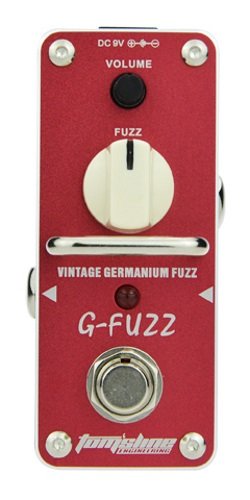
- Vintage germanium transistor fuzz
- Fuzz and volume only
- True bypass, compact size
Best For: Players who want a simple vintage-style germanium fuzz
Hybrid Gain Shaper

- Hybrid germanium/silicon fuzz
- Wide gain range and Shift control
- Hand-matched NOS Ge transistors
Best For: Players needing versatile fuzz with strong tonal shaping
Vintage Reissue Fuzz

- Park Fuzz Sound recreation
- NOS germanium transistors
- Voltage correction for modern rigs
Best For: Players wanting a vintage-style fuzz with updated compatibility
Classic Germanium Fuzz Face Mini – Compact mid-'60s germanium fuzz with warm, focused tone
If you want germanium fuzz pedals with the classic mid-’60s Fuzz Face character, this compact version focuses on warm, midrange-heavy distortion in a pedalboard-friendly format. It uses slightly mismatched germanium transistors, which is part of the appeal for players chasing those legendary vintage tones.
Best For: Guitarists who want authentic Fuzz Face-style germanium tones in a small, easy-to-place pedal.
Pros:
- Based on mid-’60s Fuzz Face circuits with slightly mismatched germanium transistors
- Warm, mid-range focused distortion that fits classic fuzz needs
- Pedalboard-friendly mini housing with status LED, AC power jack, and battery door
- Simple analog layout for straightforward use
Cons:
- Mini format may feel cramped compared with larger pedals
- Voicing is tailored to one classic style rather than wide tonal flexibility
This is a strong pick if your priority is classic germanium fuzz flavor in a compact enclosure. It keeps the design and sound focused, making it easy to add vintage character without taking up much space.
Matched-Transistor Vintage Fuzz – Vintage germanium fuzz with trim and contour controls
Among germanium fuzz pedals, this Fulltone model is aimed at players who want a vintage-style fuzz with a few practical controls to shape the response. Its matched germanium transistors, internal trim pot, contour control, and input control make it more adjustable than a bare-bones fuzz.
Best For: Players who want a vintage germanium fuzz with extra internal and onboard shaping options.
Pros:
- Uses matched germanium transistors for the core fuzz circuit
- Internal trim pot and contour control add tonal adjustment
- Input control gives another way to shape how the pedal reacts
- True bypass helps keep the signal path clean when disengaged
Cons:
- Some shaping is handled internally, which may be less convenient for quick changes
- Still centered on a specific vintage fuzz voice rather than broad versatility
This pedal stands out if you like the idea of germanium fuzz but want more control than a pure one-knob classic. It’s a practical choice for dialing in a usable vintage fuzz sound without losing the old-school foundation.
Feature-Rich Tone Bender Homage – Adjustable Tone Bender-style fuzz with Ge/LED clipping
If you’re comparing germanium fuzz pedals and want a more flexible take on the Tone Bender idea, this EHX model adds a lot of useful controls. It combines a Ge-to-LED clipping switch, bias control, blend, and EQ shaping, so you can move from smoother fuzz to rougher, more gated textures.
Best For: Players who want a highly adjustable Tone Bender-style fuzz with germanium and modern textures.
Pros:
- Homage to the Tone Bender MkIII with expanded modern controls
- CLIP switch changes the clipping structure from Ge to LED
- BIAS and BLEND controls help create gated or mixed-tone sounds
- FAT switch and active treble EQ broaden the tonal range
Cons:
- More complex than a straightforward vintage fuzz pedal
- Heavier feature set may be more than players wanting a simple classic tone need
This is the most tweakable option here, so it makes sense if you want germanium-inspired fuzz with enough control to cover several textures. It’s a strong fit for players who like experimenting with bias, clipping, and EQ.
Vintage FF-Style Fuzz with Clean-Up – Warm FF-style fuzz with fast cleanup and low noise
For shoppers looking at germanium fuzz pedals but willing to consider a germanium-like response from a different transistor choice, this FuzzCat is built around a classic FF-style circuit with strong clean-up behavior. It’s designed for stability, low noise, and a warm, mid-range-focused voice that still reacts well to your guitar’s volume knob.
Best For: Players who want a vintage-style fuzz with excellent clean-up response and modern reliability.
Pros:
- FF-style circuit with strong clean-up response from the guitar volume knob
- Stable, ultra-low-noise design aimed at studio and live use
- Hand-picked silicon transistors voiced for warmth reminiscent of vintage germanium units
- Hybrid construction with hand-soldered through-hole components on critical paths
Cons:
- Uses silicon transistors rather than true germanium
- More of a refined vintage-style take than a strict original circuit clone
This one belongs in a germanium fuzz roundup mainly for players who care about the warm vintage response and cleanup behavior, even if the transistor recipe is different. It’s appealing if you want a classic-feeling fuzz with modern stability and less noise.
Hybrid Fuzz Workhorse – Keeley Fuzz Bender, White
If you want germanium fuzz pedals with more tone-shaping control than the average vintage box, the Keeley Fuzz Bender is worth a close look. Its hybrid design combines a Japanese germanium transistor with five knobs, giving you plenty of range for heavy fuzz, boosted output, and a more dialed-in low end and top end.
Best For: Guitarists and bass players who want flexible germanium fuzz with active tone controls.
Pros:
- Japanese germanium transistor for classic fuzz character
- Gyrator bass and treble controls with up to 20 dB boost each
- Bias control adds glitchy, velcro-style attack
- Works well for both guitar and bass
Cons:
- Five-knob layout is less simple than a basic fuzz pedal
- Requires a 9V DC power supply
Overall, the Fuzz Bender stands out if you want germanium fuzz but also need modern control over level and EQ. It leans into versatile, aggressive sounds rather than strict vintage simplicity.
Vintage Mini Classic – Dunlop Germanium Fuzz Face Mini
The Dunlop FFM2 is a compact pick if you want germanium fuzz pedals with a classic vintage voice and a small pedalboard footprint. It is based on mid-’60s to late-’60s pre-silicon Fuzz Faces and uses slightly mismatched germanium transistors for warm fuzz tones.
Best For: Players who want warm, vintage-style germanium Fuzz Face tones in a mini enclosure.
Pros:
- Based on ’66–’68 era pre-silicon Fuzz Face circuits
- Warm vintage fuzz character from germanium transistors
- Mini housing fits easier on crowded pedalboards
- True bypass plus bright LED and battery door
Cons:
- Sold as B-stock with possible cosmetic wear or missing paperwork
- Uses a simple control layout with fewer sound-shaping options
This is the most straightforward choice in the group if you mainly want the familiar Fuzz Face feel in a smaller format. It favors classic tone and convenience over deep tweaking.
Octave Fuzz Sneak – JOYO Voodoo JF-12
The JOYO Voodoo JF-12 is aimed at players shopping for germanium fuzz pedals with a little more attitude than a standard vintage circuit. Its germanium-powered fuzz voice is paired with an octave-up footswitch and a mid-cut toggle, making it easy to move from thick riff fuzz to sharper lead textures.
Best For: Guitarists who want octave fuzz and mid-scooped or fuller germanium tones on a budget.
Pros:
- Germanium-powered fuzz with thick 60s-style character
- Octave-up footswitch adds upper-octave shimmer
- Mid-cut switch helps shape rhythm and lead tones
- True bypass and rugged aluminum alloy housing
Cons:
- Power supply is not included
- Octave and noise behavior may depend on the power setup
If you want a fuzz pedal that does more than one classic trick, this model offers useful tonal options without leaving the germanium fuzz lane. It is a practical pick for players who like bold textures and simple switching.
Vintage Compact Fuzz – Tomsline AGF-3 G-Fuzz
If you want germanium fuzz pedals with a simple, old-school layout, the Tomsline AGF-3 G-Fuzz keeps things focused. It uses a vintage germanium transistor fuzz circuit with just fuzz and volume controls, so it is easy to dial in a straightforward fuzzy sound without extra clutter. Its compact size and true bypass design also make it a practical fit for smaller boards.
Best For: Players who want a basic, compact germanium fuzz with vintage character and minimal controls.
Pros:
- Vintage germanium transistor fuzz effect
- Simple fuzz and volume control layout
- True bypass for cleaner signal handling
- Compact 4 x 2 x 2 inch footprint
Cons:
- Power supply is not included
- No extra tone-shaping controls
- Basic feature set compared with more flexible fuzz pedals
Overall, this is a straightforward option if you mainly want the classic germanium fuzz feel in a small enclosure. It is best suited to players who value simplicity over deep adjustment.
Hybrid Gain Shaper – EarthQuaker Devices Hoof V2
EarthQuaker Devices Hoof V2 Germanium/Silicon Hybrid Fuzz Guitar Effects Pedal
Check Price On AmazonThe EarthQuaker Devices Hoof V2 stands out among germanium fuzz pedals because it blends germanium and silicon for a sound that aims for both character and stability. Its wide gain range can move from amp-like overdrive to heavy fuzz, and the Shift control adds extra tone shaping on the treble side while helping reduce bass muddiness. If you need a fuzz that can stay clear in a mix, this one is built for that.
Best For: Players who want a versatile hybrid fuzz with broad gain range and flexible tone control.
Pros:
- Hybrid germanium/silicon design for tone and temperature stability
- Wide gain range from overdrive to heavy fuzz
- Shift control for added tonal shaping
- Hand-matched NOS germanium transistors
Cons:
- More complex than a simple two-knob fuzz
- May be more pedal than needed for players who only want basic fuzz
In practice, the Hoof V2 is a strong choice when you want germanium fuzz pedals that can do more than one job. It offers enough control to cover subtle drive and full fuzz without losing clarity.
Vintage Reissue Fuzz – EarthQuaker Devices Park Fuzz
For players shopping germanium fuzz pedals with a classic voice, the EarthQuaker Devices Park Fuzz aims to recreate the Park Fuzz Sound with modern usability. It uses hand-selected NOS germanium transistors and adds a built-in chip to correct the voltage issues of the original pedal, so it is easier to integrate into a current rig. The expanded fuzz range also gives it more flexibility than a strict replica.
Best For: Guitarists who want a faithful vintage-style germanium fuzz with updated practicality.
Pros:
- Faithful recreation of the Park Fuzz Sound
- Hand-selected NOS germanium transistors
- Built-in voltage correction for better rig integration
- More range on the fuzz dial than the original
Cons:
- Uses a dedicated vintage-style sound, not a highly modern fuzz voice
- Only basic control layout is provided
This is a good fit if you want the character of a classic germanium fuzz without the original pedal’s practical headaches. It keeps the vintage idea intact while adding the kind of usability many modern players need.
How We Picked the Best Germanium Fuzz Pedals
We prioritized Germanium Fuzz Pedals that deliver the core traits players actually buy for: touch sensitivity, cleanup behavior, tonal range, noise management, and practical usability. We also considered circuit style, transistor consistency, switching options, and whether a pedal is better for classic vintage tones or broader modern flexibility.
Quick Comparison
At a glance, the main differences come down to how aggressively each pedal clips, how well it responds to guitar volume roll-off, and whether it leans more vintage-correct or versatile. Some models are built for authentic old-school fuzz texture, while others add features like mid cuts, octave behavior, or hybrid voicing for a wider palette.
Key Buying Factors for Germanium Fuzz Pedals
Cleanup and Volume Sensitivity
The hallmark of Germanium Fuzz Pedals is how they shift from full fuzz to nearly clean just by backing off your guitar volume. If that expressive cleanup matters most, look for pedals known for strong dynamic response.
Transistor Matching and Temperature Sensitivity
Germanium devices can be more sensitive to heat and part variation than modern components. Well-matched transistors and good circuit design help keep the pedal predictable on stage and in the studio.
Voicing and EQ
Some players want a thick, dark, woolly fuzz; others need more treble cut, midrange control, or octave-like harmonics. Choose based on whether you need a straight vintage voice or a pedal that can sit better in a dense mix.
Power, Bypass, and Pedalboard Fit
Check whether the pedal prefers battery-style operation, standard power, or specific gain staging to sound its best. True bypass, footprint, and top-mounted jacks can also matter if space is tight.
Who Should Buy Which Germanium Fuzz Pedals?
If you want the most authentic vintage fuzz experience, choose a straightforward germanium design with strong cleanup and a classic control set. If you need more flexibility, look at hybrid or feature-rich models that combine germanium character with extra EQ or octave options. Players who record often may prefer pedals with smoother gain behavior and easier repeatability, while live players may value durability and straightforward controls over niche period-correct quirks.
In short, the best Germanium Fuzz Pedals balance feel, tone, and practicality. Start with your cleanup preference, then narrow by voicing, control set, and how well the pedal fits your rig.