Finding the right wah pedal for bass is less about hype and more about usable low-end, sweep range, and how well the effect sits in a mix. The best options keep your fundamentals intact while still adding the vocal, expressive movement players want.
Below, we’ve narrowed the field to 10 standout choices for different styles, budgets, and pedalboard setups, so you can compare what matters and pick the right match faster.
Best 10 Wah Pedals for Bass Guitar Picks for 2026
Low-End Specialist
JIM DUNLOP 105Q Cry Baby Bass Wah Guitar Effects Pedal

- Designed specifically for bass players
- Keeps low end strong while sweeping mids/highs
- Volume and Q controls for tone shaping
Best For: bassists who want a dedicated wah that preserves low-end punch
Compact Filter Option

- Compact analog wah with a small footprint
- Battery powered for portable use
- Simple knob-based control layout
Best For: players wanting a compact wah-style pedal with minimal setup
Mini Board Saver

- Half-size housing saves board space
- Bass-focused voice preserves the fundamental
- Volume and Q controls plus auto-return
Best For: bassists who need a smaller bass wah for tight pedalboards
Classic Value Bundle
Dunlop Crybaby GCB-95 Classic Wah Pedal

- Classic Crybaby wah with abrupt sweep character
- Heavy die-cast build for reliability
- Bundle includes two free patch cables
Best For: buyers who want a classic wah and accessory bundle value
Artist-Grade Bass Wah
Justin Chancellor Cry Baby® Wah

- Combines wah, U.K. filter, and fuzz
- Volume and Q controls customize two rocker modes
- Pedal Topper helps engage rocker and fuzz together
Best For: Bass players who want a signature multi-effect wah with fuzz
Mini Auto-Wah Pick

- Pocket-size envelope filter for bass and guitar
- Pure analog circuit aims for a warm sound
- Durable metal shell fits small pedalboards
Best For: Players who want a compact auto-wah for bass
Classic Wah Benchmark
Dunlop Original Cry Baby Standard Wah

- Iconic wah with a pronounced sweep
- Red Fasel Inductor adds expressive tone
- Heavy-duty die-cast housing improves durability
Best For: Bass players who want a classic full-size wah
Mini dual-mode option
SONICAKE VolWah 2-in-1 Active Wah/Volume
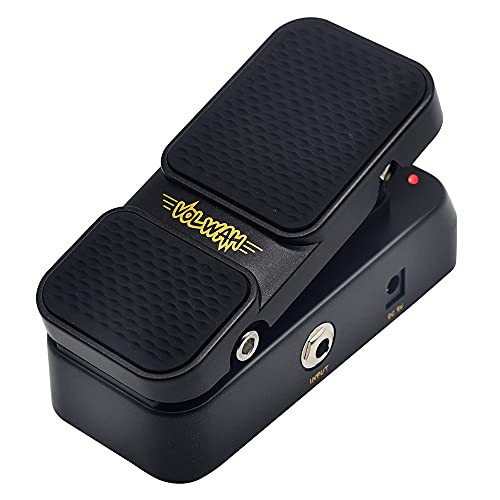
- Compact 2-in-1 wah and active volume pedal
- Active volume helps avoid impedance mismatch issues
- Hidden footswitch and LED mode indicators
Best For: Bass players who need a compact multi-function pedal
Bass-specific bundle
Dunlop 105Q Cry Baby Bass Wah Bundle
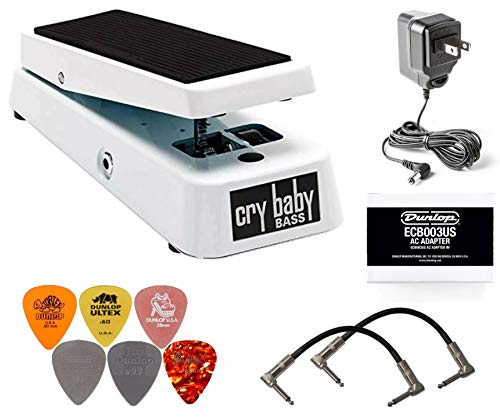
- Optimized for bass frequencies with low-end focus
- Separate Q and volume controls plus auto-return switching
- Includes patch cables, picks, and 9V adapter
Best For: Bassists who want a purpose-built wah with extras included
Classic signature pick
Dunlop Jimi Hendrix Signature Wah

- Throaty, expressive analog wah tone
- Compact 8-ounce pedal with standard 1/4-inch jack
- Battery powered and simple to use
Best For: Players who want a classic expressive wah in a compact format
Low-End Specialist – JIM DUNLOP 105Q Cry Baby Bass Wah Guitar Effects Pedal
If you’re comparing wah pedals for bass guitar, the Dunlop 105Q is one of the clearest bass-first options. It was designed specifically for bass players, with custom EQ and a tuned pot that keeps the low end intact while the wah effect focuses on the mids and highs.
Best For: Bass players who want a dedicated wah that preserves groove and fundamental low end.
Pros:
- Built specifically for bass with custom EQ and low-end protection
- Volume and Q controls help you shape the response
- Auto-return action makes it easy to step in and out quickly
- Classic, road-tested construction built for regular gig use
Cons:
- Full-size pedal takes more room on a board than mini designs
- Voicing is focused on mids and highs, so it is not a full-range filter effect
- Requires 9V power or battery, so setup depends on your rig
The 105Q is a practical choice if your priority is keeping bass weight while adding expressive wah movement. Its bass-specific tuning makes it a strong default pick for players who need a reliable, familiar pedal format.
Compact Filter Option – Ibanez WH10 V3 Wah Pedal
The Ibanez WH10 V3 is a bass-wah alternative worth considering if you want a compact analog pedal with a filtering-style effect. It runs on battery power, uses a simple knob-based control layout, and keeps the footprint smaller than many traditional wah designs.
Best For: Players who want a compact wah-style pedal with a straightforward analog setup.
Pros:
- Compact size makes it easier to fit on crowded pedalboards
- Analog signal path keeps the setup simple
- Battery-powered operation avoids relying on an adapter
- Light, practical format for portable rigs
Cons:
- Product notes do not describe a bass-specific voicing
- Limited details make it harder to compare tone shaping features
- Battery-powered design may not suit every board setup
If you want a small, straightforward wah pedal and are willing to trade away some bass-specific detail, the WH10 V3 is an easy pedal to place in a live rig. It is best viewed as a compact option rather than a purpose-built bass wah.
Mini Board Saver – Cry Baby Mini Bass Wah
For players shopping wah pedals for bass guitar, the Cry Baby Mini Bass Wah offers the same low-end-focused voice in a much smaller enclosure. It is designed to preserve your fundamental while adding an expressive sweep, and the mini format makes it easier to squeeze onto a tight board.
Best For: Bassists who want a smaller wah pedal without giving up the core bass-focused voicing.
Pros:
- Half-size housing saves pedalboard space
- Engineered to keep deep warmth and fundamental tone intact
- Volume and Q controls for dialed-in response
- Auto-return design supports quick, hands-free-style playing changes
Cons:
- Mini enclosure may be less comfortable for players who prefer larger pedals
- Battery-powered operation may not fit every setup
- Output details in the notes are limited to a volume-related effect listing
This is the easiest pick for bassists who want the 105Q-style feel in a smaller package. It balances practical size savings with the bass-specific response needed for groove-focused playing.
Classic Value Bundle – Dunlop Crybaby GCB-95 Classic Wah Pedal
The Dunlop Crybaby GCB-95 is the classic wah option in this roundup, and the bundle adds two free patch cables for a simple value play. If you’re looking at wah pedals for bass guitar, this is the most traditional guitar-style choice here, with a quick, abrupt wah sound from its 100k Hot Potz pot.
Best For: Players who want a classic wah sound and a bundled accessory value package.
Pros:
- Classic Crybaby format with a well-known wah character
- Hot Potz potentiometer is tuned for a quick, abrupt sweep
- Heavy die-cast construction for durability
- Includes two free patch cables
Cons:
- Not described as bass-specific in the supplied notes
- More traditional design may not preserve low end like bass-focused models
- Wah sound is abrupt, which may not suit every style
This bundle makes sense if you want the classic Crybaby feel and a little extra value out of the box. Bass players should note, though, that it is the least specialized bass option in this group.
Artist-Grade Bass Wah – Justin Chancellor Cry Baby® Wah
If you want wah pedals for bass guitar that can do more than a basic sweep, this signature Dunlop model is built around Justin Chancellor’s sound. It combines a modified Cry Baby wah, a U.K. filter inspired by his bass tone circuit, and a vintage U.K.-style fuzz, so you can shape thick, voice-like, aggressive textures from one pedal.
Best For: Bass players who want a signature wah/filter pedal with built-in fuzz and broad tone-shaping control.
Pros:
- Combines a wah, U.K. filter, and vintage-style fuzz in one unit
- Two rocker modes can be customized with Volume and Q controls
- Fuzz mode can be paired with either rocker mode or used independently
- Includes a Pedal Topper for simultaneous engagement of rocker and fuzz modes
Cons:
- More complex than a simple wah pedal
- Heavier and larger than mini-format options
- Signature feature set may be more than some players need
This is a strong choice if you want a bass wah that can move from lush filtering to crunchy fuzz without adding extra pedals. The control layout and dual-mode design make it especially useful for players who like to fine-tune their effect sound.
Mini Auto-Wah Pick – FLAMMA FC11 Auto Wah Pedal
FLAMMA FC11 Auto Wah Pedal Envelope Filter Guitar Effects Pedal True Bypass for Guitar and Bass
Check Price On AmazonFor players comparing wah pedals for bass guitar on a budget or in a compact setup, the FLAMMA FC11 focuses on simple envelope-filter style dynamics. It uses a pure analog circuit, is suitable for guitar and bass, and comes in a pocket-size metal enclosure that should fit easily on crowded boards.
Best For: Bass players who want a compact analog auto-wah/envelope filter with straightforward operation.
Pros:
- Suitable for both guitar and bass
- Pure analog circuit designed for a lush, warm sound
- Pocket-size enclosure saves pedalboard space
- Durable metal shell for everyday use
Cons:
- Power supply is not included
- Smaller layout may feel less flexible than larger pedals
- Auto-wah response may not replace a traditional foot-controlled wah
The FC11 is a practical pick if you want an envelope filter that stays small and simple. Its analog design and bass compatibility make it a useful entry point for players who want wah-like motion without a bulky pedal.
Classic Wah Benchmark – Dunlop Original Cry Baby Standard Wah
If you’re shopping wah pedals for bass guitar and want the classic reference point, the Dunlop Original Cry Baby Standard Wah delivers the familiar bold sweep it’s known for. It uses a red Fasel Inductor, heavy-duty die-cast housing, and a Hot Potz potentiometer, giving it the straightforward, expressive feel many players expect from a standard wah.
Best For: Bassists who want a traditional, full-size wah with an iconic sound and rugged build.
Pros:
- Classic Cry Baby sound with an assertive, pronounced sweep
- Red Fasel Inductor for a lush, expressive tone
- Heavy-duty die-cast housing for durability
- Hot Potz potentiometer rated for one million cycles
Cons:
- Traditional wah design without extra filter or fuzz features
- Full-size pedal may take up more board space
- Basic control set compared with modern multi-mode options
This is the safest choice if you want a proven wah foundation instead of specialty extras. It’s a sturdy, recognizable pedal that focuses on one job: delivering a strong, expressive wah sound.
Mini dual-mode option – SONICAKE VolWah 2-in-1 Active Wah/Volume
If you want one of the more versatile wah pedals for bass guitar, the SONICAKE VolWah gives you a compact 2-in-1 setup with active volume and vintage-style wah in one mini enclosure. The active volume design is meant to help avoid impedance mismatch issues, and the hidden footswitch lets you switch modes without adding extra pedals to your board.
Best For: Bass players who want a small, dual-purpose pedal with active volume control and classic wah behavior.
Pros:
- 2-in-1 active volume and wah pedal saves space on a pedalboard.
- Active volume control is designed to reduce impedance mismatch troubles.
- Hidden footswitch makes it easy to switch between volume and wah modes.
- Two LED indicators show which mode is engaged.
Cons:
- Requires a TRS cable for proper gradual volume control.
- Power adapter is not included.
- Mini size may appeal more to players prioritizing portability than a full-size treadle feel.
Overall, this is a practical pick if you want a lightweight, space-saving pedal that can cover both wah and active volume duties. The tradeoff is that it depends on the right cabling, but the feature set is unusually flexible for the size.
Bass-specific bundle – Dunlop 105Q Cry Baby Bass Wah Bundle
For players shopping for wah pedals for bass guitar, the Dunlop 105Q stands out because it is specifically optimized for bass frequencies and designed to keep the low-end fundamental intact. This bundle adds useful extras, including patch cables, picks, and a 9V adapter, so it is ready for a straightforward setup.
Best For: Bassists who want a bass-specific wah with added accessories in one package.
Pros:
- Optimized for bass frequencies.
- Separate Q and volume controls offer more shaping options.
- Auto-return switching adds convenience.
- Bundle includes 2 patch cables, 6 picks, and a Dunlop 9V adapter.
Cons:
- Bundle extras may be unnecessary if you already own cables and picks.
- Uses a corded power setup rather than battery power.
- Compact format may not appeal to players wanting a larger footprint.
This is a solid choice when low-end preservation matters more than a general-purpose wah sound. The included accessories make it especially practical for a bassist starting from scratch or replacing several pieces at once.
Classic signature pick – Dunlop Jimi Hendrix Signature Wah
If you are comparing wah pedals for bass guitar and want a classic pedal with a distinctive voice, the Dunlop Jimi Hendrix Signature Wah delivers a throaty, expressive sound in a compact analog format. It runs on battery power and keeps the setup simple with a standard 1/4-inch audio connection.
Best For: Players who want a straightforward, expressive wah pedal with a classic signature feel.
Pros:
- Throaty, expressive sound profile.
- Compact and lightweight at 8 ounces.
- Battery powered for simple portable use.
- Analog design with a standard 1/4-inch audio jack.
Cons:
- Not described as bass-optimized like some dedicated bass wah models.
- Pedal only, with no included accessories.
- Battery-powered setup may not suit everyone.
This is a clean, no-frills wah option for players who value classic tone and a small footprint. If your priority is a bass-specific frequency response, you may want to compare it against more dedicated bass wah designs first.
How We Picked These Wah Pedals for Bass Guitar
We focused on pedals that make sense for real bass playing: strong low-end retention, controllable sweep, reliable switching, and practical size for stage or studio use. We also considered whether each pedal is purpose-built for bass or better suited as a crossover option for players who want a more guitar-like wah voice.
Because Wah Pedals for Bass Guitar can behave very differently from standard guitar wahs, we prioritized units that are known to preserve punch, respond well to active or passive basses, and offer tones that work across funk, rock, metal, and experimental playing.
Quick Comparison
Some models here are true bass wahs with deeper voicing and low-end support, while others are compact or multi-function pedals that may appeal to players with limited pedalboard space. If your main goal is a dedicated bass wah, start with bass-specific designs first. If you want extra utility, a combo or auto-wah can be a smart alternative.
Key Buying Factors for Wah Pedals for Bass Guitar
Low-End Preservation
The most important factor is whether the pedal thins out your bass. A good bass wah should keep the body of the note intact, especially on lower strings and sustained lines.
Sweep Character
Different wahs emphasize different frequency ranges. Some sound deep and smooth, while others are sharper and more aggressive. Choose based on whether you want a subtle filter effect or a pronounced vocal sweep.
Bypass, Power, and Control
True bypass, power compatibility, and pedal feel matter on a live board. Bass players often benefit from pedals with simple operation, dependable switching, and enough room for expressive foot control.
Size and Rig Fit
Mini pedals and combo units can help if space is tight, but larger treadle designs often feel better for precise performance. Consider how the pedal fits with your tuning, compressor, and drive pedals.
Effect Type
A standard wah is the classic choice, but auto-wah and envelope filter styles can be more rhythmic and touch-sensitive. For Wah Pedals for Bass Guitar, that distinction can matter as much as brand name.
Who Should Buy Which Wah Pedals for Bass Guitar?
Pick a dedicated bass wah if you want the most reliable low-end response and the widest usable sweep. Choose a compact or multi-effect option if portability and board space matter more than absolute authenticity. If you play funk, slap, or groove-based styles, an envelope-style pedal may be the fastest route to the sound you want. If you need a broader rock voice or want a familiar classic wah feel, a standard wah can still work well, especially for players who don’t mind a more colored response.
In short, the best choice depends on how much bass you need to preserve, how much space you have, and whether you want a classic wah, a bass-optimized sweep, or a more modern filter effect.