Fuzz Face style pedals remain a favorite for players chasing thick, expressive fuzz with strong guitar-volume cleanup and classic character. From vintage-voiced reissues to modern takes, the right pedal can shape your entire lead and rhythm sound.
This roundup highlights 10 of the best options for 2026, with picks that suit studio recording, gigging, and players who want the simplest path to iconic fuzz.
Best 10 Fuzz Face Style Pedals Picks for 2026
Iconic Vintage Reissue
Jimi Hendrix Fuzz Face Distortion

- Faithful 1969-70 Dallas Arbiter reproduction
- BC108 silicon transistor
- Runs on a single 9V battery
Best For: Players chasing a classic Hendrix-era fuzz sound
Modern Boutique
FuzzCat Handmade FF-Style Pedal

- Vintage 1972 British Arbiter-inspired circuit
- Strong clean-up response from guitar volume
- Hybrid hand-soldered construction
Best For: Players wanting boutique fuzz with modern stability
Pedalboard Compact
Dunlop Band of Gypsys Fuzz Face Mini

- Mini enclosure for pedalboard use
- Octavio-based circuit without octave-up
- Includes AC power jack and LED
Best For: Players who need a compact fuzz for live pedalboards
DIY-Style Fuzz Builder
Hand-made Classic Fuzz Distortion Pedal

- JMI-H-style silicon fuzz design
- External bias control for tonal shaping
- Solderless block for easy transistor swaps
Best For: Tinkerers who want an adjustable hand-made fuzz
Vintage-to-Modern Fuzz Utility
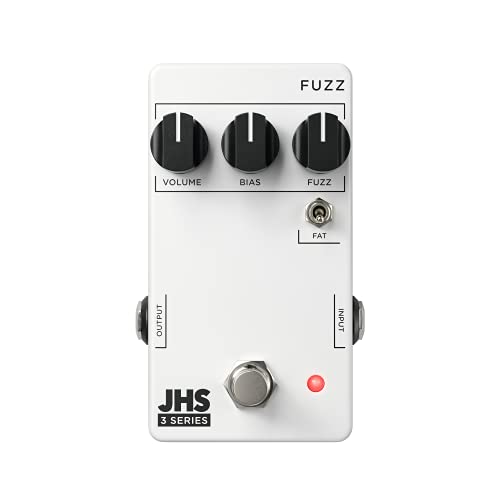
- Bias knob shifts into gated fuzz tones
- Fuzz control stays usable across the full sweep
- Fat toggle adds bass boost and more heft
Best For: Players who want a versatile fuzz with classic and modern options
Classic Hendrix Clone in Mini Form

- Exact same circuit as the classic JHF1
- Mini enclosure is pedalboard-friendly
- Includes LED, AC jack, and battery door
Best For: Players who want the classic Hendrix circuit in a compact pedal
Budget Cream-to-Muff Fuzz
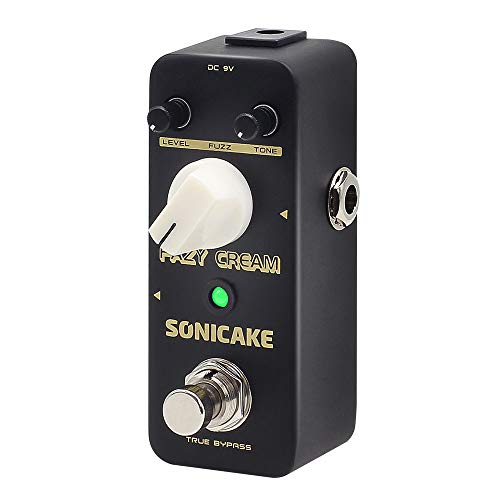
- Analog circuit ranges from creamy fuzz to high gain
- Wide tone control moves from dark to aggressive
- Works with both guitar and bass
Best For: Players who want an affordable multi-style fuzz for guitar or bass
Mini Classic
Germanium Fuzz Face Mini Distortion

- Mid-'60s germanium-based Fuzz Face design
- Compact pedalboard-friendly housing
- Warm, mid-range focused distortion
Best For: Players wanting compact vintage-leaning fuzz
Vintage Original

- Exact-spec reproduction of the original Dallas-Arbiter design
- Rugged vintage-style construction
- Classic 60s and 70s fuzz voice
Best For: Those seeking the most original-style Fuzz Face
Silicon Bundle
Dunlop JHF1 Fuzz Face Distortion Pedal Bundle

- 1969–70 Dallas Arbiter Fuzz Face reproduction
- BC108 silicon transistor version
- Includes 2 patch cables and 2 instrument cables
Best For: Shoppers wanting a ready-to-play silicon Fuzz Face bundle
Iconic Vintage Reissue – Jimi Hendrix Fuzz Face Distortion
If you want one of the most recognized fuzz face style pedals, this Jimi Hendrix reissue stays close to the 1969-70 Dallas Arbiter original. It uses a BC108 silicon transistor and is built to the original specs, so it’s a straightforward choice for players chasing that classic fuzz voice.
Best For: Players who want a faithful Hendrix-era Fuzz Face sound with simple battery-powered operation.
Pros:
- Meticulously faithful reproduction of the 1969-70 Dallas Arbiter Fuzz Face
- BC108 silicon transistor for a toneful vintage-style fuzz response
- Simple 9V battery power keeps the setup minimal
- Analog distortion design with classic one-knob control style
Cons:
- Battery-powered only, with no included AC power option listed
- Larger enclosure than mini-format pedals
Overall, this is the most traditional pick here for players who value authenticity over added features. If your goal is a classic, no-frills fuzz face style pedal with a direct link to the original design, this one fits the brief well.
Modern Boutique – FuzzCat Handmade FF-Style Pedal
This fuzz face style pedal takes a vintage 1972 British Arbiter-inspired circuit and updates it for modern use. The FuzzCat aims for the expressive, cleanup-friendly behavior players expect from classic fuzz, while adding stability, lower noise, and a hybrid hand-built construction.
Best For: Guitarists who want a boutique FF-style fuzz with strong cleanup response and modern reliability.
Pros:
- Vintage-inspired FF-style voice with a warm, mid-range focused sound profile
- Excellent clean-up response from the guitar volume knob
- Hand-picked silicon transistors for stability and silky highs
- Hybrid assembly with hand-soldered through-hole components on critical paths
Cons:
- Less strictly vintage-correct than a full historical reissue
- Detailed tonal shaping may require some experimenting with guitar volume and controls
The FuzzCat is a strong pick if you want the character of fuzz face style pedals without sacrificing practical stage or studio reliability. Its cleanup behavior and updated build approach make it especially appealing for players who ride the volume knob.
Pedalboard Compact – Dunlop Band of Gypsys Fuzz Face Mini
For players who like fuzz face style pedals but need a smaller footprint, this mini version captures Jimi’s Band of Gypsys-era sound in a pedalboard-friendly enclosure. It’s based on an Octavio circuit without the octave-up signal, giving you a focused take on that live fuzz character.
Best For: Guitarists who want a compact Fuzz Face-style pedal for pedalboard-friendly setups.
Pros:
- Compact mini enclosure saves space on crowded pedalboards
- Based on an Octavio circuit without octave-up signal
- Includes an AC power jack for easier powered setups
- On/off status LED helps with live visibility
Cons:
- Mini format may feel less traditional than a full-size Fuzz Face
- Uses corded electric power rather than battery-only operation
This is a practical option if you want the vibe of classic fuzz face style pedals in a smaller, easier-to-place format. It’s especially useful for live rigs where space, visibility, and power convenience matter.
DIY-Style Fuzz Builder – Hand-made Classic Fuzz Distortion Pedal
This hand-made fuzz face style pedal is aimed at players who want a classic JMI-H-style fuzz with extra flexibility. It uses a silicon fuzz circuit with external bias control, a trimmer for adjustment, and a solderless terminal block that makes transistor replacement easier.
Best For: Tinkerers and players who want a hand-built fuzz with adjustable bias and simple transistor swapping.
Pros:
- Classic silicon fuzz design modeled after a JMI-H-style sound
- External bias control expands tonal options
- Solderless terminal block supports quick NPN transistor replacement
- Can cover synth sound, clean-up, and distortion tones
Cons:
- More adjustment-focused than a plug-and-play vintage reissue
- Hand-made DIY style may appeal less to players wanting a strict original-style build
This pedal stands out if you want to explore different fuzz textures rather than just lock into one classic setting. Among fuzz face style pedals, it offers a more experimental path with useful bias control and hands-on tweakability.
Vintage-to-Modern Fuzz Utility – JHS 3 Series Fuzz
The JHS Pedals 3 Series Fuzz is a strong pick if you want fuzz face style pedals that move beyond one fixed vintage sound. Its bias control lets you push into a more gated character, while the fuzz knob stays usable across the full sweep for textures that can lean into distortion and amp-like overdrive.
Best For: Players who want a versatile fuzz that can cover classic sustain, gated tones, and dirty boost-like sounds.
Pros:
- Bias knob adds a gated, more broken-up fuzz option
- Fuzz control works across the full sweep for broad tone shaping
- Fat toggle adds bass boost for a fuller sound
- Made in Kansas City, USA with low 9mA current draw
Cons:
- Not a strict one-to-one vintage fuzz face clone
- Requires 9V DC negative-center power
Overall, this pedal is a practical choice for players who want fuzz face style pedals with more flexibility than a pure clone. It should suit anyone who wants one fuzz that can cover several usable flavors without becoming complicated.
Classic Hendrix Clone in Mini Form – Jimi Hendrix Fuzz Face Mini
The Jimi Hendrix Fuzz Face Mini Distortion is the straightforward choice if you want fuzz face style pedals with the classic circuit intact. It uses the exact same circuit as the Hendrix Fuzz Face, but places it in a pedalboard-friendly mini enclosure with practical extras like an LED, AC power jack, and battery door.
Best For: Players who want the classic Hendrix Fuzz Face circuit in a smaller, easier-to-board package.
Pros:
- Exact same circuit as the classic JHF1 Hendrix Fuzz Face
- Compact mini housing saves pedalboard space
- Status LED and AC power jack add convenience
- Battery door makes battery changes easy
Cons:
- Less flexible than more modern fuzz designs
- Mini format may feel cramped for players who prefer larger enclosures
This is the best fit for players who want the familiar Hendrix-style experience without giving up board space. If your goal is classic fuzz face behavior in a smaller pedal, this one keeps things simple and authentic.
Budget Cream-to-Muff Fuzz – SONICAKE Fazy Cream
The SONICAKE Fazy Cream is a good option if you want fuzz face style pedals with a wider range than a simple vintage fuzz. Its analog circuit covers everything from creamy fuzz to high-gain, Muff-style distortion, and the wide tone control makes it easy to push from dark to aggressive sounds.
Best For: Guitarists or bass players who want an affordable fuzz pedal that can cover multiple heavy textures.
Pros:
- 100% analog circuit for classic-style fuzz behavior
- Ranges from creamy fuzz to high-gain distortion
- Wide tone control spans dark to aggressive settings
- Works with guitar and bass
Cons:
- 9V power supply is required but not included
- True bypass only; no extra onboard features mentioned
For players who want one budget pedal that can move beyond vintage fuzz face sounds, this is a flexible pick. It is especially appealing if you need a simple analog fuzz that can handle both guitar and bass.
Mini Classic – Germanium Fuzz Face Mini Distortion
If you want fuzz face style pedals with a smaller footprint, this Mini Classic version keeps the mid-’60s germanium flavor in a pedalboard-friendly enclosure. It’s a practical pick for players who want warm, mid-range focused distortion without sacrificing the original-style character.
Best For: Guitarists who want vintage-leaning germanium fuzz in a compact format.
Pros:
- Based on mid-’60s Fuzz Face designs with slightly mismatched germanium transistors
- Pedalboard-friendly mini housing
- Status LED, AC power jack, and battery door included
- Warm, mid-range focused sound profile
Cons:
- Uses a distortion-style Fuzz Face voicing rather than a broader multi-mode fuzz design
- Mini enclosure may feel less traditional than full-size versions
This is a strong choice if your priority is classic fuzz face style pedals in a smaller, easier-to-place format. It stays close to the vintage germanium idea while adding modern convenience features for everyday use.
Vintage Original – Fuzz Face Distortion
For buyers comparing fuzz face style pedals, this model is the closest match to the original Dallas-Arbiter recipe. It is built to the exact specifications of the original vintage unit and uses a single 9V battery setup, making it a straightforward pick for classic fuzz tones.
Best For: Players who want an original-spec Fuzz Face experience.
Pros:
- Built to the exact specifications of the original Dallas-Arbiter Fuzz Face
- Rugged construction based on original vintage specs
- Classic fuzz box associated with 60s and 70s rock tones
- Simple battery-powered operation
Cons:
- Single 9V battery power may be less convenient than modern power options
- Controls are minimal, so it stays focused on one core fuzz voice
If authenticity matters most, this is the most direct route to the traditional Fuzz Face sound and feel. It is best suited to players who want the original-style experience rather than a modern reinterpretation.
Silicon Bundle – Dunlop JHF1 Fuzz Face Distortion Pedal Bundle
Dunlop JHF1 Fuzz Face Distortion Pedal - Bundle with 2 Patch Cables and 2 Instrument Cables
Check Price On AmazonThis bundle is a useful option if you’re shopping fuzz face style pedals and want the pedal plus the cables to get started. It reproduces the 1969–70 Dallas Arbiter Fuzz Face Jimi used on classic albums, and it uses BC108 silicon transistors for its vintage voice.
Best For: Players who want a vintage-inspired silicon Fuzz Face with cables included.
Pros:
- Reproduction of the 1969–70 Dallas Arbiter Fuzz Face
- Uses BC108 silicon transistors
- Includes 2 patch cables and 2 instrument cables
- Analog pedal with classic fuzz-focused design
Cons:
- Bundle adds cables, which may be unnecessary if you already have them
- Single-purpose vintage-style design keeps it narrowly focused
As a bundle, this is a convenient way to get into the Fuzz Face format without needing to source extra cables separately. It’s especially appealing if you want a silicon take on the classic circuit and a ready-to-play package.
How We Picked These Fuzz Face Style Pedals
We focused on the traits players most often want from Fuzz Face Style Pedals: responsive cleanup, usable gain range, stable performance, and a tone that still feels musical when the volume knob is rolled back. We also looked for a mix of germanium-leaning and silicon-leaning designs, plus mini and full-size formats so different pedalboards and budgets are covered.
Quick Comparison
In general, the most vintage-accurate designs tend to reward guitar volume control more noticeably, while modernized circuits may offer more consistency, tighter low end, or easier integration with boards and power supplies. Mini versions save space, while larger enclosures often provide the most traditional control feel and easier access to the knobs.
Key Buying Factors for Fuzz Face Style Pedals
Cleanup and Dynamics
The biggest reason players choose this style is the ability to move from full fuzz to a cleaner, brighter edge without changing pedals. If you ride your guitar volume often, prioritize a pedal known for strong cleanup.
Germanium Vs. Silicon Voicing
Germanium-style circuits are often associated with softer attack, warmer compression, and a more vintage response. Silicon-style versions usually sound brighter, tighter, and more aggressive. Either can be right depending on your amp and playing style.
Power and Board Compatibility
Check whether the pedal prefers battery operation, standard 9V power, or has specific polarity or current expectations. Some fuzz designs can be sensitive to what sits before them in the signal chain, especially buffered pedals and tuners.
Size, Controls, and Live Use
Mini pedals help crowded boards, but full-size units can be easier to adjust on stage. If you perform live, consider knob spacing, footswitch feel, and how predictable the pedal is under changing venue volume.
Who Should Buy Which Fuzz Face Style Pedals?
If you want the most classic feel, look for the versions that emphasize vintage response and cleanup. If you need a board-friendly option, a mini enclosure may be the smarter choice. Players who want a straightforward modern fuzz for rehearsals and recording can lean toward more contemporary designs with stronger consistency and simpler power needs.
For most buyers, the best choice comes down to whether you value authenticity, convenience, or versatility. The right Fuzz Face Style Pedals should sound great with the guitar volume at full tilt, but also stay musical when you back off and let the amp breathe.