Mini distortion pedals are a smart choice when you want aggressive drive without giving up precious pedalboard space. The best models can handle anything from classic crunch to modern high-gain riffing.
In this roundup, we focused on compact pedals that balance tone shaping, noise control, and real-world versatility for practice, recording, and live use.
Best 10 Mini Distortion Pedals Picks for 2026
Compact two-mode distortion
Mooer Black Secret micro distortion pedal

- Vintage and turbo modes
- Warm to higher-gain tones
- Tiny metal housing saves space
Best For: Players who want a small pedalboard-friendly distortion with two gain voices
Compact high-gain option
Donner Morpher 3-mode distortion pedal

- Three distortion voicings
- High-gain tone for riffs and leads
- True bypass with aluminum-alloy build
Best For: Players who want a small, durable distortion pedal with multiple high-gain modes
Flexible analog gain
JOYO Splinter JF-21 fuzz-distortion mini pedal
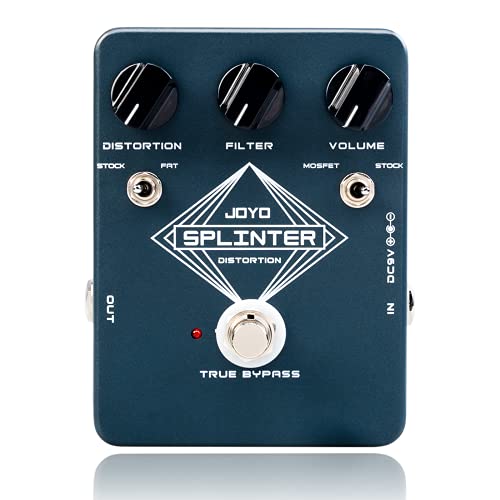
- Hybrid fuzz and distortion voice
- FAT and MOSFET toggles
- Simple 3-knob tone shaping
Best For: Players who want one mini pedal that can cover crunch, fuzz, and heavier distortion
Aggressive metal choice
EX Inferno death metal mini distortion pedal

- Raw, Brutal, and Inferno modes
- Made for metal and hard rock
- Top-mounted jacks and true bypass
Best For: Metal players who want a compact, no-frills high-gain pedal for heavy rhythms and leads
Mini Heavy Metal Boost Distortion
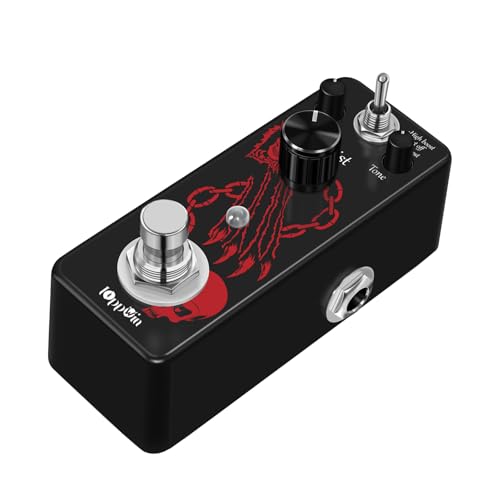
- 3-mode design with Lo Boost, Hi Boost, or bypass
- Mini metal casing with true bypass
- Heavy distortion voiced with scooped mids
Best For: Metal players wanting a small pedal with boost modes
Mini Dynamic High-Gain Distortion

- Analog breakup tones from edge-of-breakup to high gain
- Simple knob layout for fast tone changes
- Lightweight aluminum housing for portable rigs
Best For: Players wanting a versatile compact analog distortion
Compact Crunch Distortion

- True bypass for clean signal preservation
- Integrated noise reduction to limit hiss
- Aluminum alloy body for portable durability
Best For: Budget-minded players who need a simple mini distortion pedal
Mid-Scooped Metal Distortion

- Two modes, including Bass Cut for tighter lows
- Analog circuit for full-bodied mid to high gain tones
- True bypass and compact metal chassis
Best For: Players who want a compact, metal-friendly distortion with bass control
Vintage Tube-Style Drive

- HP/LP modes for two distinct voicings
- Open, high-dynamic-range tube-amp-style sound
- True bypass in a lightweight metal enclosure
Best For: Players wanting an amp-like mini distortion with simple mode switching
Compact two-mode distortion – Mooer Black Secret micro distortion pedal
The Mooer Black Secret is a compact option for players comparing mini distortion pedals and wanting a small footprint without giving up useful gain range. Its two working modes let you move from a warm vintage voice to a much hotter turbo setting, so it can cover both classic grit and more aggressive distortion.
Best For: Guitarists who want a tiny analog distortion pedal that can switch from vintage warmth to higher-gain punch.
Pros:
- Two modes: vintage and turbo for different distortion levels.
- Vintage mode aims for a warm, smooth tone.
- Turbo mode delivers a stronger, more powerful output.
- Very small metal enclosure helps conserve pedalboard space.
Cons:
- Only a basic control set is listed in the supplied details.
- Compact size may mean fewer tone-shaping options than larger pedals.
If you want a straightforward micro-sized distortion with a simple two-voice layout, this pedal is built for practicality. The Black Secret focuses on space-saving design and a clear split between vintage and turbo sounds.
Compact high-gain option – Donner Morpher 3-mode distortion pedal
The Donner Morpher is a mini distortion pedal aimed at players who want high-gain sounds in a compact enclosure. Its three modes are designed for broader playability, with a transparent true-bypass path and a rugged aluminum-alloy body that should fit easily into a tight setup.
Best For: Guitarists looking for a mini high-gain distortion pedal with three voicings and true bypass.
Pros:
- Three distortion modes for more tonal variety.
- High-gain sound is suited to shredding and riffing.
- True bypass helps keep the signal transparent when disengaged.
- Durable aluminum-alloy construction with clear indicator lights.
Cons:
- Power supply is not included.
- Requires a 9V DC center-negative adapter with at least 500mA current for optimal performance.
For players chasing a compact pedal with a heavier voice, the Morpher is a practical choice. It emphasizes gain, flexibility, and stage-ready build quality rather than boutique-style complexity.
Flexible analog gain – JOYO Splinter JF-21 fuzz-distortion mini pedal
The JOYO SPLINTER is a mini distortion pedal that blends distortion and fuzz flavors into one analog design. With FAT and MOSFET toggle switches, plus simple distortion, filter, and volume controls, it gives you enough range to move from tight crunch to thicker, more saturated tones without taking up much space.
Best For: Players who want an analog mini distortion pedal that can shift between crunchy drive, fuzz-like grit, and fuller voicings.
Pros:
- All-analog design with a fuzz and distortion hybrid character.
- FAT and MOSFET toggles add useful voicing options.
- Distortion, filter, and volume knobs make tone shaping simple.
- Socketed op-amp chip allows customization if you want to experiment.
Cons:
- Opening the pedal to swap the chip voids the warranty.
- Battery is not included.
- Adapter is also not included.
This is a strong pick if you want a compact pedal that can cover several gritty styles. The SPLINTER stands out for its flexible voicing switches and its ability to move beyond a standard distortion sound.
Aggressive metal choice – EX Inferno death metal mini distortion pedal
The EX Inferno is a mini distortion pedal built for metal and hard rock players who want extreme gain in a compact format. Its three-mode toggle, level tone, and distortion controls give you direct access to brutal sounds while the true-bypass circuit and top-mounted jacks help it work well on crowded pedalboards.
Best For: Metal and hard rock players who want a compact high-gain distortion pedal with simple controls and three modes.
Pros:
- Designed for extreme metal and hard rock tones.
- Three modes: Raw, Brutal, and Inferno.
- Level, Tone, and Distortion knobs offer straightforward control.
- True-bypass analog circuitry and top-mounted jacks suit tight pedalboard layouts.
Cons:
- Adapter is not included.
- Requires a 9V DC negative-tip power supply.
- Extremely high-gain voicing may be more specialized than general-purpose distortion.
If your priority is aggressive gain in a small footprint, the EX Inferno keeps the control set focused and practical. It is built around heavy tones first, with layout details that make it easy to integrate into a live rig.
Mini High-Gain EQ Distortion – Pogolab Mini Analog Distortion Pedal
If you want mini distortion pedals that still give you real tone-shaping control, the Pogolab is built for players who like to dial things in. Its high-gain analog circuit offers a wide adjustment range, while the separate Gain, Vol, Mid, and Treble knobs make it easier to fine-tune your sound than a simple one- or two-knob drive.
Best For: Guitarists who want a compact distortion pedal with flexible EQ control for practice, recording, or small boards.
Pros:
- High-gain distortion with wide adjustment range and good dynamic response.
- Separate Gain, Vol, Mid, and Treble controls for more detailed tone shaping.
- True bypass helps keep your signal intact when the pedal is off.
- Solid aluminum-alloy build with indicator light for easy status checking.
Cons:
- Requires a DC 9V center-negative adapter, which is not included.
- Not as stripped-down if you prefer a very simple distortion setup.
This is a practical choice if you want a mini distortion pedal that goes beyond basic gain and volume control. The added mid and treble shaping makes it more adaptable for different guitars and amps, while the compact footprint keeps it pedalboard-friendly.
Mini Heavy Metal Boost Distortion – HOLY WAR 3-Mode Pedal
Among mini distortion pedals, the HOLY WAR stands out for players who want a heavier voice and quick mode switching. It offers three modes, letting you toggle between Lo Boost, Hi Boost, or bypass, and its heavy metal tuning is aimed at a scooped-mids sound that works well when you want more aggression.
Best For: Guitarists looking for a compact heavy-metal distortion with boost options and true bypass.
Pros:
- Three-mode design lets you switch between Lo Boost, Hi Boost, or bypass.
- Mini metal casing is built for road use and pedalboard space savings.
- True bypass helps preserve your guitar tone when the pedal is off.
- Low 20mA draw and 9V power make it easy to fit into standard setups.
Cons:
- Power adapter is not included.
- Heavy distortion with scooped mids may not suit players wanting a more neutral drive.
This pedal makes sense if your priority is a compact, high-energy distortion with built-in boost flexibility. It is less about subtle breakup and more about delivering a bold metal-oriented sound in a small enclosure.
Mini Dynamic High-Gain Distortion – RVONE Analog Guitar Pedal
If you are comparing mini distortion pedals for a compact stage or studio rig, the RVONE is designed around dynamic analog breakup and easy control. It moves from edge-of-breakup warmth to higher-gain saturation while keeping note clarity, so it can cover both rhythm crunch and lead sustain without sounding overly processed.
Best For: Guitarists who want a small analog distortion pedal for everything from practice to recording and live use.
Pros:
- Analog circuit is tuned for tube-amp-style breakup and distortion textures.
- Dynamic range handles bluesy edge-of-breakup tones through high-gain saturation.
- Simple knob layout makes tone changes quick on stage.
- Lightweight aluminum housing is built for portable gigging.
Cons:
- DC 9V 100mA center-negative power supply is required and not included.
- Minimal control layout may be limiting if you want deeper EQ shaping.
This is a strong pick if you want a compact distortion pedal that stays versatile across amps, interfaces, and live setups. It focuses on clear, playable gain rather than extra features, which is useful for players who want a straightforward analog drive.
Compact Crunch Distortion – Kmise Mini Single Type
Kmise Crunch Distortion Electric Guitar Effects Pedal,DC 9V True Bypass 3 Modes.
Check Price On AmazonIf you want one of the more affordable mini distortion pedals for simple, no-fuss gain, the Kmise Crunch Distortion keeps the setup straightforward. It’s a compact true-bypass pedal with gain, volume, and tone controls, plus integrated noise reduction to help keep the signal quieter when the effect is engaged.
Best For: Players who want a small, budget-friendly distortion pedal for easy gigging and basic tone shaping.
Pros:
- True bypass helps preserve your clean signal when the pedal is off.
- Integrated noise reduction is designed to reduce common distortion circuit noise swells.
- Simple gain, volume, and tone controls make dialing in a sound quick and easy.
- Aluminum alloy body keeps it lightweight and sturdy for transport.
Cons:
- Adapter is not included.
- The control layout is basic compared with more feature-heavy mini distortion pedals.
Overall, this Kmise pedal is a practical pick if you want compact distortion with an uncomplicated control set and true-bypass operation. It focuses on portability and usability rather than extra voicing options.
Mid-Scooped Metal Distortion – SORAN JDS-01 Crazy Train
The SORAN JDS-01 is a mini distortion pedal built around an analog circuit inspired by the classic orange box sound, with enough flexibility to cover mid-to-high-gain riffs and solos. Its Bass Cut mode makes it especially useful if you want a tighter, more recessed low end for metal-style tones, while true bypass keeps the dry signal untouched when the pedal is off.
Best For: Guitarists looking for a compact distortion pedal with a tighter bass response and a more metal-leaning voice.
Pros:
- Two selectable modes add versatility, including a Bass Cut setting for tighter low end.
- Analog distortion is voiced for full-bodied mid to high gain sounds.
- True bypass helps avoid tone loss, buzzing, and popping when disengaged.
- Rugged metal chassis and compact size fit crowded pedalboards.
Cons:
- Adapter is not included.
- Designed for 9V DC power and works best with an appropriate supply.
This is a strong choice if you want one of the mini distortion pedals that can move from standard drive into a more scooped, riff-ready character. The Bass Cut control gives it a useful edge for heavier playing styles.
Vintage Tube-Style Drive – FLAMMA FC06 Mini
The FLAMMA FC06 is a mini distortion pedal aimed at players who want an open, amp-like drive with flexible voicing. Its HP and LP modes let you either add more low-end and a slight high-mid lift or keep the original sound more subtly colored, making it easy to tailor the pedal to your setup.
Best For: Guitarists who want a compact distortion pedal with boost-like flexibility and a vintage tube amp feel.
Pros:
- HP and LP modes provide two useful distortion flavors.
- High dynamic range and open sound are designed to resemble vintage tube amp tones.
- True bypass keeps your signal untouched when the pedal is off.
- Lightweight metal enclosure makes it easy to carry and place on a board.
Cons:
- Power supply is not included.
- Requires a 9V DC supply with at least 6mA.
If you want a flexible mini distortion pedal that leans more open and amp-like than aggressively compressed, the FC06 is a solid fit. The mode switch gives it enough range to work as both a light boost and a more obvious drive.
How We Picked the Best Mini Distortion Pedals
We looked for Mini Distortion Pedals that offer useful gain ranges, practical EQ or voicing controls, true bypass switching, and compact enclosures that fit easily on crowded boards. We also favored pedals with multiple modes or switchable voicings because they give more tonal flexibility in a small footprint.
Quick Comparison
As you compare options, think in terms of voicing rather than just gain. Some pedals lean toward tight modern distortion with sharper attack, while others are better for warmer crunch or heavier metal tones. A few models add boost, filter, or bass-cut functions, which can be especially helpful if you need one pedal to cover several styles.
Key Buying Factors for Mini Distortion Pedals
Gain Character
Choose a pedal based on the kind of distortion you actually play. Classic-rock players usually want responsive crunch and dynamic cleanup, while metal players may prefer tighter low end and more aggressive saturation.
Tone-Shaping Controls
EQ controls, mode switches, and filter options help you adapt the pedal to different guitars and amps. If your rig already sounds bright or dark, these controls can make a bigger difference than extra gain.
Bypass and Noise Performance
True bypass is a useful feature when you want to preserve your clean signal. It is also worth checking how well a pedal handles hiss, especially at higher gain settings.
Size and Power Requirements
The main appeal of Mini Distortion Pedals is board efficiency. Before buying, make sure the pedal fits your power supply setup and leaves enough room for patch cables and adjacent switches.
Who Should Buy Which Mini Distortion Pedals?
If you want the smallest possible footprint with versatile tones, look for models with multiple modes and broad EQ control. If you mainly need straightforward crunch, a simpler analog design may be the better fit. Players chasing heavier modern sounds should prioritize tight low end, boost options, and stronger mid control. For most buyers, the best choice is the pedal that matches your amp, guitar pickups, and preferred style—not just the one with the most gain on paper.