If you want your clean tones to breathe, shimmer, and move across the stereo field, the right tremolo pedal can transform an otherwise static rig.
These 10 stereo tremolo pedals cover everything from simple analog depth control to premium multi-effect designs, so you can match the feel, features, and footprint to your setup.
Best 10 Stereo Tremolo Pedals Picks for 2026
Classic Analog Tremolo
BOSS TR-2 Tremolo Guitar Pedal
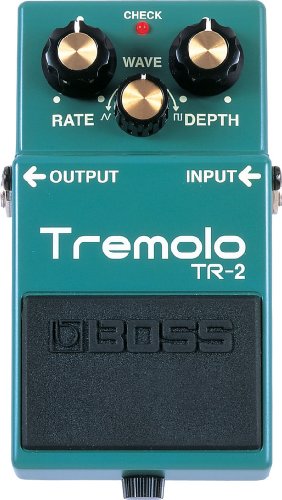
- Wave, Rate, and Depth controls
- Wave knob shifts triangle to square
- Compact analog stompbox
Best For: Players who want a simple, hands-on tremolo pedal
Harmonic Trem Voice

- Amp trem and harmonic trem toggle
- Compact, portable design
- Runs on 9V DC negative center power
Best For: Players who want a portable harmonic trem with simple controls
Dual-Effect Studio Pedal
Strymon Flint Tremolo and Reverb Pedal V2

- Three tremolo modes and three reverb modes
- Dedicated mix, intensity, and speed controls
- Separate tremolo and reverb footswitches
Best For: Players who want tremolo and reverb in one versatile pedal
Feature-Rich Modulation

- Six tremolo styles in one pedal
- Stereo, tap tempo, and expression modes
- Speed, Gain, and Depth controls
Best For: Players who want a wide range of tremolo voices and advanced control
Reverb-and-Tremolo Combo
Keeley Eddie Heinzelman Verb o Trem
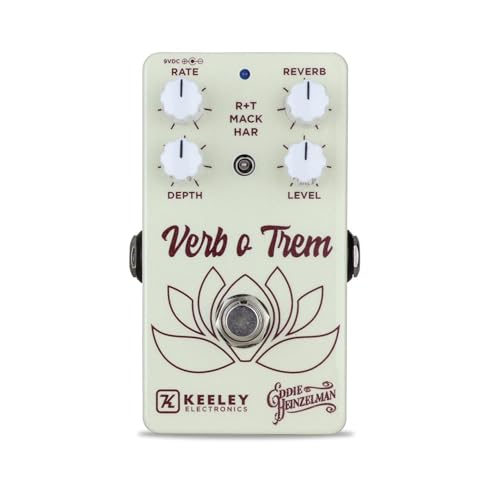
- Reverb and tremolo in one pedal
- Spring, plate, and modulated tube amp sounds
- Compact end-of-chain board solution
Best For: Players who want a compact two-in-one ambience and tremolo pedal
Simple Modulation Pick
Walrus Audio Fundamental Series Tremolo

- Rate, Depth, and Volume controls
- Sine, Square, and Random modes
- Dedicated tremolo with limited lifetime warranty
Best For: Guitarists who want a straightforward tremolo with a few waveform options
Mini Vintage Tremolo

- Compact mini enclosure
- Depth and Speed controls
- Warm, organic, vintage voicing
Best For: Players who want a small, classic-sounding tremolo
Studio-Grade Vintage Simplicity
Universal Audio Flow Vintage Tremolo Pedal

- Three tube-driven tremolo styles
- Tap tempo and volume control
- True/buffered bypass options
Best For: Vintage tremolo fans who want premium tone and practical control
Classic Budget Pulse

- Smooth photoelectric tremolo tone
- Speed, Bias, and Depth controls
- Compact true-bypass design
Best For: Budget-minded guitarists who want a simple classic tremolo
Compact Analog Chopper
TREMBLE All-Analog Tremolo Pedal

- All-analog tremolo circuit
- Volume-compensated depth control
- Compact true-bypass stompbox
Best For: Players who want a simple analog tremolo with strong depth control
Classic Analog Tremolo – BOSS TR-2 Tremolo Guitar Pedal
BOSS TR-2 Tremolo Guitar Pedal | Vintage tremolo effects in an easy-to-use compact pedal
Check Price On AmazonIf you’re shopping for stereo tremolo pedals in a straightforward, gig-ready format, the BOSS TR-2 is a simple place to start. It focuses on vintage-style tremolo with dedicated Wave, Rate, and Depth controls, plus a Wave knob that lets you shift the LFO shape from triangle to square for a wider range of pulse textures.
Best For: Players who want a compact analog tremolo with easy, hands-on control.
Pros:
- Dedicated Wave, Rate, and Depth knobs make it easy to dial in the effect
- Wave control changes the LFO waveform from triangle to square
- Compact analog pedal with a traditional stompbox layout
- Designed for high-quality vintage guitar tremolo effects
Cons:
- Single-purpose design if you want built-in reverb or extra modulation modes
- No stereo-specific features are listed in the supplied details
This is a practical tremolo choice for players who want dependable core sounds without extra complexity. The TR-2 keeps the control set focused, making it easy to move from subtle movement to more pronounced pulsing.
Harmonic Trem Voice – JHS 3 Series Harmonic Trem
The JHS 3 Series Harmonic Trem is a compact option for players comparing stereo tremolo pedals and wanting a more characterful trem sound. It gives you a simple toggle between amp-style trem on one setting and the pedal’s take on harmonic trem on the other, all in a small package that is easier to carry than a vintage amplifier.
Best For: Guitarists who want a portable harmonic tremolo-style pedal with simple switching.
Pros:
- Toggle switch offers amp trem and harmonic trem voices
- Compact and easier to tote than a vintage amp-based solution
- Runs on 9V DC negative center power
- Made in Kansas City, USA
Cons:
- Very minimal control set if you want deeper parameter shaping
- No stereo feature is listed in the supplied notes
This pedal is best when you want a quick route to two useful trem flavors without a lot of menu-diving or extra knobs. Its simplicity will appeal to players who value portability and fast setup over extensive tweaking.
Dual-Effect Studio Pedal – Strymon Flint Tremolo and Reverb Pedal V2
If you want one pedal that covers tremolo and reverb, the Strymon Flint V2 is a strong all-in-one option in the stereo tremolo pedals conversation. It combines three tremolo modes with three reverb modes, plus dedicated mix, intensity, and speed controls for shaping the effect clearly on the fly.
Best For: Players who want tremolo and reverb in one pedal with multiple voicings.
Pros:
- Combines tremolo and reverb in a single pedal
- Three tremolo modes and three reverb modes expand the palette
- Dedicated mix, intensity, and speed controls for practical adjustment
- Includes dedicated tremolo and reverb footswitches
Cons:
- More complex than a basic tremolo-only pedal
- Supplied notes do not describe stereo operation details
This is the most versatile option in the group if you want tremolo with ambient support rather than tremolo alone. It suits players who need a broader sound-shaping tool without adding multiple separate pedals.
Feature-Rich Modulation – MXR Tremolo
The MXR Tremolo is the most feature-packed choice here for players looking at stereo tremolo pedals and broader modulation control. It offers six tremolo styles, including MXR, Bias, Reverse Optic, Optic, Square Wave, and Harmonic, along with advanced stereo, tap tempo, expression, and envelope tremolo modes.
Best For: Players who want multiple tremolo voices and advanced control options.
Pros:
- Six tremolo styles provide a wide range of tones
- Advanced stereo, tap tempo, expression, and envelope modes are included
- Speed, Gain, and Depth controls make setup easy
- Designed to fit many tremolo sounds on one board without overcrowding
Cons:
- More advanced feature set may be more than some players need
- Supplied notes list the pedal’s advanced stereo mode, but not detailed stereo I/O specs
This pedal is the strongest pick for players who want one box to cover a lot of tremolo territory. It balances classic styles with modern control features, making it a flexible board centerpiece for modulation-heavy setups.
Reverb-and-Tremolo Combo – Keeley Eddie Heinzelman Verb o Trem
If you want stereo tremolo pedals-style modulation with extra ambience on the same board, the Keeley Eddie Heinzelman Verb o Trem is a practical all-in-one option. It combines Keeley spring and plate reverbs with modulated tube amp tremolos, and the notes point out that both effects often work especially well at the end of a guitar rig after compression, fuzz, or overdrive.
Best For: Players who want compact reverb and tremolo in one pedal for the end of the signal chain.
Pros:
- Combines reverb and tremolo in a single pedal
- Includes spring and plate reverb sounds plus modulated tube amp tremolos
- Designed as a compact end-of-chain solution for smaller pedalboards
Cons:
- Requires a 9V DC center-negative power supply
- More of a combo unit than a dedicated tremolo-only pedal
For players who need both ambience and modulation without adding extra pedals, this model is a straightforward board-saving choice. It is built around simple, familiar sounds rather than deep editing, which keeps the focus on usability.
Simple Modulation Pick – Walrus Audio Fundamental Series Tremolo
The Walrus Audio Fundamental Series Tremolo is a clean, no-frills choice if you want a straightforward tremolo pedal with a few useful tonal options. It gives you Rate, Depth, and Volume controls, plus Sine, Square, and Random modes, so you can move from classic pulse to more unusual modulation without adding complexity.
Best For: Guitarists who want an easy-to-use tremolo with multiple wave shapes.
Pros:
- Simple three-knob control layout
- Three modes: Sine, Square, and Random
- Includes a Volume control for level balancing
- Limited lifetime warranty
Cons:
- Requires at least 100mA of power
- Focused on tremolo only, with no extra effects
This is a sensible option for players who want a dedicated tremolo pedal and prefer fast, practical control. The mode selection adds flexibility, but the overall approach stays compact and easy to manage.
Mini Vintage Tremolo – Ibanez Tremolo Mini Pedal
If you are shopping for stereo tremolo pedals alternatives in a smaller format, the Ibanez Tremolo Mini Pedal keeps things compact and direct. The notes describe Depth and Speed controls along with a warm, organic, vintage sound profile, which makes it a good fit for players who want a classic tremolo feel without a large footprint.
Best For: Players who want a compact, vintage-voiced tremolo pedal with simple controls.
Pros:
- Mini enclosure saves pedalboard space
- Depth and Speed controls keep operation simple
- Warm, organic, vintage sound profile
- Low 50mA current draw
Cons:
- Requires an external 9V DC adapter
- Only provides the core tremolo control set
This pedal is best for players who value size and simplicity over extra features. Its small format and classic voicing make it an easy utility tremolo for compact rigs.
Studio-Grade Vintage Simplicity – Universal Audio Flow Vintage Tremolo Pedal
If you want one of the more polished stereo tremolo pedals-style options for classic amp movement, the Universal Audio Flow Vintage Tremolo Pedal leans into authentic tube-era character with a compact, easy-to-use stompbox format. It offers three distinct tremolo flavors—harmonic Dharma, round 65, and choppier Square—so you can cover subtle pulse, traditional wobble, or more dramatic chops without leaving the pedalboard.
Best For: Players who want vintage tremolo variety, tap tempo, and a premium-built compact pedal.
Pros:
- Authentic emulations of three tube-driven tremolo styles
- Three modes cover harmonic, sine-wave, and square-wave textures
- Onboard tap tempo helps sync trem effects to the song
- Includes volume control plus true/buffered bypass options
Cons:
- Only one tremolo effect family, so it is not a multi-effect unit
- Runs on 9V DC and draws 250 mA, so power planning matters
This is a strong pick if you value classic tremolo tones with modern convenience. The sound set is focused, but the mode choices and tap tempo make it versatile enough for both stage and studio use.
Classic Budget Pulse – VSN Trelicopter Tremolo Pedal
The VSN Trelicopter is a straightforward choice if you’re shopping for stereo tremolo pedals-style simplicity on a budget and want a classic, smooth pulse for electric guitar. Its photoelectric tremolo voice, three-knob control set, and true bypass design make it easy to dial in without a learning curve.
Best For: Players who want an affordable, easy-to-use tremolo with classic character.
Pros:
- Classic photoelectric tremolo tone with smooth pulsing character
- Speed, Bias, and Depth knobs keep control simple
- True bypass helps preserve the original signal when off
- Compact zinc-alloy build is small and portable
Cons:
- Power supply is not included
- Monophonic output only, not a wider stereo-style setup
- Basic feature set compared with more advanced pedals
This pedal focuses on the essentials: classic tremolo tone, transparent bypass, and a compact footprint. If you need a no-frills tremolo that gets the job done, it is an easy recommendation.
Compact Analog Chopper – TREMBLE All-Analog Tremolo Pedal
The TREMBLE tremolo pedal is built for players who want an all-analog, true-bypass option with a very practical control layout. For stereo tremolo pedals shoppers comparing compact stompboxes, this one stands out for its volume-compensated depth control, which is designed to keep the level more even even when the effect gets deep and choppy.
Best For: Guitarists who want a compact analog tremolo with strong depth control and minimal fuss.
Pros:
- Pure all-analog circuit for organic tremolo modulation
- Volume-compensated depth helps reduce level loss at extreme settings
- Simple two-knob layout makes setup fast
- True bypass footswitch preserves the dry tone when off
Cons:
- Power adapter is not included
- Only speed and depth controls, so it is intentionally basic
This is a practical pedal if you want classic tremolo behavior without extra complexity. Its compact size and compensating depth control make it especially appealing for small pedalboards and players who like direct, usable controls.
How We Picked These Stereo Tremolo Pedals
Our roundup focused on tone quality, stereo routing options, control flexibility, bypass behavior, size, and real-world value. We also considered whether a pedal is easy to dial in quickly on stage or more suitable for detailed studio work.
Because Stereo Tremolo Pedals can vary widely in design, we prioritized models that offer clear musical motion without excessive noise, along with options for players who want vintage-style throb, harmonic movement, or expanded ambience.
Quick Comparison
At a glance, the best options tend to fall into a few groups: compact budget pedals for straightforward tremolo, midrange pedals with broader waveform control, and premium units that combine tremolo with reverb or stereo imaging for larger ambient textures. If you need a simple pulse, a smaller stompbox may be enough; if you want wide, spacious modulation, look for stronger routing and mix controls.
Key Buying Factors for Stereo Tremolo Pedals
Stereo Outputs and Signal Routing
Check whether the pedal provides true stereo output, dual-mono operation, or stereo-only effects. Some designs widen the image naturally, while others use stereo mainly for routing flexibility. Make sure it fits your amp or recording setup.
Waveform and Feel
Standard tremolo gives you smooth volume pulsing, while harmonic tremolo creates a more dimensional, amp-like swirl. For players chasing a vintage feel, waveform shape and rate range matter as much as raw feature count.
Depth, Speed, and Tap Control
Depth controls how dramatic the modulation feels, and speed determines the pulse rate. Tap tempo can be helpful for live use, but many players still prefer a simple knob layout when quick adjustments matter more than precision.
Bypass, Noise, and Headroom
Look for low-noise operation and enough headroom to handle strong pickups or boosted signals. True bypass can help preserve your dry tone, though some buffered designs may work better in longer pedal chains.
Who Should Buy Which Stereo Tremolo Pedals?
If you want a dependable all-around choice, go with a straightforward, easy-to-use pedal that covers classic tremolo well. Players building a stereo board for ambient clean tones should favor models with richer spatial control or built-in effects combinations. If portability is the priority, compact mini pedals make sense. If you are chasing premium studio textures, higher-end Stereo Tremolo Pedals with more shaping options are usually worth the extra cost.
In short, the best choice depends on whether you value simplicity, stereo width, compact size, or expanded creative control. Match the pedal to your rig first, and the right tremolo will feel instantly musical rather than complicated.