Bias tremolo pedals deliver the soft, amp-like pulse many players hear on classic recordings, from subtle shimmer to deep, seasick chop. If you want vintage character without a bulky combo amp, a good tremolo pedal is the fastest way there.
In this roundup, we focus on options that balance tone, speed, depth, and usability so you can find the right match for clean rhythms, ambient textures, and live pedalboard setups.
Best 10 Bias Tremolo Pedals Picks for 2026
Classic Vintage Edge
BOSS TR-2 Tremolo Guitar Pedal
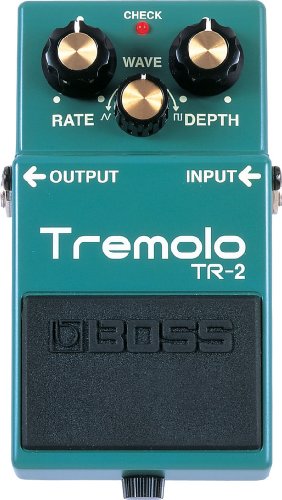
- Triangle-to-square Wave control for varied tremolo shapes
- Dedicated Rate, Depth, and Wave knobs
- Compact analog pedal with five-year warranty
Best For: Players who want a compact, easy-to-use tremolo pedal with vintage flavor
Multi-Voice Tremolo

- Six styles, including Bias, Optic, and Harmonic
- Stereo, tap tempo, expression, and envelope modes
- Speed, Gain, and Depth controls for quick setup
Best For: Players who want multiple tremolo styles, including bias, in one pedal
Budget Tube-Style Pulse

- Optical circuit targets classic tube amp-style tremolo
- Simple two-knob Intensity and Rate control
- True bypass with rugged aluminum alloy housing
Best For: Budget-minded players who want an easy, analog tube-amp-style tremolo
Stereo Shape Shifter
Electro-Harmonix Nano Pulsar Stereo Tremolo

- Mono or stereo operation for tremolo/panning effects
- Multiple wave shapes including triangle, square, sawtooth, and pulse-width
- Buffered bypass with pulsing rate/status LED
Best For: Players who want a compact stereo tremolo with multiple wave shapes
Golden Bias Tremolo

- Speed, Bias, and Depth controls
- Warm optical-style tremolo sound
- True bypass in a mini aluminum body
Best For: Players who want a compact, natural-sounding bias tremolo pedal
Trelicopter Bias Tremolo

- Speed, Bias, and Depth controls
- Classic photoelectric tremolo tone
- Mini true-bypass pedalboard-friendly design
Best For: Players wanting a small, simple tremolo with bias control
Budget Vintage Bias Tremolo

- Classic optical tremolo with wide speed and depth range
- Bias knob adds tonal color and asymmetric swirl options
- Mini metal shell with true bypass for pedalboard-friendly use
Best For: Beginners and budget players wanting classic pulse with bias control
Mini Classic Bias Tremolo

- Smooth photoelectric tremolo with Speed, Bias, and Depth controls
- Aluminum alloy body with true bypass and LED status indicator
- Compact size suits guitars or bass in tight pedalboard setups
Best For: Players wanting a small, durable tremolo with classic pulse and bias control
Portable Trelicopter Bias Tremolo

- Classic photoelectric tremolo with smooth, wide-range pulsing
- Bias knob adds extra color to the tremolo voice
- Zinc alloy build, true bypass, and compact footprint
Best For: Players wanting a durable compact tremolo with classic tone and bias shaping
Classic Vintage Edge – BOSS TR-2 Tremolo Guitar Pedal
BOSS TR-2 Tremolo Guitar Pedal | Vintage tremolo effects in an easy-to-use compact pedal
Check Price On AmazonIf you want a straightforward entry into bias tremolo pedals with a classic feel, the BOSS TR-2 is built around simple, usable controls and a vintage-style voice. Its Wave knob changes the LFO shape from triangle to square, while Rate and Depth let you dial in everything from subtle pulse to more obvious movement.
Best For: Players who want a compact, easy-to-use tremolo pedal with vintage flavor and flexible waveform control.
Pros:
- Wave control shifts the LFO from triangle to square for different tremolo textures
- Dedicated Wave, Rate, and Depth knobs make adjustment quick and precise
- Compact analog design fits easily on crowded pedalboards
- Backed by a five-year warranty
Cons:
- Doesn’t offer the multi-mode range of larger tremolo pedals
- Requires a 9V DC power supply
The TR-2 keeps the focus on core tremolo sounds rather than extra features, which is exactly what many players want. It’s a practical choice if you value dependable controls and a classic effect over deep editing.
Multi-Voice Tremolo – MXR® Tremolo
For buyers comparing bias tremolo pedals with more than one sound on tap, the MXR Tremolo stands out for its six built-in styles and extra performance features. It covers MXR, Bias, Reverse Optic, Optic, Square Wave, and Harmonic modes, while keeping setup simple with Speed, Gain, and Depth controls.
Best For: Players who want multiple tremolo styles, including bias, in one pedal with performance-friendly extras.
Pros:
- Six styles include Bias, Reverse Optic, Optic, Square Wave, and Harmonic
- Speed, Gain, and Depth controls keep operation simple
- Includes stereo, tap tempo, expression, and envelope tremolo modes
- Single-pedal solution helps avoid board clutter
Cons:
- More features may be more than players who want a basic tremolo need
- Power draw and size may matter depending on your rig, even though it stays board-friendly
This is the most versatile pick in the group if you want a broad tremolo palette, not just one take on the effect. It’s especially appealing when you want to move from bias-style movement to other textures without adding another pedal.
Budget Tube-Style Pulse – JOYO Tremolo Guitar Pedal
The JOYO Tremolo is a simple, affordable option if you want the warm, pulsating feel associated with classic amp-style tremolo pedals. Its optical photoelectric circuit, two-knob layout, and true bypass design make it easy to use without giving up the core character players look for in a tremolo effect.
Best For: Budget-minded players who want an easy, analog tube-amp-style tremolo with straightforward controls.
Pros:
- Optical photoelectric circuit aims for classic tube amp-style tremolo
- Simple Intensity and Rate controls are easy to dial in
- True bypass helps preserve your dry signal when disengaged
- Rugged aluminum alloy housing is built for regular pedalboard use
Cons:
- Only two controls, so there’s less shaping flexibility than larger pedals
- Power supply is not included
This pedal keeps things practical: it focuses on the essential tremolo sounds and leaves out the extras. If you want a low-cost way to explore classic-style modulation, it’s an easy one to evaluate.
Stereo Shape Shifter – Electro-Harmonix Nano Pulsar Stereo Tremolo
If you’re shopping bias tremolo pedals but want more waveform shaping and stereo flexibility, the Nano Pulsar gives you a lot to work with in a small footprint. It runs in mono or stereo, and its waveform options let you move between triangle, square, sawtooth, and pulse-width styles for different tremolo textures.
Best For: Players who want a compact stereo tremolo with multiple wave shapes and strong visual status feedback.
Pros:
- Mono or stereo operation for a wider tremolo/panning experience
- Variable wave shapes include triangle, square, sawtooth, and pulse-width options
- Rate/Status LED pulses with the effect for easy on/off awareness
- Buffered bypass is included
Cons:
- More shape options mean a little more menu-like decision-making than a basic tremolo pedal
- Uses battery power according to the supplied details, so your powering setup matters
The Nano Pulsar is a strong pick if you want tremolo that can evolve beyond a single bias-style voice. It balances compact size with deeper waveform control, making it a versatile tool for players who like to experiment.
Golden Bias Tremolo – Donner Golden Tremolo
If you’re comparing bias tremolo pedals and want a simple analog option with a warm, pulsing feel, the Donner Golden Tremolo is built around that classic optical-style sound. Its dedicated Speed, Bias, and Depth controls give you straightforward control over how deep and choppy the tremolo feels, while the mini aluminum enclosure makes it easy to fit on a crowded board.
Best For: Players who want a compact, true-bypass tremolo with easy bias control and a natural vintage-style pulse.
Pros:
- Dedicated Speed, Bias, and Depth knobs for fast tone shaping
- Inspired by classic optical tremolo sounds with a warm, natural pulse
- True bypass for transparent signal when switched off
- Mini aluminum-alloy build that is pedalboard friendly
Cons:
- Power supply is not included
- No advanced extras beyond the core analog controls
This is a practical pick if you want the bias control to be part of your tremolo setup without adding size or complexity. It focuses on the essentials and keeps the effect easy to dial in for guitar or bass.
Trelicopter Bias Tremolo – Rowin Trelicopter Tremolo
Among budget-friendly bias tremolo pedals, the Rowin Trelicopter keeps the formula focused on classic photoelectric tremolo with a simple three-knob layout. Speed, Bias, and Depth make it easy to shape the movement, and the mini footprint plus true bypass design suit players who want a small, straightforward effect.
Best For: Guitarists who want a compact tremolo pedal with simple bias control and a classic, smooth response.
Pros:
- Speed, Bias, and Depth knobs cover the core tremolo controls
- Classic photoelectric tremolo tone with smooth adjustability
- True bypass and LED indicator for basic stage use
- Mini size helps save pedalboard space
Cons:
- Requires a DC 9V power supply with negative center
- Battery use is not supported
The Trelicopter is a no-frills option that keeps the bias tremolo idea accessible and easy to understand. If you value small size and familiar controls over extra features, it fits that job well.
Mini Bias Tremolo – lotmusic Mini Tremolo
If you’re shopping bias tremolo pedals on a tight budget, the lotmusic Mini Single Type keeps things extremely stripped down. It uses an analog signal path, true bypass, and a compact enclosure, but the supplied details don’t list multiple tone-shaping controls, so it’s best viewed as a simple tremolo effect rather than a feature-heavy one.
Best For: Players who want a small, basic true-bypass tremolo pedal with minimal setup.
Pros:
- Very compact size for small boards
- True bypass design
- Analog signal format
- Simple corded 9V power setup
Cons:
- Supplied notes do not list dedicated speed, bias, or depth controls
- Limited product detail compared with other tremolo pedals
This is the most basic option in the group, so it makes sense if you just need a small tremolo unit and don’t require extra shaping tools. For players focused on simplicity and footprint, it can still fill the role.
Budget Vintage Bias Tremolo – Compact Optical Trelicopter
If you want a straightforward entry into bias tremolo pedals, this compact optical model keeps the controls simple while still covering a wide speed and depth range. The added bias knob gives you extra tonal color, from subtle asymmetry to more psychedelic swirls, making it a practical pick for players learning modulation or chasing vintage pulsing textures.
Best For: Beginners and budget-minded players who want a compact bias tremolo with vintage-style pulse and extra waveform color.
Pros:
- Classic optical tremolo with a wide speed and depth range
- Bias knob adds tonal variety, from subtle to more swirling textures
- Very compact metal shell fits easily on crowded pedalboards
- True bypass helps keep the signal clean when the pedal is off
Cons:
- Power adapter is not included
- Low-power design is simple, but the feature set stays basic
This is a strong value choice if you want classic tremolo behavior with a bias control in a small, durable package. It focuses on core sounds rather than extras, which keeps it easy to use and pedalboard-friendly.
Mini Classic Bias Tremolo – Photoelectric Blue Tremolo
This compact option is built for players shopping bias tremolo pedals that keep the layout simple while offering the familiar photoelectric pulse. With Speed, Bias, and Depth controls, it gives you enough range to shape smooth tremolo movement and add extra color without taking up much space on your board.
Best For: Guitarists and bass players who want a small, sturdy tremolo pedal with classic photoelectric character and bias control.
Pros:
- Classic photoelectric tremolo with smooth, well-proportioned pulsing
- Bias knob adds tonal color alongside Speed and Depth controls
- Aluminum alloy body is sturdy and easy to transport
- True bypass and LED indicator add practical day-to-day use
Cons:
- Power adapter is not included
- Mini format keeps the control set simple rather than expansive
Overall, this pedal is a sensible compact choice if you want classic tremolo behavior with a bias control and a durable build. It is especially appealing when you need a straightforward, portable effect rather than a feature-heavy unit.
Portable Trelicopter Bias Tremolo – VSN Classic Green
For players comparing bias tremolo pedals, this VSN model keeps the formula classic: photoelectric-style tremolo, three core knobs, and a compact footprint. The bias control broadens the sound from smooth pulsing to more colored textures, while true bypass helps preserve your original tone when the effect is off.
Best For: Guitarists who want a small, road-ready tremolo pedal with classic tone, bias control, and a straightforward control layout.
Pros:
- Classic photoelectric tremolo with a wide range and smooth pulse
- Bias knob adds tonal color to the tremolo sound
- High-quality zinc alloy enclosure feels durable and sturdy
- Compact, space-saving design with true bypass and LED indication
Cons:
- Power is not included
- Control set is simple, so it is aimed more at core tremolo sounds than deep editing
This is a practical pick if you want a classic trelicopter-style tremolo in a small enclosure with bias shaping built in. It covers the essentials well and keeps the signal path clean when bypassed.
How We Picked These Bias Tremolo Pedals
We prioritized pedals that capture a convincing bias-style tremolo feel while staying practical for real-world use. That means strong control ranges, low noise, true bypass or equally transparent switching, solid enclosures, and formats that fit both compact and full-featured boards.
We also weighed versatility. Some players want a simple set-and-forget pulse, while others need stereo output, waveform shaping, or expanded speed and depth ranges. The best Bias Tremolo Pedals should do the core vintage effect well without making the control set harder to use than necessary.
Quick Comparison
Broadly speaking, the group splits into three types: straightforward analog-style pedals for classic amp wobble, feature-rich models with extra shaping or stereo options, and mini pedals that save space at the cost of fewer controls. If you want the most authentic “soft edge” feel, prioritize pedals voiced for optical or bias-inspired response. If you want more flexibility, choose a model with variable shape, stereo output, or wider modulation control.
Key Buying Factors for Bias Tremolo Pedals
Control Range
Look for separate speed and depth controls first. A wider speed range helps you move from slow pulse to rapid chop, while depth determines how dramatic the volume modulation feels.
Waveform and Voice
Some Bias Tremolo Pedals aim for a round, vintage swell, while others are more square and pronounced. If you want classic tube-amp movement, favor pedals described as optical, photoelectric, or bias-style in their voicing.
Mono, Stereo, and Signal Path
Stereo output can create a wider effect for ambient rigs, while mono is usually simpler and perfectly fine for most players. True bypass is a useful bonus if you want minimal signal coloration when the pedal is off.
Size, Power, and Noise
Mini pedals are appealing on crowded boards, but small controls can be harder to tweak on stage. Check power requirements, enclosure durability, and user feedback on noise so the pedal fits your setup, not just your budget.
Who Should Buy Which Bias Tremolo Pedals?
If you want the most classic feel, choose a simple bias-leaning or optical-style tremolo with straightforward controls. If you play ambient, modern worship, or stereo rigs, look for extra shaping and stereo options. If you are building a small board or want an affordable first tremolo, a compact true-bypass model is often the smartest entry point. For bass players, select Bias Tremolo Pedals with enough low-end stability to avoid thinning out the bottom end.
In short, the best choice depends on whether you value authenticity, flexibility, or pedalboard convenience most. Match the control set to your playing style, and Bias Tremolo Pedals can add everything from subtle movement to unmistakable vintage character.