Octave pitch shifter pedals can turn a standard guitar or bass into something bigger, lower, or more harmonically interesting without changing your tuning permanently.
Whether you want fast drop tuning, layered octave textures, or studio-style pitch effects, the best options balance tracking, tone preservation, and easy control.
Best 10 Octave Pitch Shifter Pedals Picks for 2026
Compact Drop-Tuning
DigiTech DROP Polyphonic Pitch Shifter

- Drops from 1 semitone to a full octave
- Momentary or latching footswitch modes
- True bypass with compact pedal design
Best For: Players who want simple, compact drop tuning
Dual-Mode Pitch Control
Electro-Harmonix Pitch Fork Polyphonic Pitch Shift Pedal

- Up, down, or dual shift modes
- 11-position Shift knob for intervals
- EXP input for pitch or glissando control
Best For: Players wanting flexible pitch shifting with expression control
Studio-Grade Octave Effects
TC Electronic BRAINWAVES Pitch Shifter

- Dual voices shift from unison to 2 octaves
- MASH footswitch adds pressure-sensitive control
- TonePrint editor supports deep customization
Best For: Players wanting programmable, studio-style pitch effects
Downshift Bundle Value
DigiTech DROP Pitch Shift Pedal Bundle

- 1 to 7 semitone drops plus octave-down modes
- True bypass with multi-mode shifting
- Includes power supply and patch cable
Best For: Players who want a ready-to-use drop-tuning bundle
Class-Leading Poly Shifter
BOSS XS-1 Compact Pitch Shifting Pedal

- Polyphonic shifting up to +/- 3 octaves
- Natural feel with direct/effect blend control
- External footswitch and expression pedal support
Best For: Players who want a natural-sounding, compact pitch shifter with flexible live control
Mini Harmony Box
Mooer Drop Pitch Harmonizer Pedal
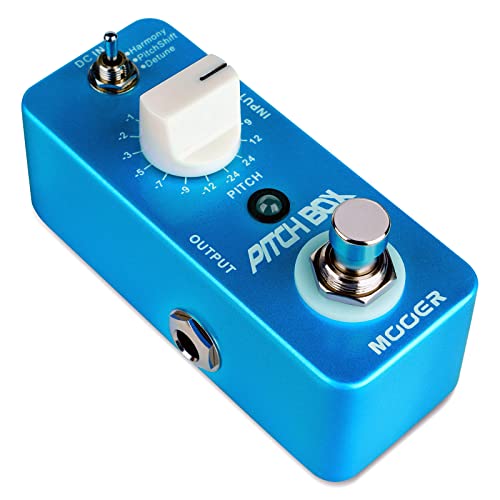
- Three modes: harmony, pitch shift, and detune
- Up to 2 octaves with 16 adjustable parameters
- Mini metal shell with true bypass
Best For: Players who need a tiny, versatile pitch shifter for harmony and detune effects
Low-Latency Drop Tuner
Dive Polyphonic Pitch Shifter Pedal

- 8 ms tracking for tight polyphonic response
- Dual-channel presets for quick live switching
- Glide controls for dive-bomb style effects
Best For: Modern metal and live players who need fast, precise drop tuning
Compact Polyphonic Octave Shift
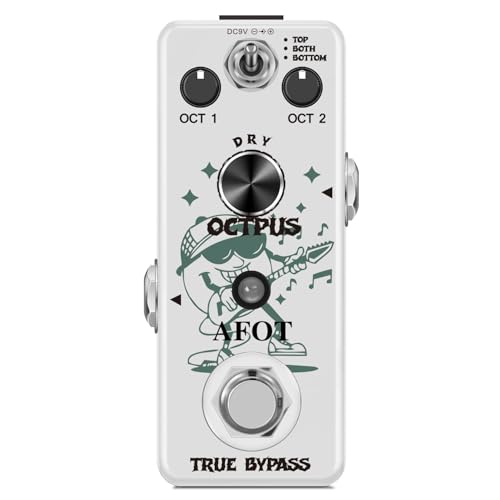
- Handles single notes and chords with polyphonic tracking.
- TOP, BOTH, and BOTTOM modes expand octave options.
- Three knobs control dry and octave levels separately.
Best For: Players who want a small, chord-friendly octave pedal with easy tone shaping.
Polyphonic Performance Octave
Verdict Multi-Voice Pitch Shifter

- 4-voice tracking covers +1, +2, -1, and -2 octaves.
- Adds synth, organ, swell, freeze, and detune-style effects.
- Analog dry-through preserves the original guitar signal.
Best For: Players who want a feature-rich octave pedal for solo gigs and ambient textures.
Budget Mini Harmonizer
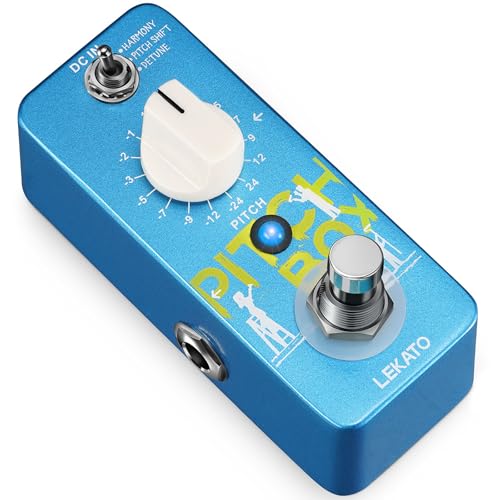
- Three modes: harmony, pitch shift, and detune.
- Polyphonic tracking aims for full, rich tones.
- Compact metal shell with true bypass.
Best For: Budget-minded players who need a compact harmonizer for guitar or bass.
Compact Drop-Tuning – DigiTech DROP Polyphonic Pitch Shifter
If you want octave pitch shifter pedals focused on quick, polyphonic drop tuning, the DigiTech DROP is built for simple note lowering from 1 semitone down to a full octave. Its compact size, true bypass switching, and included 9VDC power supply make it a practical choice for players who want a dedicated drop pedal without extra setup.
Best For: Guitarists who need straightforward drop tuning with a compact footprint.
Pros:
- Polyphonic pitch shifting supports dropping from 1 semitone to a full octave
- Momentary or latching footswitch modes add flexible control
- True bypass helps preserve tone when the effect is off
- Compact pedal design is easy to fit on a crowded board
Cons:
- Dedicated mainly to downward pitch shifting rather than broad pitch effects
- Requires external power via the included 9VDC supply
For players who mainly need reliable lower tunings, this pedal keeps the workflow focused and efficient. It is less about experimental sounds and more about clean, usable octave-down and semitone-drop performance.
Dual-Mode Pitch Control – Electro-Harmonix Pitch Fork Polyphonic Pitch Shift Pedal
Among octave pitch shifter pedals, the Electro-Harmonix Pitch Fork stands out for its three shift modes and dual pitch control options. The 11-position Shift knob gives you direct interval selection, while the EXP input lets you shape pitch shift or glissando with an optional expression pedal.
Best For: Players who want flexible up, down, and dual pitch shifting in a compact format.
Pros:
- Three shift modes: up, down, or dual
- 11-position Shift knob makes interval selection straightforward
- EXP input supports pitch shift or glissando control with an expression pedal
- Latch and Momentary modes expand footswitch behavior
Cons:
- Expression pedal is optional, so advanced control requires extra gear
- Battery powered, but the pedal draws 200 milliamps
This is a good pick if you want more than one pitch-shifting direction in a compact unit. It offers a useful balance of hands-on control and expandable expression features for players who like to dial in exact intervals.
Studio-Grade Octave Effects – TC Electronic BRAINWAVES Pitch Shifter
If you’re comparing octave pitch shifter pedals with more advanced control, the TC Electronic BRAINWAVES adds dual voices, polyphonic shifting, and whammy-style octave up and detune options. Its pressure-sensitive MASH footswitch and TonePrint editor support a deeper level of customization than a basic pitch pedal.
Best For: Players who want studio-style pitch shifting and programmable control.
Pros:
- Independent dual voices can shift from unison to 2 octaves up or down
- Includes studio-grade algorithms, including polyphonic pitch shifting
- MASH footswitch adds pressure-sensitive control over pitch and parameters
- TonePrint editor allows customization on PC, Mac, and mobile devices
Cons:
- More complex than a simple one-function octave pedal
- Customizing features may take extra setup time
This pedal is aimed at players who want detailed control instead of a one-knob solution. If you want a pitch shifter that can cover everything from subtle detune to wider octave effects, it offers a lot of range.
Downshift Bundle Value – DigiTech DROP Pitch Shift Pedal Bundle
For buyers looking at octave pitch shifter pedals with a bundle included, the DigiTech DROP bundle keeps the focus on downward pitch shifting and adds a power supply plus patch pedal cable. It offers semitone drops from 1 to 7, plus two extra octave-down settings with or without a dry signal, so it covers the core drop-tuning use case cleanly.
Best For: Guitarists who want a bundled drop-tuning pedal with included accessories.
Pros:
- Polyphonic, multi-mode downward pitch shifting
- 1 to 7 semitone drop range, plus two octave-down settings
- True-bypass switching helps preserve tone when bypassed
- Includes a 9VDC power supply and patch cable
Cons:
- Designed for downward shifting rather than broader pitch experimentation
- Larger bundle packaging may take more space than the pedal alone
This bundle makes sense if you want a ready-to-use drop pedal with the basics already included. It is a practical option for players who value convenience and dedicated octave-down performance over extra versatility.
Class-Leading Poly Shifter – BOSS XS-1 Compact Pitch Shifting Pedal
If you want octave pitch shifter pedals that aim for natural feel as much as range, the BOSS XS-1 is built for exactly that balance. It shifts guitar, bass, or other instruments across +/- seven semitones or +/- three octaves, while the balance control lets you blend in the direct sound for a more usable musical result.
Best For: Players who want a compact, high-quality pitch shifter with natural response and flexible live control.
Pros:
- Class-leading polyphonic pitch shifting quality with BOSS algorithms
- Wide pitch range up to +/- three octaves and +/- seven semitones
- Balance knob and detune function add practical blending and doubling options
- Supports toggle or momentary operation, plus external footswitch or expression pedal control
Cons:
- It is a more premium option than mini pedal alternatives
- Its strongest appeal is for players who will use the extra control features
The XS-1 is a strong choice if your priority is clean tracking, natural response, and a compact footprint. Among octave pitch shifter pedals, it stands out for combining wide-range shifting with straightforward controls that still leave room for more advanced setups.
Mini Harmony Box – Mooer Drop Pitch Harmonizer Pedal
The Mooer Drop is a compact option for players comparing octave pitch shifter pedals with a simple, pedalboard-friendly footprint. It offers three modes—Harmony, Pitch Shift, and Detune—with adjustable pitch options up to 2 octaves, making it useful for harmonized leads, quick tuning changes, and subtle widening.
Best For: Guitarists and bass players who want a small, versatile pitch shifter with basic harmony and detune functions.
Pros:
- Three modes cover harmony, pitch shift, and detune use cases
- Up to 2-octave pitch range with 16 adjustable parameters
- Mini metal enclosure saves space on crowded pedalboards
- True bypass design suits electric guitar and bass setups
Cons:
- Adapter is not included
- Pitch range is smaller than some higher-end shifters
This pedal makes sense if you want a compact, affordable-feeling pitch tool rather than a feature-heavy flagship unit. It keeps the core functions simple while still offering enough flexibility for harmony and octave-style sounds.
Low-Latency Drop Tuner – Dive Polyphonic Pitch Shifter Pedal
If your search for octave pitch shifter pedals is focused on tight tracking and modern drop-tuning performance, the Dive Pitch Shifter is aimed at that use case. It reduces polyphonic latency to 8 ms, supports drop tuning down to -7 semitones, and adds dual-channel presets for fast switching between two pitch settings.
Best For: Modern metal players and live performers who want fast, precise drop tuning without expression-pedal hardware.
Pros:
- 8 ms tracking is designed for low-latency polyphonic shifting
- Dual-channel presets make quick live changes easier
- Glide attack and release controls support dive-bomb style effects
- True/Buffered bypass options and USB-C firmware updates add flexibility
Cons:
- Its pitch range is focused on drop tuning rather than broad octave experimentation
- The feature set is more specialized than a general-purpose pitch shifter
This is a focused tool for players who care most about response, clarity, and fast stage changes. It is less about traditional octave textures and more about precise, modern pitch control with a compact footprint.
Compact Polyphonic Octave Shift – Mini 3-Mode Octaver
If you want octave pitch shifter pedals that stay simple on a crowded board, this mini polyphonic octave pedal is built for fast setup and flexible layering. It handles single notes or chords, and the TOP, BOTH, and BOTTOM modes make it easy to move from subtle reinforcement to more dramatic octave effects without much fuss.
Best For: Guitarists who want a compact octave shifter with straightforward controls and chord-friendly tracking.
Pros:
- Polyphonic shifting works on single notes and complex chords.
- Three modes let you choose TOP, BOTH, or BOTTOM octave layering.
- Three knobs provide independent dry and octave level control.
- True bypass helps preserve the core signal when the pedal is off.
Cons:
- Power adapter is not included.
- Focused on octave effects rather than a broad multi-effect set.
This is a practical pick if you need a small octave pedal that prioritizes usable tones and easy control over extra features. The aluminum build and true bypass design make it a sensible choice for everyday electric guitar use.
Polyphonic Performance Octave – Verdict Multi-Voice Pitch Shifter
Among octave pitch shifter pedals, this one stands out for players who want more than basic octave doubling. It offers 4-voice polyphonic tracking, synth-style textures, and ambient tools like freeze and swell, making it useful for solo gigs, studio layering, and more experimental live sounds.
Best For: Solo performers and tone shapers who want octave shifting plus synth, organ, and ambient effects.
Pros:
- 4-voice polyphonic tracking supports +1, +2, -1, and -2 octave ranges.
- Can emulate organ chords, double-bass lines, and cello-like textures.
- Analog dry-through keeps the original signal out of A/D conversion.
- Freeze, swell, and ramp features add ambient performance options.
Cons:
- More complex than a basic octave pedal.
- Requires 250 mA, so power needs are higher than some mini pedals.
This is a versatile choice if you want one pedal to cover octave shifts, synth-like movement, and pad-style layers. Its dry-through design and rugged aluminum chassis make it especially appealing for live and studio use.
Budget Mini Harmonizer – LEKATO Pitch Box
If you are shopping for octave pitch shifter pedals with a compact footprint, this LEKATO mini harmonizer keeps the focus on practical pitch tools. It combines harmony, pitch shift, and detune modes, plus a small metal housing that fits easily on a tight pedalboard.
Best For: Players who want an affordable mini pitch shifter for harmonies, octave-style shifts, and detune effects.
Pros:
- Three modes cover harmony, pitch shift, and detune.
- Polyphonic pitch conversion is designed for rich, full tones.
- 16 customizable parameters add flexibility for dialing in sounds.
- True bypass and a full metal shell suit portable pedalboards.
Cons:
- Power adapter is not included.
- Listed as a compact pedal, so controls are likely tighter than on larger units.
This pedal is a strong fit if you want a small, straightforward harmonizer with useful pitch variation rather than a huge feature set. Its true bypass design and metal build make it practical for both stage and studio setups.
How We Picked These Octave Pitch Shifter Pedals
We focused on Octave Pitch Shifter Pedals that are practical for real playing, not just impressive on paper. Priority went to clean tracking, low latency, useful control layouts, and the ability to keep your core tone intact. We also favored pedals that work well for both guitar and bass, since many players want one box that can cover multiple instruments.
Size, bypass behavior, power requirements, and whether the pedal handles polyphonic chords well were also important. For players who use pitch effects live, consistency and quick switching matter as much as sound quality.
Quick Comparison
In this group, some pedals are best for simple drop tuning, while others are built for broader harmonies and creative pitch movement. Compact units are ideal if you want a straightforward always-on utility pedal. More advanced models suit players who need octave layering, multiple voices, or expressive performance features.
If your main goal is fast, transparent tuning changes, choose a pitch shifter with strong tracking and minimal tone loss. If you want more musical flexibility, look for dual voices, selectable intervals, or dedicated modes for octave-up and octave-down work.
Key Buying Factors for Octave Pitch Shifter Pedals
Tracking and Latency
Good tracking keeps notes stable, especially on low strings and fuller chords. Low latency matters because even a small delay can make the pedal feel disconnected under your feet.
Polyphonic Vs. Monophonic Operation
Polyphonic Octave Pitch Shifter Pedals are usually the better choice for modern players because they handle chords and complex voicings more naturally. Monophonic designs can still sound great, but they are more limited.
Tone Preservation
Look for pedals with dry-through or analog dry-through if you want your original attack and feel to remain intact. This is especially useful for rhythm players who need clarity.
Control and Modes
Simple pedals are easier to use, but extra modes can add real value. Features like momentary switching, dual channels, octave selection, and harmony options make a pedal more adaptable on stage and in the studio.
Build, Size, and Power
Compact pedals save board space, while sturdier enclosures can handle heavy gigging. Also check the power requirements before buying, especially if you rely on isolated pedalboard power.
Who Should Buy Which Octave Pitch Shifter Pedals?
If you want a fast, set-it-and-forget-it drop tuning solution, a compact utility pedal is usually the best fit. Players who need expressive octave textures, synth-like tones, or multiple interval options should lean toward more flexible models with deeper control.
Guitarists who play in bands with frequent tuning changes may prefer the simplest, most reliable option. Bass players and studio users often benefit from pedals with better tracking, stronger note definition, and broader harmonic options. In short, choose the model that matches how often you switch sounds and how much precision you need from Octave Pitch Shifter Pedals.