A mandolin’s paired strings make small tuning differences easy to hear. A responsive clip-on tuner can help you bring each string up to pitch without relying on a quiet room.
These 10 options cover straightforward everyday tuners, rechargeable designs, compact headstock models, and a high-precision choice. The guide below helps you decide which features matter for the way you play.
Best 10 Mandolin Tuners Picks for 2026
Best for Flexible Tuning
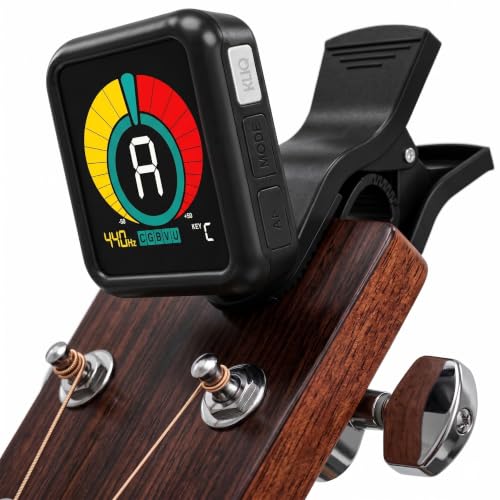
- Dedicated mandolin mode
- 360° rotating color display
- 430–450 Hz calibration
Best For: Mandolin players seeking flexible calibration
Best Rechargeable Option
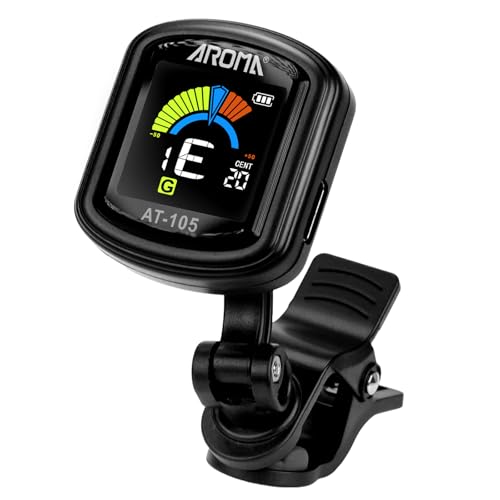
- Rechargeable via USB-C port
- Color-coded pitch display
- Chromatic mode for mandolin
Best For: Players who want rechargeable chromatic tuning
Simplest Controls

- One-button operation
- Chromatic tuning
- Rotating bright display
Best For: Players who prioritize simple controls
Best Rechargeable Multi-Instrument Pick

- Supports mandolin tuning
- Rechargeable battery included
- 430–450 Hz calibration
Best For: Multi-instrument players who prefer rechargeable power
Low-Profile Pick
D'Addario Micro Headstock Tuner
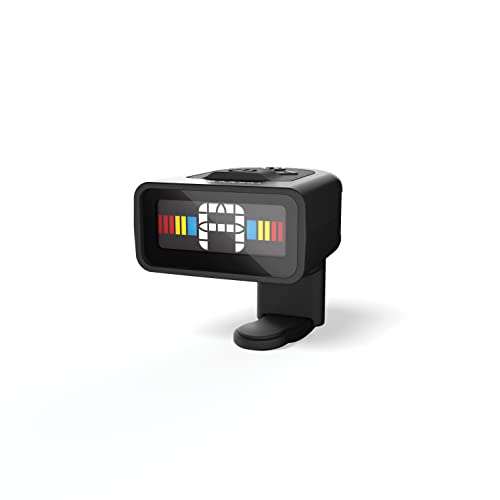
- Hides behind the headstock
- Tri-color backlit display
- 410–480 Hz calibration
Best For: Discreet, leave-on mandolin tuning
Compact Multi-Mode Pick
GT-001 Clip-On Chromatic Tuner

- Chromatic note display
- Vibration sensing for noisy rooms
- 430–450 Hz calibration
Best For: Small clip-on for multiple stringed instruments
Dual-Sensor Pick

- Microphone and vibration sensors
- 360-degree rotating color display
- 415–466 Hz calibration
Best For: Tuning across changing environments
Precision Pick

- ±0.1 cent strobe accuracy
- Bright, adjustable display
- Chromatic mandolin support
Best For: Players prioritizing precise pitch adjustment
Simple Controls Pick

- One-button chromatic tuning
- Blue-to-green LCD feedback
- 360-degree swivel head
Best For: Straightforward mandolin tuning
Best Simple Pick
LEKATO Clip-On Chromatic Tuner

- USB-C rechargeable battery
- Over 10 hours per charge
- Rotating, high-contrast display
Best For: Players who prefer a rechargeable clip-on
Best for Flexible Tuning – KLIQ UberTuner Clip-On
Among mandolin tuners, the KLIQ UberTuner stands out for its dedicated mandolin mode and adjustable 430–450 Hz calibration. Its vibration-based sensor reads the instrument rather than room noise, making it practical for rehearsals and performances.
Best For: Mandolin players who want dedicated tuning and flexible display placement.
Pros:
- Dedicated mandolin and chromatic modes.
- 360° rotating color display accommodates different viewing angles.
- Padded clip helps protect the instrument’s finish.
Cons:
- Uses a CR2032 battery rather than a rechargeable power source.
Choose this model if a mandolin-specific mode and broad calibration options matter more to you than USB charging.
Best Rechargeable Option – Aroma AT-105 Clip-On Tuner
Aroma Guitar Tuner Clip On Rechargeable Chromatic Tuner for Guitar Bass Ukulele Violin Mandolin
Check Price On AmazonFor players comparing rechargeable mandolin tuners, the Aroma AT-105 offers chromatic tuning, a color-coded display, and USB-C charging. It does not list a dedicated mandolin mode, so mandolin players would use its chromatic setting.
Best For: Mandolin players who prefer rechargeable power and clear visual pitch feedback.
Pros:
- Chromatic mode supports mandolin tuning.
- Color display distinguishes flat, sharp, and in-tune notes.
- Rechargeable battery provides up to 5.5 hours of continuous use on a one-hour charge.
Cons:
- No dedicated mandolin mode is listed.
- Charging instructions specify a USB-A-to-USB-C cable, not USB-C-to-USB-C.
This is a convenient choice if avoiding disposable batteries is a priority; just plan to tune your mandolin in chromatic mode.
Simplest Controls – Donner DT-2 Clip-On Tuner
Donner Guitar Tuner Clip on-Accurate Chromatic,Acoustic Guitar Bass Violin Ukulele Tuner DT-2
Check Price On AmazonThe Donner DT-2 is a straightforward option for shoppers considering mandolin tuners: it provides chromatic tuning through a vibration-sensing clip, with a single button for operation. Its rotating display helps you find a usable viewing angle.
Best For: Players who want a simple clip-on tuner with minimal controls.
Pros:
- One-button operation keeps setup simple.
- Chromatic tuning accommodates mandolin notes.
- Rotating, bright display supports multi-angle viewing.
Cons:
- No dedicated mandolin mode is listed.
- Requires a CR2032 battery.
If you value ease of use over extra tuning settings, the DT-2 covers the basics without a complicated interface.
Best Rechargeable Multi-Instrument Pick – KLIQ UberTuner PDQ
The KLIQ UberTuner PDQ combines features useful in mandolin tuners: mandolin-compatible tuning modes, vibration-based pitch detection, and adjustable 430–450 Hz calibration. Its rechargeable battery also eliminates routine battery replacements.
Best For: Mandolin players who want rechargeable power and tuning flexibility across instruments.
Pros:
- Supports mandolin and other acoustic or electric instruments.
- Vibration detection helps avoid interference from background noise.
- Full-color display offers three-point adjustment.
- Rechargeable lithium-ion battery is included.
Cons:
- At 2.39 ounces, it is heavier than the listed original KLIQ UberTuner and Donner DT-2.
The PDQ makes sense if you want the original UberTuner’s multi-instrument approach with rechargeable power, provided its slightly higher listed weight is acceptable.
Low-Profile Pick – D'Addario Micro Headstock Tuner
Among mandolin tuners, the D’Addario Micro suits players who want a clip-on that stays largely out of sight. It sits behind the headstock and reads instrument vibrations rather than room sound.
Best For: Mandolin players who want a discreet tuner they can leave attached between sessions.
Pros:
- Compact design can stay on the instrument while it is stored in its case.
- Tri-color backlit display makes tuning status easy to spot.
- Adjustable padded clamp and 360-degree swivel offer flexible positioning.
- Wide 410–480 Hz calibration range.
Cons:
- Small screen may not suit players who prefer a larger display.
- Uses a replaceable battery rather than offering rechargeable operation.
Choose this model when an unobtrusive fit matters more than screen size. Its vibration pickup also makes it a practical option when nearby instruments are sounding.
Compact Multi-Mode Pick – GT-001 Clip-On Chromatic Tuner
If you shop mandolin tuners for use across several instruments, this compact GT-001 offers a chromatic mode alongside dedicated guitar, bass, ukulele, and violin modes. Its vibration sensor is designed to respond without relying on room sound.
Best For: Players who want a small clip-on for mandolin and other stringed instruments.
Pros:
- Chromatic mode displays note names for mandolin tuning.
- Large LCD is designed for easy viewing.
- Vibration sensing helps in noisy environments.
- Includes a CR2032 coin battery.
Cons:
- No dedicated mandolin mode is listed; use chromatic mode instead.
- 430–450 Hz calibration range is narrower than the other models here.
This is a practical small-format choice if you switch instruments and are comfortable tuning your mandolin chromatically. The dedicated instrument modes add flexibility, but they do not include a mandolin setting.
Dual-Sensor Pick – Snark ST-2 Chromatic Tuner
The Snark ST-2 stands out among mandolin tuners for offering both a built-in microphone and a vibration sensor. Its bright full-color display rotates 360 degrees, giving you options for reading it from different playing positions.
Best For: Players who want a versatile chromatic tuner for stage use and practice rooms.
Pros:
- Switch between microphone and vibration sensing to suit the setting.
- Rotating full-color screen supports viewing from different angles.
- 415–466 Hz pitch calibration range.
- Stay-put clip is designed to grip the headstock securely.
Cons:
- Larger listed dimensions than the other compact tuners in this roundup.
- Supplied battery information conflicts: the notes describe it as rechargeable but also list an included lithium-metal battery.
Its sensor choices make the ST-2 particularly adaptable when conditions change. If rechargeable operation is a deciding factor, verify the specific listing before buying because the supplied battery details do not agree.
Precision Pick – Peterson StroboClip HD
For mandolin tuners, the Peterson StroboClip HD is the precision-focused option: its chromatic mode supports mandolin, and its strobe display is specified to ±0.1 cent accuracy. The articulated clip lets you angle the screen for a clear view while tuning.
Best For: Mandolin players who want highly precise tuning and a display they can position to suit their headstock.
Pros:
- Specified ±0.1 cent strobe accuracy with immediate visual feedback.
- Bright, backlit HD display designed to remain readable in varied lighting.
- Rubber-lined, adjustable clamp helps protect the instrument finish.
- Supports mandolin alongside many other acoustic and electric instruments.
Cons:
- Replaceable CR2032 battery is rated for up to 24 hours of continuous use, so regular users will need spares.
- Its many presets and transposition options may be more than a player needs for basic mandolin tuning.
Choose this one if fine pitch adjustment matters more to you than keeping controls minimal; chromatic mode provides the straightforward route for mandolin.
Among mandolin tuners, the TT-05 keeps operation simple: clip it on, select its fully chromatic function, and watch the blue LCD turn green when the note is in tune. Its head swivels 360 degrees to help you find a comfortable viewing angle.
Best For: Mandolin players who want basic, one-button chromatic tuning with an easy-to-read in-tune indicator.
Pros:
- Fully chromatic, one-button operation works for mandolin.
- Backlit screen changes from blue to green at the in-tune reading.
- 360-degree swivel head offers flexible screen positioning.
- Includes a CR2032 battery and an auto-off feature.
Cons:
- Its dedicated presets cover guitar, bass, violin, and ukulele, but not mandolin; use chromatic mode instead.
- The listed A calibration is 440 Hz, with no adjustable calibration specified.
This is a sensible choice if you mainly need clear visual feedback and do not require a dedicated mandolin preset.
If you prefer rechargeable mandolin tuners, the LEKATO clip-on offers a USB-C rechargeable battery rated for over 10 hours of continuous use per charge. Select its chromatic mode for mandolin; the rotatable clip lets you position the high-contrast display where it is easiest to see.
Best For: Players who want a rechargeable clip-on for mandolin and other stringed instruments.
Pros:
- Rechargeable battery provides over 10 hours of continuous use per charge.
- Chromatic mode covers mandolin; four other modes cover guitar, ukulele, bass, and violin.
- 360-degree rotating clip and high-contrast display aid positioning and visibility.
- Automatically powers down after five minutes without a signal.
Cons:
- No dedicated mandolin mode is listed, so mandolin players need chromatic mode.
- Its alternate-tuning shortcuts are specified for guitar mode, not mandolin.
It suits a mixed-instrument setup when avoiding disposable tuner batteries is a priority, while keeping mandolin tuning available through chromatic mode.
How We Picked These Mandolin Tuners
We focused on clip-on models that offer chromatic tuning or explicitly list mandolin compatibility. Chromatic mode matters because it lets you tune individual strings to the notes you need, including alternate tunings. We also considered practical differences a buyer can judge before purchase: display size, headstock footprint, rechargeable versus replaceable-battery operation, and whether a model emphasizes precision.
These are shopping criteria, not results from a controlled accuracy or battery-life test. Check the current listing for specifications, included accessories, and compatibility before ordering.
Quick Comparison: Which Type Fits You?
Everyday Clip-Ons
If you want an uncomplicated tuner to keep in a case, start with a standard chromatic clip-on such as the Donner DT-2, KLIQ UberTuner, Snark ST-2, or TT-05. Prioritize a display you can read at a glance and a clip that sits securely on your headstock.
Compact, Rechargeable, or Precision-Focused
The D’Addario Micro is worth considering when a low-profile fit matters. Rechargeable options, including the Aroma, KLIQ UberTuner PDQ, and LEKATO, suit players who would rather charge a tuner than keep spare batteries. The Peterson StroboClip HD is the precision-focused option; its stated ±0.1-cent accuracy may appeal to players who want finer feedback while setting up or carefully tuning paired strings.
Key Buying Factors for Mandolin Tuners
Chromatic Mode and Readability
A standard mandolin is tuned G-D-A-E, with two strings per course. A chromatic tuner should recognize the individual notes, but check that you can clearly distinguish the note name from the sharp-or-flat indicator. A large display can help on a dim stage; a smaller display may be an acceptable trade-off for a less conspicuous tuner.
Clip Fit and Response
Clip-on tuners sense vibration through the headstock, which can be useful when other instruments are playing nearby. Headstock shapes and available space vary, so look at the clip opening and screen orientation rather than assuming every model will fit equally well. For paired strings, pluck one string at a time when possible, mute the others, and give the display a moment to settle.
Power and Practicality
Rechargeable models reduce disposable-battery purchases but need a charged tuner and the appropriate cable. Replaceable-battery models can be convenient if you prefer carrying a spare. If you play out regularly, consider how quickly you can wake, read, and put away the tuner—not just its published accuracy.
Who Should Buy Which Mandolin Tuners?
Casual players can choose a clear, affordable chromatic clip-on with a reliable physical fit. Performers may value a bright, easily positioned display and a secure grip. Players who dislike changing batteries should compare the rechargeable choices; those who want minimal visual clutter should consider a micro headstock model. If fine pitch feedback is your priority, look at the StroboClip HD, while remembering that careful string technique and fresh strings also affect how stable a mandolin sounds.