Choosing the right cello case is a balancing act: you want reliable protection without hauling extra weight to rehearsals, lessons, and performances. The best lightweight options make travel easier while still offering the features most players actually use.
In this roundup, we focus on lightweight cello cases that are practical for daily use, packing convenience, and real-world mobility. Whether you need a soft gig bag for short trips or a tougher case for more demanding travel, this guide helps narrow the field.
Best 10 Lightweight Cello Cases Picks for 2026
Lightest soft carry option
Protec 4/4 Cello Gig Bag - Silver Series
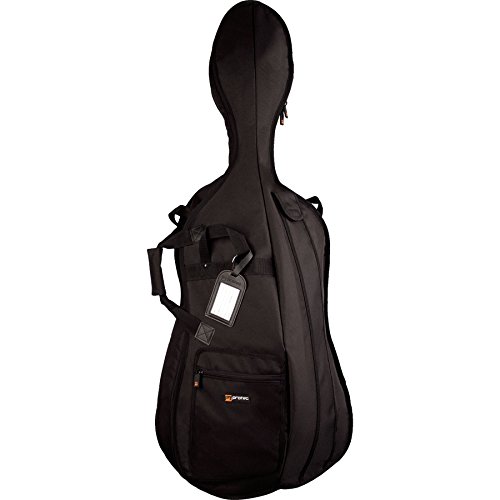
- 2.8-pound gig bag for easy carrying
- 3mm padding with nylex lining
- Backpack straps, handles, and pockets
Best For: Students and commuters who want a very light everyday cello bag
Best travel hard shell
Vetimobato Carbon Fiber 4/4 Cello Case

- Lightweight carbon fiber hard shell
- Wheels, backpack straps, and handles
- Velvet padding with bow and accessory storage
Best For: Traveling players who want hard-shell protection with easier carrying
Most padded soft case
Protec 4/4 Cello Gig Bag - Gold Series

- 20mm padding for extra cushioning
- Ballistic nylon exterior with pockets
- Stores 2 bows and accessories
Best For: Players who want a padded soft case with organized storage
Flexible hard-shell fit
Crossrock ABS Cello Case for 4/4 & 3/4

- Fits 4/4 and 3/4 cellos
- ABS shell with lock and metal latches
- Wheels, straps, and molded handles
Best For: Players who need one secure case that fits two cello sizes
Travel-Ready Soft Protection
Gator 4/4 Lightweight Cello Travel Bag

- Durable nylon soft shell for transit use
- Backpack straps and reinforced handles
- Front bow storage plus YKK zippers
Best For: players who want a lightweight soft case with easy backpack carry
Premium Padded Carry

- 10 mm tricot padding with reinforced key areas
- Backpack straps plus music, string, and accessory pockets
- Reflective strips for better low-light visibility
Best For: cello players who want a padded gig bag with organized storage
Ultra-Light Utility Carry
VEVOR 4/4 Lightweight Cello Case
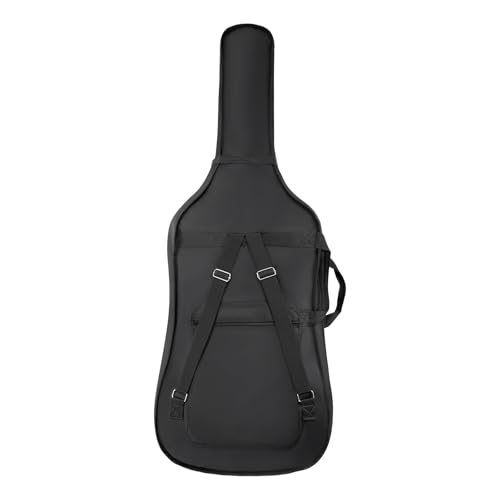
- Very light 2.1 lb build for easy transport
- Waterproof, scratch-resistant nylon shell
- Shock-absorbing design with roomy storage
Best For: players who want a very light 4/4 gig bag with weather-resistant materials
Protective Everyday Carry
4/4 Nylon Gig Bag With 20mm Padding

- 20 mm foam padding for basic protection
- Backpack straps and grab handles for transport
- Front and rear pockets for accessories and music
Best For: players needing a padded soft case for daily use
Travel-Friendly Soft Case

- Water-resistant exterior helps guard against light moisture
- Padded backpack straps support hands-free carrying
- Pockets for bows, rosin, and sheet music
Best For: students and travelers who want portable storage
Light Daily-Use Option
4/4 Waterproof Soft Travel Case

- 12 mm foam padding keeps the bag relatively light
- Water-resistant build with non-abrasive lining
- Backpack straps, handles, and pocket storage
Best For: players needing a streamlined everyday travel bag
Lightest soft carry option – Protec 4/4 Cello Gig Bag – Silver Series
If you want lightweight cello cases for easy daily transport, this Protec gig bag keeps things simple with a low 2.8-pound weight, 3mm padding, and a soft nylex lining. It is a practical choice for players who mainly need basic protection, quick access, and comfortable carrying between lessons, rehearsals, and local gigs.
Best For: Students and players who want a light, flexible bag for short trips and everyday use.
Pros:
- Very light at 2.8 pounds for easier carrying
- 600D nylon exterior with multiple grab handles
- Adjustable backpack straps for hands-free transport
- Storage pockets and a bow holder pocket add convenience
Cons:
- 3mm padding is lighter than a hard-shell case
- Best suited to transport, not maximum impact protection
This bag makes sense if portability matters more than heavy-duty security. It stays focused on the essentials: light weight, useful storage, and straightforward carrying features.
Best travel hard shell – Vetimobato Carbon Fiber 4/4 Cello Case
Among lightweight cello cases, this carbon fiber model is aimed at players who need hard-shell protection without giving up travel convenience. It combines a lightweight carbon fiber exterior, velvet padding, wheels, backpack straps, and multiple handles, making it a strong fit for busy travel and performance schedules.
Best For: Touring musicians, advanced students, and teachers who want protective hard-shell transport with multiple carry options.
Pros:
- Carbon fiber shell is lightweight and impact-resistant
- Suspension design and soft velvet padding help stabilize the cello
- Two wheels plus backpack straps and multiple handles support easy travel
- Built-in bow holder and accessory pockets improve organization
Cons:
- Hard-shell design will be bulkier than a gig bag
- More complex than basic cases if you only need simple local transport
This is the most travel-ready option in the group, especially if you want a lighter hard case and expect to move through concert halls, airports, or rehearsals regularly.
Most padded soft case – Protec 4/4 Cello Gig Bag – Gold Series
This Protec option sits in the lightweight cello cases category for players who want more padding and storage than a basic gig bag. The 20mm padding, ballistic nylon exterior, and organized accessory layout make it a practical middle ground for regular transport when you want added cushioning without moving to a hard case.
Best For: Cellists who want a heavily padded soft case with organized storage for frequent local travel.
Pros:
- Thick 20mm padding for added cushioning
- 1680 ballistic nylon exterior for weather resistance
- Built-in organizer plus multiple storage pockets
- Includes storage for 2 bows and tuck-away backpack straps
Cons:
- At 8 pounds, it is heavier than lighter gig bags
- Soft case construction does not match a hard-shell case for impact protection
If you want a soft case with more protection and better organization, this is a solid step up. It trades some portability for thicker padding and a more structured carry experience.
Flexible hard-shell fit – Crossrock ABS Cello Case for 4/4 & 3/4
For shoppers comparing lightweight cello cases with hard-shell features, this ABS Crossrock case offers a versatile fit for both 4/4 and 3/4 cellos. It uses adjustable foam blocks, a molded ABS shell, wheels, backpack straps, and secure latches, so it is built for players who want a protective case that can adapt to different instrument sizes.
Best For: Players needing a secure hard case that can fit either a 4/4 or 3/4 cello.
Pros:
- Fits both 4/4 and 3/4 cellos with adjustable foam blocks
- ABS hardshell is lightweight and impact-resistant
- Wheels, backpack straps, and molded handles improve mobility
- Lock, metal latches, and velvet interior add security and protection
Cons:
- Hard case design is less compact than a soft gig bag
- Heavier and larger than the simplest lightweight carry cases
This case is a strong pick if fit flexibility matters as much as protection. It combines practical transport features with a secure hard-shell build and a polished finish.
Travel-Ready Soft Protection – Gator 4/4 Lightweight Cello Travel Bag
Gator Cases Lightweight Band and Orchestra Travel Bag for 4/4 Cello; (GBO-CELLO44)
Check Price On AmazonIf you want lightweight cello cases that make daily transport simpler, this Gator 4/4 travel bag is built around practical soft-case convenience. The nylon shell, backpack straps, reinforced handles, and front bow storage make it a straightforward choice for players who carry their cello regularly.
Best For: Cellists who want a lightweight soft case with easy backpack carry and basic transit protection.
Pros:
- Durable nylon construction helps guard the cello during transit.
- Backpack straps make it easier to carry on commutes or short trips.
- Front bow storage adds useful on-the-go organization.
- Reinforced web handles and YKK zippers improve everyday durability.
Cons:
- Soft-shell design offers less rigid protection than a hard case.
- Focused on 4/4 size only.
- Single-color, utility-first styling may feel basic to some buyers.
Overall, this is a sensible lightweight cello case for players prioritizing portability, simple storage, and durable day-to-day use over maximum hard-case protection.
Premium Padded Carry – GEWA 4/4 Padded Cello Gig-Bag
GEWA Cello Gig-Bag Premium 4/4-10 mm padding with bow pocket and backpack straps
Check Price On AmazonAmong lightweight cello cases, this GEWA gig-bag stands out for its 10 mm tricot padding and reinforced areas at the endpin, bridge, and scroll. It also adds sewn-on backpack straps and multiple pockets, making it a practical option for organized transport.
Best For: Cello players who want a padded gig bag with organized storage and extra visibility features.
Pros:
- 10 mm internal padding adds more protection than many basic gig bags.
- Reinforcement at the endpin, bridge, and scroll targets key contact points.
- Large music/string pocket and extra accessory pocket improve storage.
- Reflective strips increase visibility in low light.
Cons:
- At 2.3 kg, it is not the lightest option in the category.
- Designed for 4/4 cellos only.
- Still a gig bag, so it does not match the protection of a hard shell case.
For players who want a balance of padding, storage, and carry comfort, this GEWA bag is a strong practical pick in the lightweight cello cases segment.
Ultra-Light Utility Carry – VEVOR 4/4 Lightweight Cello Case
If your priority is one of the most portable lightweight cello cases, this VEVOR 4/4 bag is notable for its 2.1 lb weight and easy carry design. The nylon body is built to resist scratches, water, dirt, and everyday wear, while the shock-absorbing structure aims to reduce impact during travel.
Best For: Players who want a very light 4/4 cello gig bag with weather-resistant materials and simple portability.
Pros:
- Weighs just 2.1 lbs, making it very easy to carry.
- Durable nylon is wear-resistant, scratch-resistant, waterproof, and dirt-resistant.
- Shock-absorbing design helps minimize vibration damage.
- Spacious interior can hold the cello and accessories.
Cons:
- Uses shoulder straps rather than backpack straps.
- Single-size design is limited to 4/4 full-size cellos.
- Soft case construction provides less protection than a rigid case.
In practical terms, this is a good fit for buyers who want a very light cello carrier with everyday protection features and enough space for basic accessories.
Protective Everyday Carry – 4/4 Nylon Gig Bag With 20mm Padding
If you want lightweight cello cases that still give your instrument solid everyday protection, this 4/4 gig bag is built around 20mm foam padding and a durable nylon exterior. It keeps transport simple with backpack-style straps, grab handles, and multiple storage areas for essentials like accessories and sheet music.
Best For: Players who need a padded, easy-to-carry soft case for routine travel and storage.
Pros:
- About 20 mm high-density foam padding for strong basic protection
- Adjustable backpack straps make hands-free carrying easier
- Multiple pockets, including front accessory storage and a back music pocket
- Durable nylon exterior with protective feet for added practicality
Cons:
- Designed for 4/4 cellos only
- At 2.2 kg, it is not the lightest option in this group
- Soft gig-bag construction is less protective than a hard case
This is a straightforward choice if you value padding, pocket space, and easy portability over maximum impact resistance. It fits the needs of players who want a reliable daily-use bag without extra bulk.
Travel-Friendly Soft Case – Water-Resistant 4/4 Cello Bag
Among lightweight cello cases, this 4/4 gig bag focuses on portability and practical storage for students and traveling players. It uses a water-resistant exterior, multi-layer padding, and padded backpack straps to make carrying easier while helping shield the instrument from bumps, scratches, and light moisture.
Best For: Students, teachers, and travelers who want a portable soft case with organized storage.
Pros:
- Thick multi-layer padding and a soft interior for everyday protection
- Adjustable padded backpack straps help distribute weight comfortably
- Water-resistant exterior fabric adds protection from spills and light rain
- Multiple pockets for rosin, bows, keys, cellphone, and sheet music
Cons:
- Fits 4/4 full-size cellos only
- At 2 pounds, it is lightweight, but still a soft bag rather than a rigid case
- Storage is split across two compartments, so organization is functional rather than extensive
This bag makes sense if you want a simple travel solution that keeps your cello easy to carry and your accessories close at hand. It balances low weight, weather resistance, and everyday convenience well for the price-conscious buyer.
Light Daily-Use Option – 4/4 Waterproof Soft Travel Case
If you are comparing lightweight cello cases for daily practice and short trips, this 4/4 soft travel bag is built with 12mm foam padding, a waterproof exterior, and a non-abrasive lining. It also adds backpack straps, grab handles, and dedicated storage spots to keep transport and organization straightforward.
Best For: Cellists who want a lighter everyday gig bag with weather resistance and organized storage.
Pros:
- 12 mm high-density foam padding keeps the profile relatively light
- Water-resistant materials and waterproof construction help protect the instrument
- Adjustable backpack straps and double-stitched grab handles improve portability
- Bow holder, rear music pocket, and front storage compartment add useful organization
Cons:
- Less padding than some other soft cases in this roundup
- Fits 4/4 cellos, so it is not a universal-size option
- At 3.6 pounds, it is still a soft case, but not the lightest bag here
This is a practical choice if you want a travel-ready bag that stays streamlined while still offering water resistance and useful compartments. It works especially well for players who move between home, lessons, and local rehearsals.
How We Picked These Lightweight Cello Cases
We prioritized cases that reduce carry fatigue without giving up essential protection features. That means looking at overall weight, padding thickness, shell material, strap quality, handle comfort, pocket layout, and travel-friendly extras like wheels or bow storage. We also favored options that fit standard 4/4 cellos and offered a sensible tradeoff between portability and durability.
Quick Comparison: Soft Bags Vs. Hard Cases
Most Lightweight Cello Cases fall into two groups. Soft gig bags are usually the lightest and easiest to carry, with backpack straps and useful storage for accessories. Hard-shell cases add more impact protection and are a better choice if you travel frequently, check your instrument, or move through crowded spaces. If you want the easiest daily carry, a soft bag is often enough. If you need more structural security, a molded or carbon-fiber case may be worth the extra cost.
Key Buying Factors for Lightweight Cello Cases
Protection Level
Check how much padding or structure the case provides. Thicker foam helps with bumps and short commutes, while rigid shells are better for drops and heavier travel abuse.
Carrying Comfort
Look for padded backpack straps, balanced handles, and a shape that keeps the cello stable on your back. If you walk long distances, comfort matters as much as weight.
Storage and Access
Accessory pockets, bow pockets, and quick-access compartments make everyday use easier. The best Lightweight Cello Cases keep essentials organized without adding unnecessary bulk.
Weather and Surface Resistance
Water-resistant fabrics and scratch-resistant exteriors help protect your instrument during commutes, loading, and outdoor conditions.
Fit and Mobility
Make sure the case fits your cello size properly and consider whether wheels are useful for your routine. A well-fitted case is safer and easier to manage than one that is simply roomy.
Who Should Buy Which Lightweight Cello Cases?
Students and local commuters usually benefit most from lightweight gig bags with solid padding and backpack straps. Gigging players may want a more rugged soft case with better storage and easy access. Frequent travelers, touring musicians, and anyone who needs maximum protection should look at hard-shell or carbon-fiber options, even if they cost more and weigh a bit more. The best choice depends on how often you carry the instrument, how far you travel, and how much protection you need day to day.