Wireless freedom can make acoustic-electric performances cleaner, faster, and far less cluttered. The right system should preserve tone, stay stable onstage, and be simple to use.
In this roundup, we focus on the best options for players who want dependable performance for rehearsals, live gigs, and home practice.
Best 10 Wireless Systems for Acoustic Electric Guitars Picks for 2026
Best for Easy Setup
BOSS WL-20L Compact Wireless Instrument System

- 10-second dock-and-pair setup
- 2.3 ms low-latency wireless audio
- Up to 12 hours of rechargeable battery life
Best For: Acoustic-electric players and active pickup users who want a fast, dependable wireless rig.
Best for Low-Latency Acoustic Use
Xvive U8 Acoustic Guitar Wireless System

- Sub-5 ms latency for real-time response
- Supercardioid mic aims for natural acoustic capture
- 90 ft range with 24-bit / 48 kHz audio
Best For: Acoustic and classical players who want a responsive wireless mic system for live performance.
Best for Active/Passive Flexibility
Xvive AC58 Wireless Guitar System

- Works with both active and passive pickups
- 5.8GHz true diversity helps limit interference
- Charging case provides multiple recharges
Best For: Players who want a compact wireless setup that works with active or passive acoustic-electric guitars and basses.
Best for Stage Flair
RGB Wireless Guitar System with 230-Ft Range

- 230-foot wireless range
- RGB lighting effects
- Up to 12 hours battery life
Best For: Players who want a visual, easy-pairing wireless setup for acoustic-electric guitars and other 6.35mm instruments.
Best for Active/Passive Pickups
Xvive A58 5.8GHz Wireless Guitar System
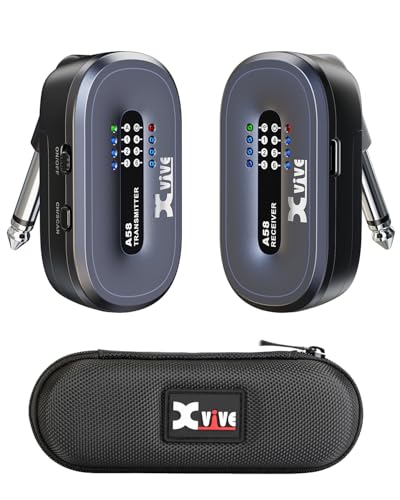
- Works with both active and passive pickups
- 5.8 GHz true diversity helps avoid interference
- 24-bit/48 kHz audio with up to 100 ft range
Best For: Players who need a flexible wireless system for guitars or basses with either active or passive pickups.
Best for Easy Multi-Device Pairing
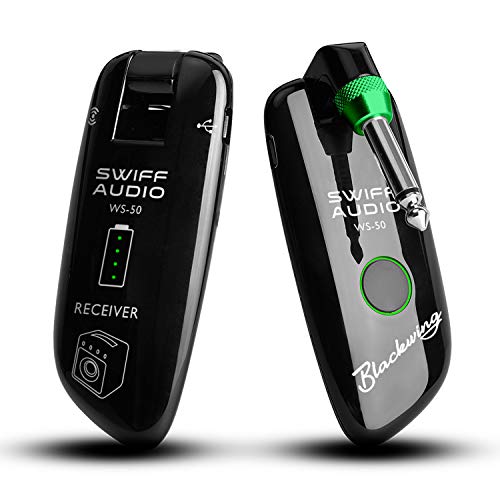
- UHF multi-channel design supports multiple devices cleanly
- Up to 164 ft range with sub-2 ms latency
- Rechargeable battery with power display and plug-and-play setup
Best For: Players who want a simple wireless setup for acoustic-electric or electric instruments.
Best for Active & Passive Pickups
Xvive A58 5.8GHz Wireless Guitar System

- Supports both active and passive pickups
- 5.8 GHz band helps avoid wireless interference
- Up to 100 ft range with USB-C charging
Best For: Players who switch between acoustic-electric, electric, and bass instruments and need versatile wireless compatibility.
Best for Multi-Channel Flexibility
LEKATO 5.8GHz Wireless Guitar System
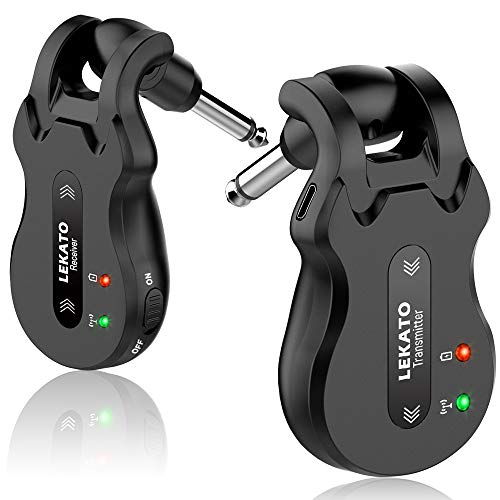
- 5.8GHz band helps reduce wireless congestion
- 4 channels add pairing flexibility
- Rechargeable transmitter and receiver
Best For: Players who want a budget-friendly wireless setup with simple charging and multiple channels.
Best Easy-Pair Option
JOYO JW-06 5.8GHz Wireless Guitar System

- 5.8GHz transmission for cleaner, low-noise audio
- Charging box supports portable, repeat-use convenience
- Four channels add setup flexibility for multiple instruments
Best For: Players who want a simple wireless setup for guitar, bass, and similar 6.35mm instruments.
Best for 5.8GHz Reliability
LEKATO 5.8GHz Wireless Guitar System

- Cleaner 5.8GHz band helps avoid crowded wireless interference
- Low-latency 24-bit audio preserves tone and feel
- Rotating plug works well with recessed and awkward jacks
Best For: Players who want a straightforward wireless setup for acoustic-electric guitar practice, rehearsals, and small gigs.
Best for Easy Setup – BOSS WL-20L Compact Wireless Instrument System
If you want one of the easiest wireless systems for acoustic electric guitars, the BOSS WL-20L is built around quick setup and reliable performance. It’s a plug-and-play solution for instruments with onboard preamps or active pickups, making it a practical choice when you want freedom from cables without adding a lot of complexity.
Best For: Players who want a simple, low-latency wireless setup for acoustic-electric guitars, active pickup instruments, and other line-level gear.
Pros:
- Very fast 10-second dock-and-pair setup
- Low 2.3 ms latency with stable BOSS wireless performance
- Compact, rechargeable design with up to 12 hours of use
- Works with acoustic-electric guitars, active pickups, and line-level devices
Cons:
- No cable tone simulation on the WL-20L model
- 50-foot range depends on line-of-sight conditions
- Not ideal for passive electric guitars without a preamp or active electronics
For players comparing wireless systems for acoustic electric guitars, the WL-20L stands out for its simple workflow and clean, dependable signal. It’s a strong fit if you value speed, portability, and minimal setup more than extra tone-shaping features.
Best for Low-Latency Acoustic Use – Xvive U8 Acoustic Guitar Wireless System
If you want one of the more specialized wireless systems for acoustic electric guitars, the Xvive U8 is built around a close-mic approach rather than a standard instrument pickup link. Its supercardioid microphone, sub-5 ms latency, and 24-bit/48 kHz audio make it a practical pick when you want responsive, natural acoustic sound on stage.
Best For: Acoustic and classical guitar players who want a wireless setup focused on clean, real-time microphone capture.
Pros:
- Ultra-low latency under 5 ms for tight live performance feel
- High dynamic range and SPL help preserve detail without easy overload
- 24-bit / 48 kHz audio keeps the signal clear and usable for gigs
- 90 ft range and included carry case make it easy to take on the road
Cons:
- Battery life tops out at about 5 hours, which may be short for longer sets
- Its mic-based design is more specialized than simple plug-in wireless systems
- Best suited to acoustic/classical use rather than a broad range of electric setups
For players comparing wireless systems for acoustic electric guitars, the U8 stands out for its low-latency performance and microphone-focused design. It is a smart choice if your priority is natural acoustic tone and stage-ready responsiveness over maximum versatility.
Best for Active/Passive Flexibility – Xvive AC58 Wireless Guitar System
If you need one of the more versatile wireless systems for acoustic electric guitars, the Xvive AC58 is built to cover both active and passive pickups with a simple mode switch. Its 5.8GHz true diversity design and 24-bit/48kHz audio make it a practical choice for players who want dependable, full-range wireless tone at home or on stage.
Best For: Players who want a compact wireless setup that works with active or passive acoustic-electric guitars, basses, and electric guitars.
Pros:
- Supports both active and passive pickup modes for broader instrument compatibility
- 5.8GHz true diversity connection helps reduce interference from other wireless gear
- 24-bit/48kHz audio and 20Hz–20kHz response aim to preserve natural tone
- Charging case adds convenience with up to two full recharges for the system
Cons:
- Best results depend on matching the channel and mode correctly
- The compact charging case adds another accessory to carry
For players comparing wireless systems for acoustic electric guitars, the AC58 stands out for its pickup compatibility and included charging case rather than flashy extras. It is a strong fit if you want a straightforward, travel-friendly rig that can move between instruments without much fuss.
Best for Stage Flair – RGB Wireless Guitar System with 230-Ft Range
If you want wireless systems for acoustic electric guitars that add more than just cable-free convenience, this RGB-enabled option stands out with a practical 230-foot range, low-latency transmission, and simple plug-and-play setup.
Best For: Players who want an easy-to-use wireless setup with a fun visual touch for acoustic-electric guitars, electric guitars, basses, and other 6.35mm instruments.
Pros:
- 230-foot transmission range with stable, low-noise audio
- RGB lighting effects add visibility and stage presence
- 280° rotating plug works with many instrument jacks
- Up to 12 hours of rechargeable battery life
Cons:
- Lighting effects may be unnecessary for players who prefer a plain look
- Single-channel wireless systems may not suit complex multi-instrument setups
Overall, this is a strong pick if you want wireless systems for acoustic electric guitars that are easy to carry, quick to pair, and a little more fun on stage or in rehearsal.
Best for Active/Passive Pickups – Xvive A58 5.8GHz Wireless Guitar System
If you want one of the more versatile wireless systems for acoustic electric guitars, the Xvive A58 is built to handle both active and passive pickups while keeping 24-bit/48 kHz audio clean and reliable. Its 5.8 GHz operation helps avoid common wireless interference, and the compact transmitter/receiver setup makes it easy to use at home, rehearsal, or onstage.
Best For: Players who need a flexible wireless system for guitars or basses with either active or passive pickups.
Pros:
- Supports both active and passive modes for broader instrument compatibility
- 5.8 GHz true diversity connection helps reduce interference from other wireless gear
- High-resolution 24-bit/48 kHz audio preserves tone well for live use
- Up to 100 ft range with USB-C charging and quick top-up capability
Cons:
- Battery life tops out at around 5 hours, so longer gigs may need charging breaks
- Active mode may require a manual switch if passive mode distorts on hotter outputs
- Channel setup takes a few steps if you want to scan and match manually
For players comparing wireless systems for acoustic electric guitars, the A58 stands out most for adaptability: it’s not just for one pickup type, and it keeps setup straightforward once the channel is matched. That makes it a strong pick if you want dependable wireless freedom without sacrificing basic tone quality.
Best for Easy Multi-Device Pairing – SWIFF Wireless Guitar System
If you want a simple, plug-and-play option among wireless systems for acoustic electric guitars, the SWIFF system is built around fast setup, multi-channel support, and low-latency performance. It aims to keep your signal clean and responsive while giving you enough range for practice, rehearsals, and small gigs.
Best For: Players who want an easy-to-use wireless setup for multiple electric or acoustic-electric instruments without a complicated menu system.
Pros:
- UHF transmission with separate channels helps multiple devices operate without interfering.
- Up to 164 ft range and sub-2 ms latency are solid for real-world stage use.
- Rechargeable battery and power display make it easy to manage before a set.
- 220° rotatable plug supports quick positioning on different instrument jacks.
Cons:
- About 5 hours of battery life may be short for longer rehearsals or extended gigs.
- Designed for 6.35 mm jacks, so it may not fit every instrument or pickup setup.
Overall, this is a practical pick if you need dependable wireless systems for acoustic electric guitars and want multi-channel convenience more than advanced controls. Its value comes from straightforward operation, low lag, and enough range for most typical playing environments.
Best for Active & Passive Pickups – Xvive A58 5.8GHz Wireless Guitar System
If you want one of the most flexible wireless systems for acoustic electric guitars, the Xvive A58 stands out for its 5.8 GHz operation, 24-bit/48 kHz audio, and support for both active and passive pickups. It’s a practical choice for players who need clean sound, simple pairing, and enough range for home practice or small stages.
Best For: Players who use different guitars or basses and want a low-latency wireless setup that handles active or passive electronics.
Pros:
- Works with both active and passive pickups for broad instrument compatibility
- 5.8 GHz transmission helps reduce interference from other wireless gear
- Up to 100 ft range and up to 5 hours of battery life for flexible use
- 24-bit/48 kHz audio preserves clarity for acoustic-electric and electric instruments
Cons:
- Battery life may be short for long gigs without access to charging
- Passive mode can distort with some high-output instruments, requiring a mode switch
For players comparing wireless systems for acoustic electric guitars, the A58 is appealing because it combines modern audio quality with easy compatibility across different pickup types. It’s especially useful if you want one compact system that can move between instruments without much hassle.
Best for Multi-Channel Flexibility – LEKATO 5.8GHz Wireless Guitar System
If you want a simple, rechargeable option for wireless systems for acoustic electric guitars, the LEKATO 5.8GHz system is built around easy plug-and-play use and quick channel switching. It’s a practical pick for players who want cable-free freedom for rehearsals, small gigs, or home practice without spending too much.
Best For: Guitarists who want an affordable wireless setup with multiple channels and a straightforward battery-powered design.
Pros:
- 5.8GHz transmission helps avoid crowded 2.4GHz wireless traffic
- 4 selectable channels for more flexible pairing options
- Rechargeable design cuts down on disposable batteries
- Compact transmitter/receiver layout keeps setup simple
Cons:
- Made mainly for electric guitar and bass, so acoustic-electric compatibility may depend on your pickup output
- Best suited to casual and mid-range use rather than touring-grade reliability
- Range and stability can vary with stage interference and placement
Overall, this LEKATO unit is a sensible value choice if you’re shopping wireless systems for acoustic electric guitars and want a low-friction way to go cable-free. The multi-channel 5.8GHz design is the main draw, especially for players who need a budget-friendly, rechargeable setup.
Best Easy-Pair Option – JOYO JW-06 5.8GHz Wireless Guitar System
If you want one of the more practical wireless systems for acoustic electric guitars and other plug-in instruments, the JOYO JW-06 focuses on simple pairing, stable 5.8GHz transmission, and a compact charge case that keeps the set ready to go.
Best For: Players who want a low-hassle wireless setup for guitar, bass, and similar 6.35mm mono instruments with quick charging and multiple channel support.
Pros:
- 5.8GHz signal aims for lower noise, lower latency, and steadier performance
- Charging box is convenient for travel and can recharge the system twice
- Works with many electric guitars, basses, and other 6.35mm mono jack instruments
- Four signal channels add flexibility when switching between setups
Cons:
- Designed more for plug-in instruments than true acoustic-only use
- Battery life is solid, but not the longest in the category
- May be overkill if you only need a basic single-room practice solution
Overall, the JW-06 is a smart pick if you want wireless systems for acoustic electric guitars that are easy to pack, easy to pair, and built around dependable everyday use rather than advanced pro features.
Best for 5.8GHz Reliability – LEKATO 5.8GHz Wireless Guitar System
If you want a simple, dependable pick among wireless systems for acoustic electric guitars, the LEKATO 5.8GHz system stands out for its cleaner frequency band, low-latency performance, and easy plug-and-play setup. It’s built for players who want to move freely without fighting cable clutter or constant interference.
Best For: Acoustic-electric and electric players who want an easy wireless setup for practice, rehearsals, small gigs, and home studio use.
Pros:
- 5.8GHz connection helps reduce interference from crowded 2.4GHz wireless gear
- 24-bit/48kHz audio with under 6ms latency keeps tone clear and responsive
- 220° rotating plug fits many recessed and awkward guitar or bass jacks
- 4-channel operation supports multiple players on the same stage
Cons:
- Battery life is limited to about 5 hours per charge
- 100-foot range assumes a clear line of sight
- Not the best choice if you need all-day stage endurance
Overall, this LEKATO set is a practical option if you want wireless systems for acoustic electric guitars that prioritize stable signal, fast setup, and usable sound quality over extra bells and whistles. It’s especially appealing for players who need a clean, cable-free rig for everyday use.
How We Picked the Best Wireless Systems for Acoustic Electric Guitars
We prioritized real-world usability first: stable wireless performance, simple pairing, strong battery life, and a form factor that works well with acoustic-electric output jacks and stage setups. We also favored systems that balance sound quality with convenience, since many players need Wireless Systems for Acoustic Electric Guitars that are quick to deploy without adding noise or complexity.
Quick Comparison
At a high level, the main differences come down to wireless band, latency, battery/charging method, range, plug style, and whether the system is better suited to a passive pickup, active pickup, or a wider range of instruments. Compact plug-and-play models are best for fast setup, while charging-case designs are more appealing for players who travel frequently or use their system often.
Key Buying Factors for Wireless Systems for Acoustic Electric Guitars
Signal Stability and Range
Look for a system with enough range for your typical stage, rehearsal room, or busking space. A longer rated range is useful, but stable performance in crowded wireless environments matters more than the biggest number on the box.
Latency and Tone
Low latency is essential if you rely on tight rhythm playing or frequent monitor changes. For acoustic-electric instruments, pay attention to how the system handles high frequencies and dynamic attack so your unplugged-style tone still feels natural through a PA or acoustic amp.
Pickup Compatibility
Not all Wireless Systems for Acoustic Electric Guitars behave the same with active and passive pickups. Check input sensitivity and compatibility carefully, especially if your guitar has an onboard preamp, EQ, or a nonstandard output level.
Battery Life and Charging
If you gig regularly, battery runtime and charging convenience can matter as much as sound. A charging case is helpful for travel and frequent use, while USB-rechargeable units are often enough for occasional players.
Plug Orientation and Physical Fit
Acoustic-electric endpin jacks and recessed output sockets can make plug shape important. Rotating plugs, short housings, and flexible connectors reduce strain and improve fit on smaller bodies and tightly spaced jacks.
Who Should Buy Which Wireless Systems for Acoustic Electric Guitars?
Choose a compact, easy-to-use model if you want a simple setup for practice, worship, or casual gigs. Choose a higher-capacity system if you need all-day battery life, multi-channel flexibility, or a charging case for travel. Players who switch between acoustic, electric, and bass should also prioritize broad compatibility over niche features. If your main goal is dependable performance with minimal cable clutter, these are the best Wireless Systems for Acoustic Electric Guitars to narrow your search quickly.