Looking for one pedalboard-sized solution that can handle practice, recording, and live gigs? The best floor guitar effects processors bundle amps, cabs, drives, modulation, delay, reverb, and more into a single, easy-to-manage unit.
This roundup focuses on versatile, practical options across different budgets and skill levels, so you can choose a processor that fits your playing style without overbuying features you may never use.
Best 10 Floor Guitar Effects Processors Picks for 2026
Portable HX Floor Choice

- Large color display with simple, knob-driven control
- 270+ HX and legacy amp/effects models
- Compact, lightweight design with stereo effects loop
Best For: Players who want an easy-to-use, portable multi-effects pedal
Compact Pro Routing

- GX-100 core technology in a compact format
- 32 amp types and 170 BOSS effects
- Up to 15 assignable blocks with WAV IR support
Best For: Guitarists and bassists who want advanced tone shaping in a portable unit
Smart Budget Hybrid

- 3.5-inch color display with RGB lighting
- AI assistant plus mobile/desktop editing
- 80-second stereo looper and 40 drum rhythms
Best For: Players who want smart editing features and versatile practice tools
Hands-On Workhorse
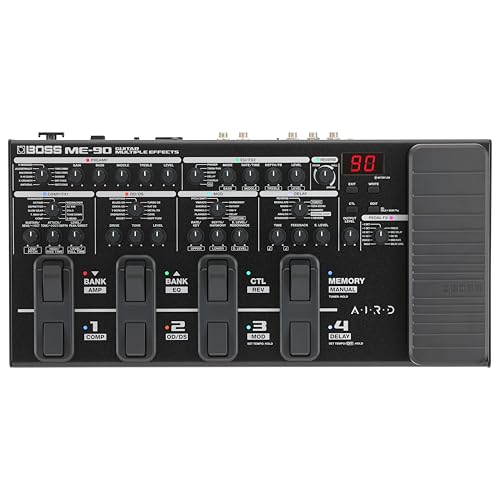
- Knob-based interface for fast tone shaping
- 11 AIRD amp models and 60 effects
- Eight footswitches, expression pedal, and effects loop
Best For: Players who want a performance-friendly all-in-one processor
Feature-Packed Practice Processor
Flatsons KMF-1 Multi-Effects Pedal
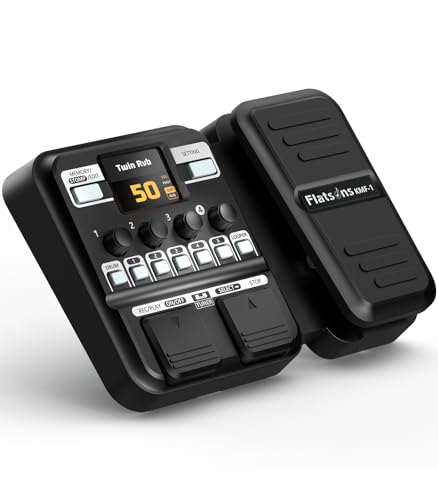
- 77 effects with 18 amp models and 18 cabs
- 50 presets plus 30-second looper and drum rhythms
- Stomp Mode, Edit Mode, and expression control
Best For: Players wanting an all-in-one practice and performance pedal
Smart Modeling Floor Unit

- 130+ effects with 100 preset slots
- Supports NAM and cabinet IR files
- App editing plus USB audio and loopback
Best For: Players who want advanced modeling and connected editing
Simple Starter Processor
Zoom G1 Four Multi-Effects Processor
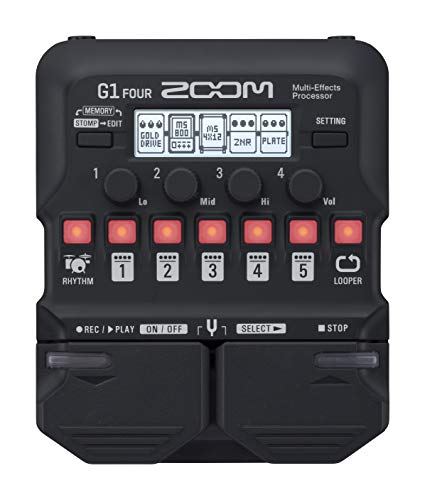
- 65 effects and 13 amp models
- 30-second looper with 68 rhythm patterns
- Aux input and free editing software
Best For: Beginners wanting an affordable, portable effects unit
Flexible Floor Workhorse

- 200 presets with 170 effects
- Four footswitches and expression control
- USB OTG recording and looper tools
Best For: players who want a versatile floor processor with strong control and recording features
Compact Practice Choice

- 71 effects and 13 amp models
- 30-second looper with 68 rhythms
- Expression pedal and headphone practice support
Best For: players who want a portable, battery-powered multi-effects unit for practice and songwriting
Stage-Ready All-Rounder

- Over 240 effects with 140+ amp/cab models
- USB-C audio interface with loopback and re-amping
- 256 patch slots plus looper and drum machine
Best For: guitar and bass players who want a rugged, stage-focused processor with deep routing and USB audio
Portable HX Floor Choice – Line 6 POD Go
If you want floor guitar effects processors that keep setup simple without trimming tone options, the Line 6 POD Go is built for fast editing and easy carrying. Its large color display, compact footprint, and 270+ HX and legacy models make it a practical choice for players who need a straightforward rig with plenty of sounds.
Best For: Guitarists who want a lightweight, easy-to-use processor with a broad model library.
Pros:
- Large color display and knob-based controls make navigation quick.
- 270+ HX and legacy amp/effects models provide wide tonal range.
- Third-party IR loading adds useful cabinet flexibility.
- Stereo effects loop and expression pedal/footswitch input support flexible setups.
Cons:
- Uses a corded power source rather than battery power.
- Shoulder bag is sold separately.
Overall, the POD Go stands out as a simple, ultra-portable floor option that still covers a lot of ground. It is a strong fit if you want reliable stage or practice convenience without a complicated learning curve.
Compact Pro Routing – BOSS GX-10
Among floor guitar effects processors, the BOSS GX-10 is aimed at players who want a compact unit with serious sound-engine features. It combines a portable format with the GX-100 core technology, a color touch display, and flexible routing for building a highly customized guitar or bass setup.
Best For: Guitar and bass players who want a compact processor with advanced routing and modern amp modeling.
Pros:
- GX-100 core technology with color touch display in a smaller chassis.
- 24-bit AD/32-bit DA conversion and 32-bit floating-point processing.
- 32 amplifier types and 170 BOSS effects offer broad coverage.
- Up to 15 assignable blocks and WAV speaker IR support increase flexibility.
Cons:
- Only three footswitches, so hands-on control is more limited than larger boards.
- Designed as a compact unit, which may be less expansive for complex rigs.
The GX-10 makes sense if you want a travel-ready processor that still feels feature-rich under the hood. Its strength is packing advanced modeling, routing, and speaker options into a streamlined design.
Smart Budget Hybrid – MOOER GE100Pro
The MOOER GE100Pro brings a modern take to floor guitar effects processors with a 3.5-inch color display, AI tone assistance, and app-based editing. It is built for players who want a flexible digital unit that can handle practice, recording, and casual live use with plenty of connectivity.
Best For: Players who want a feature-packed processor with smart editing tools and mobile/desktop control.
Pros:
- 3.5-inch color display and RGB lighting give it a modern interface.
- AI Smart Assistant and Cloud app/desktop editing support detailed tone management.
- Supports MNRS, NAM A2, and third-party IR files for expanded tone loading.
- Built-in 80-second stereo looper, 40 drum rhythms, and expression pedal add practice tools.
Cons:
- Uses AC adapter power rather than battery operation.
- Digital workflow may appeal more to players comfortable with app and software editing.
This is a good choice if you want one processor that blends modern editing, looping, and recording features. The GE100Pro is especially practical for players who like controlling tones from both the hardware and the companion apps.
Hands-On Workhorse – BOSS ME-90
BOSS ME-90 Guitar Multi-Effects Guitar Processor | All-In-One Guitar Processor
Check Price On AmazonIf you prefer floor guitar effects processors that feel immediate under your feet, the BOSS ME-90 is built around an intuitive knob-based workflow. It combines BOSS’s ME-series approach with flagship-grade AIRD amp models, IR loading, and a broad effects library for players who want quick tone shaping without deep menu diving.
Best For: Guitarists who want an easy, performance-friendly processor with strong BOSS tones and hands-on control.
Pros:
- Knob-based interface supports fast stompbox-style sound creation.
- 11 AIRD amp models and 60 effects cover a wide range of tones.
- Eight multi-function footswitches and a redesigned expression pedal improve control.
- Includes an effects loop, IR loading, and BOSS Tone Studio editing support.
Cons:
- Uses corded electric power in the supplied details, so it is not fully untethered.
- Bluetooth editing/audio streaming requires an optional adaptor.
The ME-90 is a strong fit for players who want a familiar layout and dependable BOSS processing in one board. Its appeal is the balance between quick hands-on operation and enough depth for custom setups.
Feature-Packed Practice Processor – Flatsons KMF-1 Multi-Effects Pedal
If you want floor guitar effects processors that pack a lot of practice and performance features into one unit, the Flatsons KMF-1 is built for broad tone shaping. It combines amp, cab, drive, modulation, delay, dynamics, reverb, and filter sections with 50 preset patches, a looper, drum rhythms, and a tuner for all-in-one use.
Best For: Players who want a feature-rich multi-effects pedal for practice, home recording, and live tone switching.
Pros:
- 77 classic effects across 8 modules, plus 18 amp models and 18 cabinet simulators
- 50 preset patches with Memory Mode for fast tone changes on stage
- Built-in tuner, 30-second looper, 42 drum rhythms, and AUX IN for backing tracks
- Stomp Mode and Edit Mode support flexible effect control and fine tuning
Cons:
- Battery runtime is limited to up to 2.5 hours on 6 AA batteries
- Cab simulation must be managed carefully depending on whether you use a real cab or monitors
Overall, the KMF-1 is a practical choice if you want a floor processor that covers a lot of ground without forcing you to build tones from scratch every time. Its mix of presets, editing depth, and practice tools makes it especially useful for players who need one pedal to do many jobs.
Smart Modeling Floor Unit – SONICAKE QME-20 Smart Box
The SONICAKE QME-20 fits the floor guitar effects processors category for players who want deep editing, modern connectivity, and a wide effects library in one box. It offers 9 simultaneous modules, 130+ effects, preset storage, IR/NAM support, and USB audio features for more flexible home and stage workflows.
Best For: Guitarists and bass players who want advanced tone editing, IR loading, and smart app control.
Pros:
- Over 130 effects with 100 preset slots and 9 simultaneous modules
- Supports third-party NAM and cabinet IR files for expanded tone options
- Sonicake Manager and Soniclink app enable deep editing and preset management
- Includes looper, tuner, metronome, drum rhythms, and USB audio interface functions
Cons:
- USB cable and 9V DC cable are not included
- Firmware should not be updated on Windows 11 at this time
The QME-20 stands out if you care as much about workflow as you do about effects count. Between app-based control, IR/NAM loading, and performance tools, it is a strong fit for players who want a more modern multi-effects setup.
Simple Starter Processor – Zoom G1 Four Multi-Effects Processor
The Zoom G1 Four is a straightforward option among floor guitar effects processors, especially if you want a compact unit with plenty of core sounds. It includes 65 built-in effects, 13 amp models, a looper, rhythm patterns, and software support for players who want an easy entry point into multi-effects.
Best For: Beginners and budget-minded players who want a simple, portable effects processor with essential features.
Pros:
- 65 built-in effects and 13 amp models cover a wide range of basic tones
- 30-second looper and 68 rhythm patterns help with practice
- Aux input and amp/headphone output make it easy to play along quietly
- Free Zoom Guitar Lab software adds Mac/Windows editing support
Cons:
- It uses analog signal format, so it is less advanced than newer digital modeling units
- Feature set is simpler than higher-end processors with IR loading or app control
If you want a no-fuss multi-effects unit that covers the essentials, the G1 Four is easy to recommend. It is compact, practice-friendly, and broad enough in effect selection to serve as a solid first processor.
Flexible Floor Workhorse – MOOER GE150 Pro
The MOOER GE150 Pro is a feature-rich floor guitar effects processor for players who want deep preset control, lots of amp and cab choices, and modern recording options in one pedalboard-friendly unit. With 200 factory presets, 170 effects, and support for MNRS sample files, it’s built for everything from practice to performance.
Best For: Guitarists who want a versatile floor processor with four footswitches, expression control, and mobile-friendly recording.
Pros:
- 200 presets, 55 amp models, and 26 cab simulations provide a wide tonal range.
- Four multi-purpose footswitches and expression pedal support make live control more flexible.
- Built-in looper, drum machine, tuner, and 80-second stereo looper add useful practice tools.
- USB Type-C and OTG support make editing, firmware updates, and phone recording easier.
Cons:
- Standard GE150 Pro is mains-powered, so it is not the battery version.
- Its many controls and modes may take time to learn if you want quick, simple operation.
Overall, the GE150 Pro stands out as a highly adaptable floor guitar effects processor for players who want broad sound options and serious utility without stepping up to a larger rig.
Compact Practice Choice – Zoom G1X Four
The Zoom G1X Four is an affordable floor guitar effects processor aimed at players who want a compact way to explore tones, practice with rhythm support, and build loops. It packs 71 effects, 13 amp models, and an expression pedal into a small unit that is easy to use at home or on the go.
Best For: Players looking for a small, battery-powered multi-effects unit for practice, songwriting, and simple gig use.
Pros:
- 71 built-in effects and 13 amp models give you plenty of tone options.
- 30-second looper and 68 rhythm patterns are useful for practice and songwriting.
- Expression pedal adds hands-on control without needing extra gear.
- Aux input and headphone output support quiet practice anywhere.
Cons:
- The 30-second looper is shorter than what some players may want for layered parts.
- Sound editing relies on Zoom Guitar Lab for deeper patch control.
As a budget-friendly floor guitar effects processor, the G1X Four focuses on portability and practice features rather than maximum processing depth.
Stage-Ready All-Rounder – Valeton GP-200
The Valeton GP-200 is a floor guitar effects processor designed with live performance in mind, combining a large effects library, flexible routing, and strong connectivity. With over 240 effects, 256 patch slots, and USB-C audio interface support, it targets players who want a more complete all-in-one board for stage and studio use.
Best For: Guitar and bass players who want a rugged, stage-focused processor with deep routing and USB audio.
Pros:
- Over 240 effects and 140+ amp/cab models provide a broad sound palette.
- 256 patch slots and 20 user IRs give you room to organize a large preset library.
- USB-C 6-in/4-out audio interface supports loopback and re-amping.
- Built-in looper, drum machine, chromatic tuner, and expression pedal improve performance utility.
Cons:
- Its feature set is extensive, so casual users may not need everything it offers.
- It is corded electric, so it is less portable than battery-powered alternatives.
For players shopping floor guitar effects processors with serious live capability, the GP-200 delivers a strong mix of tone variety, routing flexibility, and studio-friendly connectivity.
How We Picked the Best Floor Guitar Effects Processors
We evaluated Floor Guitar Effects Processors based on sound quality, ease of use, preset flexibility, amp and cab modeling, connectivity, expression control, USB audio features, and overall value. Priority went to units that balance strong tone shaping with a workflow that stays approachable on a pedalboard.
Quick Comparison
In general, the most capable models in this group are better suited for players who want deeper editing, amp and IR support, and recording-friendly outputs. Simpler units are easier to learn and often better for practice or straightforward gig setups. If you want the most complete all-in-one solution, look for larger displays, more I/O, and looper or USB interface features.
Key Buying Factors for Floor Guitar Effects Processors
Sound Engine and Amp Modeling
Start with tone quality. A good processor should deliver convincing amp models, usable cab sims, and effects that sound natural at bedroom volume and through full-range speakers or front-of-house systems. If you rely on direct recording, amp and IR support matters even more.
Workflow and Usability
Some Floor Guitar Effects Processors are designed for fast preset browsing, while others reward deep editing. Consider screen size, footswitch layout, menu complexity, and whether the unit makes it easy to build patches quickly.
Connectivity and Recording
USB audio, headphone monitoring, effects loops, expression pedal support, and balanced outputs can dramatically change how useful a processor is. Players who record at home should pay close attention to interface features and direct-to-DAW convenience.
Form Factor and Control
Compact units are easier to carry and fit on crowded boards, while larger processors often provide more switches and editing depth. If you use wah, volume swells, or real-time parameter control, an onboard expression pedal can be a major advantage.
Who Should Buy Which Floor Guitar Effects Processors?
Beginners usually benefit from simpler processors with clear controls and solid factory sounds. Gigging players may prefer models with better foot control, durable construction, and easy preset switching. Studio-focused players should prioritize USB audio, cab/IR options, and flexible routing. If you want one unit that can cover most situations, choose a more full-featured processor rather than the smallest or cheapest option.
Among Floor Guitar Effects Processors, the right choice usually comes down to how much editing you want to do, how you plan to connect, and whether portability or depth matters more in your setup.