Finding the right drum machine on a budget can be harder than it should be. Some are built for classic analog punch, others for hands-on beat making, portability, or guitar-friendly practice.
This roundup covers 10 of the best drum machines under 300 so you can quickly match the right feature set to your workflow, sound, and budget.
Best 10 Drum Machines Under 300 Picks for 2026
Classic Studio Workhorse
Alesis SR-16 Standalone Drum Machine
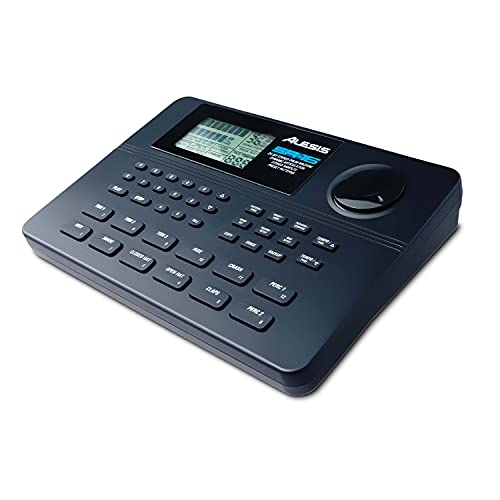
- 233 sounds across 50 preset and 50 user kits
- Built-in effects and Dynamic Articulation
- MIDI support with stereo outputs
Best For: Songwriters, live performers, and remix engineers
Analog Punch Pick
Arturia DrumBrute Impact Analog Drum Machine

- Separate accent per drum
- Song mode for chaining patterns
- Optional Color sound-shaping on most instruments
Best For: Beatmakers wanting expressive analog sequencing
Portable Pattern Starter
Korg Volca Beats Analog Rythem Machine

- Compact unit with built-in speaker
- 16-step sequencer and sync/MIDI support
- Real analog sounds plus PCM percussion
Best For: Portable beatmaking and beginner-friendly sequencing
Fingerpad Flex Choice
Medeli MR101S Portable Drum Machine

- 16 touch-sensitive finger pads
- 48 kits and 100 preset patterns
- USB-C or battery power with foot pedal
Best For: Portable players wanting pad control and hands-free flexibility
Analog Classic

- 8 analog drum voices
- 16-step sequencer
- USB/MIDI and distortion effects
Best For: buyers wanting a compact analog drum machine with classic sequencing
Pad Controller Hub
Donner STARRYPAD MIDI Pad Controller

- 16 backlit velocity pads
- 48 assignable pads via 3 banks
- USB-C plus MIDI in/out
Best For: DAW users who want a hands-on MIDI pad controller
Compact Analog Pick

- 8 drum voices
- 16-step sequencer
- USB/MIDI plus 2 trigger outputs
Best For: beatmakers wanting a compact analog drum machine with sync options
Portable Beat Sketcher
Stylophone Beat Compact Stylus Drum Machine

- 4 drum kits and 4 bass sounds
- Click track, tempo lock, and multi-layer recording
- Built-in speaker plus headphone support
Best For: Portable beat making and quick rhythm sketches
Classic Analog Sequencer
Behringer RD-78 Classic Analog Drum Machine

- 15 drum sounds with 34 rhythm presets
- 16-step sequencer for custom beats
- Compact, durable design for studio or live use
Best For: Beginners and performers who want fast analog-style beat creation
Pedal Groove Companion
MOOER Drum Machine Guitar Pedal X2

- 121 grooves across 11 music styles
- Tap tempo, fill function, and dual-footswitch control
- Custom song banks and stereo I/O
Best For: Guitar and bass players needing rhythm support in pedal form
Classic Studio Workhorse – Alesis SR-16 Standalone Drum Machine
If you want drum machines under 300 that lean into reliability and breadth of sounds, the Alesis SR-16 is the classic all-purpose option. It gives songwriters and live performers a large sound set, built-in effects, and straightforward MIDI integration for use with keyboards, computers, DAWs, and electronic drum kits.
Best For: Songwriters, live players, and remix engineers who want a proven drum machine with deep sound and MIDI support.
Pros:
- 233 professional sounds with 50 preset and 50 user drum kits
- Dynamic Articulation and built-in digital effects for more realistic playback
- Full MIDI support plus 4 stereo pair outputs for flexible setups
- Sound stacking and step editing add production control
Cons:
- Plastic build may feel less premium than some alternatives
- Interface is geared more toward classic workflow than modern touch-based control
Overall, the SR-16 stands out as a dependable, feature-rich choice in the drum machines under 300 category, especially if you value proven sounds and easy integration over novelty. Its long-running reputation comes from doing the essentials well for both studio and stage use.
Analog Punch Pick – Arturia DrumBrute Impact Analog Drum Machine
For shoppers comparing drum machines under 300, the Arturia DrumBrute Impact is the pick for hands-on analog beat making. Its focus is on performance-friendly control, with separate accent per drum, a song mode for chaining patterns, and optional color sound-shaping to help vary the groove.
Best For: Beatmakers who want an expressive analog drum machine with performance-oriented pattern chaining.
Pros:
- Separate accent per drum for more dynamic sequencing
- Song mode lets you chain patterns into full arrangements
- Optional Color sound-shaping on all instruments except Cowbell
Cons:
- Supplied notes emphasize core features more than connectivity details
- May appeal most to users specifically looking for an analog workflow
The DrumBrute Impact is a strong choice if you want immediate control and a more tactile approach to rhythm programming. It fits well in a budget-minded roundup when analog character and pattern chaining matter most.
Portable Pattern Starter – Korg Volca Beats Analog Rythem Machine
Korg Volca Beats Analog Rythem Machine w/Electribe-style 16-step Sequencer and Real Analog Sounds
Check Price On AmazonIf you’re browsing drum machines under 300 and want something compact, the Korg Volca Beats is built for portability and fast programming. It combines a built-in speaker, battery power, and a 16-step sequencer with real analog sounds, plus MIDI and sync options for working with other gear.
Best For: Beginners and portable producers who want a compact analog drum machine for quick beat creation.
Pros:
- Compact design with built-in speaker and optional battery power
- Electribe-style 16-step sequencer for intuitive programming
- SYNC In/Out and MIDI In support integration with other gear and DAWs
- Real analog sounds plus PCM sounds for clap, crash, and similar parts
Cons:
- Only eight memory patches are available for storing sequences
- Minimal parameters may feel limited for users wanting deep editing
The Volca Beats is best when you need a small, easy-to-carry machine that gets you to a beat quickly. Its mix of analog character and practical portability makes it an easy fit for lightweight setups and spontaneous sessions.
Fingerpad Flex Choice – Medeli MR101S Portable Drum Machine
Among drum machines under 300, the Medeli MR101S stands out for fingerpad playability and hands-free flexibility. It offers 16 touch-sensitive finger pads, 48 drum kits, 100 preset patterns, and USB-C or battery power, making it a practical portable option for sketching ideas or performing without a complicated setup.
Best For: Players who want touch-sensitive pads and portable power options for flexible beat making.
Pros:
- 16 touch-sensitive finger pads for responsive playing
- 48 drum kits and 100 preset drum patterns
- Included foot pedal adds hands-free flexibility
- USB-C or battery power supports portability
Cons:
- Supplied details do not mention onboard speakers
- Feature set is more focused on portability than deep sound design
The MR101S is a smart pick if your priority is quick, portable beat input with pad-style control. It offers a useful balance of preset variety and hands-free operation for simple writing and practice sessions.
Analog Classic – Behringer RD-6-BB Baby Blue
If you’re comparing drum machines under 300 and want a straightforward analog box, the Behringer RD-6-BB keeps the focus on classic drum programming. It offers 8 drum voices, a 16-step sequencer, USB/MIDI connectivity, and distortion effects, so it suits buyers who want hands-on rhythm building without extra complexity.
Best For: producers and beatmakers who want an affordable analog drum machine with classic sequencing and basic connectivity.
Pros:
- 8 analog drum voices for core rhythm sounds
- 16-step sequencer for simple pattern building
- USB/MIDI connectivity for integration with other gear
- Distortion effects add extra grit to beats
Cons:
- Only 8 drum voices, so it stays fairly focused
- 16-step sequencer is more compact than longer pattern systems
Overall, the RD-6-BB is a practical pick if you want an analog drum machine that emphasizes hands-on sequencing and familiar drum voicings. It looks best for users who value straightforward rhythm creation over a feature-heavy workflow.
Pad Controller Hub – Donner STARRYPAD MIDI Pad Controller
For shoppers looking at drum machines under 300 and really wanting a pad-based workflow, the Donner STARRYPAD is aimed at music production control rather than standalone sound generation. It includes 16 backlit soft silicone pads, 3 pad banks for 48 assignable pads, 2 faders, 2 knobs, USB-C connectivity, and MIDI in/out, making it a flexible controller for DAW-driven setups.
Best For: DAW users who want a compact MIDI pad controller with assignable controls and bundled learning software.
Pros:
- 16 backlit pads with adjustable velocity sensitivity curves
- 3 pad banks for up to 48 assignable pads
- 2 faders, 2 knobs, and 3 buttons for extra control
- USB-C plus MIDI in/out for broad connectivity
Cons:
- Needs DAW software to produce sound on its own
- Editor is for setting the pad controller, not recording or arranging music
- iPhone and iPad use requires an Apple Lightning to USB adapter
In practice, this is better viewed as a beat-making controller than a self-contained drum machine. If your setup already centers on software instruments, the STARRYPAD gives you a lot of hands-on control in a compact layout.
Compact Analog Pick – Behringer RD-6-TG Orange
If you’re narrowing down drum machines under 300 and want a simple analog option, the Behringer RD-6-TG keeps the same core formula in an orange translucent finish. It features USB/MIDI connectivity, 8 drum voices, 2 trigger outputs, and a 16-step sequencer, giving you a focused setup for programming beats and syncing with other gear.
Best For: beatmakers who want a compact analog drum machine with MIDI support and trigger outputs.
Pros:
- 8 drum voices for essential analog rhythm parts
- 16-step sequencer for quick pattern creation
- USB/MIDI connectivity for external integration
- 2 trigger outputs for linking with other devices
Cons:
- 8-voice layout keeps the sound set streamlined
- 16-step sequencer may feel basic for longer patterns
This model is a solid fit if you want the RD-6 style workflow with a different finish and the same core drum-machine essentials. It makes the most sense for users who want a compact analog unit with practical connectivity.
Portable Beat Sketcher – Stylophone Beat Compact Stylus Drum Machine
If you want one of the more portable drum machines under 300, the Stylophone Beat keeps things simple and hands-on. It gives you 4 drum kits and 4 bass sounds, plus a click track and tempo lock to help you stay in time while layering parts and recording multiple patterns.
Best For: Battery-powered beat making, quick sketching, and players who want a compact stylus-based rhythm machine.
Pros:
- 4 drum kits and 4 bass sounds for basic beat building
- Click track and tempo lock help keep performances tight
- Record multiple layers and multiple patterns
- Built-in speaker with volume control and headphone support
Cons:
- Powered by 3 AA batteries, which are not included
- Sound set is limited compared with larger drum machines
- Designed for compact use rather than deep sequencing
Overall, this is a practical pick if portability matters more than advanced programming. It is best suited to straightforward rhythm creation, layering ideas quickly, and working without a lot of setup.
Classic Analog Sequencer – Behringer RD-78 Classic Analog Drum Machine
Among drum machines under 300, the Behringer RD-78 stands out for players who want a classic analog-style approach with simple programming. It includes 15 drum sounds, 34 rhythm presets, and a 16-step sequencer, so you can move from preset ideas to custom patterns without a steep learning curve.
Best For: Beginners and performers who want an intuitive analog drum machine for quick beat creation.
Pros:
- 15 authentic drum sounds cover a range of classic tones
- 34 rhythm presets provide instant starting points
- 16-step sequencer supports custom pattern programming
- Compact and durable design suits studio or live use
Cons:
- Sound palette is focused on classic analog-style drums
- No advanced features are highlighted in the supplied details
- Best fit is a straightforward workflow, not deep complexity
This is a solid choice if you want a drum machine that is easy to use and built for immediate playability. The preset library and step sequencer make it a practical option for fast beat building and live performance.
Pedal Groove Companion – MOOER Drum Machine Guitar Pedal X2
If you are shopping for drum machines under 300 and need accompaniment for guitar or bass, the MOOER X2 is built around pedalboard use. It offers 121 drum grooves across 11 music styles, along with 7 rhythm slots, tap tempo, and a fill function for adding movement during practice or performance.
Best For: Guitarists and bassists who want a compact drum groove pedal with plenty of rhythm options.
Pros:
- 121 built-in drum grooves across 11 musical genres
- 11 customizable song banks with 7 rhythm slots each
- FILL function and TAP TEMPO help shape live playing
- Stereo I/O and external control support add flexibility
Cons:
- Works as a pedal, so it is not a tabletop drum machine
- Requires a 9V DC adapter, which is included
- Menu-free control is helpful, but deeper editing depends on software
For players who want backing rhythms in a pedal format, this model delivers a lot of built-in groove variety and quick performance controls. It is especially practical if you need rhythm support without carrying a full drum machine setup.
How We Picked the Best Drum Machines Under 300
We focused on models that offer real value for the price: usable sound engines, straightforward sequencing, reliable timing, and features that suit beginners and experienced beatmakers alike. We also prioritized variety, since the best choice depends on whether you want classic analog tones, MIDI control, portable practice tools, or a pedal-based rhythm partner.
Quick Comparison
Among Drum Machines Under 300, the main differences come down to sound character and workflow. Analog-style units tend to deliver punchy, immediate beats with hands-on control. Sample-based or preset-driven machines are often easier for quick songwriting and backing tracks. Pad-based units typically work best for finger drumming and production, while compact or pedal formats favor portability and stage use.
Key Buying Factors for Drum Machines Under 300
Sound Engine
Choose analog if you want raw, vintage-style drums and live tweaking. Choose digital or sample-based if you want broader versatility, more polished presets, or easier genre coverage.
Sequencing and Controls
Look at step count, pattern storage, swing, accents, fill functions, and whether the interface is easy to program quickly. A simple layout can matter more than extra features if you plan to write songs often.
Connectivity
MIDI, sync options, and audio outputs are important if you want to integrate the machine with a DAW, synths, pedals, or live rigs. For guitar players, a pedal-format drum machine may be the most practical fit.
Portability and Power
If you travel, rehearse away from home, or want something for casual sketching, battery power and compact size may matter more than advanced sequencing.
Who Should Buy Which Drum Machines Under 300?
Beginners usually benefit from simple, immediate machines that make programming easy. Producers may prefer pad-based or MIDI-friendly options for recording and arrangement. Live performers often want strong hands-on control, pattern switching, and dependable outputs. Guitarists and solo performers may get the most use from a compact rhythm pedal. If you want classic grooves and tactile sound shaping, analog-style Drum Machines Under 300 are often the sweet spot.