Choosing microphones for recording vocals and guitar comes down to more than price. The right mic should match your voice, your instrument, and the room you record in.
Below, we’ve focused on 10 options that balance sound quality, flexibility, and value for singers, songwriters, and home-studio buyers in 2026.
Best 10 Microphones for Recording Vocals and Guitar Picks for 2026
Project Studio Condenser
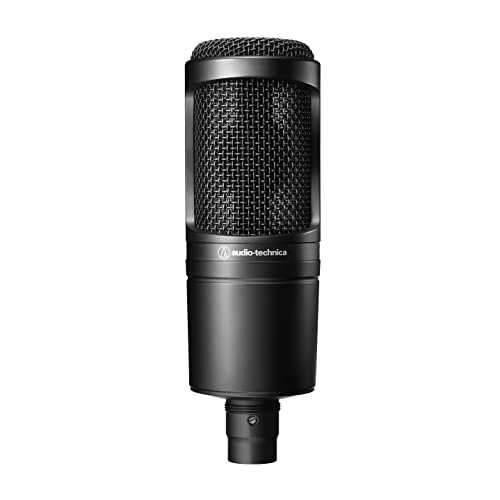
- Cardioid pattern helps reduce side and rear pickup.
- High SPL handling and wide dynamic range add flexibility.
- Low-mass diaphragm captures detail and transients.
Best For: Home-studio vocals and acoustic guitar recording
Legendary Live Vocal Dynamic

- Cardioid pattern focuses on vocals and limits background noise.
- Built-in pop protection helps reduce plosives and breath noise.
- Rugged metal construction is made for heavy use.
Best For: Lead vocals and reliable live-to-studio recording
Stereo Acoustic Detail Pair

- Two matched-style mics support stereo recording.
- Three capsule patterns add flexibility for different sources.
- Includes windscreens, clips, and a carrying case.
Best For: Stereo acoustic guitar and instrument recording
Instrument Focus Dynamic

- Tuned for guitar amps, percussion, and brass.
- Super-cardioid pattern reduces noise and feedback.
- Switchable EQ options add recording flexibility.
Best For: Close-miking guitar amps and louder instruments
Dual-Mode Versatility
MAONO A04 Gen2 XLR/USB Condenser Mic Kit

- USB and XLR connectivity for flexible setups
- 192kHz/24bit capture with cardioid pickup
- Includes arm stand, shock mount, pop filter, and foam
Best For: Creators who want an easy starter kit with upgrade flexibility
Broadcast Standard
Shure SM7B Dynamic Vocal Microphone
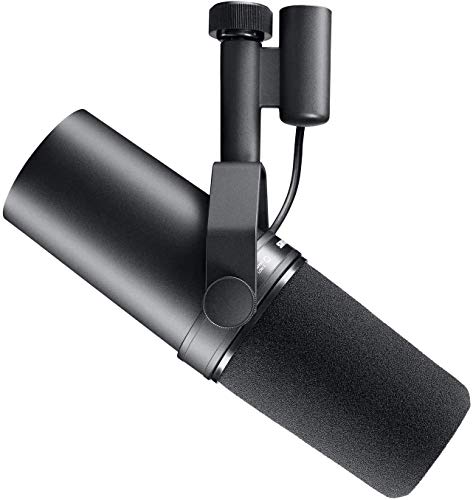
- Warm, balanced dynamic sound with clear vocal focus
- Cardioid pattern reduces background noise and room interference
- Built-in pop filter and rugged all-metal construction
Best For: Users who want a pro-style XLR dynamic mic for controlled vocal recording
Plug-and-Play Starter Kit
FIFINE T669 Studio USB Condenser Mic

- Simple USB plug-and-play setup for PC and laptop
- Cardioid condenser design helps reduce ambient noise
- Includes boom arm, shock mount, and double pop filter
Best For: Beginners who want an easy USB recording kit with included accessories
Stage-Ready Vocal Standard

- Clear, warm vocal tuning
- Cardioid pattern rejects off-axis noise
- On/off switch for fast muting
Best For: singers and presenters who want a rugged XLR vocal mic
USB/XLR Flex Pick

- USB and XLR connection support
- Cardioid pickup rejects off-axis noise
- USB mode adds mute, gain, and monitoring
Best For: creators who want an easy starter mic with upgrade potential
Studio Bundle Value

- Large 14 mm condenser capsule
- Includes boom arm, shock mount, and pop filter
- Needs 48V phantom power and an interface
Best For: home studios that want a complete XLR recording bundle
Project Studio Condenser – Audio-Technica AT2020
If you want microphones for recording vocals and guitar in a home or project studio, the Audio-Technica AT2020 is a practical condenser option. Its cardioid pattern helps reject sound from the sides and rear, while the low-mass diaphragm is built to capture detail with a wide dynamic range and extended response.
Best For: Home-studio vocal tracking, acoustic guitar recording, and general project studio use.
Pros:
- Cardioid pickup improves isolation from unwanted room sound.
- High SPL handling and wide dynamic range add versatility.
- Low-mass diaphragm supports detailed transient response.
- XLR connection works with audio interfaces and recording setups.
Cons:
- Requires phantom power.
- Side-address condenser design may be less familiar to beginners.
The AT2020 is a solid all-around studio mic when you need a clear, direct capture without overcomplicating the setup. It suits the common vocal-and-guitar recording workflow well, especially in a small studio environment.
Legendary Live Vocal Dynamic – Shure SM58
The Shure SM58 is one of the most dependable microphones for recording vocals and guitar when you want a rugged dynamic mic with a familiar vocal sound. Its cardioid pattern focuses on the voice, while the built-in pop protection and durable metal construction make it a straightforward choice for stage or studio work.
Best For: Lead vocals, live-style recording, and durable everyday use.
Pros:
- Subtle midrange lift helps vocals cut through a mix.
- Cardioid pattern reduces background noise and feedback.
- Integrated grille and filter help control plosives and breath noise.
- Rugged metal build is suited to frequent use.
Cons:
- Dynamic design is less detailed than a condenser for some studio sources.
- Requires an XLR setup and compatible audio interface.
If you need a mic that is easy to trust and hard to abuse, the SM58 remains a strong contender. It is especially useful when vocals are the priority and you want a proven microphone that can also handle general recording tasks.
Stereo Acoustic Detail Pair – LyxPro SDPC-2
For microphones for recording vocals and guitar when acoustic detail matters, the LyxPro SDPC-2 is designed as a matched stereo pencil condenser set. Its interchangeable omni, cardioid, and super-cardioid capsules make it flexible for guitar, room capture, choirs, and other instrument-focused sessions.
Best For: Stereo acoustic guitar recording, instrument pairs, and flexible studio capture.
Pros:
- Two matched-style microphones support stereo recording.
- Interchangeable capsules offer omni, cardioid, and super-cardioid options.
- Wide 30Hz–18kHz response is tuned for detailed instrument capture.
- Includes windscreens, clips, and a carrying case for portability.
Cons:
- Needs phantom power and compatible XLR gear.
- More specialized for instruments than a single general-purpose vocal mic.
This set makes the most sense when you want more control over stereo image and pickup pattern than a basic single mic can provide. It is a strong fit for acoustic guitar and other detailed sources in home, project, or live recording setups.
Instrument Focus Dynamic – Behringer B 906
The Behringer B 906 is a compact dynamic option for microphones for recording vocals and guitar, especially when you need a mic that is tuned for guitar amps and other loud sources. Its super-cardioid pattern helps reduce background noise, and the switchable response settings add some extra flexibility.
Best For: Guitar amps, loud instrument sources, and vocal work that needs strong isolation.
Pros:
- Frequency response is designed for guitar amplifiers, percussion, and brass.
- Super-cardioid pickup helps minimize background noise and feedback.
- Switchable low-cut, flat, and high-frequency boost settings add control.
- High output helps the source cut through.
Cons:
- More specialized than a general-purpose vocal condenser.
- Best suited to amplified or louder sources rather than delicate detail capture.
If your main goal is close-miking guitar amps or other strong sources, the B 906 is purpose-built for that job. It can also work for vocals, but its strengths are clearly centered on focused instrument recording.
Dual-Mode Versatility – MAONO A04 Gen2 XLR/USB Condenser Mic Kit
If you want microphones for recording vocals and guitar that can move between simple USB recording and a more traditional studio setup, the MAONO A04 Gen2 is built for that kind of flexibility. Its cardioid condenser design, 192kHz/24bit USB capture, and included arm-kit accessories make it a practical choice for home recording, content creation, and plug-and-play sessions.
Best For: Creators who want one condenser mic that works for USB recording today and XLR-based studio setups later.
Pros:
- Dual USB/XLR connectivity for direct computer recording or interface use.
- 192kHz/24bit sampling and a 30Hz–16kHz response for detailed vocal capture.
- Includes pop filter, foam windscreen, shock mount, and boom arm for a ready-to-use setup.
- MAONO Link software adds gain control, EQ presets, limiter, and noise reduction in USB mode.
Cons:
- XLR use requires phantom power and an XLR cable is not included.
- Software controls and noise reduction are only available in USB mode.
- As a condenser mic, it is better suited to controlled recording spaces than loud rooms.
The A04 Gen2 offers a lot of value if you want a single mic that can handle vocals, guitar, and general recording without locking you into one connection type. It is especially appealing for beginners who want an all-in-one kit with room to grow into a fuller studio setup.
Broadcast Standard – Shure SM7B Dynamic Vocal Microphone
Among microphones for recording vocals and guitar, the Shure SM7B is the kind of dynamic mic many people choose when they want controlled, polished vocal capture with less room pickup. Its cardioid pattern, built-in pop filtering, and rugged XLR design make it a dependable option for close-mic recording, especially when you want a warm, balanced result.
Best For: Vocalists, podcasters, and home-studio users who want a broadcast-style dynamic mic with strong noise rejection.
Pros:
- Dynamic cartridge delivers warm, balanced vocals with clear, natural tone.
- Cardioid pickup and air suspension help reduce room noise and handling vibration.
- Built-in pop filtering and detachable windscreen help tame plosives and breath noise.
- All-metal construction and electromagnetic shielding support reliable studio use.
Cons:
- Requires a strong preamp or interface gain; Shure recommends at least 60dB of gain.
- XLR-only, so it is not a direct plug-and-play USB microphone.
- Best used close to the source, which may not suit every recording style.
The SM7B is a serious choice if you prioritize vocal quality, isolation, and long-term durability over convenience. It can be especially useful in less-than-perfect rooms where a more forgiving dynamic microphone makes recording easier.
Plug-and-Play Starter Kit – FIFINE T669 Studio USB Condenser Mic
If you are shopping for microphones for recording vocals and guitar and want a simple setup, the FIFINE T669 keeps things straightforward. This USB condenser bundle is designed for easy plug-and-play recording on PC or laptop, and the included boom arm, shock mount, and dual pop filter make it a practical home-studio package.
Best For: Beginners and home creators who want an affordable USB mic kit with the accessories already included.
Pros:
- USB connection works without extra hardware or drivers for quick setup.
- Cardioid condenser capsule captures sound from the front and helps limit ambient noise.
- Includes a sturdy boom arm, shock mount, and double pop filter for cleaner recordings.
- 8.2 ft USB cable and broad PC/laptop compatibility add convenience for desk setups.
Cons:
- USB-only design limits use with audio interfaces and mixers.
- Not compatible with Xbox.
- Best suited to voice recording and home studio use rather than high-end studio workflows.
The T669 is a strong value pick if you want an all-in-one microphone kit that is easy to set up and ready for recording right out of the box. It is especially appealing when you want a budget-friendly path into vocal or instrument recording without assembling separate accessories.
Stage-Ready Vocal Standard – Shure SM58S Dynamic Vocal Mic
If you want microphones for recording vocals and guitar that are also dependable on stage, the Shure SM58S is a straightforward choice for vocals and spoken parts. Its cardioid dynamic design focuses on the sound in front of the mic while helping reduce off-axis noise, and the tuned response is aimed at delivering a clear, warm, present vocal sound.
Best For: Singers, presenters, and home recordists who want a rugged vocal mic with simple on/off control.
Pros:
- Cardioid pickup helps isolate the voice from surrounding noise.
- Tuned for clear, warm, present vocal reproduction.
- Built-in on/off switch makes muting quick and easy.
- Hardened grille and internal filtering help reduce plosives and handling noise.
Cons:
- Designed specifically for vocals, so it is less of a general-purpose studio mic.
- Wired XLR setup requires compatible recording gear.
- Frequency range is focused on vocal use rather than full-range detail capture.
As a practical pick, the SM58S is best when you need a durable vocal microphone that can handle rehearsal, live use, and basic recording without fuss.
USB/XLR Flex Pick – FIFINE AM8 Dynamic Microphone
For microphones for recording vocals and guitar in a flexible creator setup, the FIFINE AM8 stands out because it works over both USB and XLR. It offers a cardioid dynamic pickup intended to keep your voice focused and reduce off-axis noise, while the USB mode adds easy tap-to-mute control, monitoring, and onboard gain adjustments.
Best For: Beginners and streamers who want one mic for simple USB recording now and XLR expansion later.
Pros:
- USB and XLR connectivity gives you two setup paths.
- Cardioid dynamic design helps reject unwanted off-axis noise.
- USB mode includes tap-to-mute, gain control, and headphone monitoring.
- Built-in RGB lighting and desktop-friendly stand add convenience for creator setups.
Cons:
- RGB and function keys are inactive when using XLR.
- XLR cable is not included for XLR operation.
- Best results depend on correct mic placement and a close recording distance.
If you want a mic that can start as a simple plug-and-play option and later move into an interface-based rig, the AM8 offers useful room to grow.
Studio Bundle Value – PROAR XLR Condenser Mic Kit
If you need microphones for recording vocals and guitar with a more detailed studio-style sound, this PROAR XLR condenser kit is built around a large 14 mm capsule and a wide 20Hz-20kHz response. The cardioid pattern is designed to capture sound from the front while reducing surrounding noise, and the included boom arm, shock mount, and pop filter make it a ready-to-use recording bundle.
Best For: Home studios and creators who want an all-in-one XLR condenser kit for vocals, voice-over, and acoustic recording setups.
Pros:
- Large-diaphragm condenser capsule with wide 20Hz-20kHz response.
- Cardioid pickup helps focus on the source and cut background noise.
- Includes boom arm, shock mount, pop filter, and cables for a full setup.
- Metal construction adds durability for studio and home use.
Cons:
- Requires 48V phantom power and an audio interface, mixer, or preamp.
- Not a simple plug-and-play USB mic.
- Bundle is geared toward stationary recording rather than handheld use.
This is the most complete studio-oriented option here, especially if you want the hardware included instead of buying accessories separately.
How We Picked the Best Microphones for Recording Vocals and Guitar
We focused on Microphones for Recording Vocals and Guitar that offer strong real-world performance for home studios, project studios, and hybrid recording setups. Selection priorities included vocal clarity, instrument detail, pickup pattern, connectivity, build quality, and how well each mic fits common recording needs.
We also looked for a useful spread of dynamic and condenser designs, since each has a different job. Condensers often capture more detail and air, while dynamics can be better for louder sources, untreated rooms, and rugged everyday use.
Quick Comparison: Which Type Fits Your Setup?
If you record mainly acoustic guitar and vocals in a controlled room, a condenser microphone is usually the most versatile choice. If your space is noisy, bright, or untreated, a dynamic mic may give you cleaner results with less room sound. For singer-songwriters who need one mic to handle both voice and guitar, a cardioid condenser is often the simplest starting point.
Condenser Vs. Dynamic
Condenser mics tend to deliver more top-end detail, which helps with fingerpicked guitar, breathy vocals, and nuanced performances. Dynamic mics are less sensitive and can be more forgiving, especially for louder singers, close-miked acoustic guitar, or setups that also double for live use.
Key Buying Factors for Microphones for Recording Vocals and Guitar
Polar pattern: Cardioid is the safest all-purpose option because it helps reject background noise. Supercardioid can provide tighter focus, while omni or multi-pattern designs can be useful for stereo guitar work or room capture.
Connection type: XLR models generally offer the best upgrade path and pair well with audio interfaces. USB models are easier to start with, but they are best for simplified recording rather than long-term studio flexibility.
Frequency response and character: Look for a mic that flatters your voice without becoming harsh, and that captures guitar detail without overemphasizing pick noise or low-end boom.
Room and technique: In untreated rooms, placement matters as much as the mic. A good mic in a bad position can sound worse than a modest mic placed well.
Extras: Shock mounts, pop filters, boom arms, and switchable capsules can add value, but they should not outweigh core sound quality.
Who Should Buy Which Microphones for Recording Vocals and Guitar?
Choose a condenser if you want detailed vocals and acoustic guitar in a home studio. Choose a dynamic mic if you record in a less-controlled room, need strong rejection of background noise, or want a mic that can also handle live performance. If you are building a flexible rig, look for XLR first; if you are starting from scratch and want convenience, a USB or USB/XLR hybrid can be a practical entry point.
For most buyers, the best Microphones for Recording Vocals and Guitar are the ones that match the room, the singer, and the recording workflow—not just the spec sheet.