Choosing among microphones for recording acoustic guitar comes down to tone, room sound, and how you plan to track. The best mic for a solo home studio may not be the best choice for live capture or stereo recording.
This roundup focuses on practical picks for clean detail, dependable performance, and different budget levels so you can match the right mic to your setup and playing style.
Best 10 Microphones for Recording Acoustic Guitar Picks for 2026
Stereo Studio Pair
LyxPro SDPC-2 Pencil Condenser Set

- Matched-style stereo pair for instrument recording
- Three capsules: omni, cardioid, and super cardioid
- Includes clips, windscreens, and carrying case
Best For: Stereo acoustic guitar recording and versatile home studio use
Classic Small-Diaphragm
AKG P170 Instrument Microphone

- Cardioid small-diaphragm condenser
- Built for acoustic guitars, strings, and overheads
- Switchable pad handles up to 155 dB SPL
Best For: Single-mic acoustic guitar capture with durable build quality
Dynamic Amp Specialist
Behringer B 906 Supercardioid Mic

- Super-cardioid dynamic mic for noisy sources
- Presence-filter style tone shaping options
- Designed for guitar amps, percussion, and brass
Best For: Amplified guitar and other loud instrument recording
Stage Amp Favorite

- Dynamic super-cardioid guitar amp mic
- Built for focused, directional pickup
- Works in wired and wireless setups
Best For: Amp capture and stage-oriented instrument recording
Studio-Grade Condenser

- Large-diaphragm true condenser design
- Cardioid pattern helps reduce unwanted room sound
- Includes spider shock mount and carry case
Best For: Home or project studio acoustic guitar recording
Budget Instrument Dynamic
GLS Audio ES-57 for Flexible Use
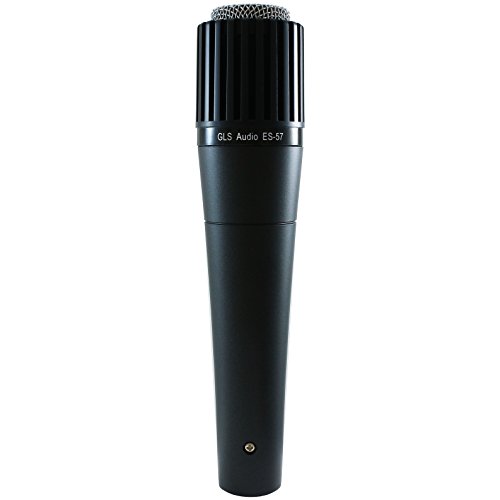
- Unidirectional dynamic mic for instruments and vocals
- Works with XLR and Hi-Z 1/4-inch setups
- Sturdy metal construction for studio or live use
Best For: Multi-purpose recording setups that need a rugged dynamic mic
Home Studio Condenser
Audio-Technica AT2020 for Clean Acoustic Capture
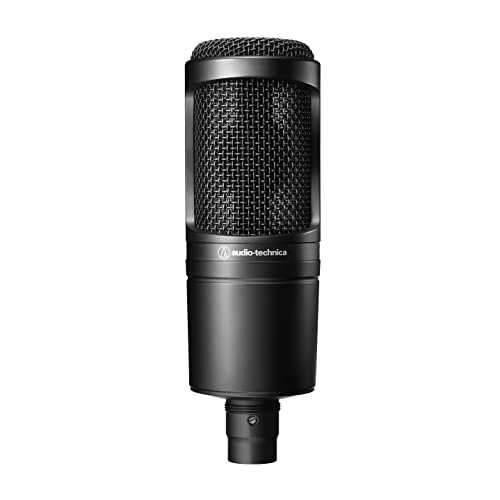
- Cardioid pattern helps reject side and rear noise
- Low-mass diaphragm supports detailed transient response
- Wide dynamic range and high SPL handling
Best For: Detailed acoustic guitar recording in a home studio
Wireless Clip-On Option
2.4G Wireless Mic for Acoustic Guitar

- Cordless 2.4G transmission up to 160 ft
- Clip-on condenser mic with omnidirectional pickup
- Up to 12 hours of battery life
Best For: Acoustic guitar players who need a wireless, clip-on mic for live use and rehearsals
Studio Standard

- Cardioid dynamic mic with focused source isolation
- Rugged build for studio and live use
- Great for guitar amps and other instruments
Best For: Engineers and players needing a durable XLR dynamic mic for close instrument miking
Clip-On Condenser Choice

- Clip-on condenser with UniMount positioning
- Cardioid pattern reduces side and rear pickup
- Extended response captures subtle nuances
Best For: Acoustic guitarists wanting secure clip-on placement and detailed sound capture
Stereo Studio Pair – LyxPro SDPC-2 Pencil Condenser Set
If you want microphones for recording acoustic guitar with a more spacious, detailed image, this LyxPro stereo pair is built for that job. The matched-style small diaphragm condensers are aimed at capturing strings, transients, and natural instrument tone, while the included omni, cardioid, and super cardioid capsules give you flexibility for different room and isolation needs.
Best For: Stereo acoustic guitar recording, home studios, and players who want multiple pickup patterns for flexible instrument capture.
Pros:
- Matched-style stereo pair for detailed two-mic recording
- Three interchangeable capsules: omni, cardioid, and super cardioid
- Wide 30Hz–18kHz response for capturing guitar detail and room sound
- Includes windscreens, clips, and an aluminum carrying case
Cons:
- Requires XLR gear with phantom power support
- More setup involved than a single-mic option
For acoustic guitar recording where stereo width and tonal detail matter, this kit offers a lot of flexibility. It’s a practical choice if you want one package that can also handle piano, drums, choir, and other instruments.
Classic Small-Diaphragm – AKG P170 Instrument Microphone
The AKG P170 is a straightforward option if you need microphones for recording acoustic guitar with clear attack and good transient response. This small-diaphragm condenser uses a cardioid pattern and a rugged all-metal body, making it a practical pick for studio sessions and live recording.
Best For: Single-mic acoustic guitar recording, overhead-style instrument capture, and users who want a durable cardioid condenser.
Pros:
- Small-diaphragm condenser with cardioid polar pattern
- Designed for acoustic guitars, strings, percussion, and overheads
- Switchable attenuation pad handles high SPL up to 155 dB
- Rugged all-metal body for studio or live use
Cons:
- Single microphone only, not a stereo pair
- Needs XLR setup and compatible recording gear
If you want a simple, dependable microphone for focused acoustic guitar capture, the P170 keeps things practical. It’s especially appealing for players who want a clean cardioid condenser without extra complexity.
Dynamic Amp Specialist – Behringer B 906 Supercardioid Mic
The Behringer B 906 is a dynamic mic aimed more at guitar amps than a traditional acoustic guitar setup, so it makes sense if you’re recording amplified sources. Its super-cardioid pattern helps reduce background noise and feedback, and the switchable low-cut, flat, and high-frequency boost settings add useful tone-shaping options.
Best For: Recording guitar amps, percussion, and other loud sources where isolation matters more than delicate acoustic detail.
Pros:
- Super-cardioid pattern helps minimize background noise and feedback
- Frequency response is designed for guitar amplifiers, percussion, and brass
- Switchable low-cut, flat, and high-frequency boost settings
- High signal output helps the sound cut through
Cons:
- Not the most direct match for natural acoustic guitar recording
- Handheld dynamic design is less geared toward detailed stereo capture
For acoustic guitar players who also track amps or want a tougher, louder-source microphone, the B 906 is worth a look. It’s less about airy acoustic detail and more about controlled, punchy capture.
Stage Amp Favorite – Sennheiser e 609 Silver Mic
Sennheiser Professional e 609 Silver Super-Cardioid Instrument Microphone,Wired, Wireless
Check Price On AmazonThe Sennheiser e 609 Silver is a dynamic super-cardioid instrument mic built around guitar amplifier recording. If you’re shopping microphones for recording acoustic guitar, this model makes the most sense when your source is amplified or you want a stage-ready mic with strong directionality rather than a delicate condenser sound.
Best For: Guitar amp capture, stage use, and players who need a super-cardioid instrument microphone.
Pros:
- Dynamic super-cardioid guitar amplifier microphone
- Wired and wireless compatible according to the listing
- Useful for focused, directional instrument pickup
Cons:
- Limited supplied details compared with condenser options
- Better suited to amps than detailed acoustic guitar recording
This is a focused stage tool rather than a broad studio mic. If your priority is amp capture and tight pickup, the e 609 Silver is a proven style of instrument microphone.
Studio-Grade Condenser – AKG P220 for Acoustic Detail
If you want microphones for recording acoustic guitar with a more polished studio sound, the AKG P220 is built for that kind of job. Its large-diaphragm true condenser design, cardioid pickup, and XLR connection make it a strong fit for capturing the clarity and transient detail of acoustic instruments in a home or project studio.
Best For: Recording acoustic guitar in a project or home studio when you want a detailed condenser sound and included shock mount.
Pros:
- Large-diaphragm true condenser design is aimed at studio-grade clarity for acoustic instruments.
- Cardioid polar pattern helps focus on the guitar and reduce unwanted room pickup.
- Includes a spider-type shock mount and aluminum carrying case.
- Built for both studio and stage use with durable construction.
Cons:
- Requires phantom power, so it needs compatible studio gear.
- As a condenser, it is more suited to controlled recording spaces than noisy rooms.
The P220 is a practical choice if you want a versatile recording microphone with a more refined condenser character for acoustic guitar. Its included accessories and robust build add value, especially for players who want one mic that can handle both studio and live situations.
Budget Instrument Dynamic – GLS Audio ES-57 for Flexible Use
For microphones for recording acoustic guitar on a tighter budget, the GLS Audio ES-57 is a versatile dynamic option. It uses a unidirectional pickup pattern and an XLR connection, and its rugged metal build makes it a straightforward choice when you want a mic that can also move between instruments, vocals, and general recording duties.
Best For: Players who want a durable, versatile dynamic mic for acoustic guitar and other instrument or vocal recording tasks.
Pros:
- Dynamic unidirectional design is versatile for instruments, drums, percussion, and vocals.
- Compatible with Lo-Z XLR 3-pin balanced and Hi-Z 1/4″ setups.
- Sturdy metal construction should hold up well in studio or live use.
- Comes with a mic clip.
Cons:
- Frequency response tops out at 15,000 Hz, so it is less extended than a condenser.
- Not as tailored to detailed acoustic guitar capture as a dedicated condenser mic.
The ES-57 makes sense if you want one microphone that can handle acoustic guitar along with other sources without much fuss. It is not the most detailed option here, but its flexibility and durable design are useful for multi-purpose recording setups.
Home Studio Condenser – Audio-Technica AT2020 for Clean Acoustic Capture
The Audio-Technica AT2020 is a classic pick for microphones for recording acoustic guitar when you want a clean condenser sound in a home or project studio. Its cardioid pattern, low-mass diaphragm, and wide dynamic range are designed to capture detail while helping isolate the guitar from side and rear noise.
Best For: Home and project studio acoustic guitar recording where you want a detailed, isolated condenser sound.
Pros:
- Cardioid polar pattern helps reduce pickup from the sides and rear.
- Custom low-mass diaphragm is designed for extended frequency response and good transient response.
- High SPL handling and wide dynamic range add versatility.
- XLR output makes it a standard studio mic choice.
Cons:
- Requires phantom power and an audio interface or similar recording setup.
- Best suited to controlled recording spaces rather than untreated rooms.
If your priority is a proven studio condenser for acoustic guitar, the AT2020 is an easy recommendation. It focuses on clarity and isolation, which makes it especially useful for players building a reliable home recording setup.
Wireless Clip-On Option – 2.4G Wireless Mic for Acoustic Guitar
If you want microphones for recording acoustic guitar that are quick to set up and easy to move around, this wireless clip-on system is built for convenience. It uses 2.4G transmission, a built-in condenser mic, and a clip-on design for direct guitar mounting, making it a practical choice for live playing, rehearsals, and simple recording setups.
Best For: Players who want a cordless, clip-on solution for acoustic guitar performances, practice, and basic recording use with PA or amp systems.
Pros:
- 2.4G wireless design with up to 160 ft range for flexible movement.
- Built-in high-sensitivity condenser mic with omnidirectional pickup.
- Clip-on, adsorption-style setup is designed for fast install and removal.
- Up to 12 hours of battery life with rapid 2-hour charging.
Cons:
- Does not support Macbook, laptop, PC, or mobile devices.
- Best suited to PA systems and compatible audio gear, not direct computer recording.
- Wireless design may be more than you need for a fixed studio setup.
Overall, this is a handy performance-first option if your priority is mobility and easy guitar mounting rather than a traditional wired studio mic. For acoustic guitar players working with amps, PA systems, or stage rigs, it offers a straightforward way to capture sound without extra cables.
Studio Standard – Shure SM57 for Guitar Amps
The Shure SM57 is a classic choice among microphones for recording acoustic guitar when you want a dependable dynamic mic with proven instrument capture. While it is especially known for amp miking, its cardioid pattern, rugged build, and focused sound make it a versatile tool for recording instruments in both studio and live environments.
Best For: Guitarists and engineers who want a durable XLR dynamic microphone for close-miking instruments, amps, and other loud sources.
Pros:
- Cardioid pickup pattern helps isolate the source and reduce background bleed.
- Contoured response with a refined presence boost for clearer attack and detail.
- Rugged construction is built for frequent transport and heavy use.
- Works well for guitar amps, drums, brass, and other instrument sources.
Cons:
- Requires wired XLR connection and corded operation.
- Not specifically a clip-on acoustic guitar mic.
- Best known for close-miking rather than capturing a roomier acoustic guitar tone.
For buyers who want a no-nonsense workhorse, the SM57 remains a smart pick because it is simple, tough, and easy to place near an instrument source. It is especially attractive if your acoustic guitar recording setup also covers amps, percussion, or other live instruments.
Clip-On Condenser Choice – Audio-Technica PRO 35
Among microphones for recording acoustic guitar, the Audio-Technica PRO 35 stands out if you want a clip-on condenser that stays close to the instrument. Its UniMount clip, cardioid pattern, and extended frequency response are designed to help capture detailed performance nuances while keeping the mic positioned securely.
Best For: Acoustic players who need a clip-on condenser mic with secure placement and clear detail for live or recording use.
Pros:
- UniMount clip helps with accurate positioning and shock resistance.
- Cardioid pattern improves isolation by reducing side and rear pickup.
- Extended frequency response helps capture subtle performance details.
- Includes a permanently attached 6 ft cable for simple setup.
Cons:
- Requires phantom power.
- Wired setup may be less flexible than a wireless option.
- TA3F connector may require the right adapter or compatible input.
This is a strong pick if you want a traditional clip-on condenser approach rather than a wireless system. It makes the most sense for players who value accurate placement, isolation, and a more detailed capture of the instrument.
How We Picked the Best Microphones for Recording Acoustic Guitar
We looked for Microphones for Recording Acoustic Guitar that offer a useful mix of clarity, noise control, placement flexibility, and real-world value. Priority went to models that suit common recording setups, including close-miking, live use, clip-on convenience, and stereo recording.
We also considered polar pattern behavior, sensitivity, durability, and whether each mic is easier for beginners or better suited to experienced users with treated rooms and stronger preamps.
Quick Comparison
For the cleanest studio detail, small-diaphragm condenser options are usually the first stop. If you want more isolation or need to reject room noise, dynamic microphones can be the safer choice. Clip-on and wireless models favor mobility, while stereo sets are ideal when you want a wider, more natural acoustic image.
Key Buying Factors for Microphones for Recording Acoustic Guitar
Polar Pattern
Cardioid is the most versatile choice for home studios because it helps reduce room reflections. Supercardioid can offer tighter focus, while omnidirectional capsules can sound open and natural in a good room. If your space is untreated, directional pickup matters more than subtle tonal differences.
Condenser Vs. Dynamic
Condenser mics tend to capture more string detail, harmonic texture, and finger noise. Dynamic mics are less sensitive, which can help tame harsh rooms, loud playing, or bleed from other instruments. Both can work well depending on the sound you want.
Placement and Flexibility
Mic placement changes everything. A mic aimed at the 12th fret often gives a balanced sound, while moving closer to the sound hole adds warmth but can increase boominess. Stereo pairs can deliver a wider, more natural result, especially for solo guitar.
Connectivity and Practical Use
Most studio Microphones for Recording Acoustic Guitar use XLR connections and need an audio interface or mixer. Clip-on and wireless options are more convenient for stage use or quick setups, but may trade some fidelity for portability.
Who Should Buy Which Microphones for Recording Acoustic Guitar?
Choose a condenser if you want maximum detail and plan to record in a quiet room. Choose a dynamic mic if your space is noisy or you want a tougher, simpler setup. Choose a stereo pair if you want a fuller stereo image for solo performances or fingerstyle. Choose a clip-on or wireless system if you need mobility for gigs, rehearsals, or fast on-the-go recording.
In short, the best Microphones for Recording Acoustic Guitar are the ones that match your room, your workflow, and the tone you actually want to hear in the final mix.