Optical wah pedals deliver smooth, contact-free action that many players prefer for quiet switching, long-term reliability, and a more consistent sweep.
Below, we’ve rounded up 10 of the best options for 2026, from simple plug-and-play designs to feature-rich pedals with volume control and adjustable voicing.
Best 10 Optical Wah Pedals Picks for 2026
Custom Vintage Control
JIM DUNLOP 535Q Multi-Wah Guitar Effects Pedal

- Six-position Range selector
- Variable Q and adjustable boost
- Red Fasel inductor, made in the USA
Best For: Players who want a highly adjustable wah with vintage-inspired voicing
Switchless Optical Classic

- Switchless step-on/step-off design
- Optical circuitry resists wear
- Contour mode with 15 dB level control
Best For: Players who want a durable, simple wah with optical switching
Mini Wah and Volume Combo
Donner Vowel Mini Wah/Volume Pedal

- Combines wah and active volume
- Compact, lightweight pedalboard fit
- Active volume helps reduce signal loss
Best For: Players who want a small two-in-one wah and volume pedal
Pedalboard-Friendly Wah Lock

- Compact 6.85 x 4.5 x 2.5-inch size
- Switchless Wah Lock and Whoa modes
- Optical circuitry with premium buffer
Best For: Guitarists who want a compact wah with parked-wah style options
FlipWah Combo Pedal
SONICAKE Wah Active Volume 2-in-1

- Wah and active volume in one pedal
- Vintage wah sound with adjustable Q control
- Full-size design with dual-color LED status
Best For: Players who want a full-size 2-in-1 wah and volume pedal.
Classic Optical Wah
Morley 20/20 Classic Wah Pedal

- Switchless step-on/step-off operation
- Optical circuitry avoids pot wear
- Built-in buffer and LED indication
Best For: Guitarists who want a reliable classic wah with switchless control.
Mini Wah/Volume Combo
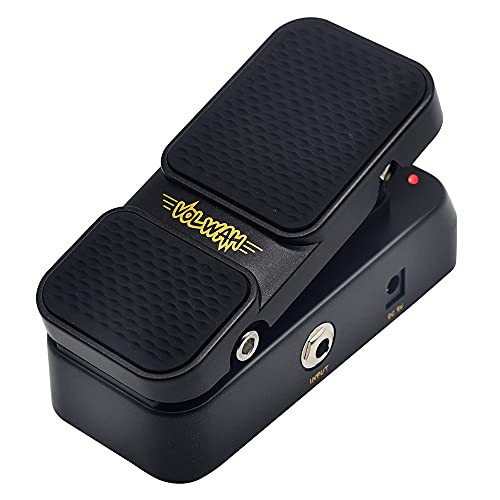
- Compact 2-in-1 wah and active volume pedal
- Hidden footswitch switches modes
- LEDs show the engaged function
Best For: Players who need a compact wah and volume combo for small boards.
Combo Fuzz Wah

- Wah and fuzz combined in one compact pedal
- Switchless optical operation with step-on activation
- Vintage and Modern fuzz modes with level controls
Best For: Players who want a compact wah with built-in fuzz and optical switching
Compact Volume Wah
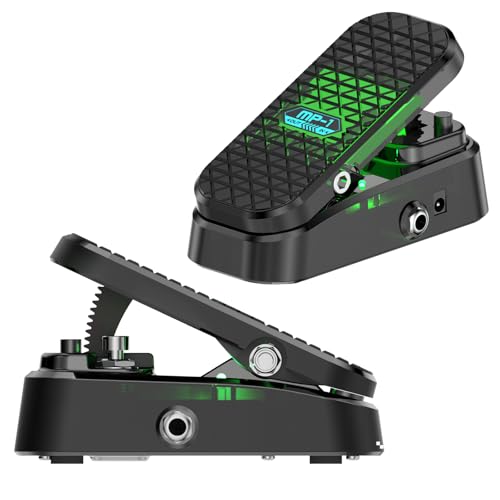
- Wah and active volume control in one compact unit
- RM-type shielded inductor for classic wah tone
- 23° stroke, LED indicators, and anti-slip design
Best For: Players who want a compact wah plus volume pedal for small boards
Switchless Classic Wah

- Switchless step-on/step-off wah operation
- Optical circuitry designed to avoid wear
- Standard and Contour wah modes with tone control
Best For: Players who want a pedalboard-friendly switchless wah with simple mode options
Custom Vintage Control – JIM DUNLOP 535Q Multi-Wah Guitar Effects Pedal
If you want an optical wah pedals-style choice with a lot of control, the JIM DUNLOP 535Q is built for players who like to shape the sweep instead of settling for a fixed voice. Its six-position Range selector, variable Q control, and switchable boost make it easy to dial in anything from a more subtle filter to a more aggressive lead wah.
Best For: Guitarists who want a highly adjustable wah with vintage-inspired range options and extra solo volume.
Pros:
- Six-position Range selector based on vintage wah pedals
- Variable Q control for more pronounced or smoother response
- Switchable boost up to +16 dB for lead parts
- Includes the red Fasel inductor for an expressive sound
Cons:
- More controls may be more than players want in a simple wah
- Standard pedal format is less minimal than compact options
The 535Q stands out when flexibility matters more than simplicity. It gives you a broad wah range and enough shaping tools to adapt to different songs without leaving the classic Cry Baby-style approach behind.
Switchless Optical Classic – Morley Classic Bad Horsie Wah
For players comparing optical wah pedals, the Morley Classic Bad Horsie Wah focuses on fast, no-fuss operation. Its switchless design activates when you step on the treadle and bypasses when you step off, while the optical circuitry avoids the wear issues of a potentiometer-based pedal.
Best For: Guitarists who want a durable, switchless wah with a buffer and simple performance controls.
Pros:
- Switchless operation makes it quick to engage and bypass
- Optical circuitry is designed not to wear down like a potentiometer
- Premium buffer helps protect tone in the signal chain
- Contour mode and 15 dB level control add useful adjustment
Cons:
- Heavy 3-pound build is less portable than mini pedals
- Fewer overall controls than highly tweakable multi-wah options
This is a strong pick if you value reliability and stage-ready convenience over deep parameter editing. It keeps the setup straightforward while still offering enough shaping to tailor the wah response.
Mini Wah and Volume Combo – Donner Vowel Mini Wah/Volume Pedal
If you want an optical wah pedals alternative in a compact format, the Donner Vowel combines wah and active volume control in one small pedal. It is designed around a classic-inspired wah voice with deep filter resonance and smooth sweeping, while the active volume section aims to reduce signal loss and unwanted noise.
Best For: Players who need a small pedalboard-friendly wah plus active volume in one unit.
Pros:
- 2-in-1 wah and active volume functionality
- Compact, lightweight design fits pedalboards well
- Classic-inspired wah sound with smooth sweeping
- Active volume section helps prevent signal loss and noise
Cons:
- Power adapter is not included
- No battery compartment
- Plastic housing may feel less premium than heavier metal builds
This pedal makes the most sense when space and simplicity matter. It is a practical way to cover two common control needs without taking up much room on a board.
Pedalboard-Friendly Wah Lock – Morley 20/20 Wah Lock
Among optical wah pedals, the Morley 20/20 Wah Lock is aimed at players who want a compact wah with multiple voices. It offers switchless operation, a Wah Lock mode that emulates a parked wah, and a Whoa mode that shifts the envelope for a deeper vocal sound.
Best For: Guitarists looking for a compact Morley wah with parked-wah and vocal-style options.
Pros:
- Pedalboard-friendly size at 6.85 x 4.5 x 2.5 inches
- Switchless operation for quick on/off use
- Wah Lock and Whoa modes add extra tonal options
- Optical circuitry and premium buffer help preserve tone
Cons:
- 300 mA power draw is higher than some simpler pedals
- More mode options may be unnecessary for players who want one basic wah sound
The 20/20 Wah Lock is a good fit if you want a smaller footprint without giving up versatility. Its parked-wah and vocal-style modes make it more flexible than a standard one-voice wah.
FlipWah Combo Pedal – SONICAKE Wah Active Volume 2-in-1
If you want one of the more flexible optical wah pedals-style setups for a compact rig, the SONICAKE FlipWah combines wah and active volume in a full-size pedal. It offers vintage wah voicing with an adjustable Q value, plus dual-mode operation that can help simplify your board if you need both effects in one unit.
Best For: Players who want a full-size 2-in-1 wah and active volume pedal with simple mode switching.
Pros:
- Combines active volume control and wah effect in one pedal
- Vintage wah sound with adjustable Q value
- Full-size pedal design that is more foot-friendly
- Dual-color LEDs show which mode is active
Cons:
- Volume control may require a TRS cable to work gradually
- Battery or 9V power options are the only listed power methods
The FlipWah is a practical two-function option if you want wah and volume in the same enclosure. Its full-size format and status LEDs make it easy to use onstage, while the adjustable tone shaping gives it some extra range for players who like to fine-tune their wah sound.
Classic Optical Wah – Morley 20/20 Classic Wah Pedal
The Morley 20/20 Classic is a strong pick if you’re shopping optical wah pedals and want switchless operation in a pedalboard-friendly footprint. Its optical circuitry is designed not to wear down like a potentiometer, and the built-in buffer helps protect your tone while keeping the classic voiced wah character.
Best For: Guitarists who want a reliable switchless wah with a classic voice and tone-protecting buffer.
Pros:
- Switchless operation: step on to activate, step off to bypass
- Optical circuitry that won’t wear down like a potentiometer
- Premium Morley buffer helps protect your tone
- Pedalboard-friendly size with LED indication
Cons:
- Only the listed classic voicing is described, with no extra tone-shaping controls
- Requires 9V power at 25 mA
This is a straightforward, performance-focused wah for players who want dependable operation rather than extra features. The optical design and switchless feel make it especially appealing for live use, while the compact size keeps it easy to fit into an existing board.
Mini Wah/Volume Combo – SONICAKE VolWah Active 2-in-1
The SONICAKE VolWah is a compact option for players looking at optical wah pedals alternatives with a wah and active volume combo in a smaller enclosure. It keeps an analog signal path, lets you switch between wah and volume with a hidden footswitch, and uses LED indicators to show the engaged mode.
Best For: Guitarists who need a mini wah and active volume pedal for smaller pedalboards.
Pros:
- 2-in-1 analog volume and wah pedal
- Mini size fits tighter pedalboard spaces
- Hidden footswitch for switching between volume and wah
- Dual LEDs indicate the current mode
Cons:
- Power adapter is not included
- Volume control may need a TRS cable for gradual operation
For players who need a smaller footprint without giving up the usefulness of a combined wah and volume unit, this pedal is easy to place and easy to read at a glance. It is best viewed as a practical space-saver rather than a feature-heavy wah.
Combo Fuzz Wah – Morley 20/20 Power Fuzz Wah
If you want one of the more distinctive optical wah pedals with built-in grit, the Morley 20/20 Power Fuzz Wah is a strong pick. It combines wah and fuzz in a pedalboard-friendly size, while the switchless, step-on/step-off design makes it easy to use in live setups. The optical circuitry and premium buffer are aimed at keeping the wah feel consistent and your tone protected.
Best For: Guitarists who want a compact wah pedal with integrated fuzz and no-potentiometer optical operation.
Pros:
- Combines wah and fuzz in one pedal with Vintage and Modern fuzz modes
- Switchless operation is quick to use and easy to bypass
- Optical circuitry avoids the wear issues of a potentiometer
- Premium Morley buffer helps protect your tone
Cons:
- Fuzz-wah combo format may be more than some players need
- Requires learning the step-on activation style if you prefer a toe switch
Overall, this is a practical choice for players who want a wah with extra character and a streamlined footprint. The included level and intensity controls give you room to tailor the effect without adding another pedal to the board.
Compact Volume Wah – Mini Volume & Wah Pedal
This compact option stands out among optical wah pedals for players who want wah and volume control in one small footprint. It uses a pure analog wah effect, an RM-type shielded inductor for classic wah tone, and an active volume circuit designed to minimize tone loss. The 23° wide-angle stroke and anti-slip tread are geared toward more precise foot control.
Best For: Guitarists who need a space-saving wah and volume pedal with analog signal handling.
Pros:
- Combines wah effect and active volume control in one pedal
- RM-type shielded inductor is designed to support a richer wah tone
- Active volume circuit helps minimize tone loss
- Compact body with LED indicators and rubber pads for stability
Cons:
- Single pedal format may not suit players who want separate wah and volume units
- Smaller footprint may feel different if you prefer a larger treadle
For pedalboards where space is limited, this is a flexible and practical solution. Its focus on tone preservation and stable control makes it a sensible choice for stage or studio use.
Switchless Classic Wah – Morley 20/20 Bad Horsie Wah
For players comparing optical wah pedals, the Morley 20/20 Bad Horsie Wah is built around a simple, performance-friendly approach. Its switchless operation lets you step on to activate and step off to bypass, while the optical circuitry is designed not to wear down like a potentiometer. The 20/20 size keeps it pedalboard friendly, and the two wah modes add flexibility without complicating the layout.
Best For: Guitarists who want a compact, switchless wah with classic Morley control.
Pros:
- Switchless design makes wah engagement quick and straightforward
- Optical circuitry avoids potentiometer wear
- Two wah modes: Standard and Contour with tone control
- Pedalboard-friendly size with LED indication and glow-in-the-dark treadle rubber
Cons:
- No fuzz or volume extras, so it stays focused on wah only
- Players wanting more than two modes may want a different pedal
This is a clean, no-fuss wah for guitarists who value consistency and compactness. If you want the familiar Bad Horsie feel in a smaller format, it delivers the essentials without extra complexity.
How We Picked These Optical Wah Pedals
We focused on practical buying factors that matter most on a pedalboard: sweep feel, noise-free operation, size, control flexibility, and whether the pedal is better suited to rhythm work, lead playing, or all-purpose use. We also favored models with strong reputations for dependable performance and easy setup.
Quick Comparison
At a glance, the lineup splits into three broad groups: classic wahs for traditional tones, multi-function wahs with boost or volume features, and compact mini pedals for tighter boards. If you want a familiar, expressive sweep, start with a standard full-size model. If you need extra versatility, look at wah-volume combos or pedals with selectable ranges.
Key Buying Factors for Optical Wah Pedals
Sweep and Voicing
The most important choice is how the wah sounds across its range. Some players want a sharp, pronounced vocal effect, while others prefer a smoother or more vintage-style voice. Adjustable range controls can help you tailor the response to single-coil or humbucker guitars.
Size and Board Space
Full-size pedals usually feel easier to control with the foot, but mini pedals can save valuable pedalboard space. If you gig often or travel light, size may matter as much as tone.
Extra Features
Many Optical Wah Pedals add volume control, boost, lock functions, or multifunction operation. These features are useful if you want one pedal to cover more ground, but they can also add complexity. Players who value simplicity may prefer a straightforward wah.
Build and Noise
One of the main advantages of optical designs is reduced wear from physical pots and switches. That can mean quieter operation and fewer maintenance concerns over time, especially for frequent players.
Who Should Buy Which Optical Wah Pedals?
Choose a classic optical wah if you want a familiar feel and traditional expression for blues, rock, or funk. Pick a wah-volume combo if you need onboard control for swells, ambient parts, or compact rig management. Go with a mini model if board space is tight, and consider a more feature-rich unit if you want adjustable voicing, boost, or multiple wah flavors in one pedal.
If you’re upgrading from a standard mechanical wah, Optical Wah Pedals are especially appealing for players who want smooth response, dependable switching, and a practical balance of tone and convenience.