Vocal harmony pedals for acoustic guitar can turn a solo performance into a fuller, more polished live sound without adding a complicated rack setup. The best options keep your voice clear, your harmonies musical, and your guitar tone intact.
In this roundup, we focus on pedals that are practical for singer-songwriters, buskers, and gigging acoustic players who want reliable harmony, simple controls, and usable features on stage or at home.
Best 10 Vocal Harmony Pedals for Acoustic Guitar Picks for 2026
Best for All-in-One Acoustic Rig
TC Helicon PLAY Acoustic 3-Button Stompbox

- Guitar-guided vocal harmonies for live acoustic sets
- BodyRez, EQ, and DI tools for polished acoustic tone
- Built-in reverb, delay, chorus, and feedback control
Best For: Singer-songwriters who want harmonies, vocal polish, and acoustic tone shaping in one stompbox.
Best for Live Vocal Harmony
DigiTech VL3G Vocalist Live 3 Harmony Pedal
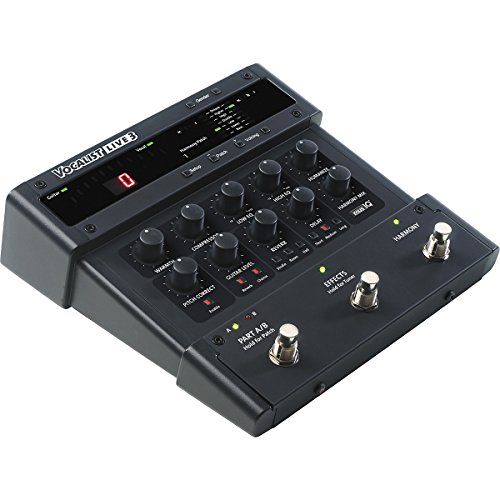
- 3-part harmony for fuller live vocals
- musIQ follows guitar chords automatically
- Pitch correction helps tighten lead singing
Best For: Singer-guitarists who want automatic harmonies and pitch correction on stage.
Best Real-Time Harmony Tool

- Real-time harmonies from guitar or manual key
- Studio-quality vocal and acoustic guitar processing
- Built-in looper and feedback control for live use
Best For: Singer-songwriters who need natural harmonies and an all-in-one acoustic performance unit.
Best Warm Analog Chorus
Donner Tutti Love Analog Chorus Pedal

- Warm analog chorus with a classic smooth feel
- Extra Level knob for easier output balancing
- True bypass and durable aluminum-alloy housing
Best For: Players who want an affordable, easy-to-use chorus for clean layering and subtle width.
Best for Easy Setup

- Guitar-guided harmony with up to two voices
- Adaptive Tone for EQ, compression, de-essing, and gating
- Simple stompbox layout with reverb and battery power
Best For: Acoustic singers who want a fast, easy-to-use harmony pedal for live performance.
Best Acoustic Simulator
MOOER Acoustikar Acoustic Guitar Pedal

- 3 acoustic voicings: Piezo, Standard, Jumbo
- Adds warm acoustic-style texture to electric guitar
- Compact and easy to place on a pedalboard
Best For: Players who want a compact acoustic-simulator pedal for electric guitar rigs.
Best for All-in-One Vocal/Guitar Routing
FLAMMA FV04 Vocal Harmony Pedal

- 11 harmony modes with major/minor flexibility
- Mic and guitar inputs with dedicated reverb
- Separate or mixed outputs for flexible routing
Best For: Singers and acoustic guitarists who want harmonies, reverb, and flexible output routing in one pedal.
Best Value All-in-One
SONICAKE Acoustic Pedal with XLR Output

- Combines preamp, EQ, chorus, delay, and reverb
- XLR output for easy direct connection
- Good for simple, budget-conscious acoustic rigs
Best For: Acoustic players who want an affordable all-in-one pedal for live tone shaping and direct output.
Best for Dual-Channel Control
MOOER Harmonier Vocal Effects Processor

- 12 harmony/pitch options with vocal reverb
- Separate guitar reverb and flexible outputs
- Dual footswitches with Favorite preset recall
Best For: Singer-guitarists who want one compact unit for vocal harmonies and guitar routing.
Best for Pitch-Corrected Vocal FX
FLAMMA FV01 Vocal Effects Processor

- Pitch correction with three tone modes
- Optional 48V phantom power support
- Dual output modes for guitar and vocal routing
Best For: Acoustic singers who want a simple vocal processor for correction, EQ, and live ambience.
Best for All-in-One Acoustic Rig – TC Helicon PLAY Acoustic 3-Button Stompbox
If you want vocal harmony pedals for acoustic guitar that also cover your core guitar tone, the TC Helicon PLAY Acoustic is a practical one-box solution. It combines harmony, vocal processing, acoustic-body shaping, feedback control, and familiar TC-style guitar effects for singer-songwriters who want to simplify their live setup.
Best For: Solo performers and acoustic duo players who need harmonies, usable vocal polish, and guitar tone shaping in a single stompbox.
Pros:
- Guitar-guided vocal harmonies help keep parts musically locked to your playing
- BodyRez, EQ, and DI tools make acoustic guitar sound more polished and stage-ready
- Includes reverb, delay, and chorus-style effects from TC Electronic’s pedal lineup
- Separate vocal and guitar outputs add routing flexibility for live rigs
Cons:
- More features mean a slightly steeper learning curve than simpler harmony pedals
- Not the most compact option if you only need basic vocal harmonies
- Some players may prefer dedicated pedals for either vocals or guitar effects
This is a strong fit if you want vocal harmony pedals for acoustic guitar that do more than just add stacked vocals. It’s especially appealing when you need vocal support, feedback protection, and credible acoustic tone control in one live-friendly unit.
Best for Live Vocal Harmony – DigiTech VL3G Vocalist Live 3 Harmony Pedal
Digitech VL3G Vocalist Live 3 Harmony and Pitch Correction Pedal for Guitarists
Check Price On AmazonIf you want vocal harmony pedals for acoustic guitar that can add instant backing vocals without a complicated setup, the DigiTech VL3G is built for live performance. Its musIQ technology reads your guitar chords to generate harmonies and pitch correction in real time, making it a practical choice for singer-guitarists who need quick, natural-sounding support on stage.
Best For: Singer-songwriters and acoustic performers who want automatic, guitar-tracked harmonies with minimal programming.
Pros:
- 3-part harmony creates fuller vocal parts for solo performers
- musIQ technology follows your guitar chord changes automatically
- Includes pitch correction for cleaner lead vocals
- Footswitch control makes live use straightforward
Cons:
- Designed more for live vocal enhancement than studio-style editing
- Best results depend on playing accurate guitar chords
- Can be more feature-rich than casual players need
For players comparing vocal harmony pedals for acoustic guitar, the VL3G stands out for its automatic harmony tracking and pitch correction in a stage-friendly format. It’s a strong option if you want fuller vocals with less manual setup and don’t mind relying on your guitar part to drive the harmonies.
Best Real-Time Harmony Tool – BOSS VE-8 Acoustic Singer
If you want vocal harmony pedals for acoustic guitar that do more than add a basic effect, the BOSS VE-8 is a strong all-in-one option. It combines vocal and guitar processing, real-time harmony generation, and looping in a compact unit, making it easy to bring polished live sound to solo gigs and small stages.
Best For: Singer-songwriters and acoustic performers who want natural-sounding harmonies, simple hands-on controls, and a travel-friendly preamp/effects solution.
Pros:
- Creates real-time harmonies from guitar input or manual key settings
- Includes studio-style vocal effects, pitch correction, and vocal doubling
- Dedicated guitar channel with acoustic resonance, tuning, and feedback control
- Built-in looper lets you layer guitar and vocals independently
Cons:
- More expensive than simpler harmony pedals
- Feature-rich layout may take some time to learn
The VE-8 stands out among vocal harmony pedals for acoustic guitar because it pairs convincing harmonies with useful performance tools in one box. If you want a compact rig that can cover vocals, guitar tone, and looping without extra gear, this is an easy one to shortlist.
Best Warm Analog Chorus – Donner Tutti Love Analog Chorus Pedal
If you want a simple, warm modulation effect that can sit nicely under clean acoustic parts, this Donner chorus is worth a look. It is not a vocal harmony pedal, but for players comparing vocal harmony pedals for acoustic guitar, its easy controls and classic chorus voice can add width and shimmer without getting complicated.
Best For: Guitarists who want an affordable, straightforward analog chorus for smooth clean tones, layering, and subtle texture.
Pros:
- Warm analog chorus sound with a classic, natural feel
- Simple controls plus an extra Level knob for easier balancing
- True bypass helps keep your dry tone transparent when the pedal is off
- Rugged aluminum-alloy build for regular gig or practice use
Cons:
- Not a harmony or vocal-processing pedal
- Requires a 9V DC power supply, which is not included
- Chorus may be too obvious for players wanting purely natural acoustic tone
This is a practical choice if you mainly want warm, old-school modulation rather than pitch-based harmonies. For shoppers cross-comparing vocal harmony pedals for acoustic guitar, it makes more sense as a budget-friendly ambience and widening tool than as a true harmony solution.
Best for Easy Setup – TC Helicon Harmony Singer
TC Helicon HARMONY SINGER Vocal Effects Stompbox with Guitar-Controlled Harmony, Reverb and Tone
Check Price On AmazonIf you want vocal harmony pedals for acoustic guitar that are quick to learn and easy to trust on stage, the TC Helicon HARMONY SINGER keeps the workflow simple. It listens to your guitar for harmony control, adds one or two backup voices, and includes reverb plus Adaptive Tone so you can sound polished without juggling extra gear.
Best For: Singers and acoustic players who want a straightforward stompbox for live harmony, clean vocal polish, and fast setup.
Pros:
- Guitar-controlled harmony adds one or two realistic vocal voices
- Adaptive Tone helps dial in EQ, compression, de-essing, and gating
- Three reverb styles add space without needing extra pedals
- Simple controls make it easy to get running in seconds
Cons:
- Not as deep or customizable as more advanced vocal processors
- Harmony depends on playing accurately in the right key
- Battery-powered use is handy, but an adapter may still be preferable for regular gigs
For players comparing vocal harmony pedals for acoustic guitar, this model stands out for doing the essentials well: automatic harmony, usable vocal tone shaping, and a pedal format that fits a simple live rig. It is a practical choice if you want dependable results without a steep learning curve.
Best Acoustic Simulator – MOOER Acoustikar Acoustic Guitar Pedal
The MOOER Acoustikar is a practical option for players looking to approximate an acoustic tone on an electric rig, which can also make it a useful companion when comparing vocal harmony pedals for acoustic guitar setups. Its 3-mode voicing gives you a few tonal flavors to work with, so you can shape a more natural, rounded sound for solo gigs, practice, or quick recording ideas.
Best For: Guitarists who want a compact acoustic-simulator pedal to add believable acoustic character to an electric guitar signal.
Pros:
- Three voicings: Piezo, Standard, and Jumbo
- Designed to add warm, acoustic-style texture to electric guitar
- Simple, compact pedal format for easy board integration
Cons:
- Not a true vocal harmony pedal or multi-effects unit
- Best used as a tone-shaping tool rather than a full acoustic replacement
For players browsing vocal harmony pedals for acoustic guitar, the Acoustikar stands out more as a tone-conversion pedal than a harmony processor, but it can still be valuable in a live rig that needs an acoustic-like guitar voice. If your priority is adding natural-sounding acoustic flavor without a bulky setup, this is a straightforward and affordable place to start.
Best for All-in-One Vocal/Guitar Routing – FLAMMA FV04 Vocal Harmony Pedal
If you want one compact box that can handle both voice and guitar, the FLAMMA FV04 is a practical option among vocal harmony pedals for acoustic guitar. It combines 11 harmony modes, dedicated reverb for vocals and guitar, and flexible output routing so you can keep your live or recording setup simple.
Best For: Singers and acoustic guitarists who want harmonies, reverb, and separate or mixed outputs in a single pedal.
Pros:
- 11 harmony modes with major/minor scale flexibility
- Accepts both microphone and guitar inputs
- Separate vocal and guitar outputs plus mixed signal option
- Includes 48V phantom power support
Cons:
- More of a multi-function processor than a simple one-knob harmony pedal
- Setup may take extra time if you want the routing dialed in for live use
For players comparing vocal harmony pedals for acoustic guitar, the FV04 stands out because it covers harmonizing, reverb, and basic mic handling without needing multiple devices. It’s a strong fit if you want a gig-ready all-in-one solution rather than the most stripped-down pedal on the market.
Best Value All-in-One – SONICAKE Acoustic Pedal with XLR Output
If you want one compact box that covers the essentials for vocal harmony pedals for acoustic guitar setups, the SONICAKE Acoustic Pedal is built for simple stage use. It combines preamp, EQ, chorus, delay, and reverb in a single unit, plus XLR output for direct connection to a PA, mixer, or interface.
Best For: Acoustic players who need an affordable all-in-one pedal for basic tone shaping and direct live output.
Pros:
- All-in-one layout keeps a basic acoustic rig simple
- Analog preamp with 2-band EQ adds warmth and tone control
- Chorus, delay, and reverb cover common live acoustic effects
- XLR output makes direct PA or mixer hookup easy
Cons:
- Not a dedicated vocal harmonizer pedal
- Effects control is more practical than deep-sounding
- May feel limited for players wanting advanced routing
For acoustic performers comparing vocal harmony pedals for acoustic guitar, this SONICAKE unit stands out more as a budget-friendly effects and preamp solution than a true harmony processor, but its direct-output convenience makes it a smart pick for straightforward gigs.
Best for Dual-Channel Control – MOOER Harmonier Vocal Effects Processor
If you want vocal harmony pedals for acoustic guitar that can handle both voice and guitar in one compact unit, the MOOER Harmonier is built for practical live use. It gives you harmony, vocal tone shaping, and reverb, plus separate guitar reverb and flexible output options for mixed or isolated signals.
Best For: Singer-guitarists who want a single stompbox for harmonies, vocal polish, and basic live/streaming routing.
Pros:
- 12 pitches and 11 harmony modes for a wide range of vocal layering options
- Three vocal tone modes: Flat, Warm, and Bright for quick matching to your voice
- Separate guitar input/output with its own reverb effect
- Dual footswitches and a Favorite preset feature for easier live switching
Cons:
- More complex than a simple harmony pedal if you only need basic doubling
- Best results will depend on dialing in levels and routing for your setup
- Designed more as a vocal processor than a dedicated acoustic-guitar effects unit
For performers comparing vocal harmony pedals for acoustic guitar, this stands out because it combines harmony processing with guitar handling and flexible I/O in one box. It is a strong fit for solo acts, livestreamers, and small-stage players who want more control without building a larger rig.
Best for Pitch-Corrected Vocal FX – FLAMMA FV01 Vocal Effects Processor
If you want one of the more flexible vocal harmony pedals for acoustic guitar setups, the FLAMMA FV01 is built for singers who also need pitch correction, basic EQ voicing, and added ambience in a compact stompbox. It works with a microphone input, offers optional 48V phantom power for condenser mics, and gives you two output modes for either mixed or separate guitar and vocal signals.
Best For: Acoustic performers, streamers, and solo singers who want a vocal pedal that can handle live correction plus simple effects.
Pros:
- Pitch correction plus WARM, BRIGHT, and NORMAL tone modes
- Optional 48V phantom power for condenser microphones
- Two output modes for mixed or separate guitar and vocal routing
- Useful as both a vocal processor and microphone amplifier
Cons:
- Not a dedicated harmony engine with deep harmony programming
- Best results depend on a clean mic and simple live setup
For buyers comparing vocal harmony pedals for acoustic guitar, the FV01 stands out more for correction, tone shaping, and practical live vocal control than for elaborate harmonies. That makes it a smart pick if you want a straightforward vocal processor that can support acoustic performances without adding much complexity.
How We Picked the Best Vocal Harmony Pedals for Acoustic Guitar
We looked for Vocal Harmony Pedals for Acoustic Guitar that balance sound quality, ease of use, and performance flexibility. Priority went to units with natural-sounding harmony generation, solid vocal processing, useful guitar input or control features, and stage-friendly layouts. We also considered whether each pedal would make sense for solo performers, small acoustic acts, and home recorders.
Quick Comparison
Some pedals are built as all-in-one acoustic vocal processors, while others focus more tightly on harmony and pitch tools. If you want one box to handle vocals and guitar, look at the more complete singer-guitarist solutions. If your main goal is harmony creation with minimal setup, a simpler stompbox can be the better fit. Feature sets vary widely, so compare inputs, harmony control, preset options, and whether the pedal supports both live performance and practice use.
Key Buying Factors for Vocal Harmony Pedals for Acoustic Guitar
Harmony Style and Musicality
The most important factor is how naturally the harmonies follow your voice and guitar. Look for pedals that produce clean intervals, avoid robotic artifacts, and let you keep the lead vocal upfront.
Guitar Tracking and Key Detection
Many Vocal Harmony Pedals for Acoustic Guitar use your guitar signal to determine the key. Reliable tracking matters if you change chords often, use alternate tunings, or play with dynamic strumming.
Sound Shaping and Effects
Reverb, tone controls, pitch correction, and light compression can make a big difference. A good pedal should improve your vocal presence without making it sound processed or overly bright.
I/O and Live Workflow
Check for microphone input, instrument input, XLR output, phantom power needs, and footswitch layout. For gigging, simple hands-free control can matter more than deep menu editing.
Who Should Buy Which Vocal Harmony Pedals for Acoustic Guitar?
Singer-songwriters who want quick setup should lean toward compact harmony stompboxes with straightforward controls. Performers who need one device for vocals, guitar processing, and looping will usually prefer all-in-one acoustic singer pedals. If you mainly record or stream, choose a model with flexible outputs and easy tone shaping. For players who only need basic vocal enhancement, a simpler vocal effects pedal may be enough, but for true live harmony support, prioritize models designed specifically for acoustic guitar use.