If you’re on the hunt for the perfect resonator guitar to enhance your blues sound, you’re in the right place. Each model on our list brings something unique to the table, catering to various styles and preferences. From handcrafted options to vintage designs, these guitars can greatly impact your playing experience. So, which one will resonate with you and elevate your blues performance? Let’s explore the top contenders.
Resonator Electric Guitar with Sapele Body and Okoume Neck

If you’re a guitarist seeking a versatile instrument that delivers authentic blues sound, the Gosila Resonator Electric Guitar with its Sapele body and Okoume neck is an excellent choice. This 6-string beauty features a handcrafted design, producing warm, vibrant acoustics thanks to its metallic resonator. Weighing in at 13 pounds, it feels solid in your hands, while the thicker neck enhances playability. With built-in volume and EQ controls, you can easily adjust your tone for lessons, recitals, or jam sessions. Rated 4.5 stars, users rave about its quality sound and aesthetics, making it a must-have for any blues enthusiast.
Best For: Guitarists seeking a versatile instrument that provides authentic blues sound and quality playability.
Pros:
- High-quality sound both acoustically and when plugged in, making it suitable for various performance settings.
- Handcrafted design with Sapele body and Okoume neck that enhances durability and aesthetics.
- Built-in EQ controls allow for easy tone adjustments, catering to both beginners and seasoned players.
Cons:
- Weight of 13 pounds may be cumbersome for some players during extended use.
- No strap attachment on the high end of the body, requiring installation for those who prefer using a strap.
- Limited adjustment options for the acoustic sound compared to some other models.
Recording King RPH-R1-TS Dirty 30s Resonator Guitar

The Recording King RPH-R1-TS Dirty 30s Resonator Guitar stands out for its authentic vintage tone, making it an excellent choice for blues enthusiasts and slide players. With its spruce top and rosewood fretboard, you’ll enjoy a warm, rich sound. The hand-spun 9.5-inch resonator cone delivers a dry, throaty sound, enhanced by F-holes that optimize bass and treble. Weighing just 5.64 pounds, it’s lightweight yet sturdy. Players appreciate its playability and beautiful tobacco sunburst finish, while its affordable price makes it accessible for beginners and intermediate musicians. Overall, it’s a fantastic option for recording and practicing blues music.
Best For: The Recording King RPH-R1-TS Dirty 30s Resonator Guitar is best for entry-level and intermediate players exploring blues, slide, or Hawaiian music.
Pros:
- Superb quality and beautiful aesthetics for an affordable price.
- Excellent playability and sound quality, particularly suited for slide playing.
- Lightweight design, making it easy to handle during practice and recording sessions.
Cons:
- Some users report issues with tuning keys not holding tune well.
- Material quality concerns have been mentioned in a few reviews.
- Average rating indicates mixed experiences among customers.
Recording King 6 String Resonator Guitar (RM-997-VG)

For musicians seeking a resonator guitar that delivers classic tones with a vintage flair, the Recording King 6 String Resonator Guitar (RM-997-VG) stands out. Its bell brass body and handspun European cone provide a rich, resonant sound that’s perfect for blues and bluegrass. With a distressed vintage green finish, it captures the essence of pre-war guitars, while the Grover open gear tuners guarantee reliable tuning. Weighing 11.2 pounds and featuring a biscuit bridge, this guitar blends traditional craftsmanship with performance. Its positive reviews highlight beautiful tones and aesthetic appeal, making it a solid choice for both beginners and professionals alike.
Best For: Musicians looking for a vintage-style resonator guitar that offers rich tones and is suitable for both beginners and professionals.
Pros:
- Traditional bell brass body construction enhances sound projection and tone quality.
- Distressed vintage green finish provides an appealing aesthetic reminiscent of pre-war guitars.
- Positive customer feedback indicates excellent sound quality and value for money.
Cons:
- Some users report issues with the quality of the tuners affecting tuning stability.
- Feedback highlights potential neck playability and setup issues that may require adjustment.
- A few customers experienced concerns with quality control during manufacturing.
Fender PR-180E Resonator, with 2-Year Warranty Aged Cognac Burst

Looking for a resonator guitar that excels in both acoustic and amplified sound? The Fender PR-180E Resonator in Aged Cognac Burst is a fantastic choice. Crafted entirely from mahogany, it offers a warm, rich tone perfect for various styles, including Delta Blues. With its Fishman Nashville pickup, you’ll enjoy excellent sound whether you’re plugged in or playing unplugged. The comfortable Ovangkol fretboard features snowflake inlays, adding a touch of elegance. Plus, it comes with a 2-year warranty. While some users report minor setup issues, its overall performance and included hardshell case make it a top contender for blues enthusiasts.
Best For: Musicians looking for a versatile resonator guitar that delivers excellent acoustic and amplified sound quality, especially in blues and slide playing.
Pros:
- Great sound when plugged in, providing clarity and warmth for various music styles.
- Comfortable neck with an Ovangkol fretboard, making it easy to play for extended periods.
- High-quality hardshell case included, ensuring protection during transport and storage.
Cons:
- Minor setup issues reported by some users, including misalignment and low action.
- Low action may not suit all slide playing preferences, potentially requiring adjustments.
- Potential rattling buzz from hardware, which may need attention for optimal performance.
Gretsch G9210 Boxcar Square-Neck Resonator Guitar (Natural, 6-String)
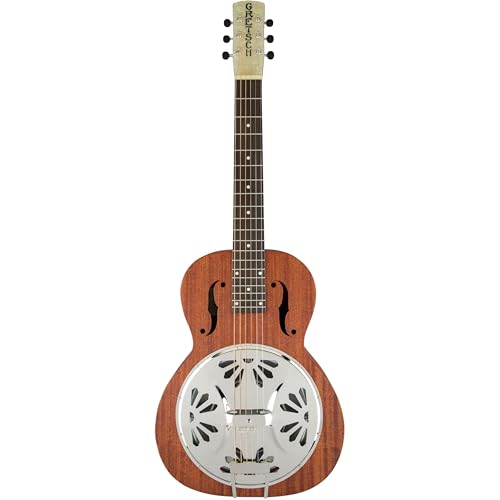
If you’re a blues enthusiast seeking a resonator guitar that combines classic aesthetics with impressive sound quality, the Gretsch G9210 Boxcar Square-Neck Resonator Guitar is an excellent choice. This right-handed, 6-string model features a natural finish and a durable laminated mahogany body. With its hand-spun Gretsch Ampli-Sonic diaphragm, you’ll enjoy remarkable volume and tone. The 19 medium jumbo frets on a padauk fingerboard enhance playability, making it ideal for blues, bluegrass, and more. Users rave about its construction and sound, often rating it 4.7 out of 5 stars. It’s a great investment for both beginners and experienced players alike.
Best For: Blues enthusiasts and musicians looking for a quality resonator guitar that offers great sound and playability.
Pros:
- Exceptional sound quality and volume due to the hand-spun Gretsch Ampli-Sonic diaphragm.
- Well-constructed with durable laminated mahogany, enhancing both aesthetics and longevity.
- Highly rated by users for its ease of play and suitability for various music genres like blues and bluegrass.
Cons:
- Some users find the volume to be softer than expected.
- Occasional quality control issues reported, such as minor dings on the instrument.
- May not be suitable for players who prefer a louder acoustic projection.
Hal Leonard Guitar Method Blues Guitar Lessons

The Hal Leonard Guitar Method Blues Guitar Lessons is an ideal choice for beginner and intermediate guitarists enthusiastic to plunge into the world of blues. This structured approach covers essential topics like 12-bar blues, scales, and riffs, helping you build a solid foundation. You’ll enjoy learning various techniques, including hammer-ons, pull-offs, and vibrato, while playing along with included online audio tracks. Many users praise its effectiveness, though some mention print size issues that may hinder readability. If you’ve got a grasp on basic chords, this book will elevate your blues skills, making it a valuable resource for your musical journey.
Best For: Beginner and intermediate guitarists eager to learn blues guitar fundamentals and techniques.
Pros:
- Structured approach that covers essential blues topics like 12-bar blues and scales.
- Includes online audio tracks for play-along practice, enhancing the learning experience.
- Praised by users for its effectiveness in teaching blues guitar fundamentals.
Cons:
- Some users report issues with print size, making it difficult to read.
- The small format may hinder usability on a music stand.
- Those with vision challenges may find readability problematic.
Gretsch G9240 Alligator Resonator Guitar

For blues enthusiasts seeking a resonator guitar that delivers both style and sound, the Gretsch G9240 Alligator stands out with its unique swampy tone, perfect for lively dancehall performances. Crafted from mahogany with a stunning 2-color sunburst finish, this right-handed guitar is equipped with a Gretsch Ampli-Sonic diaphragm, enhancing volume and quality. Its adjustable truss rod guarantees playability for various styles, whether you prefer rhythm or fingerstyle. With a solid customer rating of 4.6 stars, it’s praised for its look and sound, although some users recommend buying from vendors who provide proper setup to avoid potential quality issues.
Best For: Blues enthusiasts and players looking for a resonator guitar that combines aesthetic appeal with excellent sound quality for dancehall performances.
Pros:
- Exceptional swampy tone ideal for blues and lively performances.
- Beautiful 2-color sunburst finish and quality mahogany construction.
- Comfortable playability with an adjustable truss rod for various playing styles.
Cons:
- Some reported quality control issues, including setup and intonation problems.
- Potential cosmetic defects encountered by a few customers.
- Recommendations to buy from vendors offering proper setup services to avoid initial issues.
Gator Cases Journeyman Series Deluxe Wood Case for Resonator Acoustic Guitars

Crafted with traditional wood craftsmanship and antique brass hardware, the Gator Cases Journeyman Series Deluxe Wood Case is perfect for resonator guitar enthusiasts who value both style and protection. Its royal blue crushed velvet interior and vintage cream exterior with rich espresso trim not only look stunning, but they also keep your guitar safe. Weighing 8.08 pounds and measuring 44 x 27 x 8 inches, it fits various round neck resonators like the Gretsch G9220. While most users appreciate its durability, some report a snug fit. Overall, it’s a stylish, functional choice for protecting your prized instrument.
Best For: Resonator guitar enthusiasts looking for a stylish and protective case that complements their musical instrument.
Pros:
- Durable construction with traditional wood craftsmanship and quality materials ensures long-lasting protection.
- Attractive design featuring royal blue crushed velvet interior and vintage cream exterior appeals to aesthetic sensibilities.
- Suitable for various round neck resonators, making it a versatile choice for different guitar models.
Cons:
- Mixed fit experiences, with some users finding it snug while others feel it’s too loose, requiring extra padding.
- Minor quality control issues reported, including loose fabric or hardware defects upon arrival.
- Not compatible with square neck resonators, limiting its usability for some guitar types.
Gretsch G9201 Honey Dipper Resonator Guitar

With its unique weathered Pump House Roof finish, the Gretsch G9201 Honey Dipper Resonator Guitar stands out as a top choice for blues enthusiasts seeking a distinctive sound and aesthetic. This six-string, right-handed guitar features a non-cutaway bell-brass body that delivers rich resonance. The medium V-shaped mahogany neck guarantees comfortable playability, while the vintage semi-gloss finish adds character. You’ll love the padauk fingerboard with medium-jumbo 19 frets, perfect for expressive playing. Whether you’re jamming at home or performing live, the Honey Dipper offers the tonal depth and visual appeal that every blues player craves.
Best For: The Gretsch G9201 Honey Dipper Resonator Guitar is best for right-handed blues enthusiasts looking for a unique sound and aesthetic in their instrument.
Pros:
- Rich resonance from the non-cutaway bell-brass body.
- Comfortable playability with a medium V-shaped mahogany neck.
- Distinctive weathered Pump House Roof finish adds visual appeal.
Cons:
- Limited to right-handed players, which may exclude some musicians.
- The unique fingerboard material may not appeal to all players.
- Not suitable for those seeking a more traditional acoustic guitar sound.
6-String Electric Resonator Guitar

The GRE-20 Electric Resonator Guitar stands out as an exceptional choice for blues musicians seeking versatility and rich sound. With its solid Paulownia body, it’s lightweight yet resonates beautifully, perfect for slide and roots music. The dual HH ceramic pickups deliver clarity and punch, ensuring you get the amplified tone you crave. Its Okoume neck and Purple Heart fingerboard provide stability and smooth playability, making it comfortable for long sessions. The natural matte finish highlights the wood grain, blending vintage charm with modern appeal. You’ll find this 6-string guitar a worthy companion for any musical journey.
Best For: The GRE-20 Electric Resonator Guitar is best for blues, folk, and roots musicians looking for a versatile and rich-sounding instrument.
Pros:
- Excellent tonal clarity and punch from dual HH ceramic pickups.
- Lightweight construction with a solid Paulownia body enhances resonance.
- Beautiful natural matte finish that showcases the wood grain and appeals to both traditional and contemporary players.
Cons:
- Limited availability may affect accessibility for some buyers.
- The specific design may not suit all musical styles outside of blues and folk.
- Only one customer rating may not provide a comprehensive view of overall performance and satisfaction.
Factors to Consider When Choosing Resonator Guitars for Blues
When choosing a resonator guitar for blues, you’ll want to contemplate several key factors. The body material, resonator cone type, and neck shape can all greatly affect your sound and playability. Additionally, think about string configuration and amplification capabilities to find the perfect fit for your style.
Body Material Impact
Choosing the right body material for your resonator guitar can greatly influence your blues sound. Woods like mahogany and sapele offer warm, rich tones that complement the emotional depth of blues music. Sapele, in particular, provides a vibrant acoustic response along with an attractive look. On the other hand, bell brass bodies deliver a bright, projecting sound that enhances the traditional blues vibe. Don’t overlook weight and playability; lighter woods like Paulownia can make handling easier during performances. Remember, while the body material is essential, the resonator cone’s material also affects the guitar’s overall acoustic characteristics. So, consider how these elements come together to create your unique blues sound.
Resonator Cone Type
Body material plays a notable role in your resonator guitar’s sound, but don’t underestimate the impact of the resonator cone type. The cone is essential for shaping your guitar’s tonal characteristics. You’ll find common types like spider and biscuit cones, each delivering unique sounds. Spider cones, typically made of aluminum, provide bright, clear tones, making them ideal for traditional blues, especially if you want to emphasize treble frequencies. On the other hand, biscuit cones offer a warmer, rounded tone, perfect for slide playing with a rich, full-bodied sound. Consider hand-spun cones for enhanced projection and sustain, and remember that the size and shape of the cone can greatly affect volume and tonal range. Choose wisely to match your desired sound profile.
Neck Shape Preference
How does the neck shape of a resonator guitar impact your playing experience? The neck shape can greatly influence your playability. Common profiles like V, C, and U cater to different hand sizes and styles. If you often fingerpick or use slide techniques, a thicker V shape might provide the support you need. Conversely, if you have smaller hands, a slimmer C shape could make chord changes easier. Additionally, consider the scale length: shorter scales allow for easier bending, while longer scales enhance sustain and tonal clarity. Ultimately, personal preference plays an essential role in your selection. Don’t hesitate to try various neck shapes to find the most comfortable fit for your unique playing style.
String Configuration Choices
What factors should you consider when evaluating string configuration choices for resonator guitars in blues? First, most resonator guitars come with a standard 6-string setup, which makes it easy to use familiar chord shapes. Next, think about string material; phosphor bronze offers a brighter tone, ideal for blues. You might also prefer a heavier gauge string for a thicker sound and better sustain, especially if you play slide. Pay attention to string action too; lower action suits fingerstyle, while higher action is great for slide techniques. Finally, consider your tuning preferences. Open tunings are popular in blues for their distinct sound and ease of slide play, so choose a configuration that complements your style and enhances your overall sound.
Amplification Capabilities
When you’re diving into the world of resonator guitars for blues, amplification capabilities can greatly influence your sound. Look for models with built-in amplification features, like preamps with tone control, which enhance volume and allow for sound customization. Guitars equipped with dual ceramic pickups deliver a rich, clear amplified tone, perfect for blues and other styles. The traditional resonating cone design optimizes acoustic sound quality, translating well when amplified. Also, consider the scale length and fret count, as these factors affect playability during performances. Finally, the choice of materials, such as solid woods and specific resonator cone types, can notably impact overall sound quality, both acoustically and when plugged into an amplifier.
Aesthetic Appeal Considerations
Choosing the right resonator guitar for blues isn’t just about sound; aesthetics play a significant role in the overall experience. The finish, like a vintage sunburst or a weathered look, can evoke nostalgia, enhancing your connection to the genre. Unique features, such as hand-spun aluminum resonator cones, add visual character and influence sound quality. The body material, whether mahogany or bell brass, affects both tone and visual warmth. Decorative elements, like inlays on the fingerboard, showcase your personal style. Finally, consider the overall shape—round neck or square neck—as it impacts the guitar’s visual identity and how it aligns with traditional blues aesthetics. By balancing sound and aesthetics, you’ll find a resonator guitar that truly resonates with you.