Shopping for guitar effects processors under 200 can feel crowded fast. Today’s budget units can cover practice, direct recording, headphone use, and stage-ready basics without stretching your budget.
Below, we focus on the features that actually matter: usable amp models, effects quality, routing flexibility, portability, and connectivity for home or gig use.
Best 10 Guitar Effects Processors Under 200 Picks for 2026
Editor’s Pick
MOOER GE150 Pro Multi-Effects Processor

- 200 presets, 170 effects, 55 amp models, and 26 cab sims
- Four footswitches plus expression pedal for flexible control
- Built-in looper, drum machine, tuner, and OTG recording
Best For: Players wanting a deep feature set with modern control and recording tools
Most Portable
Valeton GP-5 Compact Multi-Effects Processor
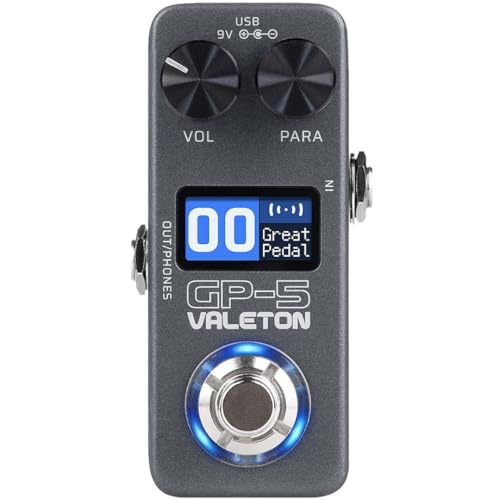
- 237g metal chassis with a very small pedalboard-friendly footprint
- 100+ effects, 100 patch slots, and SnapTone/NAM support
- Bluetooth and USB audio interface for editing and recording
Best For: Traveling players and compact pedalboard setups
Home Practice Favorite
FLAMMA FX100 Multi-Effects Pedal

- 55 amp models, 151 effects, and IR loader support
- 80-second looper with 40 drum rhythms and metronome modes
- Headphone output, OTG, and USB editing for practice and recording
Best For: Solo practice, home recording, and players who want built-in rhythm tools
Best Budget Stompbox
Valeton GP-5 Super Compact Multi-Effects Processor

- Over 100 effects with 9 customizable modules
- Supports NAM files, third-party IRs, and Bluetooth app editing
- Rugged 237g metal casing with USB-C audio interface
Best For: Minimal pedalboard setups that want modern loading and app control
Budget Practice All-Rounder
MOOER GE100 Multi-Effects Guitar Pedal

- 80 preset and 80 user patches
- 66 effects plus 180-second looper
- Drum machine, tuner, and expression pedal
Best For: Players wanting an affordable practice-focused multi-effects unit
Feature-Packed Modern Modeler
Valeton GP-150 Multi-Effects Guitar Processor

- 200+ effects with HD modeling
- Built-in battery and USB audio interface
- IR and NAM support for advanced tone control
Best For: Players needing a portable all-in-one processor for practice and recording
Flexible DSP Workhorse
Flatsons KMF-1 Multi-Effects Guitar Pedal
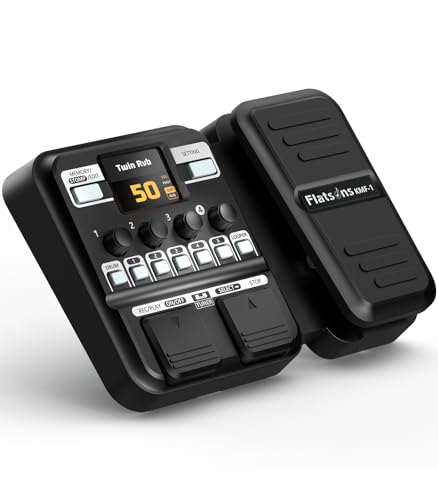
- 77 effects with 18 amp and 18 cab models
- 32-bit DSP plus IR sampling
- Looper, drum rhythms, and AUX in
Best For: Players wanting detailed amp/cab simulation with useful practice features
Premium Control Multi-Effects
AUDOTA AME-200 Pro Guitar Multi Effects Processor

- 4 footswitches for flexible control
- Built-in expression pedal included
- USB OTG recording and Bluetooth audio
Best For: Players wanting maximum control and connectivity in a budget processor
Practice-Friendly Pick
Zoom G1X Four Guitar Multi-Effects Processor

- 71 effects and 13 amp models
- 30-second looper and 68 rhythms
- Includes expression pedal and USB editing
Best For: Practice players who want easy looping and built-in rhythms
Editor’s Pick – MOOER GE150 Pro Multi-Effects Processor
If you’re comparing guitar effects processors under 200, the MOOER GE150 Pro stands out for its broad feature set and performance-focused control. It gives you 200 presets, 170 effects, 55 amp models, 26 cab sims, and support for NAM and MNRS sample loading, so it covers practice, recording, and live use without feeling stripped down.
Best For: Players who want a feature-rich processor with flexible foot control, looper tools, and modern amp/cab loading support.
Pros:
- 200 factory presets with 55 amp preamps and 26 cabinet simulations.
- Four multi-purpose footswitches and an expression pedal for live control.
- Built-in 80-second stereo looper, drum machine, tuner, and OTG recording support.
- Type-C USB for tone editing, data management, and firmware updates.
Cons:
- Standard version is corded electric rather than battery-powered.
- Feature depth may be more than casual players need.
For players who want a compact all-in-one unit with strong preset capacity and modern loading options, the GE150 Pro is one of the most capable picks here. Its extra footswitches and recording connectivity make it especially practical for gigging and home practice.
Most Portable – Valeton GP-5 Compact Multi-Effects Processor
Among guitar effects processors under 200, the Valeton GP-5 is the easiest to carry and build around. Its ultra-compact 237g metal chassis, 100+ effects, SnapTone loading, and IR support make it a practical choice for players who want a small unit that still covers modern tone shaping.
Best For: Guitarists who need a tiny, travel-friendly processor with NAM support, IR loading, and wireless editing.
Pros:
- Super compact 237g metal chassis that fits pedalboards easily.
- 100+ effects with up to 9 blocks in one chain.
- SnapTone support with 50 preloaded tones and room for user files.
- Bluetooth, USB audio interface features, and 100 patch slots.
Cons:
- Single-footswitch design is less hands-on than larger processors.
- Smaller format may be less ideal for players wanting lots of onboard controls.
The GP-5 is a strong fit if portability matters as much as tone. It packs modern loading and connectivity into a tiny footprint, making it a smart grab-and-go processor for practice, travel, or a streamlined pedalboard.
Home Practice Favorite – FLAMMA FX100 Multi-Effects Pedal
The FLAMMA FX100 is one of the more practical guitar effects processors under 200 if you want a lot of home-use features in one box. With 55 amp models, 151 effects, 26 factory IRs, 10 user IR slots, an 80-second looper, and a drum machine, it is set up for practice, recording, and basic performance use.
Best For: Home players and solo practice users who want looper, drum, headphone, and recording features in an affordable processor.
Pros:
- 55 amp models and 151 effects with IR loading support.
- 80-second looper plus 40 drum rhythms and 10 metronome options.
- Expression pedal for volume, wah, and parameter control.
- OTG and USB connectivity for recording, streaming, and editing.
Cons:
- Micro USB OTG rather than newer USB-C for phone recording.
- At 1.9 pounds, it is less compact than some mini processors.
If your priority is practice-friendly versatility, the FX100 checks a lot of boxes without getting complicated. It is especially appealing for players who want silent practice, built-in rhythm tools, and quick access to preset-based tones.
Best Budget Stompbox – Valeton GP-5 Super Compact Multi-Effects Processor
If you want a stripped-down but modern option among guitar effects processors under 200, the Valeton GP-5 Super Compact focuses on essentials. It combines more than 100 effects, 9 customizable modules, NAM and IR compatibility, Bluetooth app editing, and USB-C audio interface support in a very small stompbox-style format.
Best For: Players who want a tiny modern processor with wireless editing, USB-C connectivity, and loadable NAM/IR tones.
Pros:
- Over 100 effects with 9 customizable modules.
- Supports up to 80 NAM files and 20 third-party IRs.
- Bluetooth mobile app editing and color LCD screen.
- Dual power options and a rugged 237g metal casing.
Cons:
- Power adapters and USB 5V supply are not included.
- Compact format limits onboard control compared with larger units.
The GP-5 Super Compact is a smart pick if you want a modern mini processor that still supports current tone-loading workflows. It is best suited to players who value portability, app control, and a minimal footprint over a large built-in interface.
Budget Practice All-Rounder – MOOER GE100 Multi-Effects Guitar Pedal
If you’re comparing guitar effects processors under 200, the MOOER GE100 stands out as a compact practice-friendly option with 80 preset patches, 80 user slots, and 66 effect types. It also adds a built-in looper, drum machine, tuner, and an assignable expression pedal, so you can cover tones, practice, and basic songwriting without needing a computer.
Best For: Players who want an affordable multi-effects unit with presets, looping, and simple practice tools.
Pros:
- 80 preset patches plus 80 user patches for building a personal sound library
- 66 effect types across 8 effect modules for broad tone shaping
- 180-second looper and drum machine for practice and idea building
- Assignable expression pedal with adjustable output mode and headphone out
Cons:
- Uses a more basic feature set than newer high-end modelers
- Limited to the included practice-oriented effects and workflow
- Best suited to home use and straightforward live setups rather than deep customization
The GE100 is a practical entry-level choice if you want core multi-effects features without spending much. Its patch memory, looper, and rhythm tools make it especially useful for daily practice and experimenting with new tones.
Feature-Packed Modern Modeler – Valeton GP-150 Multi-Effects Guitar Processor
For shoppers looking at guitar effects processors under 200, the Valeton GP-150 brings a lot of modern features into one unit: 200+ effects, HD modeling, IR and NAM support, a built-in rechargeable battery, and USB audio interface functionality. It’s geared toward players who want flexible routing, portable power, and easy recording or streaming connections in a single processor.
Best For: Guitarists who want a portable, feature-heavy processor for practice, recording, and modern tone shaping.
Pros:
- 200+ effects with second-generation HD digital modeling
- Supports third-party IRs and NAM file conversion for deeper cabinet customization
- Built-in 3000mAh battery with over 6 hours of playtime
- USB-C/USB audio interface support plus BT and MIDI connectivity
Cons:
- More advanced feature set may be more than casual players need
- Battery and connectivity features add complexity compared with simpler pedals
- Best value depends on whether you’ll use the recording and IR tools
The GP-150 is the most feature-rich option here, especially if you want modern amp modeling and direct-to-computer convenience. Its battery power and interface support make it a strong pick for mobile practice and home recording.
Flexible DSP Workhorse – Flatsons KMF-1 Multi-Effects Guitar Pedal
If you want guitar effects processors under 200 with a focus on cabinet and amp simulation, the Flatsons KMF-1 offers 77 effects, 18 amp models, 18 cabinet simulators, and 32-bit DSP processing. It also includes a tuner, 30-second looper, drum rhythms, AUX in, and a configurable expression pedal, making it a versatile pick for practicing, live switching, and tone experimentation.
Best For: Players who want a versatile processor with strong amp/cab simulation and practice tools.
Pros:
- 77 effects across 8 modules, plus 18 amp models and 18 cabinet simulators
- 32-bit DSP with TSAC and 512-point IR sampling for detailed simulation
- 50 preset patches, built-in tuner, 30-second looper, and 42 drum rhythms
- Stomp mode and edit mode offer flexible control over effect blocks
Cons:
- Battery life is limited to up to 2.5 hours on 6 AA batteries
- More complex than a basic stompbox-style unit
- Cab simulation needs to be managed carefully depending on whether you use a real amp or monitors
The KMF-1 is a strong middle-ground choice for players who care about amp and cab modeling as much as effects. It combines flexible editing with useful practice features, though its battery runtime is shorter than some alternatives.
Premium Control Multi-Effects – AUDOTA AME-200 Pro Guitar Multi Effects Processor
If you’re comparing guitar effects processors under 200, the AUDOTA AME-200 Pro stands out for players who want a lot of control in one unit. It combines amp modeling, reverb, delay, looper, drum machine support, Bluetooth audio, and USB OTG recording, plus a built-in expression pedal and four multi-purpose footswitches for flexible patch switching.
Best For: Guitarists who want a feature-packed processor with hands-on foot control, practice tools, and recording connectivity.
Pros:
- Four multi-purpose footswitches for broader preset and function control
- Built-in expression pedal with volume and parameter control support
- USB OTG recording, Bluetooth audio connection, and PC software support
- Includes tuner, 50 drum machines, 60-second looper, and stereo outputs
Cons:
- Feature-heavy layout may be more complex than simpler budget pedals
- Best value depends on whether you need the Bluetooth and recording features
For players who want broad control and modern connectivity in one box, this is one of the most versatile guitar effects processors under 200 in the group. It is especially appealing if you like built-in practice tools and expansion support for third-party IRs.
Practice-Friendly Pick – Zoom G1X Four Guitar Multi-Effects Processor
The Zoom G1X Four is a straightforward option for shoppers looking at guitar effects processors under 200 and wanting a familiar, practice-focused layout. It offers 71 effects, 13 amp models, a 30-second looper, 68 rhythm patterns, and an included expression pedal, making it easy to build tones and practice without extra gear.
Best For: Players who want an easy-to-use multi-effects unit for practice, looping, and tone building.
Pros:
- 71 built-in effects and 13 amp models for tone variety
- 30-second looper for layering riffs and ideas
- 68 rhythm patterns for more structured practice
- Works with guitar input, aux audio, amp, or headphones
Cons:
- Looper is limited to 30 seconds
- More advanced editing depends on Zoom Guitar Lab software
This model is a practical pick if you want a compact processor with useful everyday features rather than a complicated interface. Its mix of effects, rhythms, and headphone-friendly practice support makes it a solid budget-friendly all-rounder.
Minimalist Budget Multi-Effects – AME-200 Guitar Multi Effects Processor
For buyers focused on guitar effects processors under 200, the AME-200 is the simpler sibling in this lineup. It keeps the core essentials with amp modeling, reverb, delay, looper, a built-in tuner, 50 drum machine patterns, a 60-second loop, and support for an external expression pedal.
Best For: Guitarists who want a streamlined multi-effects unit with the core basics and room to add an external pedal.
Pros:
- Includes amp modeling, reverb, delay, and looping
- Built-in tuner plus 50 drum machine patterns for practice
- Supports global BPM settings for tempo control
- Works with an external expression pedal via TRS cable
Cons:
- No built-in expression pedal listed in the supplied notes
- Fewer hardware-control details are provided than on the Pro model
If you want the essential processor features without the extra control hardware, this unit keeps things focused. It looks like the better fit for players who value simplicity and still want practical practice and effects functions.
How We Picked the Best Guitar Effects Processors Under 200
For this roundup of Guitar Effects Processors Under 200, we looked for a mix of practical tone tools, useful practice features, and value. Priority went to processors that offer enough effects to cover common styles, stable amp and cab modeling, and the connectivity most players actually use, such as USB, headphones, and external power options.
We also considered ease of use. A budget processor should help you make music quickly, not bury you in menus. Units with expression control, looper and drum functions, IR loading, or USB audio capability earned extra weight when those features were implemented in a way that meaningfully improves the user experience.
Quick Comparison
In this price bracket, the best option depends on your main goal. If you want compact simplicity, smaller pedals are attractive. If you want the most complete practice and recording tool, look for models with looper, drum machine, USB audio, and amp/cab simulation. Players who use direct recording or headphones regularly should favor processors with stronger modeling and easier computer or phone connection options.
At a Glance
Best for compact portability: super-small units that fit on crowded boards.
Best for home practice: models with built-in rhythm tools, looper, and headphone output.
Best for recording: processors with USB audio, IR support, and solid amp simulation.
Best for hands-on control: versions that include expression pedal support or extra footswitches.
Key Buying Factors for Guitar Effects Processors Under 200
Effects quality over sheer count: A huge number of presets looks impressive, but usable delays, reverbs, drives, and modulations matter more than raw totals.
Amp and cab modeling: If you play direct or with headphones, choose a processor with convincing amp models and cabinet simulation. IR support can improve realism further.
Practice tools: Looper and drum machine functions are especially helpful for solo practice, timing, and building riffs.
Connectivity: USB, headphone output, and Bluetooth or app support can make a big difference for editing, recording, and convenient practice.
Foot control: More footswitches and expression support give you better live flexibility, but they also add size and complexity.
Portability and power: If you travel or rehearse often, compact size and battery options can be more useful than a larger feature set.
Who Should Buy Which Guitar Effects Processors Under 200?
Beginners: Choose a straightforward model with presets, common effects, and an easy signal path. The goal is to learn sounds quickly without fighting the interface.
Home players: Prioritize headphone output, looper, drum machine, and USB recording support. These features make daily practice more useful and enjoyable.
Gigging players on a budget: Look for stronger foot control, reliable amp modeling, and a layout you can change quickly on stage.
Recording-focused players: Favor IR loading, USB audio, and better cab simulation so the processor can work as a direct recording solution.
Players who want maximum portability: A compact processor with basic but good-sounding effects is often the smartest buy, especially if you already use external pedals for your core tone.
The best choice is the one that matches how you play most often. If you mainly practice at home, buy for convenience. If you record direct, buy for modeling and connectivity. If you need a simple rig, keep the feature set focused and the workflow easy.