Choosing one of the best djembes for recording is about more than size or appearance. In the studio, you want a drum that tunes cleanly, projects clearly, and sits well in a mix.
This roundup focuses on instruments that can deliver consistent tone, practical tuning options, and reliable construction for tracking, overdubs, and intimate percussion sessions.
Best 10 Djembes for Recording Picks for 2026
Recording-ready handmade pick
Meinl 10-Inch Mahogany Rope-Tuned Djembe
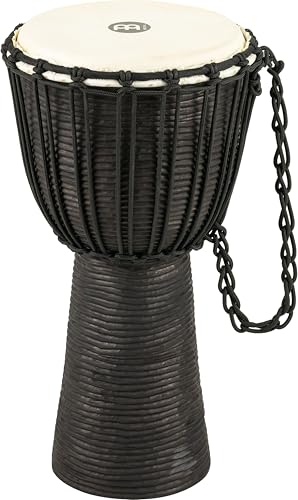
- Goat skin head for warm tone and clear attack
- Hand-carved mahogany shell with deep sound
- Ships pre-tuned for faster setup
Best For: Studio players who want a warm, responsive all-purpose djembe
Large-format studio option
Remo Mondo Djembe Drum 14-Inch

- 14-inch size offers a larger playing surface
- Made in the United States
- Simple, straightforward djembe format
Best For: Players wanting a larger-format djembe with U.S. origin
All-purpose recording pick
Meinl 10 x 20 Rope-Tuned Djembe

- Goat skin head for warm tone and clear attack
- Hand-carved mahogany shell for deep sound
- Pre-tuned and gig-ready out of the box
Best For: Beginners and gigging players who want a ready-to-play djembe
Traditional handcrafted pick
7x15 Rope Goat Skin African Drum

- Handcrafted with a hand-carved build
- Goat skin head for traditional tone
- Adjustable rope tuning for pitch changes
Best For: Beginners and collectors who want a warm, traditional djembe
All-Weather Recording Pick
Meinl Alpine Series 12" Synthetic Djembe

- Synthetic shell and head stay stable in changing weather.
- Pre-tuned with wrench for quick pitch adjustments.
- Bass and slap tones are clear and easy to bring out.
Best For: Recording setups that need low-maintenance tuning stability
Traditional Tone Choice
Handcrafted 6x12 Rope-Tuned Djembe
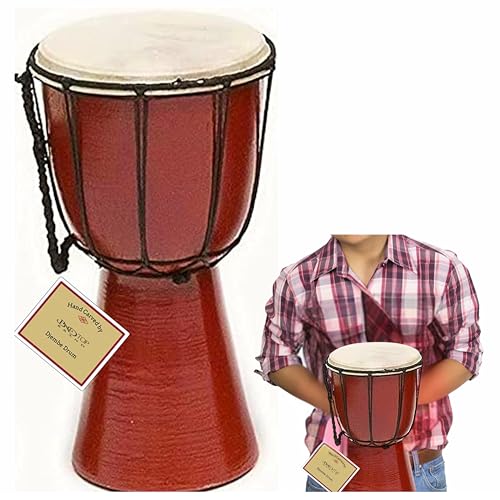
- Wood body and goat skin head deliver an authentic build.
- Compact 6x12 size is easy to carry and place.
- Rope tuning lets you fine-tune the pitch.
Best For: Players wanting a classic handcrafted djembe sound
Studio-Ready Recording Pick
Freestyle 10" Mechanically Tuned Djembe
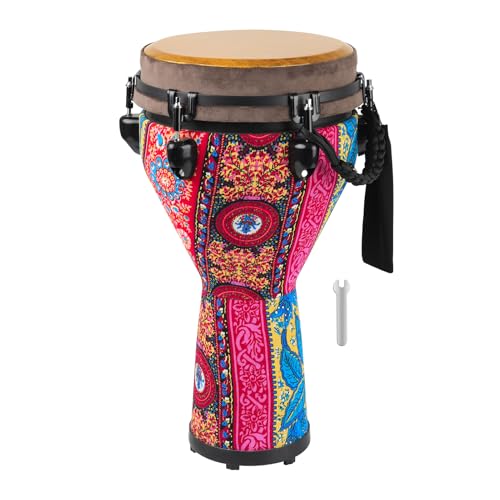
- Six lugs and wrench make tuning precise and easy.
- Clear highs, mids, and lows suit recording work.
- Weatherproof build is lightweight and low maintenance.
Best For: Studio recording and players who want precise tuning control
Hand-Carved Beginner Choice
Wood Djembe Drum African Drums for Adults

- Solid mahogany shell with hand-carved construction
- Unbleached goatskin head for a full, rich sound
- Compact 8.5" x 16" size for easy portability
Best For: Beginners and acoustic players who want a traditional, portable djembe
Studio-Friendly Tuned Pick
Freestyle Mechanically Tuned Djembe Drum

- 6 heavy-duty tuning lugs for precise adjustments
- Tear-resistant composite head with stable tone
- Built for recording, live use, and all-weather play
Best For: Recording, live performance, and players who want fast tuning control
Classic Rope-Tuned Favorite

- Solid mahogany shell carved from one piece
- Natural goat skin head with warm, clear attack
- Pre-tuned rope system with a wide tone range
Best For: Players who want a classic, gig-ready djembe with traditional acoustic sound
Recording-ready handmade pick – Meinl 10-Inch Mahogany Rope-Tuned Djembe
If you’re comparing djembes for recording, this Meinl 10-inch model is a practical place to start. Its goat skin head is described as delivering warm tone with clear attack, while the mahogany shell adds a deep sound and a finished look that works well in a studio or on display.
Best For: Players who want a handmade, all-purpose djembe with a warm, responsive tone for studio work, drum circles, and acoustic settings.
Pros:
- Goat skin head offers warm tone and clear attack.
- Hand-carved mahogany shell adds deep sound and solid build quality.
- Ships pre-tuned with Mali Weave rope tuning for quick setup.
- Compact 10-inch size makes it easy to handle.
Cons:
- Smaller 10-inch format may not deliver the largest low-end sound.
- Natural materials can vary in color and texture.
- Designed as an all-purpose drum, not a specialized studio instrument.
For recording-focused buyers who want a ready-to-play djembe with classic materials and an easy learning curve, this Meinl model gives you a dependable tonal starting point. It balances portability, warm response, and traditional construction well.
Large-format studio option – Remo Mondo Djembe Drum 14-Inch
For djembes for recording, this 14-inch Remo Mondo offers a larger playing surface that can be useful when you want more room to shape tones. The supplied notes confirm it as a U.S.-made instrument accessory with a substantial package size, making it a straightforward option for players looking at a fuller-format djembe.
Best For: Buyers who want a larger 14-inch djembe format and prefer a U.S.-made option for general playing and recording setups.
Pros:
- Larger 14-inch size gives you more playing surface.
- Made in the United States.
- Remo Mondo line is a known djembe format.
Cons:
- Supplied notes do not list detailed sound or construction features.
- Fewer specifications make it harder to compare at a glance.
- No tuning or head material details are provided here.
If you want a bigger djembe footprint and are comfortable with limited product detail, this Remo model keeps the decision simple. It suits buyers who prioritize size and origin over a long list of extras.
All-purpose recording pick – Meinl 10 x 20 Rope-Tuned Djembe
When shopping for djembes for recording, this 10 x 20 inch Meinl stands out for its familiar tone recipe: a goat skin head for warm tone and clear attack, plus a hand-carved mahogany shell for deep sound. It ships pre-tuned, so it’s ready to use quickly in practice, acoustic sessions, or a home recording setup.
Best For: Players who want a reliable, beginner-friendly djembe that can move easily between recording, jam sessions, and acoustic performances.
Pros:
- Goat skin head provides warm tone with clear attack.
- Hand-carved mahogany shell supports a deep sound.
- Ships pre-tuned with Mali Weave rope tuning.
- Compact and gig-ready at 10 inches wide and about 9 lbs.
Cons:
- Natural materials mean each drum has unique variation.
- 10-inch head may be less full than larger djembes.
- All-purpose design may not suit players seeking a highly specialized recording instrument.
This model is a strong fit if you want one drum that can cover many use cases without extra setup time. Its traditional materials and pre-tuned build make it easy to put into service right away.
Traditional handcrafted pick – 7×15 Rope Goat Skin African Drum
If you need a simple option among djembes for recording, this handcrafted 7×15 drum emphasizes traditional materials and a warm, resonant sound profile. Its goat skin head, rope tuning, and hand-carved construction make it a straightforward pick for players who want an authentic look and feel without a lot of extras.
Best For: Beginners, collectors, and players who want a handcrafted rope-tuned djembe with a warm, resonant voice.
Pros:
- Handcrafted and hand-carved for an artisanal feel.
- Genuine goat skin head supports traditional tone.
- Adjustable rope tuning allows pitch changes.
- Compact 7×15 size is easy to manage.
Cons:
- Size may vary because it is handcrafted.
- 90-day manufacturer warranty is shorter than some alternatives.
- Notes do not provide detailed recording-specific performance specs.
This djembe makes sense if you value traditional construction and a warm voice more than detailed studio specs. It’s a straightforward, hands-on drum for casual playing and basic recording use.
All-Weather Recording Pick – Meinl Alpine Series 12" Synthetic Djembe
If you want djembes for recording that are also easy to use between takes, this Meinl Alpine Series model is built around convenience and consistency. Its synthetic shell and head are made to handle changes in weather, and the mechanically simple tuning setup makes it easy to get back to a usable pitch quickly.
Best For: Players who want a low-maintenance djembe that can move from outdoor practice to recording-friendly playing without much fuss.
Pros:
- All-weather synthetic shell and head resist humidity-related tuning changes.
- Easy to clean and lightweight for quick setup and transport.
- Pre-tuned design with included tuning wrench for fast adjustments.
- Produces thumping bass and crisp slap tones that carry clearly.
Cons:
- Synthetic build may not suit players specifically seeking a natural skin-and-wood feel.
- Its 12″ size may be larger than compact travel options.
This is a practical choice if you want a dependable drum that stays ready to play, especially when you need a recording session to move quickly. The focus here is on durability, easy tuning, and a clear sound profile rather than ornate traditional construction.
Traditional Tone Choice – Handcrafted 6×12 Rope-Tuned Djembe
For djembes for recording, this handcrafted 6×12 rope-tuned drum leans into a traditional sound and feel. Its wood body and genuine goat skin head are designed for deep, vibrant tones, while the compact size makes it easier to fit into smaller spaces.
Best For: Players who want an authentic, handcrafted djembe with a classic rope-tuned setup.
Pros:
- Wood shell and genuine goat skin head provide an authentic build.
- Deep, resonant tones suit drum circles and music-making alike.
- Compact 6×12 size is easy to carry and works in smaller spaces.
- Traditional rope tuning allows pitch fine-tuning.
Cons:
- Handcrafted size may vary slightly from drum to drum.
- Includes a short 90-day manufacturer warranty.
This model makes sense if your priority is a more traditional, organic sound rather than maximum tuning convenience. It offers a straightforward, handcrafted approach that can appeal to both beginners and experienced players.
Studio-Ready Recording Pick – Freestyle 10" Mechanically Tuned Djembe
If you’re comparing djembes for recording, this mechanically tuned 10-inch model stands out for precise pitch control and a studio-oriented sound profile. The included wrench and six tuning lugs make adjustments straightforward, while the synthetic shell and tear-resistant composite head are built for stability and easy care.
Best For: Recording, live performance, and practice when you want a tuned, reliable drum with clear frequencies.
Pros:
- Six heavy-duty tuning lugs provide precise, easy pitch adjustment.
- Engineered for distinct high, mid, and low frequencies.
- Weatherproof materials resist warping, cracking, and wear.
- Lightweight design with integrated carry handle improves portability.
Cons:
- Plastic-bodied construction may not appeal to players seeking a natural wood shell.
- No manufacturer warranty is listed.
This is the most recording-focused option in the group thanks to its stable tuning system and clear frequency separation. If you want a djembe that can move between studio sessions and everyday practice without much maintenance, it fits that brief well.
Hand-Carved Beginner Choice – Wood Djembe Drum African Drums for Adults
If you want djembes for recording with a traditional look and organic tone, this 8.5″ x 16″ carved mahogany model is a straightforward pick. Its goatskin head and solid wood shell are aimed at a full, rich sound, while the compact size keeps it portable for practice, lessons, and smaller session setups.
Best For: Beginners and players who want a hand-carved, portable djembe with a warm acoustic voice.
Pros:
- Premium unbleached goatskin head for durable, natural tone.
- Single-piece mahogany shell for sturdy build and clear resonance.
- 8.5″ x 16″ size is easy to carry and suited to many players.
- Hand-carved, hand-painted design gives it a distinctive visual finish.
Cons:
- Natural goatskin surface is not perfectly spotless white.
- Rope tuning is stable, but not as quick as mechanical tuning.
- Best suited to acoustic use rather than precision studio adjustment.
This is a good value choice if you care more about traditional construction and a rich, full sound than fast tuning changes. For recording, it offers a classic djembe character, especially when you want an authentic hand-built instrument.
Studio-Friendly Tuned Pick – Freestyle Mechanically Tuned Djembe Drum
For djembes for recording, mechanical tuning is a major advantage, and this 12″ x 24″ model is built around that idea. With 6 heavy-duty tuning lugs, a wrench, and a studio-aimed sound profile, it gives you more control over pitch and a more consistent setup than a rope-tuned drum.
Best For: Players who want precise tuning, weather resistance, and a recording-ready djembe.
Pros:
- 6 tuning lugs make pitch adjustments quick and precise.
- Composite drumhead is tear-resistant and designed to hold stable tone.
- Engineered for crisp highs, warm mids, and deep lows.
- Weatherproof build resists humidity-related warping or cracking.
Cons:
- Synthetic construction is less traditional than a goatskin and wood build.
- Heavier studio-style footprint than smaller portable djembes.
- Best for players who want adjustability more than vintage aesthetics.
If you need a drum that is easy to tune and dependable across different environments, this is the most practical option in the group. Its stability and defined frequency range make it especially appealing for recording sessions and regular practice.
Classic Rope-Tuned Favorite – Meinl Percussion Djembe Drum
If your focus is djembes for recording and you want a proven acoustic voice, this Meinl 12″ x 24″ drum is a strong all-purpose choice. Its hand-carved mahogany shell and natural goat skin head are built for deep bass, bright slaps, and a broad tonal range that works well for learning, jamming, and gigging.
Best For: Players who want a classic, pre-tuned djembe with wide tone range and strong acoustic character.
Pros:
- Hand-carved from one solid piece of certified mahogany.
- Natural goat skin head offers warm tone and clear attack.
- Comes pre-tuned with high-strength nylon rope tuning.
- 12″ x 24″ size provides a wide tone range for many styles.
Cons:
- Weighs about 15 lbs, so it is less travel-friendly than smaller drums.
- Rope tuning is reliable but slower to adjust than lugs.
- Larger size may be more than some beginners need for casual practice.
This drum sits in the sweet spot between tradition and usability. It is easy to start playing, sounds substantial, and has the acoustic depth many recording-focused players look for in a handmade djembe.
How We Picked These Djembes for Recording
We prioritized drums that are likely to capture well on mic: stable tuning, strong fundamental tone, responsive attack, and builds that support repeatable performance. We also looked at shell and head materials, size range, and whether the tuning system makes it easier to dial in a consistent sound between sessions.
For Djembes for Recording, consistency matters as much as character. A drum that sounds great once but drifts in pitch or responds unevenly can slow down a session.
Quick Comparison
In general, smaller djembes tend to offer a tighter, more focused sound that can be easier to place in dense arrangements, while larger models usually deliver more low-end body and air. Rope-tuned drums often provide a traditional feel and organic response, while mechanically tuned models can make setup faster and more repeatable.
Key Buying Factors for Djembes for Recording
Size and Tone
Choose size based on the part you need to record. A 10-inch drum is often a versatile middle ground for articulate strokes, while 12-inch and larger models can add weight and resonance for fuller percussion beds.
Head Material
Natural skin heads usually bring more complex overtones and traditional texture, which can sound excellent on a mic. Synthetic heads are often more stable in changing humidity and may be easier to maintain if you record in different environments.
Tuning System
If you track often, a mechanically tuned drum can save time and help you return to the same sound from session to session. Rope tuning may take longer, but many players prefer the feel and tonal nuance.
Shell Construction
Wood shells can add warmth and character, while synthetic shells may offer durability and consistency. Either can work well in a studio if the drum is well made and responds evenly across the head.
Mic Placement and Control
Recording quality also depends on how easily the drum balances attack and resonance. Instruments with excessive ring or uneven projection can be harder to capture cleanly, especially in layered arrangements.
Who Should Buy Which Djembes for Recording?
If you want a versatile all-around choice, start with a mid-sized drum that balances articulation and body. If you need a more traditional sound, a rope-tuned model with a natural skin head may be the better fit. If speed and repeatability matter most, a mechanically tuned option is usually the smarter studio pick.
For players building a home studio, focus on dependable tuning and a tone that records cleanly without heavy processing. For producers and session players, the best choice is usually the drum that gives you the most control over pitch, sustain, and dynamic response.