Finding the right cab can make or break your rock tone. The best bass cabinets for rock deliver tight low-end, strong mids, and enough projection to cut through guitars and drums.
Below, we focus on cabinets that suit real-world rock playing: rehearsal rooms, clubs, and stage setups where punch, reliability, and portability all matter.
Best 10 Bass Cabinets for Rock Picks for 2026
Thunder-Forward 4x10 Punch

- 4 x 10-inch aluminum-cone drivers
- 400W RMS handling at 8 ohms
- Dual-chamber, dual-ported cabinet
Best For: Rock bassists wanting a punchy 4x10 cab with strong stage presence
Compact Neo Growl
Markbass Traveler 102P 2x10 Cabinet

- 2 x 10-inch neodymium speakers
- Rear-ported cabinet with piezo tweeter
- 400W handling at 8 ohms
Best For: Portability-focused rock players who want a lighter 2x10 cab
Classic Fender Wall of Sound

- Four 10-inch Eminence drivers
- Premium HF compression tweeters
- 410 watts with magnetic head attachment
Best For: Rock players wanting a classic 4x10 with modern clarity
Mini Midrange Projection
Markbass New York 121 1x12 Cabinet

- Single 12-inch neodymium speaker
- Rear-ported cabinet with piezo tweeter
- 400W handling at 8 ohms
Best For: Compact rock setups where portability matters more than cabinet size
Lightweight 1x15 Rock Tone

- Ultra-lightweight rugged construction
- 250W, 8-ohm 1x15 cabinet
- Variable high-frequency attenuator
Best For: Bassists who want a lightweight 1x15 cab for rock rehearsals and smaller gigs.
Compact Full-Range 2x8
Trace Elliot 2x8 Speaker Cabinet

- Two 8-inch neodymium full-range drivers
- 400W RMS power handling
- Dual Speakon/phono combo input jacks
Best For: Players who want a compact 2x8 cabinet with full-range bass reproduction.
High-Power 4x10 Rock Cabinet

- Sealed 4x10 cabinet design
- 1,000-watt 8-ohm rating
- Built for live performance and band use
Best For: Bassists needing a high-power sealed 4x10 cabinet for louder rock shows and rehearsals.
4-String Punch and Horn Clarity
Sound Town 2x10" 400W Bass Cab
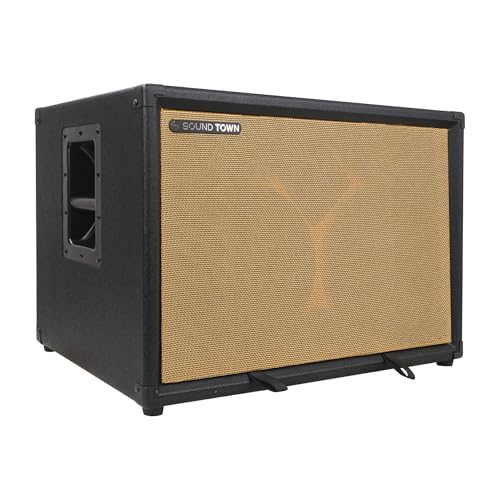
- 400W RMS, 8-ohm passive cabinet
- Two 10-inch speakers plus horn and compression driver
- Birch plywood build with side handles
Best For: Rock bass players wanting a portable 2x10 cab with extra clarity
Sealed Midrange Focus
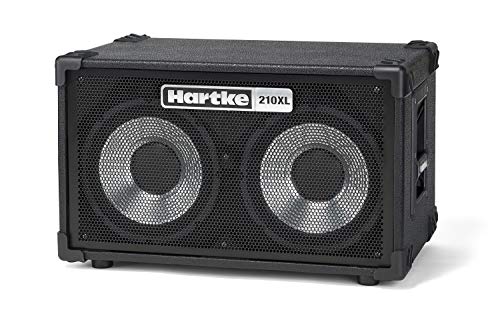
- Sealed 2x10 cabinet with aluminum cone speakers
- 200W RMS, 8-ohm rating
- 3/4-inch plywood build with textured vinyl
Best For: Players wanting a tight, defined 2x10 rock bass cabinet
DIY Versatility for Bass and Guitar
Parts Express 2x12 Birch Cabinet

- Knock-down 2x12 cabinet requires assembly
- Can be sealed or open-back
- Baltic birch construction with CNC-cut parts
Best For: DIY-minded players wanting a customizable bass or guitar cabinet
Thunder-Forward 4×10 Punch – Hartke 410XL V2 Bass Cabinet
If you want bass cabinets for rock with a strong, forward low end, the Hartke 410XL V2 is built to deliver plenty of stage-ready punch. Its four 10-inch proprietary aluminum-cone drivers, dual-chamber dual-ported design, and 400W RMS power handling make it a solid choice for players who want articulation and volume in a straightforward, professional cabinet.
Best For: Rock bassists who want a 4×10 cab with defined attack and a powerful, traditional stage feel.
Pros:
- 4 x 10-inch proprietary aluminum cones for clear, aggressive response
- 400W RMS handling at 8 ohms for substantial bass output
- Dual-chamber, dual-ported cabinet design tuned for low-frequency support
- 3/4″ plywood construction for a durable pro-audio build
Cons:
- At 90.35 pounds, it is heavy to move
- No tweeter is listed in the supplied notes
- Large footprint may be less convenient for smaller stages
For rock players who prioritize a firm, punchy 4×10 format, this Hartke cabinet keeps the setup simple while offering the kind of projection that works well in loud band mixes. It is a practical pick when you want classic cab strength without extra complexity.
Compact Neo Growl – Markbass Traveler 102P 2×10 Cabinet
The Markbass Traveler 102P is a compact option among bass cabinets for rock, especially if you want a lighter cab without giving up rated power. With two 10-inch Markbass neodymium speakers, a rear-ported design, and a piezo tweeter, it aims for portable performance that still has enough output for live use.
Best For: Players who want a portable 2×10 cabinet for rock gigs and rehearsal spaces.
Pros:
- 2 x 10-inch Markbass neodymium speakers for efficient output
- Rear-ported cabinet design for added low-end support
- 400W power handling at 8 ohms
- Piezo tweeter adds extra top-end presence
Cons:
- Single-cab footprint may not match the output of larger 4×10 designs
- Tabletop mount wording in the notes is unusual for a bass cab
- No detailed tone-shaping controls are listed
If you need a rig that is easier to move than a bigger cabinet but still suited to rock settings, the Traveler 102P is a practical middle ground. Its neodymium speakers and 400W rating make it a flexible choice for players who value portability and direct response.
Classic Fender Wall of Sound – Fender Rumble 4×10 Cabinet v3
Fender Rumble 4x10 Cabinet v3 Electric Bass Amplifier Cabinet, with 2-Year Warranty
Check Price On AmazonFor bass cabinets for rock that lean into a classic big-cab feel, the Fender Rumble 4×10 Cabinet v3 brings four 10-inch drivers, premium HF compression tweeters, and 410 watts of output. Fender also includes its Magnetic Rumble Head-Attachment System, making it a practical stage cabinet for players who want a streamlined stack.
Best For: Rock bassists who want a traditional 4×10 cabinet with added clarity and modern convenience.
Pros:
- Four 10-inch Eminence drivers for a full, punchy sound
- Premium HF compression tweeters for added high-end detail
- 410 watts output wattage for strong stage capability
- Magnetic Rumble Head-Attachment System for easier pairing with compatible heads
Cons:
- At 62.5 pounds, it is still a substantial cabinet to transport
- Single-channel cabinet design may not suit players wanting more configuration options
- Best results depend on pairing with the right head and setup
This is a strong choice if you like the familiar feel of a Fender 4×10 but want extra clarity from the tweeters and updated cabinet voicing. It fits well in rock situations where you need both low-end support and enough detail to stay defined in the mix.
Mini Midrange Projection – Markbass New York 121 1×12 Cabinet
The Markbass New York 121 is a compact bass cabinet for rock players who want a smaller rig without abandoning live-performance power. Its single 12-inch Markbass neodymium speaker, rear-ported straight cabinet, and piezo tweeter are aimed at delivering portable output with enough presence for gigs and rehearsals.
Best For: Bassists who need a lightweight 1×12 cab for rock rehearsal, small gigs, or compact rigs.
Pros:
- Single 12-inch neodymium speaker for efficient response
- Rear-ported design helps support low-frequency output
- 400W power handling at 8 ohms
- 13.3 kg weight makes it easier to carry than larger cabinets
Cons:
- 1×12 format will not move as much air as a 4×10 cabinet
- Single-cab setup may be limiting for louder rock stages
- Only one speaker is listed, so it is less expansive than multi-driver options
If you want a compact cabinet that still fits the needs of rock practice and smaller live situations, the New York 121 is a sensible option. It favors portability and efficiency over raw cabinet size, which can be exactly what some players need.
Lightweight 1×15 Rock Tone – Ampeg VB-115 Bass Cabinet
For players looking at bass cabinets for rock, the Ampeg VB-115 offers a practical mix of portability and stage-ready output. Its 1×15 design, 250-watt rating, and 8-ohm configuration make it a straightforward option for bassists who want a compact cab with modern construction and flexible high-frequency control.
Best For: Bassists who want a lightweight, rugged 1×15 cabinet for rock rehearsals and smaller gigs.
Pros:
- Ultra-lightweight yet rugged construction for easier transport
- Custom Lavoce neodymium woofer and high-frequency driver
- Variable high-frequency attenuator for tone shaping
- Carbon fiber-style Tolex covering and modern Ampeg styling
Cons:
- 250-watt output may be limiting for louder stages
- Single 15-inch format may not deliver the same punch as larger multi-speaker cabs
The VB-115 is a sensible choice if you value manageable weight and a cleaner, more compact cabinet footprint. It looks built to travel well while still giving you the tools to dial in a useful rock bass tone.
Compact Full-Range 2×8 – Trace Elliot 2×8 Speaker Cabinet
If you want bass cabinets for rock with a compact footprint and a more full-range response, the Trace Elliot 2×8 Speaker Cabinet is worth a look. It uses two 8-inch high-efficiency neodymium full-range drivers, is rated for 400 watts RMS, and includes dual paralleled Speakon/phono combo input jacks for flexible hookup options.
Best For: Players who want a compact 2×8 cabinet with full-range bass reproduction.
Pros:
- Two high-efficiency 8-inch neodymium full-range drivers
- 400W RMS power handling for solid output headroom
- Dual paralleled Speakon/phono combo input jacks
- Durable painted cabinet construction
Cons:
- 2×8 format may not provide the low-end scale of larger rock cabinets
- No dedicated high-power stage specs beyond the listed 400W RMS rating
This cabinet makes sense for bassists who want portability without giving up a clean, full-range character. It is a focused option for tighter rigs where easy connectivity and a smaller cabinet size matter.
High-Power 4×10 Rock Cabinet – Hartke HD410 Bass Cabinet
Among bass cabinets for rock, the Hartke HyDrive HD410 stands out as the biggest and most powerful option in this group. Its sealed 4×10 design, 1,000-watt rating, and 8-ohm impedance point to a cabinet built for players who need strong projection for live performance and band settings.
Best For: Bassists needing a high-power sealed 4×10 cabinet for louder rock shows and rehearsals.
Pros:
- Sealed 4×10 bass cabinet for a focused response
- 1,000-watt 8-ohm power handling
- Designed for live performance and band use
- Twist & Lock and 1/4-inch connectivity
Cons:
- Weighs 28.6 kilograms, so it is not the easiest to move
- Larger floor-standing cabinet takes up more space
If your priority is volume, punch, and a more traditional rock-ready cabinet format, the HD410 is the most assertive choice here. It is best suited to players who can handle the size and weight in exchange for higher output capacity.
4-String Punch and Horn Clarity – Sound Town 2×10" 400W Bass Cab
If you want bass cabinets for rock that can handle a straightforward stage setup, this Sound Town 2×10 bass cabinet is built around two 10-inch cast aluminum speakers plus a horn and compression driver. The 8-ohm design, 400W RMS rating, and birch plywood cabinet make it a practical choice for players who want a mix of low-end support and clearer top-end detail.
Best For: Rock bass players who want a portable 2×10 cab with added horn definition.
Pros:
- 2 x 10-inch speakers with a compression driver and horn for more detail
- 400W RMS and 8-ohm rating for common bass rig setups
- Birch plywood build with black tolex for a durable road-ready feel
- Two 1/4-inch and Speakon combo connectors plus side handles
Cons:
- Horn section may be more than some players want in a simple rock tone
- Passive cabinet requires an external amp
- Single-cabinet format may not suit larger stages on its own
Overall, this cabinet is a solid fit if you want a compact 2×10 format with enough power handling for rock rehearsal or gig use. The removable grill, attenuator switch, and easy-carry handles add practical value without complicating the design.
Sealed Midrange Focus – Hartke 210XL V2 Bass Cabinet
For bass cabinets for rock, the Hartke 210XL V2 leans into a sealed 2×10 design with aluminum cone speakers and a compact 200W RMS/8-ohm format. Its frequency response is listed from 50 Hz to 5 kHz, making it a straightforward cabinet for players who want defined bass response without a lot of extra complexity.
Best For: Players who want a sealed 2×10 cab with a focused, defined rock bass sound.
Pros:
- Sealed cabinet design for a tighter, more controlled response
- Two 10-inch proprietary aluminum cone speakers
- 200W RMS at 8 ohms for common bass rig use
- Solid 3/4-inch plywood construction with textured vinyl covering
Cons:
- Lower power rating than larger rock-oriented bass cabinets
- Only 1/4-inch inputs, with no Speakon connector listed
- Sealed design may feel less open than ported alternatives
This cabinet makes sense if you value simplicity and a controlled response over maximum output. The aluminum cones and sealed enclosure point toward a punchy, direct cabinet that can work well in rock settings where note definition matters.
DIY Versatility for Bass and Guitar – Parts Express 2×12 Birch Cabinet
If you are comparing bass cabinets for rock and want a buildable option, this Parts Express 2×12 cabinet gives you flexibility through its knock-down design and three-piece back panel. It can be assembled as either a sealed back for maximum bass or an open back for a more natural tonal response, which makes it unusually adaptable for different rigs.
Best For: Builders or players who want a customizable 2×12 cabinet for bass or guitar use.
Pros:
- 3-piece back panel allows sealed or open-back configuration
- 9-ply 1/2-inch Baltic birch plywood for light weight and controlled resonance
- CNC-cut parts with rabbeted and dadoed joints for easier assembly
- Works for guitar or bass speaker applications
Cons:
- Requires assembly before use
- Sold as a cabinet shell, not a loaded speaker cabinet
- Finish is unfinished, so it may need additional work
As a cabinet platform, this model stands out for flexibility rather than plug-and-play convenience. It is a good fit if you want to tailor the enclosure style to your rock setup and do not mind the extra build step.
How We Picked These Bass Cabinets for Rock
We prioritized cabinets that fit the needs of rock players: solid power handling, efficient output, practical speaker configurations, and tonal character that emphasizes punch over loose, flabby bass. We also considered portability, cabinet construction, and whether the design makes sense for small clubs, practice spaces, or louder stages.
Quick Comparison: What Matters Most
When comparing Bass Cabinets for Rock, focus on driver size, total speaker count, and cabinet efficiency. A 4×10 usually delivers fast attack and aggressive mids, while 2×10 and 2×12 designs can offer a good balance of punch and manageable size. A 1×15 can bring depth and warmth, but it may need the right head or a second cab to keep up with a loud rock band.
Key Buying Factors for Bass Cabinets for Rock
Speaker Configuration
For classic rock punch, 4×10 cabinets are popular because they emphasize articulation and upper-mid presence. If you want a smaller rig, 2×10 options can still project well while being easier to move. 1×12 and 1×15 cabinets are useful if you want a fuller low-end response, but they may feel less immediate than a multi-speaker setup.
Power Handling and Sensitivity
Match the cabinet’s power rating to your amp and your playing volume. Higher wattage does not automatically mean louder, but it can provide more headroom and reduce the risk of distortion or damage. Sensitivity also matters: a more efficient cabinet can sound louder with the same amp.
Tone Shape
Rock players usually want a cabinet that stays tight under pick attack, supports palm-muted lines, and helps bass notes stay audible in a dense mix. Cabinets with strong midrange response are often easier to hear live than overly scooped designs.
Build and Portability
Plywood construction, solid hardware, and durable covering are important if the cabinet will live in a trailer, rehearsal space, or on club stages. If you move gear often, weight and footprint matter just as much as raw output.
Who Should Buy Which Bass Cabinets for Rock?
If you play classic or hard rock and want maximum stage punch, a 4×10 is often the safest bet. If you need a lighter rig for rehearsals and small-to-mid gigs, a 2×10 or compact 1×12 can be a smart choice. Bassists who want deeper low-end support for heavier rock may prefer a 1×15 or a larger 2×12, especially when paired with a capable head.
For the best results, choose the cabinet that matches your volume needs, transport constraints, and the way you want your bass to sit in the band mix. The right cabinet should make your playing easier to hear, not just louder.