Choosing the right mic for a banjo is about more than volume. You want fast attack, natural brightness, and enough rejection to stay clean on a loud stage.
This roundup focuses on practical options for different live setups, from clip-on condensers to rugged dynamic mics and instrument-friendly mounting systems.
Best 10 Banjo Microphones for Live Performance Picks for 2026
Best for Quick Banjo Swaps
Gold Tone ABS-D Banjo Mic with Preamp

- Transfers between banjos in seconds
- Dynamic cardioid mic targets the sweet spot
- Includes stomp-box preamp for lead boosts
Best For: Banjo and resonator players who want a fast, portable live pickup setup.
Best for Clip-On Isolation
Audio-Technica PRO 35 Clip-On Condenser Mic

- Secure UniMount clip with shock resistance
- Cardioid pattern improves stage isolation
- Extended response captures fine banjo detail
Best For: Banjo players who want a stable clip-on mic for clearer live sound on crowded stages.
Best Budget 3-Pack
Behringer ULTRAVOICE XM1800S Microphones
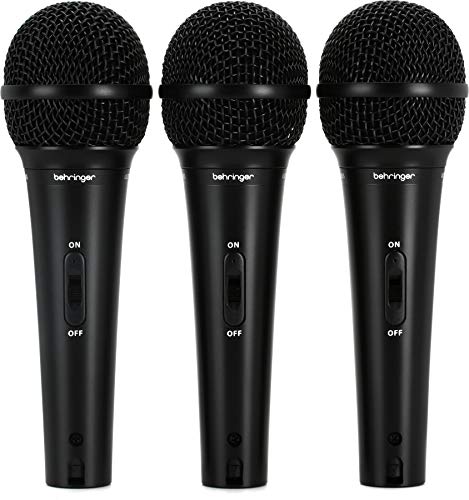
- Three-mic bundle offers strong value
- Cardioid pickup helps cut stage bleed
- Dynamic design works well for live use
Best For: Players and venues needing an inexpensive multi-mic set for banjo, vocals, and other live sources.
Best for Studio-Like Clarity
Behringer ECM PRO Condenser Mic

- Captures detailed, condenser-style sound
- Works for both live sound and studio use
- Good choice for flexible, budget-minded setups
Best For: Banjo players who want a versatile condenser mic for live sound and recording.
Best for Easy Setup
Shure PGA58 Vocal Kit with Stand

- Cardioid dynamic mic helps reject off-axis noise
- Includes stand, cable, adapter, and pouch
- Durable Shure build for regular live use
Best For: Performers who want a ready-to-go mic kit with simple setup and dependable stage performance.
Best for Everyday Use
EBJ 2.4G Wireless Instrument Mic
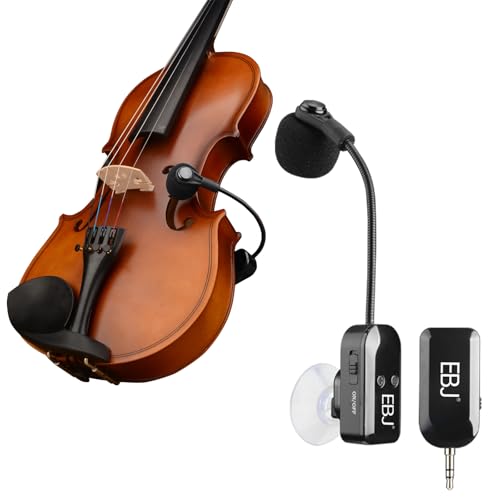
- Quick suction-cup mounting on smooth instruments
- Stable 2.4G wireless signal up to about 100 ft
- 6-8 hour battery life for gigs and rehearsals
Best For: Musicians who want a simple wireless mic setup for acoustic instruments and small live performances.
Best for Easy Stage Control
Rockville RMM-XLR Dynamic Microphone

- Tight super cardioid pickup for clearer live sound
- Rugged metal build with steel mesh grill
- Includes cable, clip, and carry case
Best For: Banjo players and vocalists who want an affordable, easy-to-use live microphone with solid feedback rejection.
Best with Extra Features
EBJ 2.4G Wireless Instrument Mic
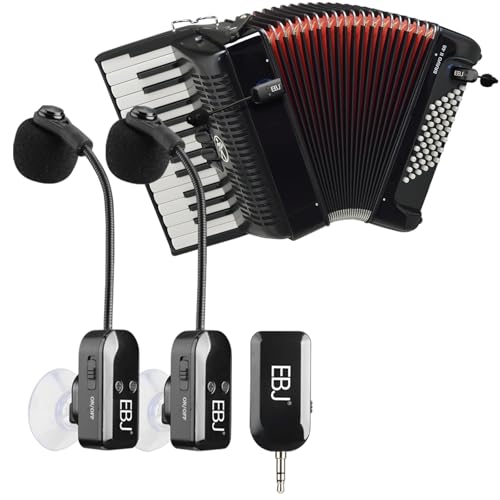
- 2.4G wireless link with stable stage-ready transmission
- Detachable suction cups for quick, non-permanent mounting
- Includes adapter support for PA systems, mixers, and speakers
Best For: Banjo players who want a simple wireless setup for live gigs and rehearsals.
Reliable Stage Workhorse
Shure SM57 Dynamic Instrument Mic

- Cardioid pattern helps reject bleed on noisy stages
- Presence boost adds punch and clarity to acoustic sources
- Rugged build suits frequent live gigging and transport
Best For: Players needing a durable, affordable live mic for acoustic instruments and band stages.
Best for Loud Stage Sources
Superlux PRA628MKII Instrument Mic

- Super-cardioid pattern helps reject bleed and feedback
- Handles up to 150 dB SPL for loud live sources
- Clamp and pouch included for quick, rugged setup
Best For: Loud live stages where feedback rejection and durable close-miking matter.
Best for Quick Banjo Swaps – Gold Tone ABS-D Banjo Mic with Preamp
If you need banjo microphones for live performance that are fast to mount and easy to move between instruments, the Gold Tone ABS-D is built for that job. Its dynamic cardioid mic on a compact gooseneck aims at the sweet spot, while the included stomp-box preamp helps you boost volume when it’s time for lead breaks.
Best For: Performing banjoists and resonator guitar players who want a compact, transferable pickup system with simple stage control.
Pros:
- Moves from one banjo to another in seconds
- Cardioid dynamic mic helps focus on the instrument and reduce unwanted noise
- Included preamp adds convenient gain boost for solos
- Shock-mounted design helps cut down on vibration noise
Cons:
- Requires two 1/4″ cables for full setup
- Not the simplest choice if you want a fully wireless rig
- Best suited to banjo and resonator guitar, not a general-purpose mic
For players comparing banjo microphones for live performance, this system stands out for quick setup, instrument-to-instrument flexibility, and practical onstage gain control rather than raw simplicity alone.
Best for Clip-On Isolation – Audio-Technica PRO 35 Clip-On Condenser Mic
If you want banjo microphones for live performance that stay put and help control stage bleed, the Audio-Technica PRO 35 is a practical clip-on option. Its cardioid pickup pattern and UniMount clip make it easier to aim the mic at the instrument while keeping handling noise and nearby instruments in check.
Best For: Players who need a secure, adjustable clip-on mic for consistent live banjo pickup on busy stages.
Pros:
- UniMount clip offers accurate positioning with added shock resistance
- Cardioid pattern helps reduce pickup from the sides and rear
- Extended frequency response captures more detail and nuance
- Permanent 6′ cable keeps the setup simple
Cons:
- Wired design limits movement on stage
- Clip-on format may not suit players who prefer a stand mic
For performers comparing banjo microphones for live performance, the PRO 35 stands out for easy placement and reliable isolation rather than flashy extras. It’s a solid fit when you need a straightforward mic that can handle regular stage use.
Best Budget 3-Pack – Behringer ULTRAVOICE XM1800S Microphones
Behringer ULTRAVOICE XM1800S 3 Dynamic Cardioid Vocal and Instrument Microphones (Set of 3)
Check Price On AmazonIf you need affordable banjo microphones for live performance, the Behringer ULTRAVOICE XM1800S is a practical starter set with three dynamic cardioid mics that can handle both vocals and instruments. The on/off switch and focused pickup pattern make it easy to reduce stage noise and keep setup simple for rehearsals, jams, and small gigs.
Best For: Players, bands, and venues looking for a low-cost mic pack for banjo, vocals, and other live sources.
Pros:
- Three-mic bundle offers strong value for multi-instrument or backup use
- Cardioid pattern helps reject bleed and feedback on noisy stages
- Dynamic design suits live amplification without needing phantom power
- On/off switch is handy for quick muting between songs
Cons:
- Not as detailed or refined as higher-end instrument mics
- Best for budget setups rather than critical studio capture
- Included accessories and overall finish are fairly basic
For buyers shopping banjo microphones for live performance, this set stands out mainly for affordability and versatility rather than premium tone shaping. It is a sensible pick when you want dependable stage-ready mics for a modest budget.
Best for Studio-Like Clarity – Behringer ECM PRO Condenser Mic
If you want a simple condenser mic that can pull double duty in the studio and on stage, the Behringer ECM PRO is worth a look. For players comparing banjo microphones for live performance, it offers a practical, no-frills option when you need a clean, detailed sound and an easy setup.
Best For: Banjo players who want an affordable condenser microphone for live sound, rehearsal, or hybrid studio use.
Pros:
- Condenser design can capture more detail than many basic stage mics
- Useful for both live sound and studio recording setups
- Straightforward choice if you want a single mic for multiple roles
Cons:
- Not a dedicated banjo-specific microphone
- May require careful placement to avoid feedback on loud stages
- Best results depend on a good preamp and live sound setup
Overall, the ECM PRO makes the most sense for players who prioritize clarity and versatility over specialized banjo voicing. If you’re narrowing down banjo microphones for live performance, this is a sensible general-purpose condenser rather than a purpose-built stage solution.
Best for Easy Setup – Shure PGA58 Vocal Kit with Stand
If you want a simple, dependable option for banjo microphones for live performance, this Shure PGA58 kit is built for straightforward vocal-style amplification. The cardioid dynamic mic helps isolate the source, the included XLR cable and tripod stand speed up setup, and the rugged Shure build makes it a solid pick for gigs and rehearsals.
Best For: Players and performers who want an easy-to-use, ready-to-go mic kit with reliable feedback rejection and included stand hardware.
Pros:
- Cardioid pattern helps reduce bleed from stage noise and nearby instruments
- Dynamic design requires no phantom power
- Includes stand, adapter, cable, and pouch for quick setup
- Durable construction suits regular live use
Cons:
- Voiced primarily for vocals, not specifically for banjo tone shaping
- Handheld mic format may be less ideal than a dedicated instrument mic
- No advanced onboard controls beyond the on/off switch
For banjo microphones for live performance, this kit makes sense when you want a practical, no-fuss solution that gets on stage fast. It is not the most specialized banjo pickup, but its focused pattern, solid noise rejection, and included accessories make it a dependable all-around stage mic package.
Best for Everyday Use – EBJ 2.4G Wireless Instrument Mic
If you want a quick-attach wireless option for banjo microphones for live performance, this EBJ system is built for simple stage use. The suction-cup mount helps it stay attached to smooth instrument surfaces, while the 2.4G connection is aimed at keeping your signal steady in busy venues.
Best For: Players who need a fast, non-invasive wireless mic setup for acoustic instruments, small stages, and practice-to-gig use.
Pros:
- Detachable suction cups make setup fast and avoid permanent modifications.
- 2.4G wireless transmission supports up to about 100 ft for flexible stage movement.
- Works with mixers, PA systems, voice amps, and included 3.5mm-to-6.35mm adapter.
- 6-8 hour battery life suits rehearsals, sets, and outdoor performances.
Cons:
- Best on smooth surfaces, so it may not suit every banjo or instrument finish.
- Not a universal full-featured pro rig for complex live sound setups.
- Wireless performance can vary in crowded RF environments.
For players comparing banjo microphones for live performance, this model stands out most for convenience and portability rather than deep tone-shaping features. It makes sense if you want a low-fuss way to get amplified quickly and keep your stage setup compact.
Best for Easy Stage Control – Rockville RMM-XLR Dynamic Microphone
If you want one of the more practical banjo microphones for live performance, the Rockville RMM-XLR is built for simple setup, reliable feedback rejection, and straightforward control on stage. Its super cardioid pickup helps isolate your banjo or vocals from nearby noise, while the included cable and accessories make it easy to get playing fast.
Best For: Players who want an affordable, stage-ready dynamic mic with a tight pickup pattern and handy on/off control.
Pros:
- Super cardioid pattern helps reduce bleed and focus the source
- All-metal body and steel mesh grill feel durable for gig use
- Includes 10-foot XLR cable, mic clip, and carry case
- On/off switch is useful for quick hands-on control during sets
Cons:
- Not as specialized as a dedicated instrument mic for banjo
- 600 ohm dynamic design may need a good preamp for best results
For banjo microphones for live performance, this is a solid value pick if you care more about dependable stage use than studio nuance. It favors durability, feedback resistance, and convenience, making it a smart option for casual gigs and basic live reinforcement.
Best with Extra Features – EBJ 2.4G Wireless Instrument Mic
If you need banjo microphones for live performance that are quick to mount and simple to run through a PA, this EBJ 2.4G wireless instrument mic is a practical option. The detachable suction cup design is meant for smooth instrument surfaces, while the 2.4G link and receiver setup aim to keep your signal steady on stage.
Best For: Players who want a fast, low-fuss wireless pickup setup for live shows, rehearsals, or busking.
Pros:
- Wireless 2.4G transmission with up to about 100 ft of range
- Detachable suction cups help mount the mic without permanent modification
- Works with speakers, mixers, PA systems, and includes a 3.5mm to 6.35mm adapter
- 6-8 hour battery life is useful for longer sets
Cons:
- Requires a smooth mounting surface, so fit may vary by instrument and setup
- Not a traditional clip-on banjo mic, which some players may prefer
- Wireless performance can still depend on venue interference and placement
For banjo microphones for live performance, this model stands out more for convenience and versatility than for ultra-traditional mounting. If you want an easy wireless path into a speaker or mixer, it is a solid stage-friendly choice, especially for players who value quick setup over a more specialized banjo pickup system.
Reliable Stage Workhorse – Shure SM57 Dynamic Instrument Mic
If you’re comparing banjo microphones for live performance, the Shure SM57 is a practical choice when you need clear attack, strong isolation, and a mic that can survive constant gigging. It’s not a banjo-specific microphone, but its cardioid pattern and focused presence boost can help acoustic instruments cut through a busy stage mix.
Best For: Players who want a rugged, affordable dynamic mic for live acoustic or instrument miking, especially in louder band settings where bleed control matters.
Pros:
- Focused cardioid pickup helps reduce stage bleed and background noise
- Presence boost adds clarity and attack to acoustic instruments
- Very durable design for frequent transport and heavy live use
- Trusted, widely available workhorse for stage and studio
Cons:
- Not a dedicated banjo mic, so tone shaping may be needed
- Requires close placement to capture enough detail from acoustic sources
- Can sound less open than some condenser options for solo banjo
For banjo microphones for live performance, the SM57 stands out when reliability and separation matter more than airy detail. It’s a smart pick for players who need a dependable mic that can handle volume, resist bleed, and deliver consistent results night after night.
Best for Loud Stage Sources – Superlux PRA628MKII Instrument Mic
If you need banjo microphones for live performance that can also handle very loud sources, the Superlux PRA628MKII is a practical, road-ready option. Its super-cardioid pattern helps cut stage spill, while the compact body makes close miking easy when you want a focused, punchy sound from amps, drums, or other high-SPL instruments.
Best For: Players and engineers who need a durable, feedback-resistant mic for loud live stages, especially when close placement and noise rejection matter more than delicate studio polish.
Pros:
- Super-cardioid pickup helps reduce bleed and feedback on busy stages
- Handles up to 150 dB SPL, so it can take loud sources without distorting
- Low-profile design and included clamp make placement fast and flexible
- Works well on guitar amps, bass cabs, toms, and other high-volume instruments
Cons:
- XLR cable is not included
- Voicing is aimed more at amplified instruments than natural acoustic detail
- Not the most specialized choice if you only mic a banjo in quiet settings
For banjo microphones for live performance, this model makes sense when stage volume is high and isolation is the priority. It is less of a traditional acoustic instrument mic and more of a rugged live-sound tool, but that focus can be an advantage when you need dependable gain before feedback.
How We Picked These Banjo Microphones for Live Performance
We prioritized microphones that can handle real stage use: feedback resistance, clear midrange detail, manageable positioning, and durability. Because Banjo Microphones for Live Performance often need to work around monitors, drums, and other acoustic instruments, we also looked for models that are easy to aim or clip in place without blocking playing technique.
Quick Comparison
Dynamic mics are usually the safest choice for loud stages and wedge monitors. Condenser clip-ons can deliver more detail and a more natural top end, which is useful for acoustic-heavy sets. Mounting systems and included accessories matter too, since a stable position often makes the biggest difference in consistency night after night.
Key Buying Factors for Banjo Microphones for Live Performance
Polar Pattern and Feedback Control
Cardioid and super-cardioid patterns help reject stage noise and reduce feedback. If you play with close monitors or in a crowded mix, this matters as much as tonal quality.
Mounting and Placement
Banjo tone changes quickly with distance and angle, so look for clip-on, gooseneck, or secure instrument-mount designs that let you position the capsule without vibration or movement.
Sound Character
Banjo usually benefits from a mic that captures pick attack and string articulation without becoming harsh. A balanced condenser can sound more open, while a dynamic can sound punchier and easier to control.
Durability and Stage Practicality
Metal bodies, simple wiring, and included cables or preamps can make setup easier. If you tour or play often, prioritize gear that is fast to deploy and resistant to handling noise.
Who Should Buy Which Banjo Microphones for Live Performance?
If you need maximum feedback control on loud stages, choose a dynamic option. If your priority is detail and natural acoustic response, a condenser clip-on is usually the better fit. Players who want a dedicated mounting solution should look at purpose-built instrument systems, while versatile performers may prefer a general-purpose mic that can handle banjo plus other instruments.
For most players, the best choice comes down to your stage volume, monitor placement, and how much setup time you want to spend before the show.