Choosing the right acoustic guitar mic and pickup system can make the difference between a thin, amplified signal and a sound that still feels like your instrument.
Below, we focus on systems that balance tone, installation, control, and real-world stage or recording use.
Best 10 Acoustic Guitar Mic and Pickup Systems Picks for 2026
Best for Studio-Like Tone
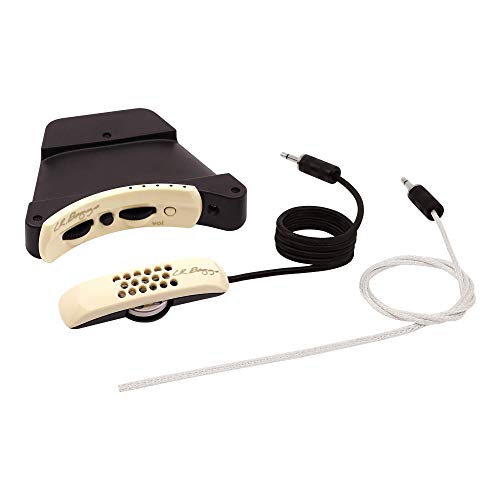
- Mic-and-pickup blend sounds more natural than a typical pickup
- Strong feedback resistance for live acoustic performance
- Onboard controls make blending and tuning the tone simple
Best For: Players who want a realistic amplified acoustic sound with stage-ready feedback control.
Best for Easy Setup
AMUMU SP30 Woody Soundhole Pickup

- Passive, battery-free operation
- Quick no-drill soundhole installation
- Clear, balanced tone with low noise
Best For: Steel-string acoustic players who want a simple, removable pickup for practice, casual gigs, or home recording.
Best Hybrid Under-Saddle + Mic Blend
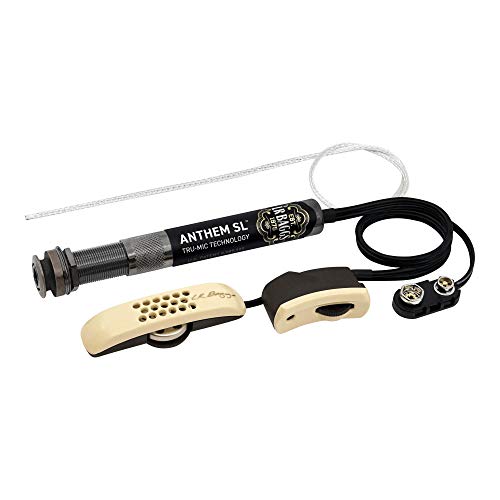
- Natural blended tone with internal mic detail
- Pickup reinforces lows for better stability
- Easy soundhole controls for live adjustments
Best For: Singer-songwriters and gigging players who want a realistic amplified acoustic tone.
Best for Nylon-String Tone
GUITTO Dual Mic & Piezo Guitar Pickup

- Dual mic + piezo blend for a fuller acoustic voice
- EQ and phase controls help reduce feedback
- Clip-on design with long battery life for gigs
Best For: Classical and acoustic players who want a more organic amplified tone with onboard control.
Best for Everyday Use
Rechargeable Soundhole Acoustic Pickup

- Dual mic-plus-magnetic pickup design
- Rechargeable with up to 100 hours of use
- EQ, phase, and volume controls onboard
Best For: Steel-string players who want a quick-install pickup with flexible tone control.
Best for Bluetooth Practice
Acoustic Guitar Bluetooth Preamp Pickup
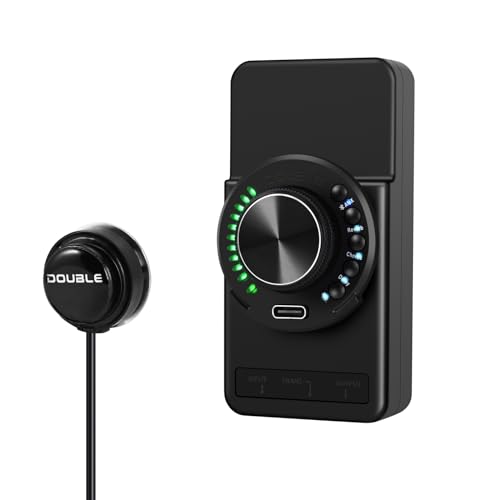
- Dual piezo-plus-mic pickup design
- Built-in delay, reverb, and chorus effects
- Bluetooth audio input for backing tracks
Best For: Players who want an onboard acoustic pickup system with effects and Bluetooth practice support.
Best for Quick Plug-In Play
Wireless Acoustic Guitar Pickup with Volume Control
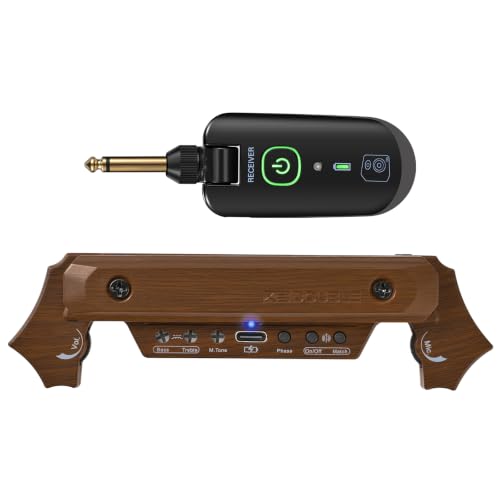
- Rechargeable design for less battery hassle
- Built-in volume control for quick adjustments
- Compact soundhole mount with wood-grain styling
Best For: Players who want an easy-to-use acoustic pickup for practice, small gigs, and open mics.
Best for Sound-Hole Players
baile X2 Wireless/Wired Acoustic Pickup
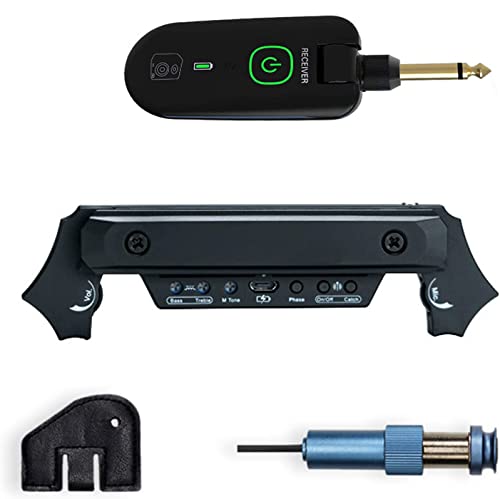
- Dual magnetic + microphone pickup for fuller acoustic tone
- Wireless receiver plus wired output for flexible use
- Fits 80mm–120mm sound holes and charges via USB
Best For: Players who want a sound-hole pickup with both wireless convenience and mic-style detail for small gigs.
Best for Wireless Flexibility
Wireless Acoustic Guitar Pickup with Mic

- 30m wireless range with wired backup output
- Dual magnetic + microphone pickup design
- Rechargeable battery for long practice or gig use
Best For: Acoustic players who want a flexible wireless pickup with built-in tone control.
Best for Wireless Stage Use
Wireless Acoustic Guitar Pickup System

- 30m wireless transmission for live freedom
- Dual mic + magnetic pickup for fuller tone
- Supports both wireless and wired output
Best For: Players who need a flexible acoustic pickup for small gigs, rehearsals, and stage use.
Best for Studio-Like Tone – L.R. Baggs Anthem
If you want acoustic guitar mic and pickup systems that sound more like a miked instrument than a typical under-saddle install, the L.R. Baggs Anthem is a standout choice. Its TRU•MIC and Element blend aims to keep the body, air, and detail of your guitar intact while still giving you the punch and control needed on stage.
Best For: Players who want a natural amplified acoustic sound with strong feedback resistance for live performance.
Pros:
- TRU•MIC captures much of the guitar’s frequency range for a more open, mic-like tone
- Element pickup adds low-end support and helps the sound stay solid in the mix
- Noise-canceling mic design improves feedback control and reduces boxy character
- Soundhole preamp gives you easy access to volume, blend, phase, and mic trim controls
Cons:
- Installation is more involved than simpler pickup-only systems
- More controls mean a little extra setup and fine-tuning
- Premium performance comes at a higher price than basic acoustic pickups
For players comparing acoustic guitar mic and pickup systems, the Anthem stands out because it combines a convincing studio-style voice with practical stage usability. It is a strong fit when realism matters as much as reliability.
Best for Easy Setup – AMUMU SP30 Woody Soundhole Pickup
For players comparing acoustic guitar mic and pickup systems, the AMUMU SP30 is a simple plug-and-play option that adds a clear, balanced amplified tone without batteries or drilling. Its magnetic soundhole design keeps setup fast, while the wooden housing gives it a more natural look and feel than many basic pickups.
Best For: Steel-string acoustic players who want a quick, battery-free pickup for casual gigs, practice amps, or easy home recording.
Pros:
- Passive, battery-free design keeps operation simple and low maintenance.
- Neodymium magnet and hand-wound coil aim for bright, balanced output with low noise.
- No-drill installation and detachable cable make it easy to mount and remove.
- Beech wood housing adds a premium touch and may help preserve a more natural acoustic character.
Cons:
- Only works with steel-string guitars and is not compatible with nylon-string models.
- Soundhole size limits mean some smaller guitars will not fit.
- As a magnetic pickup, it won’t capture the full body resonance of a microphone-based system.
Overall, the SP30 is a practical choice if you want one of the simplest acoustic guitar mic and pickup systems to live with day to day. It favors convenience, clean output, and quick installation over advanced tonal flexibility.
Best Hybrid Under-Saddle + Mic Blend – L.R. Baggs Anthem-SL Pickup
If you want acoustic guitar mic and pickup systems that sound more natural on stage, the L.R. Baggs Anthem-SL is built around a smart blend of internal microphone detail and low-end pickup support. It’s a practical choice for players who want a fuller, more “mic’d” tone without giving up feedback control or easy live use.
Best For: Singer-songwriters and gigging acoustic players who want realistic amplified tone with simple onboard control.
Pros:
- TRU-MIC design captures most of the guitar’s character for a more open, natural sound
- Pickup handles the lows, helping keep the system stable and feedback-resistant
- Soundhole remote makes volume and mic trim adjustments easy on the fly
- Preset crossover and preamp simplify setup and help the blend sound balanced
Cons:
- Requires an installation, so it’s less convenient than a simple external option
- More expensive than basic undersaddle pickup systems
- Best results depend on proper fit and setup in your guitar
For players comparing acoustic guitar mic and pickup systems, the Anthem-SL stands out for delivering a convincing mic-style voice without making live control complicated. It’s a strong middle ground between realism and reliability, especially if you play regularly on stage.
Best for Nylon-String Tone – GUITTO Dual Mic & Piezo Guitar Pickup
If you want acoustic guitar mic and pickup systems that feel more natural than a basic under-saddle pickup, the GUITTO GGP-01 is built for a fuller, more detailed amplified sound. Its dual microphones and piezo combo aims to capture both body resonance and attack, while EQ and phase controls help you adapt the tone onstage or at home.
Best For: Classical and acoustic guitar players who want a more organic nylon-string sound with flexible onboard tone control.
Pros:
- Dual mic plus piezo design gives a fuller, more nuanced acoustic tone
- EQ and phase controls make it easier to manage feedback and match different guitars
- Clip-on design avoids soundhole modification during installation
- Long battery life is useful for rehearsals, busking, and gigs
Cons:
- Professional install still calls for drilling two small holes
- More complex than a simple passive pickup setup
- Best results may require some tone tweaking to dial in
For players comparing acoustic guitar mic and pickup systems, this model stands out for balancing natural character with practical feedback control. It is a strong fit if you need a versatile amplified sound for classical or acoustic performance without moving to a bulky external rig.
Best for Everyday Use – Rechargeable Soundhole Acoustic Pickup
If you want acoustic guitar mic and pickup systems that are simple to install and give you more control on stage or at home, this rechargeable soundhole model is worth a look. It blends microphone and magnetic pickup elements, adds onboard volume and EQ controls, and is designed for quick fitment in most steel-string acoustic guitars.
Best For: Players who want an easy-to-mount, rechargeable pickup with built-in tone shaping and feedback control for amplified acoustic use.
Pros:
- Dual pickup design combines mic-style detail with magnetic clarity.
- Rechargeable battery with up to 100 hours of use per charge.
- Onboard controls for mic volume, master volume, EQ, phase, and timbre.
- Soundhole installation is straightforward and avoids permanent modification.
Cons:
- Not compatible with nylon-string or classical guitars.
- Requires the master volume to be on before adjusting mic volume.
- May be more feature-rich than casual players need.
This is a practical pick if you want acoustic guitar mic and pickup systems that prioritize convenience, adjustable tone, and a cleaner amplified sound without a complex install.
Best for Bluetooth Practice – Acoustic Guitar Bluetooth Preamp Pickup
If you want acoustic guitar mic and pickup systems that add more than basic amplification, this mini on-board preamp stands out for its dual-pickup design, onboard effects, and Bluetooth audio input. It’s aimed at players who want a more flexible practice-and-performance setup without relying on a traditional amp.
Best For: Players who want an onboard acoustic pickup system with piezo-plus-mic blending, built-in effects, and Bluetooth backing tracks.
Pros:
- Dual-pickup setup combines piezo detail with microphone body and air
- Onboard delay, reverb, and chorus add useful practice and performance options
- Bluetooth input makes it easy to play along with music from your phone
- Can still add presence and resonance even when used without an amp
Cons:
- Feature set is more complex than a basic pickup install
- Less proven than simpler, more established acoustic pickup systems
- May be overkill if you only need clean, natural unplugged amplification
For players comparing acoustic guitar mic and pickup systems, this model is all about versatility: blending pickup styles, adding onboard effects, and supporting wireless practice. It makes the most sense if you want an experimental, feature-rich setup rather than a purely traditional acoustic sound.
Best for Quick Plug-In Play – Wireless Acoustic Guitar Pickup with Volume Control
If you want a simple way to add amplified tone without a full pedalboard or complicated install, this wireless-style acoustic guitar mic and pickup systems option is built for fast setup and easy control. The rechargeable design, soundhole fit, and built-in volume knob make it a practical choice for casual performers who want a straightforward upgrade.
Best For: Players who want an easy-to-use acoustic pickup for home practice, open mics, or low-fuss live playing.
Pros:
- Rechargeable design helps reduce battery swaps.
- Built-in volume control makes on-the-fly adjustment easier.
- Soundhole format keeps installation compact and unobtrusive.
- Wood-grain finish gives it a more natural look on stage.
Cons:
- Not ideal if you need highly detailed studio-grade tone shaping.
- Soundhole-mounted units can feel less flexible than external mic setups.
As with many acoustic guitar mic and pickup systems, this one is most appealing when convenience matters more than advanced controls. It’s a solid fit for players who want a neat, rechargeable option that gets the guitar amplified quickly and keeps the setup process simple.
Best for Sound-Hole Players – baile X2 Wireless/Wired Acoustic Pickup
If you want acoustic guitar mic and pickup systems that blend string definition with a more natural body sound, the baile X2 is built for that exact job. Its dual pickup design combines magnetic string sensing with an onboard microphone, while the wireless receiver and wired output give you flexibility for rehearsal, small gigs, and quick plug-and-play use.
Best For: Acoustic players who want a sound-hole pickup with both wireless convenience and mic-like detail for live singing and small venues.
Pros:
- Dual-system design captures string vibration and guitar body resonance
- Wireless and wired modes make it easy to adapt to different setups
- Fits 80mm–120mm sound holes and installs quickly
- Built-in rechargeable battery supports longer playing sessions
Cons:
- Wireless range and battery life are better suited to small-stage use than large venues
- May be more complex than a simple passive pickup for players who want minimal controls
As far as acoustic guitar mic and pickup systems go, this model is appealing if you want more detail than a basic undersaddle pickup without giving up the reliability of magnetic capture. It’s a practical option for performers who need an affordable stage-ready setup with extra tonal flexibility.
Best for Wireless Flexibility – Wireless Acoustic Guitar Pickup with Mic
If you want acoustic guitar mic and pickup systems that let you move freely on stage, this wireless soundhole pickup is built for both mobility and versatility. The magnetic pickup and built-in microphone can be blended with independent controls, while the wired output option gives you a backup when you do not want to run wireless.
Best For: Players who want a rechargeable, dual-mode pickup for live acoustic sets, busking, or practice with flexible control over tone and volume.
Pros:
- Wireless 30m range plus a wired output option for backup use
- Dual pickup design helps capture more detail and playing techniques
- Independent volume, EQ, phase, and mic tone controls add flexibility
- Rechargeable battery offers up to 8 hours wireless or 100+ hours wired
Cons:
- Not compatible with ukulele or classical guitar
- Soundhole fit is limited to 80mm-120mm guitars
- Mic and control layout may take a little setup time
For players comparing acoustic guitar mic and pickup systems, this model stands out because it combines a soundhole pickup, onboard mic, and wireless convenience in one unit. It is a practical choice if you want more stage freedom without giving up tone-shaping controls.
Best for Wireless Stage Use – Wireless Acoustic Guitar Pickup System
If you want acoustic guitar mic and pickup systems that give you more freedom onstage, this wireless soundhole model is built for quick setups and live playing. It combines a magnetic pickup with an onboard microphone, so you can blend string attack with body resonance while keeping your rig fairly compact.
Best For: Players who want a wireless acoustic pickup for bars, small venues, or rehearsal spaces, especially if they need both wired and wireless output options.
Pros:
- Wireless 30m transmission adds movement and reduces cable clutter.
- Dual pickup design captures both string vibration and guitar body detail.
- Independent volume control helps balance mic and pickup output.
- Works in both wireless and wired modes for added flexibility.
Cons:
- Only fits acoustic guitars with 80mm–120mm sound holes.
- Best suited to live use rather than studio-grade refinement.
- Battery-powered receiver means another device to keep charged.
Overall, this is a practical option if you need acoustic guitar mic and pickup systems that prioritize stage convenience, easy switching, and a fuller amplified sound without a complicated rig.
How We Picked the Best Acoustic Guitar Mic and Pickup Systems
We looked for Acoustic Guitar Mic and Pickup Systems that offer a useful mix of natural sound, practical controls, and compatibility with common acoustic guitars. Priority went to models that are easier to install, offer reliable volume or EQ adjustment, and are suited to live performance, practice, or home recording.
We also favored systems that address common pain points such as feedback, uneven string balance, weak low end, and complicated setup.
Quick Comparison
Broadly, these systems fall into three groups: hybrid mic-and-piezo setups for the most natural amplified tone, magnetic soundhole pickups for simple installation and solid stage output, and feature-heavy active systems with built-in preamps or effects. Hybrid systems tend to sound most acoustic; magnetic options are often the most feedback-resistant; and active units usually offer the most onboard control.
Key Buying Factors for Acoustic Guitar Mic and Pickup Systems
Sound Character
If preserving the guitar’s natural body tone is your top priority, look for a blended microphone and pickup design. If you need a cleaner, more direct signal with less feedback, a magnetic soundhole pickup can be a better fit.
Feedback and Volume Control
For louder stages, feedback rejection matters as much as tone. Built-in EQ, phase control, and easy volume adjustment can help you stay usable at performance levels without constant tweaking.
Installation and Guitar Fit
Check whether the system is soundhole-mounted, under-saddle, or on-board, and confirm the fit for your guitar’s soundhole size and bridge style. Quick-install products are ideal for players who want a removable setup.
Power and Connectivity
Active systems may require batteries or charging, while passive pickups are simpler but may need an external preamp for the best tone. If you move between rehearsal, stage, and recording, choose a setup that matches your signal chain.
Who Should Buy Which Acoustic Guitar Mic and Pickup Systems?
Players who want the most natural amplified tone should lean toward hybrid Acoustic Guitar Mic and Pickup Systems. Gigging musicians who need easy setup and dependable feedback control may prefer magnetic or active soundhole options. Classical or nylon-string players should verify compatibility carefully, since not every pickup is designed for every instrument.
If you want the simplest choice, pick the system that best matches your main use case: natural tone for recording, stability for live shows, or convenience for everyday practice.