Choosing mandolins for live performances means thinking beyond looks. Onstage, you need clear projection, stable tuning, comfortable neck feel, and hardware that can handle repeated setup and transport.
This roundup focuses on options that make sense for performers at different levels, from acoustic stage work to beginner-friendly acoustic-electric setups and essential learning gear.
Best 10 Mandolins for Live Performances Picks for 2026
Classic Stage-Ready F-Style
The Loar LM-310F-BRB Honey Creek F-Style Mandolin

- Hand-carved solid spruce top
- Thin V maple neck profile
- Grover tuners and D'Addario strings included
Best For: Players wanting a traditional F-style acoustic mandolin for live sets
Low-End Gigging Choice
Gold Tone OM-800+ Octave Mandolin
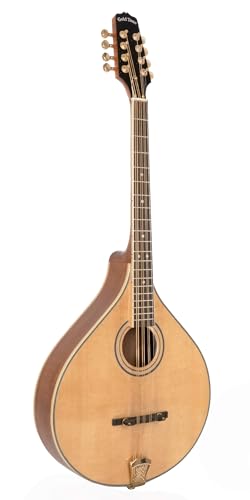
- Octave mandolin with extended scale length
- Compound radius fingerboard
- Hard shell case included
Best For: Performers wanting a deeper octave mandolin sound with transport protection
Affordable Starter Pick
Elegant Glossy Sunburst A-Style Mandolin
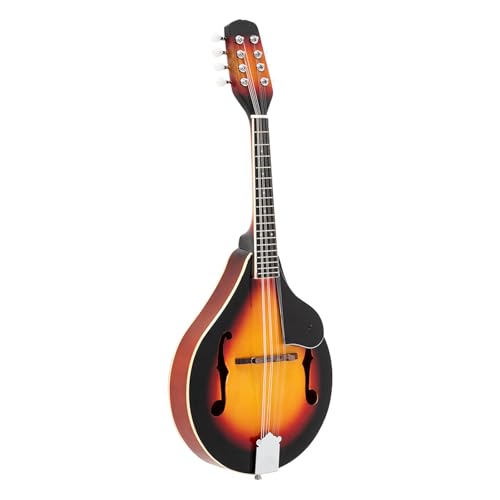
- A-style body with glossy sunburst finish
- Mahogany top and basswood back/sides
- Rosewood fingerboard and bridge
Best For: Beginners or budget buyers needing a simple live-use mandolin
Live Amplification Add-On
Vaveren Piezo Contact Microphone Pickup

- Passive contact pickup with volume control
- Designed for mandolin and other string instruments
- Lightweight wooden housing with non-slip pads
Best For: Players needing a portable pickup for live amplification
Live-Ready Acoustic-Electric Pick
Vangoa A Style Mahogany Mandolin

- Built-in pickup for amplified playing
- Mahogany body with warm, bright tone
- Includes gig bag, tuner, strap, and cable
Best For: Players needing an easy-to-use acoustic-electric mandolin for gigs
Step-by-Step Starter Guide
Hal Leonard Mandolin Method Book

- Covers tuning, anatomy, and reading basics
- Structured lessons for beginners
- Includes traditional tunes for practice
Best For: New players building core mandolin skills
Gig-Ready Full Kit Choice
Mahogany A Style Acoustic-Electric Mandolin

- Built-in pickup for stage and studio use
- Mahogany body with warm, resonant sound
- Includes bag, strings, cloth, and picks
Best For: Players wanting a complete mandolin kit for gigs and practice
Quick-Reference Practice Tool

- Grouped by key for faster lookup
- Clear diagrams reduce page flipping
- Fits easily in an instrument case
Best For: Players who need a portable chord reference for rehearsals and jams
Beginner Learning Path
How to Play Mandolin in 14 Days

- Step-by-step lessons for absolute beginners
- Includes tab, chord diagrams, and audio
- Covers core techniques and simple songs
Best For: New players who want a structured beginner course
Setlist Builder
First 50 Songs You Should Play on Mandolin
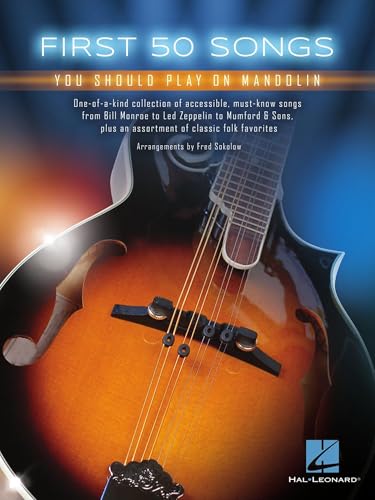
- 50 accessible songs for beginners
- Tab, chords, and lyrics included
- Covers folk, bluegrass, pop, and country
Best For: Players building a first repertoire for practice and performance
Classic Stage-Ready F-Style – The Loar LM-310F-BRB Honey Creek F-Style Mandolin
If you want mandolins for live performances with a more traditional F-style look and a solid build, the Loar LM-310F-BRB is built around a hand-carved solid spruce top and maple back and sides. The satin brown burst finish and thin V maple neck give it a straightforward, stage-ready feel for players who prefer an acoustic instrument with classic styling.
Best For: Players who want a solid-top F-style mandolin for live acoustic sets and traditional appearance.
Pros:
- Hand-carved solid spruce top for a more premium acoustic build
- Maple neck with thin V profile for a familiar playing feel
- Grover tuners and D’Addario strings included
- Satin brown burst finish gives it a polished stage look
Cons:
- Manual acoustic instrument only, so it needs a mic or pickup for amplification
- 1-1/8″ nut width may feel narrow to some players
- Traditional F-style design may not suit everyone
This model is a solid fit if you want a well-appointed acoustic mandolin with classic materials and an F-style body for live use.
Low-End Gigging Choice – Gold Tone OM-800+ Octave Mandolin
For mandolins for live performances where you want a deeper, fuller voice, the Gold Tone OM-800+ stands out as an octave mandolin with an extended scale length and compound radius fingerboard. It also includes a hard shell case, which makes it a practical choice for players who travel to gigs and need protection between shows.
Best For: Performers looking for an octave mandolin with a long scale and included case for gigging.
Pros:
- Octave mandolin format offers a different, lower-range option
- Extended scale length supports its stage and performance role
- Compound radius fingerboard may feel comfortable for playing
- Hard shell case included for transport and storage
Cons:
- Not a standard 8-string mandolin voice for players wanting a traditional setup
- Full-size body may be less compact than smaller options
- At 3 pounds, it may still feel substantial for long sets
The OM-800+ is a strong pick if your live sound benefits from the octave mandolin range and you value a case being included right away.
Affordable Starter Pick – Elegant Glossy Sunburst A-Style Mandolin
If you need an entry-level option among mandolins for live performances, this A-style model keeps things simple with a glossy sunburst finish and a right-hand design. Its mahogany top, basswood back and sides, and rosewood fingerboard and bridge are positioned as practical features for players who want a straightforward instrument with a bright, rich voice.
Best For: Beginners or budget-minded players wanting a simple A-style mandolin for casual live use.
Pros:
- A-style body keeps the design straightforward
- Mahogany top with basswood back and sides
- Rosewood fingerboard and bridge for a smooth feel
- Glossy sunburst finish adds visual appeal
Cons:
- No included hardware or electronics are listed for amplification
- Product details are limited compared with higher-spec models
- Not described as a carved or premium-grade build
This is a basic pick for players who want an affordable-looking mandolin shape and appearance for light performance use.
Live Amplification Add-On – Vaveren Piezo Contact Microphone Pickup
When you already have one of your mandolins for live performances and need a way to get it heard in a noisy room, this Vaveren piezo contact microphone is designed as a portable pickup solution. It uses a lightweight wooden housing, passive design, and volume control, making it a practical accessory for stage performances, outdoor live broadcasts, and teaching.
Best For: Players who need a portable contact pickup for amplifying a mandolin in live settings.
Pros:
- Designed for mandolin and other string instruments
- Passive design preserves instrument sound without distortion
- Volume control adds practical stage adjustment
- Lightweight build with non-slip rubber pads for easier installation
Cons:
- It is an accessory, not a standalone mandolin
- Installation is based on bridge fit and friction
- Primary notes reference violin use, so fit may need checking for your setup
This is best viewed as a live-performance add-on for players who want a simple pickup option rather than a new instrument.
Live-Ready Acoustic-Electric Pick – Vangoa A Style Mahogany Mandolin
If you need one of the more practical mandolins for live performances, this Vangoa A-style model stands out for its built-in pickup and acoustic-electric setup. The mahogany body is designed to deliver a warm, bright tone, while the included accessories make it easier to travel, tune, and get set up for a gig without extra purchases.
Best For: Players who want an affordable acoustic-electric mandolin that can move from practice to small-stage amplification.
Pros:
- Built-in pickup supports amplified performance and live gig use.
- AAA-grade mahogany construction aims for a rich, warm tone with strong resonance.
- Includes a gig bag, tuner, strap, extra strings, picks, and audio cable for an all-in-one start.
- Rounded fret ends and an adjustable walnut bridge are designed for smoother playability and low action.
Cons:
- Best suited to players who want an acoustic-electric setup, not a purely acoustic instrument.
- Geared toward beginner through intermediate use, so advanced stage players may want more specialized features.
This is a solid choice if you want a stage-capable mandolin package with the essentials included. For live performances, its pickup and accessory bundle make it especially convenient for getting started quickly.
Step-by-Step Starter Guide – Hal Leonard Mandolin Method Book
If you’re comparing mandolins for live performances, technique matters as much as the instrument itself, and this Hal Leonard method book is built to help beginners develop that foundation. It walks new players through tuning, instrument anatomy, reading basics, rhythm, and tone control in a structured way that supports confident playing over time.
Best For: Beginners, self-learners, and teachers looking for a clear mandolin method book.
Pros:
- Step-by-step lessons make it easier to build a reliable playing foundation.
- Covers tuning, anatomy, music reading, rhythm, and tone control.
- Includes traditional tunes that make practice more engaging.
- Useful for self-study, classroom instruction, or guided lessons.
Cons:
- It is a book, not an instrument, so it won’t help if you need a performance-ready mandolin right away.
- Designed only for beginners, so more advanced players may outgrow it quickly.
For players building toward live performance, a strong method book can be a useful first step. This one focuses on the basics in a simple, structured format that helps new mandolinists gain confidence.
Gig-Ready Full Kit Choice – Mahogany A Style Acoustic-Electric Mandolin
For shoppers focused on mandolins for live performances, this acoustic-electric A-style model is designed to move easily from practice to stage use. Its mahogany body, built-in pickup, and full accessory kit make it a practical option when you want a performance-ready setup without assembling extras separately.
Best For: Players who want a complete acoustic-electric mandolin kit for practice, recording, and stage use.
Pros:
- Built-in pickup supports amplified playing in live and studio settings.
- Mahogany body with F-holes is intended to deliver warm, resonant projection.
- Comes with a carrying bag, extra string sets, polishing cloth, and specialty picks.
- Factory setup includes finished fingerboards and adjustable wooden bridges for playability.
Cons:
- The full-kit approach may include items some experienced players already own.
- Specified as beginner-friendly, so professionals may want to compare setup preferences carefully.
This model is appealing if you want a ready-to-go package for live work and everyday practice. The included pickup and accessories make it especially convenient for players who value simplicity and portability.
Quick-Reference Practice Tool – Compact Mandolin Chord Book
If you’re looking for mandolins for live performances support material that helps you move fast between songs, this compact chord book is built for quick access. Its chord diagrams are grouped by key and laid out for easy reading, making it a practical backup when you need to confirm shapes without flipping through a larger method book.
Best For: Beginner to intermediate mandolin players who want a portable chord reference for practice, rehearsals, and jam sessions.
Pros:
- Chords are grouped by key for faster reference
- Clear, easy-to-read diagrams help reduce page flipping
- Portable size fits easily in an instrument case
- Useful for folk, bluegrass, and classical styles
Cons:
- Focused on chord reference rather than full songs
- Best suited to players who already want quick visual lookup
As a compact chord guide, this book is strongest as a performance-ready reference rather than a full instructional course. It works well when you need a simple, reliable way to keep chord knowledge close at hand.
Beginner Learning Path – How to Play Mandolin in 14 Days
How to Play Mandolin in 14 Days: Daily Lessons for Absolute Beginners (Play Music in 14 Days)
Check Price On AmazonFor players building skills before stepping into mandolins for live performances, this beginner method focuses on the essentials in a simple daily format. It uses chord diagrams, tab, rhythm tab, and audio access to help absolute beginners learn songs, techniques, and strum patterns without needing to read standard notation.
Best For: Absolute beginners who want a structured, step-by-step mandolin course with audio support.
Pros:
- Designed specifically for absolute beginners
- Includes chord diagrams, tab, and rhythm tab
- Covers core skills like tremolo, double stops, and strum patterns
- Offers quick access to audio tracks via download or streaming
Cons:
- More of a learning method than a performance songbook
- Focused on foundational skills rather than advanced repertoire
This is a strong starting point if you want a clear curriculum and practical exercises before moving to more performance-focused material. The included songs and audio make it easier to connect technique with real playing.
Setlist Builder – First 50 Songs You Should Play on Mandolin
If you want mandolins for live performances support through familiar tunes, this songbook gives you a ready-made list of accessible favorites. It combines tab, chords, and lyrics across 50 well-known songs, making it a practical choice for players who are ready to start putting together a usable repertoire.
Best For: Beginner mandolin players who want a collection of recognizable songs to practice and perform.
Pros:
- Includes 50 accessible, must-know songs
- Combines tab, chords, and lyrics in one book
- Covers folk, bluegrass, pop, and country favorites
- Useful for students building a song repertoire
Cons:
- Assumes you already know enough to start playing songs
- Not a technique-focused beginner method
This book is a solid bridge between basic learning and real-world playing because it centers on songs people actually know. For players looking to expand their setlist, it offers a straightforward, practical collection.
How We Picked These Mandolins for Live Performances
We prioritized stage practicality first: tonal clarity, reliable tuning stability, comfortable playability, and features that help a mandolin cut through a mix. We also considered whether the instrument is better suited to acoustic gigs, amplified use, or practice and preparation for performance.
Quick Comparison
For pure acoustic projection, F-style and well-built A-style instruments are often the most effective. For amplified situations, acoustic-electric models and compatible pickups matter more than ornate styling. Accessories like method books, chord charts, and song collections are useful if you are building repertoire or learning the instrument for stage use.
Key Buying Factors for Mandolins for Live Performances
Sound Projection and Tone
Live settings reward mandolins with a strong midrange, crisp note separation, and enough volume to stay articulate with other instruments. If you play bluegrass, folk, or acoustic ensemble music, look for a voice that stays clear when strummed hard or picked fast.
Amplification Options
If you perform through a PA or amp, acoustic-electric designs or external pickup compatibility are major advantages. A good pickup should preserve attack without adding harsh feedback or unnatural quack.
Playability and Comfort
Fast passages, long sets, and frequent chord changes demand a neck profile and body shape that feel easy to manage. Smaller or lighter instruments may be more comfortable for extended shows, while F-style bodies can offer a traditional stage look and strong projection.
Build Quality and Tuning Stability
For Mandolins for Live Performances, stable hardware matters as much as tone. Look for dependable tuners, solid bridge setup, and consistent fretwork, since these affect both intonation and confidence under stage pressure.
Who Should Buy Which Mandolins for Live Performances?
Choose a traditional acoustic mandolin if you mainly play unplugged or in acoustic groups. Choose an acoustic-electric model if you need direct amplification and simple stage integration. Beginners may benefit from a full kit or learning package, while more experienced players should focus on tone, setup quality, and performance-ready hardware first.
If you are also building your skills, a chord reference, method book, or song collection can help you prepare faster for rehearsals and gigs. The best choice depends on whether your priority is sound, amplification, or getting stage-ready as quickly as possible.