A good bass multi-effects processor can replace a cluster of pedals, put amp tones at your feet, and make practice or recording simpler. The right choice depends less on the longest effects list than on how you play and where you need to plug in.
These 10 options range from compact practice pedals to performance-focused processors. Use the guide below to narrow your shortlist by controls, connections, and portability.
Best 10 Bass Multi Effects Processors Picks for 2026
Portable Practice Pick
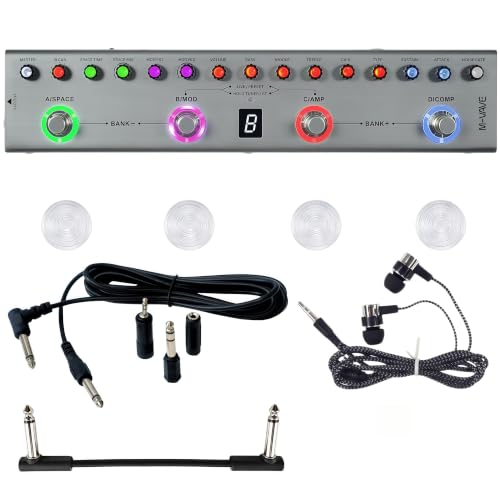
- 36 editable presets and eight cab IRs
- Battery rated for up to 12 hours
- XLR, USB audio, and headphone connections
Best For: Rechargeable practice and portable direct-connect setups
Practice Toolkit Pick
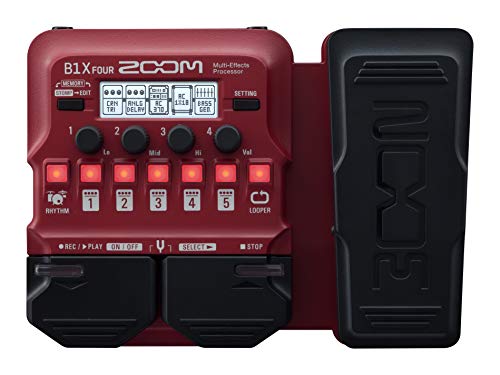
- 70-plus effects and nine amp models
- Looper and 68 rhythm patterns
- Expression pedal for real-time control
Best For: Bassists who practice with loops and rhythms
Flexible Routing Pick

- 32 amp types and 170 effects
- Up to 15 assignable routing blocks
- Touchscreen, expression pedal, and WAV IR support
Best For: Players building detailed guitar and bass patches
Multi-Bass Rig Pick

- Two inputs with A/B switching
- Four DI models and touchscreen editing
- SD-card loops and 68 rhythm patterns
Best For: Players switching between multiple basses
Best Bass-Focused Floorboard

- 61 bass-optimized effects
- 10 AIRD preamp models
- Battery or optional adapter power
Best For: Bassists seeking hands-on floorboard control
Best Compact Stompbox

- 75 effects and 11 amp models
- Up to six simultaneous modules
- Separate PA and dry-amp outputs
Best For: Space-conscious bass pedalboards
Best for Stage and Studio Routing

- Up to 11 movable modules per patch
- XLR, MIDI, effects loop, and USB-C
- Expression pedal and IR loading
Best For: Multi-instrument stage and studio setups
Best with Extra Features

- 70+ effects and nine amp simulations
- 30-second looper and 68 drum patterns
- Up to 18 hours on four AA batteries
Best For: Portable practice and varied bass tones
DI and Cab Modeling Pick

- 100+ bass effects
- Six DI and 11 preamp models
- 11 amp/cabinet models with Multi-Layer IRs
Best For: Exploring DI and modeled amp/cabinet sounds
Rechargeable Headphone Pick

- Nine amp preamps and eight cabinet IRs
- Headphone output and Bluetooth playback
- Rechargeable battery rated for six to eight hours
Best For: Quiet practice with backing tracks and custom IRs
Portable Practice Pick – M-VAVE TANK-B
Among bass multi effects processors, the M-VAVE TANK-B stands out for battery-powered playing and flexible connections. It offers 36 editable presets, nine bass preamps, eight cab IRs, and an app for editing tones and loading third-party IRs.
Best For: Bassists who want a rechargeable processor for practice, recording, and portable setups.
Pros:
- 3000mAh battery is rated for up to 12 hours of playtime.
- Balanced XLR output, USB audio, OTG recording, and Bluetooth playback provide several connection options.
- Headphone output and onboard tuner support quiet practice.
Cons:
- Preset editing and third-party IR loading rely on the M-EFCS app.
- The supplied feature list does not include a built-in looper or drum patterns.
Choose the TANK-B if portability and direct-connect features matter more to you than onboard practice accompaniments.
The Zoom B1X Four brings a looper, 68 rhythm patterns, and an expression pedal into one of the more practice-oriented bass multi effects processors here. Its 70-plus effects and nine amp models cover a broad range of bass sounds.
Best For: Players who want built-in rhythms, looping, and hands-free expression control for practice or performance.
Pros:
- Runs up to five effects at once in a user-selected order.
- Expression pedal can control parameters including volume, wah, delay, and pitch.
- Includes a chromatic tuner alongside its looper and rhythm patterns.
Cons:
- Signal chains are limited to five simultaneous effects.
- The supplied features do not list an XLR output or IR loading.
This is a practical choice if you will use its practice tools regularly and want to shape sounds with your foot.
The BOSS GX-10 is worth considering among bass multi effects processors if you also play guitar or want extensive control over your signal chain. It combines 32 amp types, 170 BOSS effects, and up to 15 assignable blocks in a compact metal chassis.
Best For: Guitar-and-bass players who prioritize detailed routing and a broad effects library.
Pros:
- Color touchscreen and flexible routing support custom amp and effect chains.
- Loads WAV speaker IRs in addition to offering onboard speaker types.
- Three footswitches and an integrated expression pedal provide performance control.
Cons:
- The supplied notes do not identify bass-specific DI models or dual bass inputs.
- Its range of routing options may be more than a player needs for a simple preset-based setup.
The GX-10 makes the strongest case when you intend to build and control detailed patches for both instruments.
For players comparing bass multi effects processors around their live rig, the Zoom B6 offers two bass inputs with adjustable impedance and an A/B switcher. Four DI models, 100-plus effects, and touchscreen signal-chain editing add options for shaping different instruments.
Best For: Bassists who switch instruments and want DI modeling, extensive looping, and touchscreen editing.
Pros:
- Two inputs support switching between basses without reconnecting cables.
- Touchscreen lets you rearrange up to six effects in a chain.
- Can save loops up to two hours long to an SD card and includes 68 rhythm patterns.
Cons:
- Wireless app control requires an optional BTA-1 Bluetooth adapter.
- Its corded power setup is less suited to battery-only playing.
If instrument switching and longer recorded loops are central to your setup, the B6 offers a particularly relevant combination of features.
Best Bass-Focused Floorboard – BOSS ME-90B
Among bass multi effects processors, the BOSS ME-90B is a practical choice if you want bass-specific sounds without building a pedalboard. Its knob-based, stompbox-style layout keeps adjustments accessible, while eight footswitches and an expression pedal provide hands-free control.
Best For: Bassists who want a dedicated, full-size processor for stage or practice.
Pros:
- 61 bass-optimized effects and 10 AIRD preamp models offer broad tone-shaping options.
- 36 presets and 36 user memories make sounds easy to recall.
- Runs on four AA batteries or an optional AC adapter.
Cons:
- At 17.72 inches wide, it needs more floor space than a compact stompbox.
- The AC adapter is optional rather than included.
The ME-90B makes the most sense when immediate, physical control matters more than minimizing your rig’s footprint.
Best Compact Stompbox – Zoom MS-60B+
The Zoom MS-60B+ fits a substantial range of sounds into a small enclosure, making it worth considering if you are comparing bass multi effects processors for a crowded pedalboard. It combines 75 effects with 11 amp models and lets you use up to six effects, amps, or preamps at once.
Best For: Bassists who want multiple sounds in a compact, battery-powered pedal.
Pros:
- 85 presets and a built-in chromatic tuner cover useful everyday needs.
- Separate outputs can send an amp/IR signal to a PA and a dry signal to an amplifier.
- A color LCD and four encoder knobs support on-pedal editing.
Cons:
- Its six-at-once limit may constrain more elaborate effect chains.
- The compact format provides less dedicated foot control than a larger floorboard.
Choose the MS-60B+ when pedalboard space is tight but you still want amp models, flexible effects, and a live-signal split.
Best for Stage and Studio Routing – Valeton GP-200
Valeton GP-200 Multi-Effects Processor for Guitar & Bass, Expression Pedal, MIDI, USB Interface
Check Price On AmazonThe Valeton GP-200 stands out among bass multi effects processors if your setup also includes guitar or acoustic instruments. Its library spans those instruments, and its stage and recording connections include balanced XLR outputs, MIDI, an effects loop, and a USB-C audio interface.
Best For: Multi-instrument players who need flexible routing and recording connections.
Pros:
- More than 240 amp, cab, and effect options, with up to 11 movable modules per patch.
- Includes an expression pedal, 20 user IR slots, a looper, and drum patterns.
- USB-C 6-in/4-out audio interface supports re-amping.
Cons:
- It is not bass-only, so its library also includes guitar and acoustic sounds.
- Requires its power adapter; there is no battery operation.
The GP-200 is the versatile pick for players who will use its extensive I/O and multi-instrument features, rather than just a few bass effects.
Best with Extra Features – Zoom B1 Four
Among bass multi effects processors, the Zoom B1 Four is a portable choice for players who want a broad sound palette and built-in practice tools. It offers more than 70 effects, nine amp simulations, and chains of up to five effects.
Best For: Bassists who want portable effects and rhythm-based practice without a larger setup.
Pros:
- 30-second looper and 68 drum patterns support solo practice.
- Runs for up to 18 hours on four AA batteries.
- Free Guitar Lab software lets you download effects and manage patches.
Cons:
- Looper is limited to 30 seconds.
- Effect chains are limited to five simultaneous effects.
The B1 Four makes the strongest case when portability and practice features matter as much as tonal variety.
For bassists comparing bass multi effects processors with more emphasis on modeled signal chains, the Zoom B2 Four offers over 100 effects, six DI models, and 11 amp and cabinet models with Multi-Layer IRs. Its listed features also include a built-in looper and USB audio interface.
Best For: Players who want DI, preamp, and amp/cabinet modeling in one processor.
Pros:
- Six DI models cover three tube and three solid-state options.
- Includes 11 preamp models and over 100 bass effects.
- Multi-Layer IR amp/cabinet modeling expands sound-shaping options.
Cons:
- At 2.8 pounds, it is heavier than the one-pound B1 Four.
- The supplied notes do not specify battery operation.
Choose the B2 Four when its DI and modeled cabinet options matter more to you than the smaller B1 Four’s AA-powered portability.
The LEKATO Cube Baby Bass stands out among bass multi effects processors if rechargeable power and quiet practice are priorities. It combines nine amp preamps, eight cabinet IRs, a 3.5 mm headphone output, and Bluetooth music playback.
Best For: Bassists who want compact headphone practice, backing-track playback, and user-loadable cabinet IRs.
Pros:
- Supports up to eight third-party IR files through its companion software.
- Built-in battery is rated for six to eight hours per charge.
- Supports recording to a computer or phone using the included cable.
Cons:
- Preset mode switches between only three presets.
- Importing third-party IRs requires a USB cable and Cube-Suite software.
Its headphone jack, rechargeable battery, and IR loading suit flexible home practice; players needing more immediately switchable presets should note the three-preset limit.
How We Picked the Best Bass Multi Effects Processors
We selected 10 models covering different budgets and uses, including compact pedals, units with expression control, bass-focused processors, and guitar-and-bass options. We prioritized features that affect everyday use: bass-friendly effects, amp and DI modeling, hands-on controls, routing, and recording or live-output options. A long preset list alone is not a reason to buy; check whether you can build and switch between the sounds you actually need.
Quick Comparison: Which Type Fits?
For straightforward home practice, the Zoom B1 Four and B1X Four offer broad effects selections, with the B1X Four adding an expression pedal. The compact Zoom MS-60B+ suits players who want to add multiple sounds without giving up much pedalboard space. If you want a larger bass-focused setup, compare the Zoom B2 Four and B6 with the BOSS ME-90B; pay particular attention to their controls and outputs. The BOSS GX-10 and Valeton GP-200 are worth considering if you also play guitar. The M-VAVE TANK-B and LEKATO pedal offer alternative compact formats; verify their connection and control options against your setup before choosing.
Key Buying Factors for Bass Multi-Effects Processors
Core Tone and Signal Chain
Start with the effects you rely on: compression, drive, EQ, modulation, delay, and a usable tuner. Check how many blocks can run together and whether their order can be changed. For bass, make sure driven or heavily processed presets retain enough low end and note definition for your playing style.
Amp Models, IRs, and Outputs
Amp models and cabinet simulations can help when recording or going direct, but output choices matter just as much. Check for the connections your rig needs, such as a headphone jack, USB audio, or a DI-style output. If you use a bass amp and a PA, look for routing that lets each receive an appropriate signal. IR loading is useful only if you want to manage cabinet sounds yourself.
Controls and Portability
For gigs, compare footswitch spacing, display readability, and how easily you can turn effects on and off mid-song. An expression pedal is valuable if you regularly use volume, wah, or parameter sweeps; otherwise, a smaller unit may be easier to carry. Also check power requirements and whether preset editing depends on an app.
Who Should Buy Which Bass Multi Effects Processors?
Choose a compact Zoom B1-series unit if affordable practice versatility is the priority, or the MS-60B+ if pedalboard space is tight. Consider the B2 Four, B6, or ME-90B when bass-focused performance and direct-tone options matter more. Look at the GX-10 or GP-200 if one processor must cover both guitar and bass. Before ordering any model, confirm its current specifications, included accessories, and compatibility with the rest of your rig.