If you’re looking to expand your musical toolkit, electronic wind instruments with USB connectivity offer a world of possibilities. These innovative devices blend traditional playability with modern technology, making them suitable for both practice and performance. Whether you’re a beginner or an experienced musician, there’s something for everyone. Let’s explore the top options available and see which instruments might elevate your sound.
Vangoa EWI-100 Portable Mini Digital Electronic Wind Instrument

The Vangoa EWI-100 Portable Mini Digital Electronic Wind Instrument is perfect for beginners and music enthusiasts of all ages. With its 10 built-in tones, you can easily switch between instruments like the saxophone, flute, and trumpet. The rechargeable battery gives you up to 4 hours of playtime, perfect for practice or gigs. Its compact design and included accessories, like washable nozzles and a portable case, make it highly convenient. Plus, with MIDI connectivity for various devices, you can expand your sound options. Whether you’re playing solo or jamming with friends, the EWI-100 enhances your musical experience effortlessly.
Best For: The Vangoa EWI-100 is best for beginners, kids, and adults looking to explore digital wind instruments with versatility and ease.
Pros:
- Multiple built-in tones: Offers a variety of instrument sounds, enhancing creative possibilities.
- Portable and rechargeable: Compact design with a 4-hour battery life allows for convenient use on the go.
- MIDI connectivity: Compatible with various devices, enabling expanded sound options and integration with music software.
Cons:
- Limited playtime: 4 hours of battery life may not be sufficient for extended practice sessions or performances.
- Sensitivity adjustment: Some users may find it challenging to get the right blowing sensitivity for their playing style.
- Sound quality: As a digital instrument, it may not fully replicate the authentic sound of acoustic wind instruments.
AKAI PROFESSIONAL EWI USB Electronic Wind Instrument and MIDI Controller

For musicians seeking an authentic playing experience, the AKAI PROFESSIONAL EWI USB stands out as an ideal choice. This electronic wind instrument offers plug-and-play connectivity to your Mac or PC, making setup effortless. With touch-sensitive keys and an octave roller, you’ll enjoy a natural response that captures every nuance of your performance. The ultra-responsive sensors allow you to control pitch, tone, and volume via breath intensity and mouthpiece pressure. Plus, you’ll have access to a rich Garritan sound library through the custom Aria Player software, ensuring superior sound quality for all your musical endeavors.
Best For: Musicians and composers looking for an authentic wind instrument experience with MIDI capabilities for seamless digital integration.
Pros:
- Plug-and-play connectivity makes it easy to set up with Mac or PC without complicated installation.
- Touch-sensitive keys and octave roller provide a natural playing feel, enhancing expressive performance.
- Access to a premium Garritan sound library through custom Aria Player software ensures high-quality sound production.
Cons:
- Customer reviews indicate a mixed satisfaction level with an average rating of 3.3 out of 5 stars.
- Some users may find the learning curve steep if transitioning from traditional wind instruments.
- The lightweight design may not appeal to those who prefer the heft of acoustic instruments.
AP 300 Pro Electronic Wind Instrument with Bluetooth
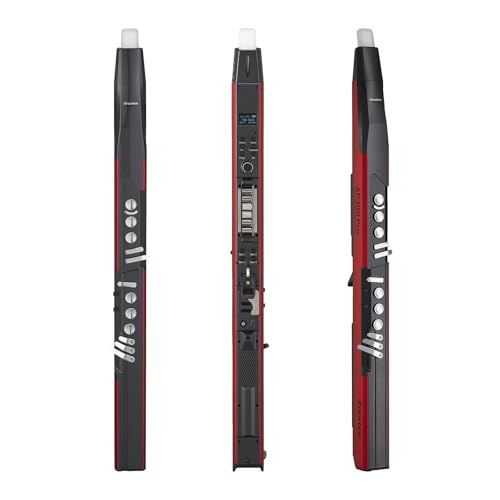
With its dual-mode Bluetooth connectivity, the AP 300 Pro Electronic Wind Instrument is perfect for musicians who want to enhance their performance experience. You can easily connect to devices for backing tracks, enjoying zero-latency audio and wireless MIDI. The LCD display makes it simple to navigate tones and volume settings, while the built-in OTG recording guarantees high-quality sound capture without external noise interference. With 108 global tones and 8 fingering options, you’re set for customization. Plus, the impressive 6000mAh battery life supports up to 6 hours of outdoor performances, making it a versatile choice for any musician.
Best For: Musicians looking for a versatile electronic wind instrument that offers advanced connectivity and customization options for enhanced performances.
Pros:
- Dual-mode Bluetooth connectivity allows for seamless connection to devices for backing tracks with zero-latency audio and wireless MIDI.
- LCD display provides a clear view of selected tones and volume settings, making it user-friendly.
- Long battery life of up to 6 hours supports outdoor performances without interruptions.
Cons:
- Limited to 108 global tones, which may not satisfy all musicians’ diverse preferences.
- Requires basic musical knowledge for optimal use of the 8 fingering options, which might be challenging for beginners.
- Portability may be hindered by the instrument’s size compared to traditional wind instruments.
Akai Professional EWI Solo – Electronic Wind Instrument

Looking to release your musical creativity? The Akai Professional EWI Solo is your ultimate companion. This electronic wind instrument features 200 premium sounds and a responsive mouthpiece that lets you control volume and pitch dynamics effortlessly. With over 12 hours of playtime on a rechargeable battery, you won’t miss a beat. Its built-in speaker delivers natural sound reproduction, and USB-MIDI connectivity opens doors to software instrument control. Plus, with various fingering modes and expression features, you can explore diverse musical styles. Whether you’re a beginner or a pro, the EWI Solo is designed to elevate your performances.
Best For: Musicians of all skill levels seeking an innovative and versatile wind instrument to enhance their creative expression.
Pros:
- 200 built-in premium sounds provide a wide range of musical options.
- Long-lasting rechargeable battery offers over 12 hours of playtime.
- Responsive mouthpiece with air-pressure and bite sensors enhances control over volume and pitch dynamics.
Cons:
- Built-in speaker may not be loud enough for larger venues.
- Learning curve for beginners unfamiliar with wind instruments.
- Limited customization options compared to some professional synthesizers.
EX Electric Digital Wind Instrument (Electric Saxophone)

The EX Electric Digital Wind Instrument, often referred to as the electric saxophone, stands out as an exceptional choice for aspiring musicians and seasoned players alike. With 12 onboard voices and three fingering modes, you can explore a wide range of sounds. Its automatic vibrato and adjustable blow sensitivity let you express yourself dynamically. The Bluetooth MIDI connectivity makes it easy to connect with music apps, enhancing your creativity. Plus, its portability, built-in speaker, and rechargeable battery add convenience. Whether you’re practicing at home or performing on stage, this instrument is perfect for all music lovers.
Best For: The EX Electric Digital Wind Instrument is best for students, beginners, and music lovers looking for a versatile and portable wind instrument.
Pros:
- 12 onboard instrument voices offer a diverse range of sound options for creative expression.
- Bluetooth MIDI connectivity allows for easy integration with music apps, enhancing practice and composition.
- Rechargeable battery provides convenience for portable use, enabling hours of playtime without needing to be plugged in.
Cons:
- The built-in speaker may not provide the same sound quality as professional instruments for live performances.
- Some users may find the learning curve challenging when adapting to the different fingering modes.
- The plastic construction may not appeal to those preferring traditional woodwind instruments.
Coolmusic S1 Professional Performance Saxophone
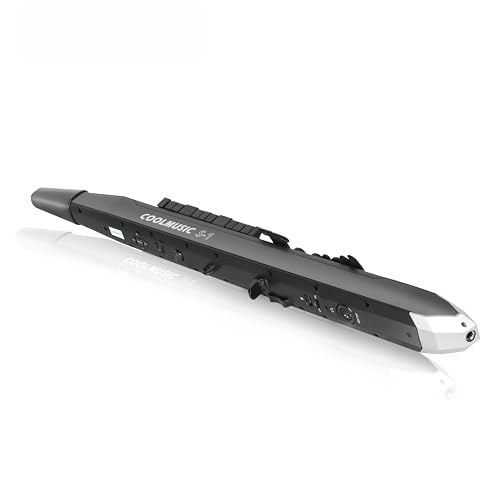
For musicians seeking versatility, the Coolmusic S1 Professional Performance Saxophone stands out with its impressive 72 instrument timbres options. You’ll love the multiple fingering choices and the user timbres library that allows for instant switching. The LCD smart display keeps everything in check, showing real-time timbre, tone, and battery levels. With a built-in lithium battery lasting 8-12 hours, you can perform without worry. Plus, you can connect external audio sources and mobile devices for accompaniment. The high-power speakers and earphone monitoring guarantee you get the best sound, whether practicing or performing. This saxophone truly elevates your musical experience!
Best For: Musicians looking for a versatile and feature-rich saxophone for both practice and performance.
Pros:
- Wide range of 72 instrument timbres for diverse musical expressions.
- Built-in lithium battery providing 8-12 hours of performance time.
- Connectivity options for external audio sources and mobile devices enhance versatility.
Cons:
- Higher price point may not be suitable for beginners.
- Weight and size may be cumbersome for some players during long sessions.
- Learning curve associated with multiple fingering and timbre switching features.
EX Electric Digital Wind Instrument, Electric Saxophone

Imagine effortlessly shifting between various musical styles with the EX Electric Digital Wind Instrument, an electric saxophone that caters to students and aspiring musicians alike. With 12 onboard voices and three fingering modes, you can explore diverse sounds across a three-octave range. The automatic vibrato feature adds a dynamic touch to your performances. Enjoy sound control with adjustable blow sensitivity and reverb effects, while Bluetooth MIDI lets you connect to your favorite music apps. Its portable design, rechargeable battery, and complete accessory kit make it perfect for practice or gigs. It’s an excellent gift for any music lover!
Best For: The EX Electric Digital Wind Instrument is best for students, beginners, and music lovers looking to explore a variety of musical styles.
Pros:
- Versatile Sound Options: Offers 12 onboard instrument voices and three fingering modes for diverse music exploration.
- Portable and Convenient: Features a rechargeable battery and built-in speaker, making it easy to practice anywhere.
- User-Friendly Connectivity: Bluetooth MIDI compatibility allows seamless connection to music apps for enhanced learning and creativity.
Cons:
- Learning Curve: Beginners may take time to adapt to various fingering modes and controls.
- Battery Dependency: Requires charging, which may interrupt practice sessions if not managed properly.
- Sound Quality Limitations: While versatile, the sound may not match that of traditional instruments for professional performances.
Vangoa MAE-02 MIDI Electronic Wind Instrument

Looking for an electronic wind instrument that’s perfect for beginners? The Vangoa MAE-02 MIDI EWI is a fantastic choice! Weighing just 2.79 pounds, its portable design makes it ideal for travel and outdoor performances. With 35 tones mimicking various instruments, you can explore classical, pop, and jazz styles. You’ll appreciate the three fingerings—hulusi, saxophone, and flute—allowing you to switch genres effortlessly. Plus, Bluetooth connectivity and a built-in speaker enhance your playing experience. With a 1200mAh battery lasting up to 4 hours, you won’t miss a beat. Get ready to release your musical creativity!
Best For: Beginners looking for a versatile and portable electronic wind instrument to explore various music genres.
Pros:
- Lightweight and portable design makes it easy to carry for outdoor performances and travel.
- 35 tones available to replicate different instruments, catering to a wide range of musical styles.
- Bluetooth connectivity and a built-in speaker enhance the playing experience and allow for easy integration with mobile devices.
Cons:
- Limited battery life of up to 4 hours may require frequent recharging during extended use.
- Customer rating of 3.8 out of 5 stars suggests mixed feedback from users regarding performance.
- Beginner-focused features may not satisfy advanced players seeking more complex functionalities.
Elesa Electronic Saxophone, Digital Wind Instrument, Bluetooth (Black)

The Elesa Electronic Saxophone stands out as an ideal choice for both aspiring musicians and seasoned players seeking a versatile, digital wind instrument. With 24 performance keys, it includes all the standard saxophone keys and an additional octave down key, providing flexibility in sound. You’ll enjoy 20 built-in sounds through its built-in speaker, plus Bluetooth MIDI and USB connectivity for seamless integration with your setup. The instrument supports breath and bite pressure for expressive play and is transposable up to ± 12 semitones. Powered by USB or AA batteries, it’s perfect for practice or performance on the go.
Best For: The Elesa Electronic Saxophone is best for aspiring musicians and seasoned players looking for a versatile and portable digital wind instrument.
Pros:
- Offers 24 performance keys, including all standard saxophone keys plus an additional octave down key for enhanced flexibility.
- Features 20 built-in sounds and Bluetooth MIDI connectivity, allowing for seamless integration with various setups.
- Supports breath and bite pressure for expressive playing, making it suitable for a wide range of musical styles.
Cons:
- The reliance on batteries may require frequent replacements for extended use without access to USB power.
- While it mimics saxophone fingering, traditional saxophonists may need time to adapt to the digital format.
- The built-in speaker may not provide the same sound quality as traditional saxophones, potentially affecting performance in larger settings.
KONIX DC02 Pro Digital Wind Instrument

For aspiring musicians and seasoned players alike, the KONIX DC02 Pro Digital Wind Instrument stands out with its impressive range of 10 built-in musical tones, including favorites like the alto and soprano saxophones. Its MIDI connectivity lets you integrate seamlessly with Android, iOS, macOS, and Windows, opening up a world of creative possibilities. Enjoy enhanced playability with two fingerstyle options and adjustable blowing sensitivity levels for dynamic sound. Plus, it features both speaker output for traditional performance and headphone connection for private practice. With a rechargeable battery offering 4 hours of playtime, this instrument is perfect for on-the-go musicians.
Best For: The KONIX DC02 Pro Digital Wind Instrument is best for aspiring musicians and seasoned players looking for a versatile and portable wind instrument.
Pros:
- Offers a wide variety of 10 built-in musical tones for diverse musical expression.
- MIDI connectivity allows for integration with various devices and music software.
- Lightweight and portable design with a rechargeable battery for 4 hours of playtime.
Cons:
- Limited to 10 built-in tones, which may not satisfy advanced users seeking a broader range.
- Requires initial learning curve for beginners unfamiliar with wind instruments.
- Sound quality may not match that of traditional acoustic instruments for serious performances.
Factors to Consider When Choosing Electronic Wind Instruments With USB
When you’re choosing an electronic wind instrument with USB, you should consider several key factors. Think about the connectivity options available, the sound quality, and how long the battery lasts. Also, pay attention to playability, controls, and the instrument’s portability and design to guarantee it fits your needs.
Connectivity Options Available
While exploring electronic wind instruments, you’ll find that connectivity options play a crucial role in enhancing your musical experience. Many instruments feature USB connectivity, allowing seamless integration with computers and MIDI devices. This connection enables you to control software instruments and digital audio workstations (DAWs), expanding your sound palette during practice and performances. If you prefer wireless options, look for instruments with Bluetooth MIDI connectivity, which provides flexibility and convenience. Some models even include both USB and Bluetooth, letting you choose the best method for your setup. Plus, with plug-and-play functionality, you’ll simplify the setup process and gain quick access to a wide array of virtual instruments and sounds, making your music-making journey smoother and more enjoyable.
Sound Quality Assessment
Exploring the sound quality of electronic wind instruments is crucial for any musician. First, assess the number and quality of built-in sounds; higher-end instruments often include premium sounds from professional libraries, enriching your musical experience. Look for customizable sound features like reverb, pitch bend, and sensitivity adjustments, as these can greatly enhance your expression. Consider MIDI connectivity, which allows you to integrate with software instruments and DAWs, expanding your sound palette. Pay attention to how the instrument responds to breath and bite pressure; sensitive sensors capture your playing nuances for a more expressive performance. Finally, check sound output options, including built-in speakers and headphone jacks, to guarantee quality practice sessions and performances in various environments.
Battery Life Duration
Battery life duration is an essential consideration for anyone choosing an electronic wind instrument with USB capabilities. It determines how long you can play on a single charge, with some models offering up to 12 hours of playtime. Look for instruments with rechargeable batteries, which can range from 800 mAh to 6000 mAh, as this directly impacts your overall playtime. If you plan on performing outdoors or traveling, prioritize models designed for portability and extended battery life. Additionally, some instruments come with energy-efficient designs or power-saving features that help prolong battery life during extended use or idle periods. Always check the estimated playtime from the manufacturer to guarantee it meets your practice or performance needs.
Playability and Controls
When choosing an electronic wind instrument with USB capabilities, playability and controls are vital for a satisfying musical experience. Look for instruments that offer multiple fingering modes, making it easier for brass and reed players to adapt their styles. Touch-sensitive keys and adjustable blowing sensitivity enhance responsiveness, capturing your performance’s nuances. A built-in LCD display helps you clearly see selected parameters, allowing for quick adjustments to tones, volume, and key settings while you play. Features like octave rollers, glide, and pitch bend plates provide greater expression and dynamic control. Finally, guarantee the mouthpiece design is comfortable, as this is essential for long practice sessions and performances without discomfort.
Portability and Design
Portability and design are essential factors in selecting an electronic wind instrument, especially if you plan to take it on the road. Look for a compact design that makes transportation easy and is perfect for practicing or performing anywhere. Weigh the instrument; lighter models around 1.3 pounds or less greatly enhance portability. Opt for instruments with rechargeable batteries that provide 4 to 12 hours of playtime on a full charge, ensuring you’re covered in outdoor settings. Also, consider those with removable, washable components for better hygiene and ease of care. Finally, choose models that come with portable carrying cases or accessories to make mobility and protection during travel a breeze.
Price Range Consideration
How do you choose the right electronic wind instrument with USB connectivity without breaking the bank? Start by setting a budget, knowing that prices range from about $100 to over $500. If you’re a beginner, consider models with fewer features; they’re typically more affordable. As you advance, think about investing in higher-quality instruments that offer better sound and durability, which can save you money in the long run. Don’t forget to factor in additional costs for accessories like mouthpieces and software. Keep an eye out for sales and discounts during holidays or promotions, as these can provide significant savings, making your investment in music more manageable.