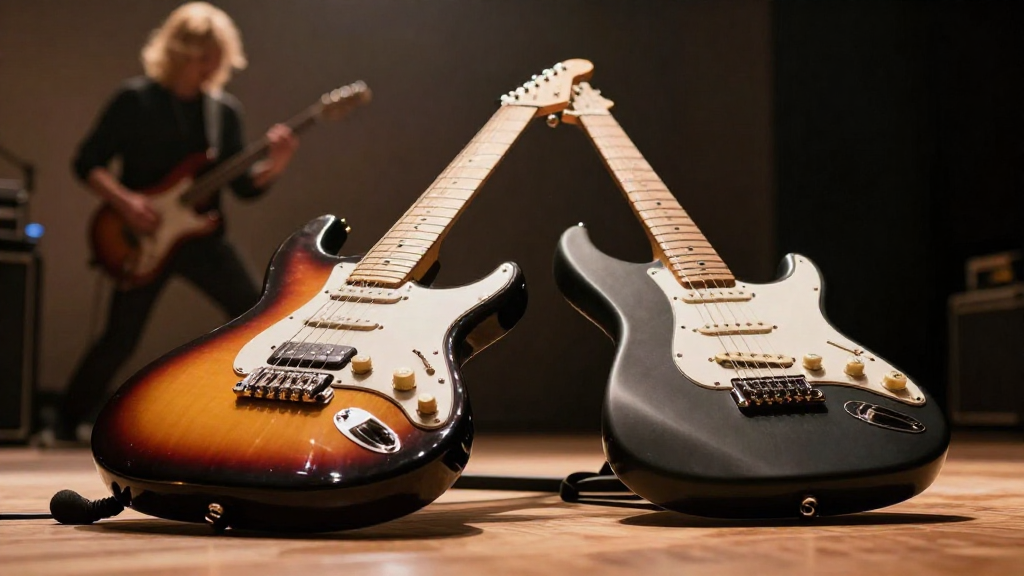
Understanding the distinction between rhythm and lead guitar is crucial for both aspiring guitarists and those looking to deepen their musical knowledge.
In this article, we will explore the nuances between these two essential roles in guitar playing, helping you appreciate their unique contributions to music.
What is Rhythm Guitar?
Rhythm guitar is primarily focused on creating and maintaining the song’s pulse, structure, and groove. It serves as the backbone of a musical piece, filling in the harmonic background.
Key Characteristics of Rhythm Guitar:
- Chords: Rhythm guitarists often play chords that provide harmonic support. Common chord progressions are fundamental to establishing a song’s framework.
- Strumming Patterns: They use diverse strumming patterns to create a rhythmic feel. This adds depth and complexity to the music.
- Consistent Timing: A solid sense of timing is essential. Rhythm guitarists must lock in with the drummer to establish a cohesive rhythm section.
- Songs in Various Genres: Rhythm guitar plays a pivotal role in multiple genres, including rock, pop, blues, and jazz, supporting the lead elements that add flair.
Famous Rhythm Guitarists include:
– Chuck Berry: Known for his pioneering contributions to rock and roll.
– James Hetfield: The rhythm powerhouse behind Metallica’s explosive sound.
– John Lennon: Renowned for his rhythmic chord progressions that shaped The Beatles’ music.
What is Lead Guitar?
Lead guitar is characterized by its focus on melody, solos, and expressive playing. It often complements or contrasts with the rhythm guitar, providing a focal point in a song.
Key Characteristics of Lead Guitar:
- Melodic Lines: Lead guitarists create catchy melodies and solos that often standout within a piece.
- Techniques: They employ various techniques, such as bends, slides, and hammer-ons, to add expressiveness to their sound.
- Improvisation: Many lead guitarists frequently improvise over chord progressions, allowing for a unique musical experience.
- Dynamic Presence: The lead guitar often takes the spotlight, showcasing virtuosity and emotional expression in solos.
Famous Lead Guitarists include:
– Jimi Hendrix: A revolutionary figure known for his innovative techniques and showmanship.
– Eric Clapton: Renowned for his emotive phrasing and bluesy solos.
– Eddie Van Halen: Famous for his lightning-fast playing and the introduction of two-handed tapping.
How Do Rhythm and Lead Guitar Work Together?
The interplay between rhythm and lead guitar is essential for creating a cohesive musical piece. While rhythm guitar forms the foundation, lead guitar adds embellishments and melody, leading to a well-rounded sound.
Roles Within a Band:
- Complementary Functions: Rhythm guitarists typically lay down the harmonic framework while lead guitarists add melodic intricacies.
- Dynamic Contrast: During a song, rhythm and lead can switch roles when either takes a break, showcasing the other’s skill set.
- Live Performances: In live settings, rhythm and lead guitar players often feed off each other, creating an engaging experience for audiences.
How Do You Distinguish Between Rhythm and Lead Guitar Parts?
Recognizing the distinctions between rhythm vs lead guitar parts can enhance your musical understanding and improve your skills.
Tips for Differentiating:
-
Listen for Chords vs. Melodies: If you hear primarily chords, you may be listening to the rhythm guitar. If you notice single notes or melodies, it’s likely lead.
-
Check the Timing: Rhythm guitars maintain a steady strumming pattern, while lead guitars often have more syncopated rhythms or a varied pace.
-
Focus on the Role in the Song:
– Rhythm Parts: Usually provide the frame and foundation of the song.
– Lead Parts: Typically serve as highlights or climaxes.
What are the Common Techniques Used in Each?
Mastering the techniques unique to each style is vital for aspiring guitarists.
Rhythm Guitar Techniques:
- Open Chords: Basic chords that allow easy strumming.
- Palm Muting: A technique that dampens the strings for a percussive sound.
- Syncopation: Creating rhythmic interest by emphasizing off-beats.
Lead Guitar Techniques:
- Bending: Manipulating pitch by bending strings to create emotional phrases.
- Hammer-Ons and Pull-Offs: Techniques that facilitate smooth, rapid notes.
- Finger Tapping: Using both hands on the fretboard to create rapid runs.
Can You Play Both Rhythm and Lead Guitar?
Absolutely! Many musicians are adept at both rhythm and lead guitar, using it to add versatility to their playing.
Advantages of Playing Both:
- Increased Flexibility: Allows you to adapt to different musical situations and genres.
- Enhanced Comprehension: A deeper understanding of both roles leads to better collaboration in a band.
- Improved Creativity: Being proficient in both styles allows for richer musical compositions and improvisations.
What Should You Focus on as a Beginner?
For beginners, it’s crucial to choose the right focus between rhythm vs lead guitar to cultivate your skills effectively.
Recommended Steps:
-
Start with Rhythm Guitar: Building a solid foundation with chords and strumming patterns will enhance your overall musicianship.
-
Learn Basic Chord Progressions: Familiarize yourself with common progressions to gain confidence in your playing.
-
Gradually Incorporate Lead Techniques: After developing rhythm skills, start adding lead techniques, focusing on scalular knowledge and improvisation.
-
Listen to Different Genres: Experiment across genres to understand the unique roles of rhythm and lead guitar in various styles.
Conclusion: Why is Understanding Rhythm vs Lead Guitar Important?
Grasping the differences between rhythm and lead guitar is crucial for any guitarist striving for a more complete musical education.
- Collaborative Skills: Understanding both facilitates collaboration with other musicians.
- Enhanced Performance: Whether performing or composing, knowing these roles leads to a richer sound.
- Personal Growth: Exploring both aspects enriches your musical journey and expands your creative horizons.
In summary, both rhythm and lead guitar play integral roles in music, and understanding their differences can profoundly impact your guitar playing. Embrace both styles, and you’ll unlock new dimensions in your musical journey!