A good vocal monitor helps you hear your pitch and cues without fighting the room mix. For live use, a secure seal and a dependable connection matter as much as the earphones’ sound.
These 10 wired options span musician-focused monitors and budget IEMs. Use the guide below to narrow them down by fit, vocal balance, and the gear you already use onstage.
Best 10 In Ear Monitors for Live Vocals Picks for 2026
Lightweight Stage Pick

- Triple-driver wired sound
- 2.3 g listed earbud weight
- Nine tip pairs and two MMCX cables
Best For: Vocalists wanting a lightweight, adaptable stage kit
Balanced-Sound Option
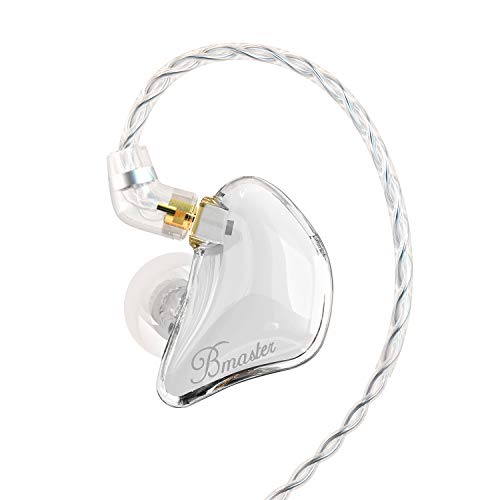
- Clear-midrange sound description
- Over-ear hooks for stage fit
- Replaceable MMCX cable design
Best For: Singers prioritizing fit and cable replaceability
Detail-Focused Hybrid

- Four BA drivers plus one dynamic driver
- Secure-fit ergonomic shells
- Detachable cable; no inline mic
Best For: Performers who enjoy a lively, detailed monitor sound
Stage Isolation Choice

- Dual-driver design with clear-midrange claim
- Six pairs of silicone tips
- Two replaceable MMCX cables
Best For: Singers wanting a secure fit and stage-ready accessories
Best for Secure Stage Fit

- Multiple tip sizes and fitting supporters
- Flexible ear hangers for secure wear
- Balanced sound with passive isolation
Best For: Vocalists who prioritize fit stability and isolation
Best for Worship Teams
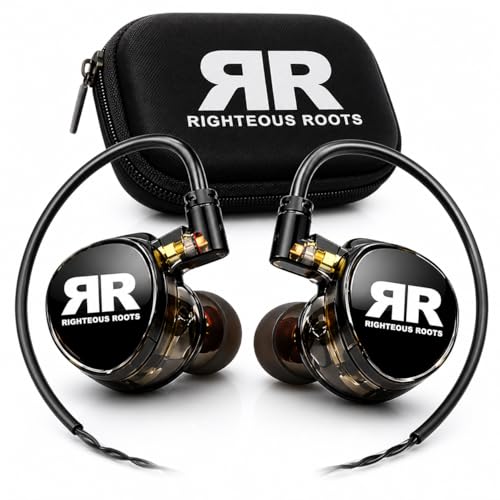
- Dual-driver sound aimed at clear vocals
- Secure over-ear memory-wire fit
- Detachable cable, case, and adapter
Best For: Worship-team vocalists and rehearsal use
Best for Detailed Hybrid Sound
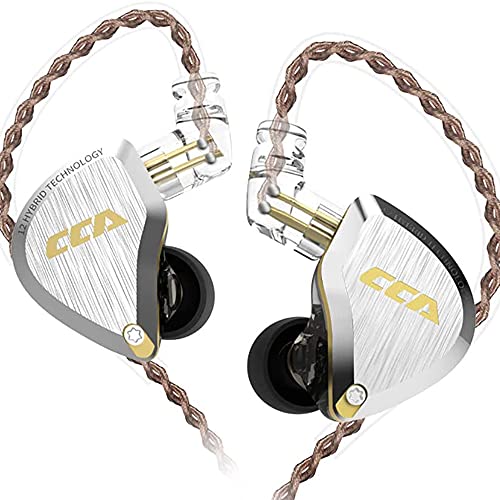
- Five armatures and one dynamic driver per side
- Warm sound with an open mid-range
- Replaceable eight-strand cable
Best For: Singers who also want detailed music listening
Lightweight Fit

- 2.3 g per earpiece
- Soft fins and memory ear hooks
- Detachable 2-pin OFC cable
Best For: Singers prioritizing a light, secure fit
Natural Sound Pick

- 10 mm dynamic driver
- Lightweight ergonomic shells
- Detachable 3.5 mm cable
Best For: Performers wanting a simple wired IEM for longer sets
Vocal Separation Pick

- Vocal-and-music separation emphasized
- Lightweight shells with memory hooks
- Detachable, tangle-resistant cable
Best For: Singers seeking vocal separation with fuller bass
Lightweight Stage Pick – BASN Bmaster Cloud Pink
For singers comparing in ear monitors for live vocals, the BASN Bmaster Cloud Pink pairs a secure over-ear fit with two dynamic drivers and one balanced armature. At a listed 2.3 g per earbud, it is designed for long rehearsals and performances.
Best For: Vocalists who want a lightweight wired monitor with several fit and cable options.
Pros:
- Nine pairs of silicone and memory-foam tips offer room to fine-tune fit and passive isolation.
- Includes two detachable MMCX cables: one with an inline mic and controls, and one silver-plated cable without a mic.
- Includes a carrying case and a 6.35 mm adapter for compatible stage gear.
Cons:
- Its bass-forward triple-driver presentation may not suit singers seeking a strictly neutral vocal reference.
- Passive isolation depends on getting a good seal with the included tips.
The broad tip selection and spare cable make this a practical stage kit. Try the different tips before judging the vocal balance or isolation.
Balanced-Sound Option – BASN Bmaster White
The BASN Bmaster White is an option among in ear monitors for live vocals if you want a wired monitor described as having clear midrange and a balanced sound. Its over-ear cable hooks are intended to keep the earpieces in place onstage.
Best For: Singers who prioritize a secure fit, sound isolation and replaceable cables.
Pros:
- Ergonomic earpieces and ear hooks are designed for comfortable, stable wear.
- Silicone and memory-foam tips let you adjust the fit and passive isolation.
- Rotating MMCX connectors allow cable replacement; a case, 6.3 mm adapter and cleaning tool are included.
Cons:
- Sound isolation relies on a proper eartip seal.
- The supplied notes do not specify how much outside noise the earpieces attenuate.
This is a sensible fit-focused choice for stage monitoring. Check the seal during rehearsal to see whether it gives you enough isolation at a comfortable listening level.
Detail-Focused Hybrid – Linsoul KZ ZS10 Pro
The Linsoul KZ ZS10 Pro offers a five-driver hybrid design for shoppers considering in ear monitors for live vocals. Its described sound emphasizes dynamic lows and bright detail, while the molded earpieces are designed to stay secure during movement.
Best For: Performers who prefer a lively, detailed wired sound and do not need an inline microphone.
Pros:
- Four balanced armatures and one dynamic driver provide a distinct hybrid configuration.
- Ergonomic shells are designed for a secure fit; the manufacturer claims up to 26 dB of noise isolation.
- Detachable cable and stainless-steel faceplates offer useful durability features.
Cons:
- This listed version has no inline microphone.
- Its described bright presentation may be less appealing if you prefer a restrained treble balance.
- The supplied notes say cable appearance may vary.
The ZS10 Pro is worth considering if you want prominent detail in your mix. As with any passive-isolating IEM, the fit you achieve will affect both isolation and perceived bass.
Stage Isolation Choice – BASN Bsinger Pro
For vocalists seeking in ear monitors for live vocals, the BASN Bsinger Pro combines a dual-driver design with flexible over-ear hooks and a range of silicone tips. BASN describes its sound as having accurate mids and crisp highs, both useful qualities to assess when setting a vocal mix.
Best For: Singers who want a secure stage fit and multiple replaceable cable options.
Pros:
- Over-ear memory-wire hooks and lightweight earpieces are designed for extended wear.
- Six pairs of silicone tips support fit adjustment; BASN claims up to 38 dB of noise isolation.
- Includes two detachable MMCX cables, a case, a cleaning tool and a 1/4-inch adapter.
Cons:
- The supplied kit lists silicone tips, not memory-foam tips.
- The claimed isolation will depend on achieving a secure seal.
The Bsinger Pro stands out for its stage-oriented accessories and tip options. Test the tips during a full rehearsal to find a seal that remains comfortable while you sing.
Best for Secure Stage Fit – Sony IER-M500
The Sony IER-M500 is a practical choice among in ear monitors for live vocals when staying comfortable and securely seated matters as much as hearing your mix. Its sealed design and multiple fitting options are intended for noisy performances and extended wear.
Best For: Vocalists who move onstage and want a customizable, isolating fit.
Pros:
- Includes isolation tips in XS through L and multiple fitting supporters.
- Coreless ear hangers contour to the ear for a secure fit.
- Balanced, full-range sound is optimized for live monitoring.
Cons:
- Wired 3.5 mm connection requires a compatible monitor output.
- The sealed fit may take some tip and supporter testing to get right.
Choose this model if fit stability and passive isolation are your priorities; take time to find the seal that lets you hear the monitor mix clearly.
Best for Worship Teams – Righteous Roots RR-EV1
The Righteous Roots RR-EV1 targets singers and musicians shopping for in ear monitors for live vocals, particularly for worship services and rehearsals. It combines a dual-driver design with passive isolation and an over-ear fit intended to stay put during performance.
Best For: Worship-team vocalists who want a stage-oriented wired monitor with useful carrying accessories.
Pros:
- Dual-driver design is described as delivering clear vocals and balanced mids.
- Over-ear memory wire helps keep the earpieces secure.
- Detachable braided cable, travel case, and 1/8-to-1/4-inch adapter are included.
Cons:
- Passive isolation depends on achieving a good ear seal.
- The stated warranty is one month.
This is a convenient package for teams carrying monitors between services. Check the cable connection and fit before relying on it for a full set.
Best for Detailed Hybrid Sound – CCA C12
The CCA C12 is an option for singers comparing in ear monitors for live vocals who also want a detailed listening presentation offstage. Each earpiece pairs five balanced armatures with one dynamic driver, with tuning described as warm and an open mid-range.
Best For: Singers who want a hybrid-driver wired IEM for monitoring and music listening.
Pros:
- Six-driver-per-side hybrid configuration is designed for layered sound.
- Detachable eight-strand cable can be replaced.
- Ergonomic resin-and-zinc-alloy construction is designed for comfortable wear.
Cons:
- Its warm, bass-forward presentation may not suit singers seeking a strictly neutral mix.
- The supplied notes do not establish how much stage noise it isolates.
The C12 makes the most sense if you value its hybrid-driver sound as well as its stage potential. Confirm the fit and vocal balance with your own monitor mix before performing.
Lightweight Fit – CCZ Yinyoo Melody
If you’re comparing in ear monitors for live vocals, the CCZ Yinyoo Melody is worth considering for its 2.3 g earpieces, soft ear fins, and wrap-around cable fit. Its 1DD/1BA design is described as bright and clear, with bass present in the mix.
Best For: Singers who prioritize a light, secure fit during performances.
Pros:
- Soft fins, memory ear hooks, and three ear-tip sizes offer fit options.
- Detachable 2-pin, 4-core OFC cable is replaceable.
- Standard 3.5 mm plug works with compatible wired audio outputs.
Cons:
- The listed version has no microphone, despite conflicting microphone wording in the supplied notes.
- Its bright presentation may not suit singers seeking a warmer sound.
The Melody’s main appeal is comfort and cable flexibility. Check the fit with your preferred tips before relying on it for a full set.
For singers shopping for in ear monitors for live vocals, the YINYOO KBEAR Storm pairs a 10 mm dynamic driver with a lightweight, ergonomic shell. Its supplied notes describe a transparent, natural sound and a fit intended for extended wear.
Best For: Performers seeking a simple, comfortable single-driver wired IEM.
Pros:
- Ergonomic, lightweight shells are designed for longer listening sessions.
- Detachable cable makes replacement possible.
- Multiple silicone ear tips provide sizing options.
Cons:
- Passive isolation will depend on getting a good ear-tip seal.
- Not water resistant.
The Storm is a straightforward option if fit and a natural-sounding presentation matter more to you than extra features. Confirm your stage setup accepts its 3.5 mm wired connection.
The CCA CRA is an option among in ear monitors for live vocals if you want a wired IEM whose supplied notes specifically highlight separation between vocals and music. It uses a dynamic driver with an ultra-thin diaphragm and a lightweight shell with an over-ear hook.
Best For: Singers who want vocal separation alongside a fuller low end.
Pros:
- Driver design is described as improving separation of vocals and instruments.
- PU memory hooks help keep the earpieces in place.
- Detachable, tangle-resistant OFC cable uses a standard 3.5 mm plug.
Cons:
- Its emphasized low-frequency performance may not match every vocalist’s preferred monitor mix.
- As a passive-isolating IEM, its seal depends on fit.
The CRA makes the strongest case here when hearing vocals distinctly over accompaniment is the priority. As with any IEM, try the fit before using it onstage.
How We Picked the Best In Ear Monitors for Live Vocals
We looked at the listed designs through a singer’s priorities: secure fit, usable isolation, clear vocal monitoring, cable practicality, and price range. The selection includes musician-focused models from BASN, Sony, and Righteous Roots alongside lower-cost hybrid and dynamic-driver IEMs. Driver counts and marketing claims are not proof of better stage sound, so treat them as specifications to investigate rather than a ranking. We have not verified every model’s fit or isolation in a live performance.
Quick Comparison
Start with your use case, not the largest driver count. The BASN Bmaster and Bsinger Pro models, Sony IER-M500, and Righteous Roots RR-EV1 are positioned for musician or stage use. The KZ ZS10 Pro and CCA C12 offer multi-driver alternatives for shoppers comparing hybrid designs. The CCZ Yinyoo Melody, KBEAR Storm, and CCA CRA are other wired options worth considering if budget is a priority. Check the current listing for the exact cable, accessories, and connector version before ordering.
Key Buying Factors for In-Ear Monitors for Live Vocals
Seal and Isolation
A consistent seal keeps the monitor mix intelligible and helps reduce competing stage sound. If the included tips do not seal both ears comfortably, try another tip size or material before judging the sound. Isolation also depends on fit; do not assume an earphone will block a specific amount of noise without a reliable rating.
Vocal Balance and Mix
Look for a sound that lets you follow your voice, pitch, and timing at a comfortable level. Strong bass can be useful when you need kick or bass cues, but it should not mask the vocal. Your monitor mix matters just as much as the IEM: ask for the amount of your voice and the instruments you need, rather than turning up a crowded mix.
Fit, Cable, and Connection
Over-ear routing and a stable earpiece help when you move around the stage. Confirm that the plug works with your wired bodypack, headphone amplifier, or mixer output; an adapter may be needed. Detachable cables can be convenient when a cable wears out, but check replacement availability and connector compatibility. Leave enough cable slack to move without tugging the earpieces loose.
Who Should Buy Which In Ear Monitors for Live Vocals?
If you sing regularly and prioritize stage-oriented features, begin with the BASN, Sony, or Righteous Roots options and compare their fit and included accessories. If you want to explore different driver configurations at a lower price, compare the KZ ZS10 Pro and CCA C12, but choose by comfort and vocal clarity rather than driver count alone. For a first wired IEM or a spare pair, consider the CCZ Yinyoo Melody, KBEAR Storm, or CCA CRA. Whichever you choose, confirm the return policy: ear shape is personal, and a well-fitting modestly priced IEM can be more useful onstage than a poorly fitting upgrade.